
Just because the temperature has dropped does not mean the risk of heat-related illnesses disappears. Even at this point in late August, hospital emergency rooms and 119 continue to receive calls related to the heat.
If tropical nights persist where temperatures do not cool down even as daytime temperatures rise, the body does not have enough time to recover. With the combined effects of accumulated heat and dehydration, the risk of heat-related illnesses remains high even in late August.
If tropical nights continue, the body loses its recovery time.
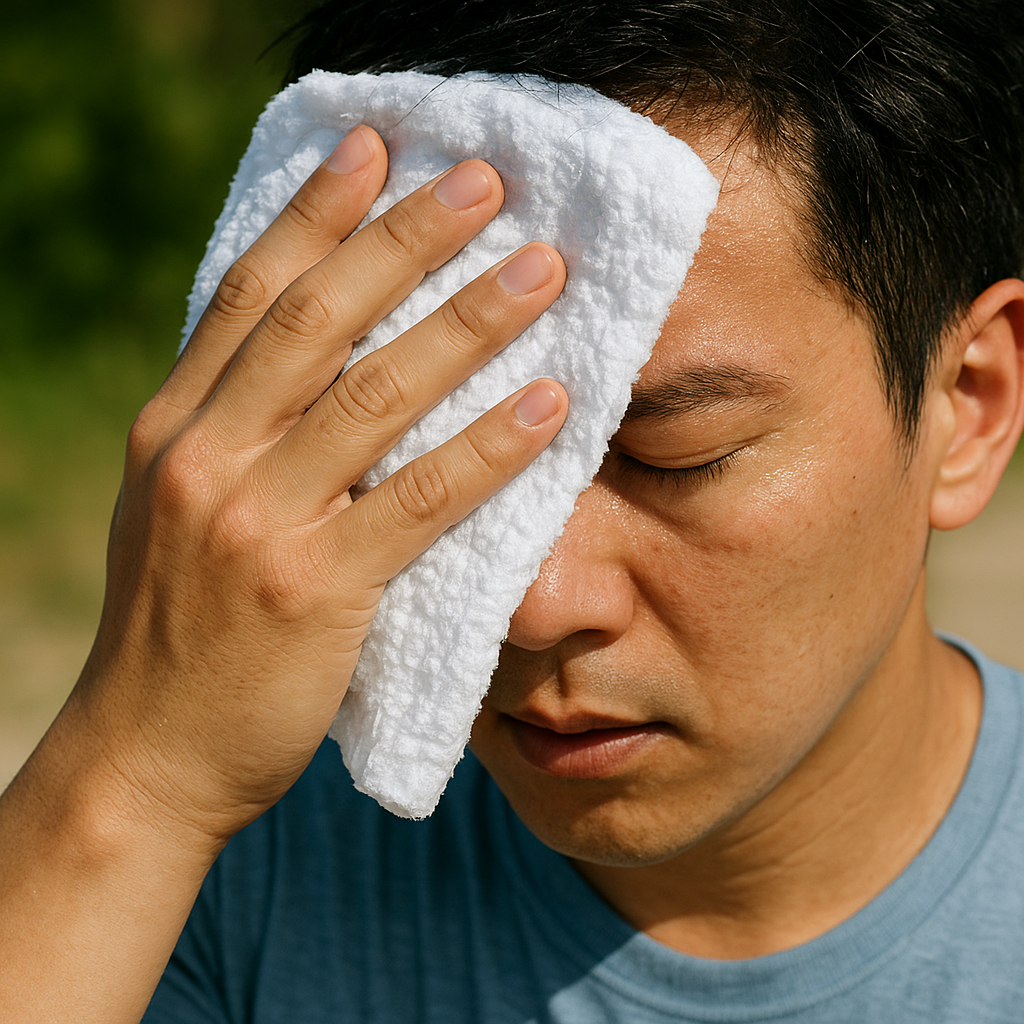
Tropical night Nighttime minimum temperature above 25 degreesIt refers to this. Even if it is hot during the day, if the temperature does not drop at night, our bodies cannot properly release the heat absorbed during the day.
Sufficient sleep and rest are the most fundamental ways to restore the body's ability to regulate temperature, but as tropical nights lengthen, the time required for this recovery decreases. Consequently, the body's resistance to the heat drops sharply.
Therefore, in the temperature forecast Don't just look at the daytime temperature; check the nighttime minimum temperature as well.You have to do it.
Even if the day looks fine, if it is hot at night, it means the situation is still dangerous.
Heat-related illnesses worsen to stage 3.
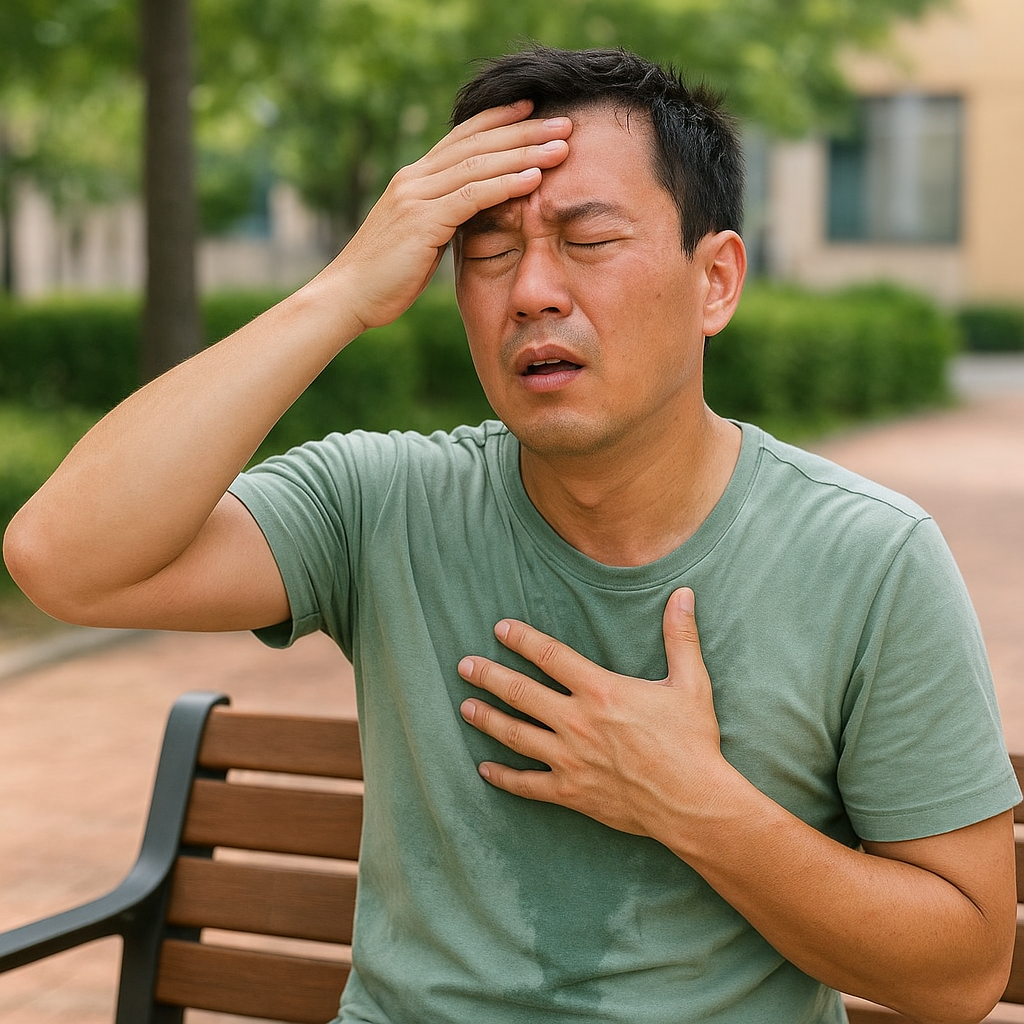
Heat-related illnesses progress sequentially from mild symptoms to life-threatening situations. heat crampsIt is the stage where the muscles of the arms and legs suddenly spasm, and, heat exhaustionIt is a condition where dizziness and lethargy worsen.
The most dangerous heatstrokeIt is an emergency situation where body temperature exceeds 40 degrees, there is no sweating, and consciousness declines. Since the symptoms are different, the treatment methods also differ. For heat cramps, you can rest in a cool place and drink water little by little, but for heatstroke, you must call 119 immediately.
Heat exhaustion and heatstroke are completely different.
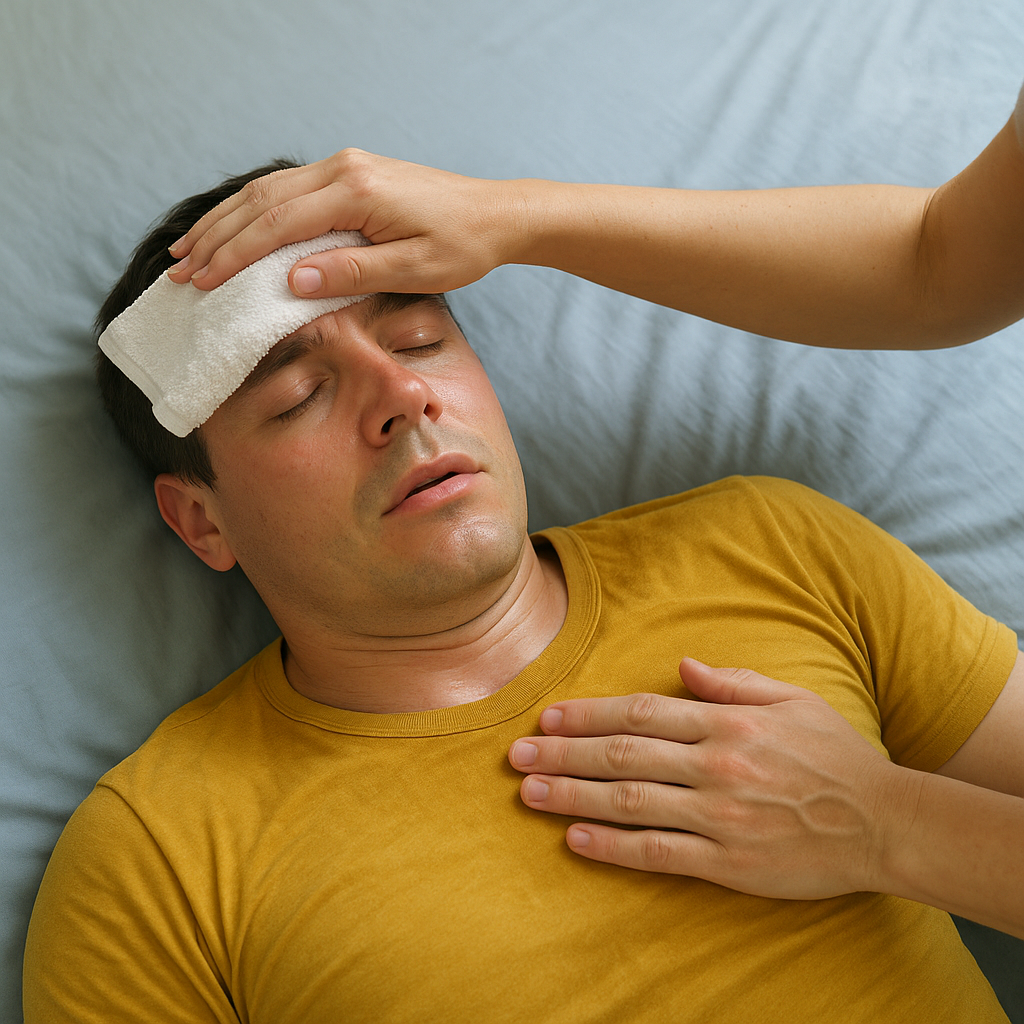
Many people confuse these two. In the case of heat exhaustion, you sweat profusely and are conscious but feel dizzy and lethargic, whereas, Heatstroke is characterized by a body temperature exceeding 40 degrees, cessation of sweating, and decreased consciousness.It is an emergency situation where [it] appears simultaneously.
If you have heatstroke, you may not need to visit the emergency room, but if your body temperature is 38.5 degrees or higher, or if headaches, dizziness, and vomiting persist despite replenishing fluids and resting, you must go to the hospital.
General antipyretics are ineffective for heat-related illnesses, so physical cooling of the body temperature is the priority.
| Methods to avoid | The correct method |
|---|---|
| Taking a bath in cold water | Wipe your armpits, groin, and the back of your neck with a towel dampened with lukewarm water. |
| Drinking caffeinated and alcoholic beverages | Drink plain water or sports drinks in small portions |
| Overeating greasy, high-calorie foods | Consume small amounts of water-rich seasonal fruits and soft porridge. |
Response methods you must absolutely never use
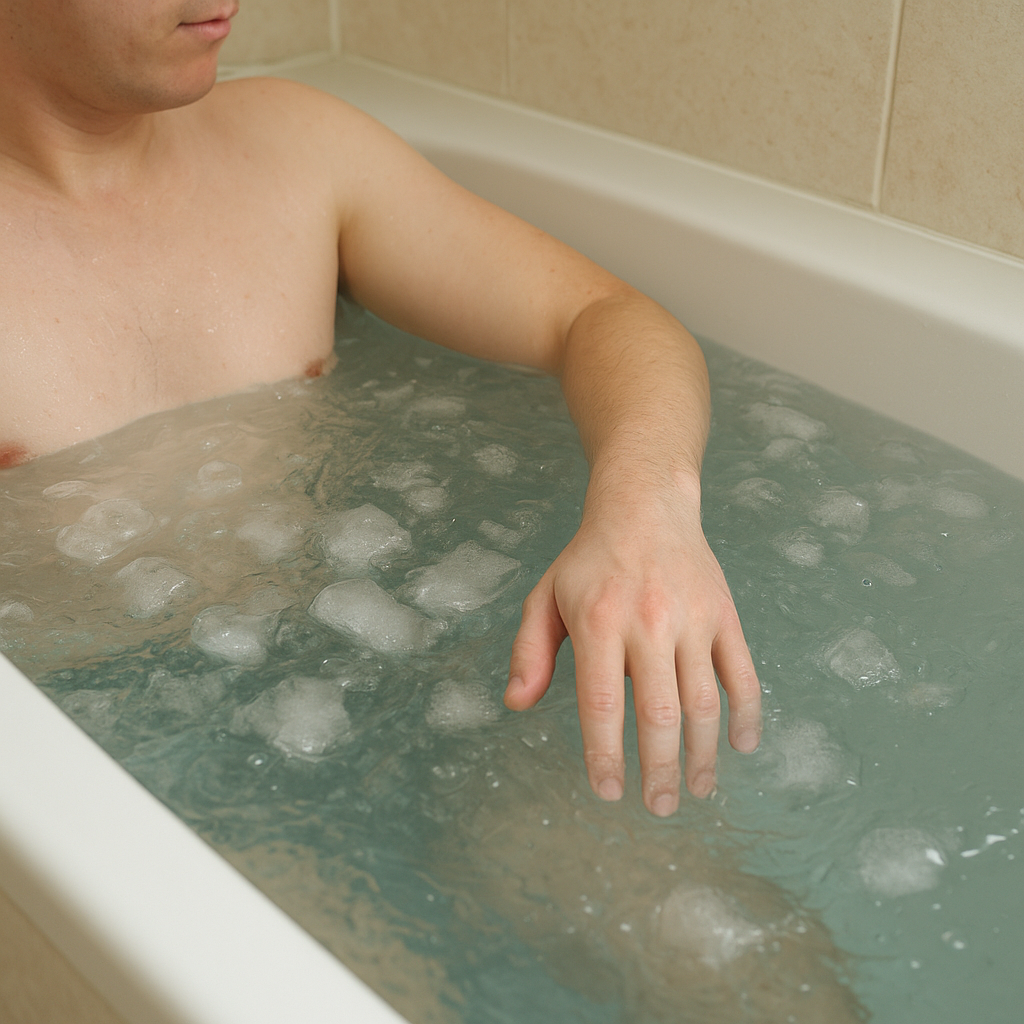
Taking a bath in cold water is especially dangerous. Sudden cold stimulation rapidly constricts blood vessels, hindering heat dissipation and placing a heavy burden on the heart.
You should also avoid caffeine and alcohol. They have a strong diuretic effect, so drinking them to quench your thirst will actually worsen dehydration. Drinking small amounts of water or sports drinks frequently That is the correct answer.
General fever reducers are also ineffective. Since the body temperature rise in heat-related illnesses is not caused by infection, medication cannot resolve the issue and only places a burden on the liver and stomach.
Check the environment overnight.
Many people sleep with the air conditioner on, but if the indoor temperature is too low, blood vessels constrict during sleep, making you feel even more tired in the morning. The recommended temperature is 26 to 28 degrees.no see.
If you have been active late into the night or outdoors, your body temperature can remain high even while you sleep. Simply drinking water and changing into thin cotton clothes before bed can significantly reduce the risk of heat-related illnesses during sleep.
Things to do from now on
Even if temperatures drop, you must remain cautious until autumn fully arrives. Children, the elderly, and people with cardiovascular and cerebrovascular diseases need to be especially careful, as their ability to regulate body temperature is lower.
If you are very active or spend a long time outdoors, it is recommended to drink water every 30 minutes to an hour. It is important to develop a habit of drinking consistently and frequently rather than drinking a lot without a basis.
Rather than letting your guard down as autumn approaches, try to live remembering that your body is still exhausted from the heat. That is the way to safely get through the final stages of heat-related illnesses.