
It is easy to think that norovirus is a type of food poisoning that only occurs in winter, but in reality, vomiting and diarrhea can also occur after eating raw oysters or sashimi in the summer. If you suddenly find yourself frequently running to the bathroom and having difficulty drinking water, it is difficult to dismiss it as simple indigestion.
In this article From the onset of norovirus symptoms to transmission routes, hydration at home, and situations requiring medical treatmentI will summarize everything for you in a single flow. We will also examine the fact that there is still a period during which the virus can be transmitted to family members even after symptoms have stopped.
Norovirus is an infectious disease that occurs year-round.
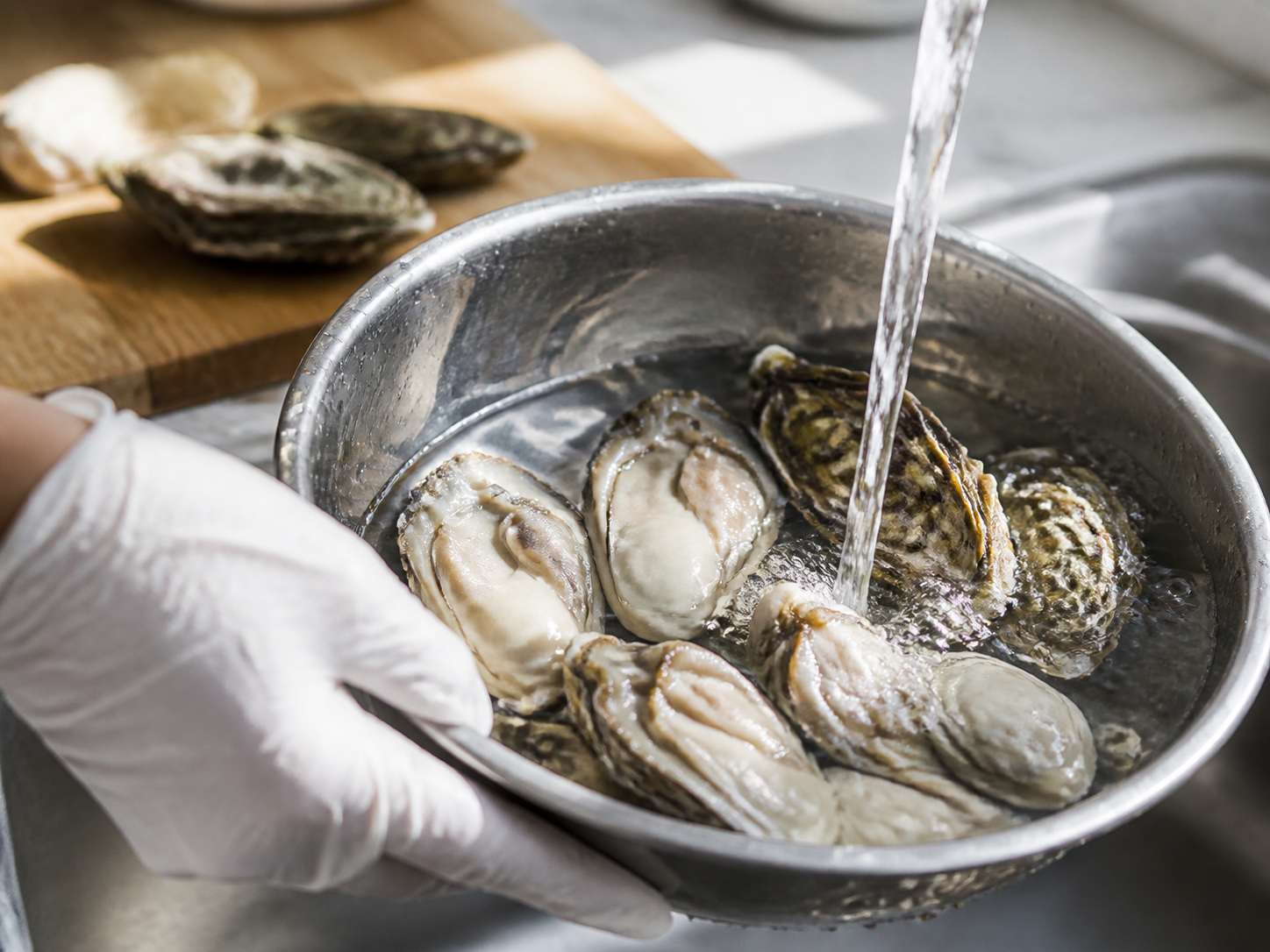
Norovirus is a viral gastrointestinal infection transmitted through contaminated food or water, as well as the feces and vomit of infected individuals. Although it is known as winter food poisoning because it remains active even at low temperatures, its occurrence is not limited to the winter season.
The incubation period after infection is usually 12 to 48 hours.In addition, vomiting or diarrhea often begins suddenly. Infection can be caused not only by communal living during the winter but also by consuming raw oysters, shellfish, raw fish, and shared food during the summer.
For norovirus, we must first examine the transmission routes through contaminated food and person-to-person contact rather than the season.
The main symptoms are vomiting and diarrhea.

Initially, nausea and abdominal pain may occur, followed by vomiting and diarrhea. Fever, chills, headache, muscle pain, fatigue, and loss of appetite may also accompany these symptoms; sometimes, these symptoms appear all at once, making it feel like the flu.
Children tend to exhibit more pronounced vomiting, while adults primarily complain of diarrhea. However, since symptoms cannot be distinguished based on age alone, the frequency of vomiting, the severity of diarrhea, urine volume, and fluid intake must be assessed together.
Most symptoms naturally improve after lasting for 1 to 3 days or about 24 to 60 hours. However, fatigue or intestinal discomfort may persist, so suddenly increasing your food intake may cause stomach discomfort to return.
In addition to food, it is transferred to hands and the environment.

Food prepared by an infected person, contaminated water, undercooked oysters and shellfish, and contaminated vegetables and fruits are the main sources of infection. In particular, vomit and feces can contain large amounts of the virus, making it easy for the virus to spread to family members through bathrooms and surrounding floors.
Objects touched by multiple people, such as doorknobs, towels, tableware, and faucets, also serve as transmission vectors. For example, if a family member uses the same towel after vomiting overnight, or touches a refrigerator handle with contaminated hands, the infection can spread to others.
Refrigeration and freezing are not methods to eliminate viruses., Regular alcohol-based hand sanitizers alone may not be sufficient. Wash your hands with soap and running water for at least 30 seconds, and clean and disinfect contaminated environments and tableware separately.
Preventing dehydration is key during recovery.

The focus for norovirus treatment is on preventing dehydration and managing symptoms rather than directly eliminating the virus with antiviral drugs. Since drinking a large amount at once when vomiting is severe can cause re-vomiting, it is appropriate to consume water or electrolyte drinks in small, frequent sips.
If diarrhea persists, fluids and electrolytes are lost from the body. If you experience a dry mouth, dizziness, or a decrease in urine output, these could be signs of dehydration, so you should carefully monitor your fluid intake.
Once the vomiting subsides, you can start with small amounts of easy-to-digest foods such as white rice porridge, bananas, and potatoes. Postpone greasy and spicy foods until your intestines stabilize, and adjust the pace of returning to your normal diet according to your body's condition.
In such cases, medical treatment is necessary.
If you are unable to consume fluids because you continue to vomit even after drinking water or electrolyte drinks, you must seek medical attention. It is also safer not to just stay at home if you experience a persistent high fever, bloody stools, severe abdominal pain, or impaired consciousness.
Dehydration can progress rapidly in infants, young children, and the elderly, and symptoms in patients with chronic diseases may worsen depending on their pre-existing health conditions. If a child becomes lethargic or their urine output decreases noticeably, or if an elderly person repeatedly vomits, it is important not to delay seeking medical attention.
Diagnosis is often made based on symptoms and whether there are other sick people nearby. In cases of cluster outbreaks or when identification of the cause is necessary, a stool PCR test may be performed.
Continue infection control even after symptoms have stopped.
Infectivity does not end immediately just because vomiting and diarrhea have subsided. Even after symptoms improve, the virus can be shed in the stool for several days, or even up to two weeks or more, so it is necessary to continue washing hands after using the toilet and cleaning the surrounding area.
While you are sick, it is best not to cook food for other family members yourself and to use separate towels and tableware. Wash contaminated clothing and bedding separately from other laundry, and clean and disinfect surfaces soiled with vomit while wearing gloves.
To prevent contamination, seafood must be thoroughly cooked to the center at 85°C or higher for at least one minute, and the same knife or cutting board should not be used for raw and cooked food. Leftovers should be refrigerated or frozen at 5°C or below, but storage alone does not remove contamination.
The key to managing norovirus is rapid hydration and preventing transmission.Rather than relying solely on the label of winter food poisoning, the most realistic way to reduce family infection is to check for sudden vomiting, diarrhea, and dehydration, and to consistently manage your hands and environment even after recovery.