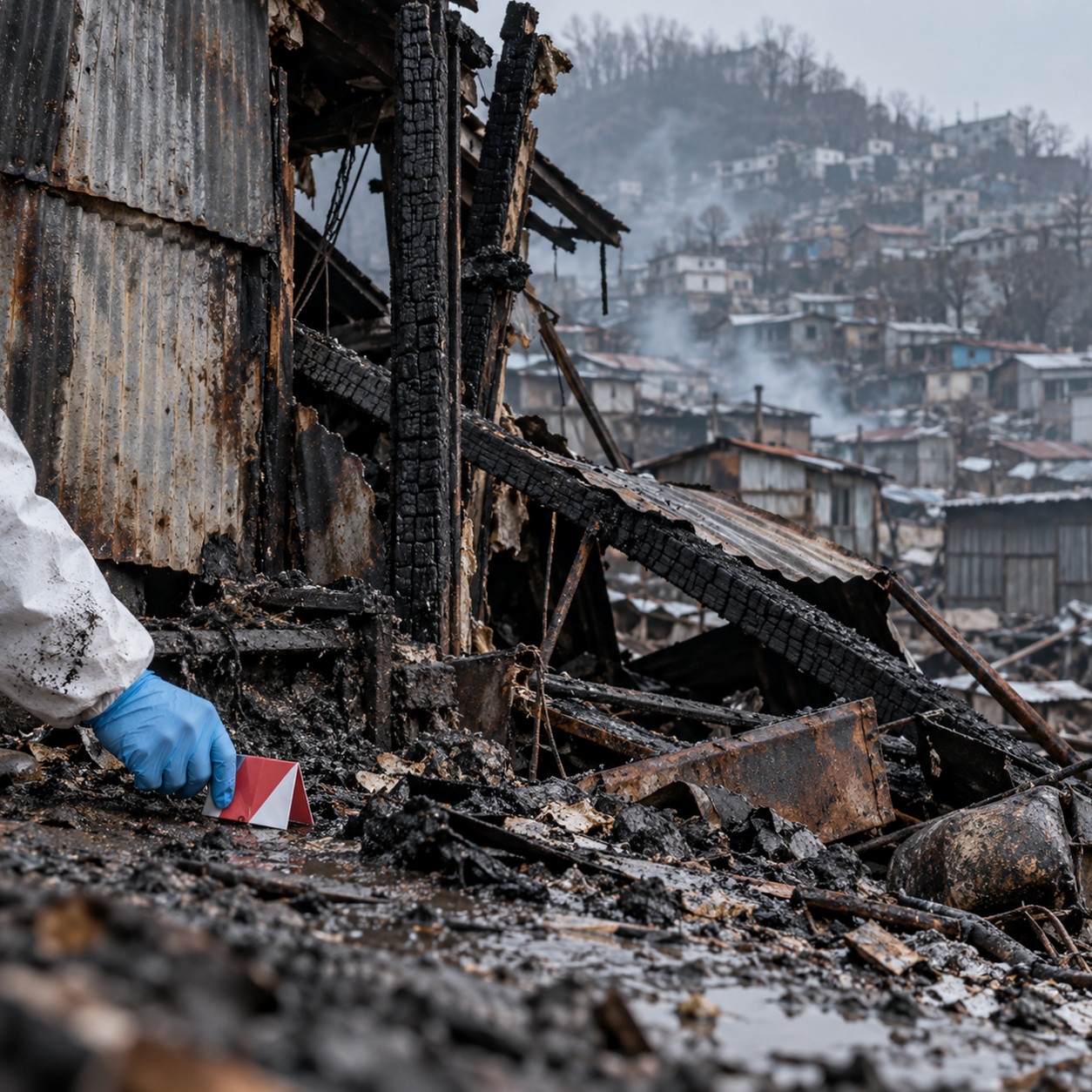
As we enter winter and dry weather persists, news regarding the fire risks in aging residential areas particularly stands out. After a major fire broke out in Guryong Village in Gaepo-dong, Gangnam-gu, Seoul last January, rumors quickly spread on online communities that someone had deliberately started the fire to expedite redevelopment.
In this article, we summarize the facts regarding whether the arson theory matches the actual investigation results and how the redevelopment of Guryong Village has been related to the fire.
Why did rumors of arson spread regarding the Guryong Village fire?
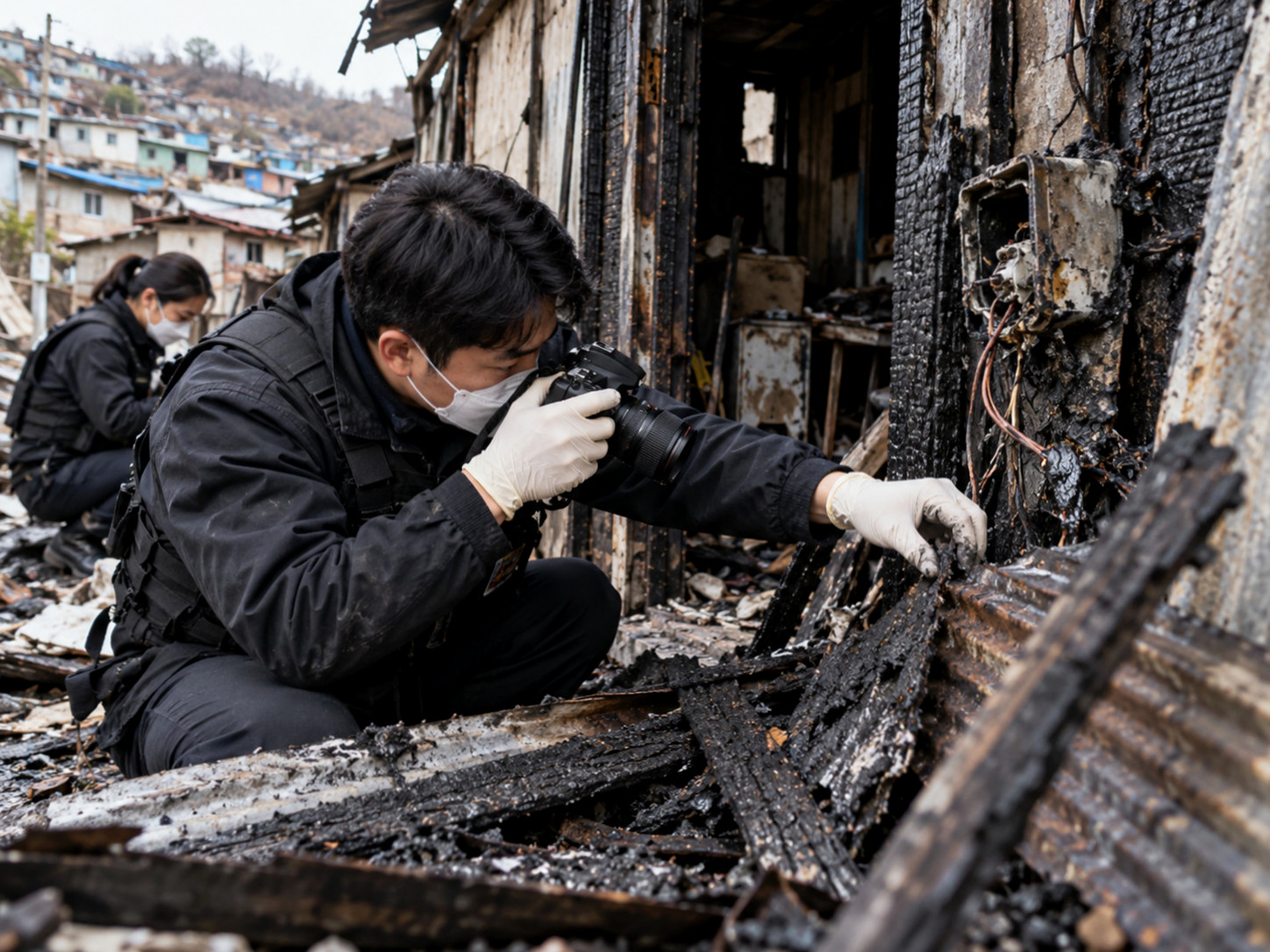
Guryong Village is an area where talk of redevelopment has been circulating for years due to its dilapidated living environment. When a major fire broke out in such a place, speculation naturally followed that the fire was started to rush the development.
However, the background behind the spread of speculation and the actual investigation results are separate issues. Let's examine the details of the official investigation in the next section.
Arson confirmed by joint forensic investigation results
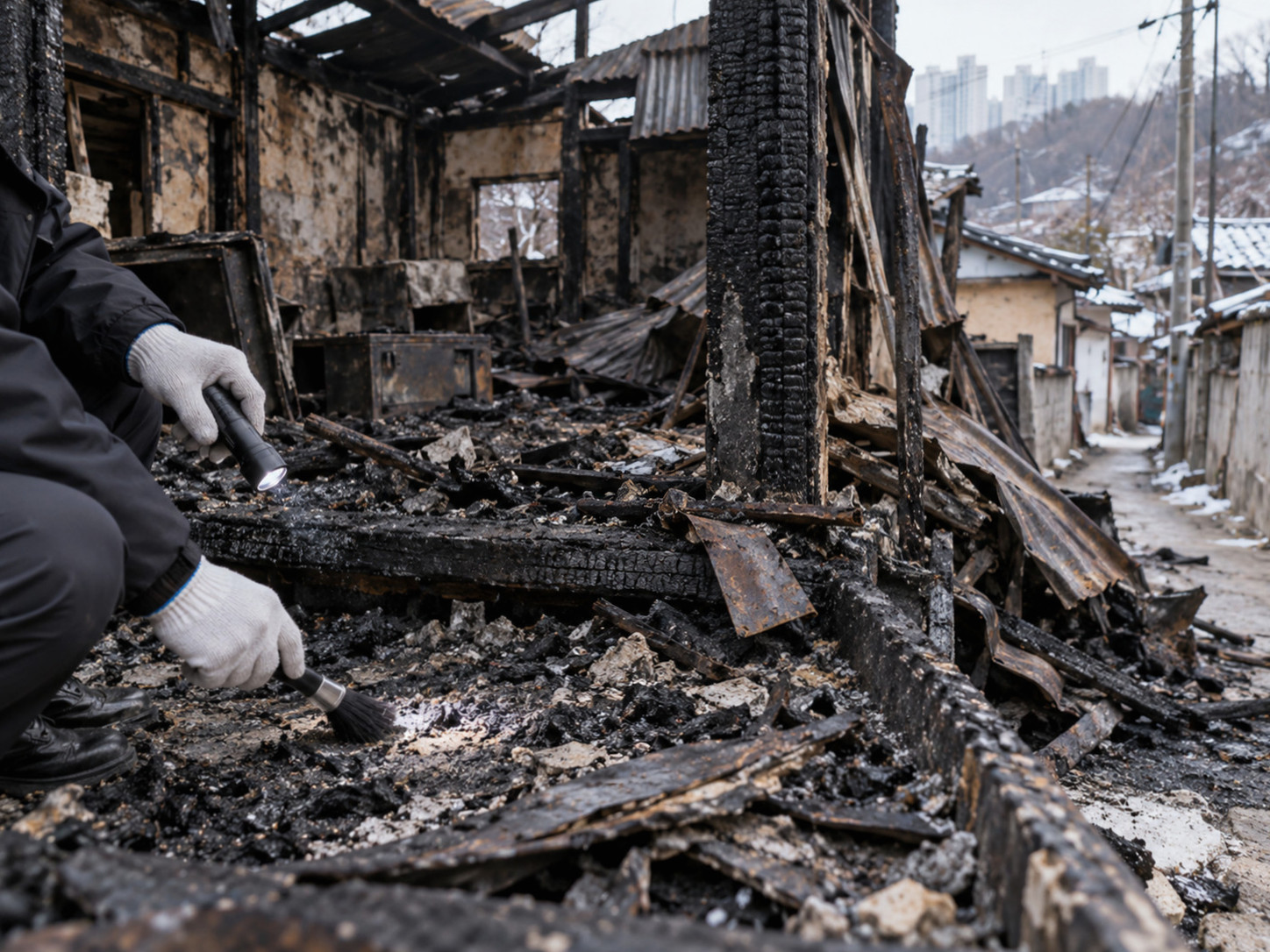
The joint investigation conducted by the police, fire department, and the Korea Electrical Safety Corporation found no circumstances suggesting arson. This should not be interpreted to mean that arson has been definitively ruled out, but rather that no evidence supporting arson emerged at the time of the investigation.
The fire broke out in District 4 of Guryong Village around 5:00 AM on January 16, 2026. The flames spread to surrounding districts, and it took approximately 8 hours to be completely extinguished.
129 households and 181 residents lost their homes due to this fire, but fortunately, there were no fatalities or serious injuries.
Subsequently, a joint investigation conducted on January 19 focused on the area near the village hall in District 4, known as the suspected site of initial ignition. Although the investigation examined various possibilities, including electrical factors and flammable materials, no official results clearly confirming the cause of the fire have been confirmed.
Structural reasons for the recurring fires in Guryong Village
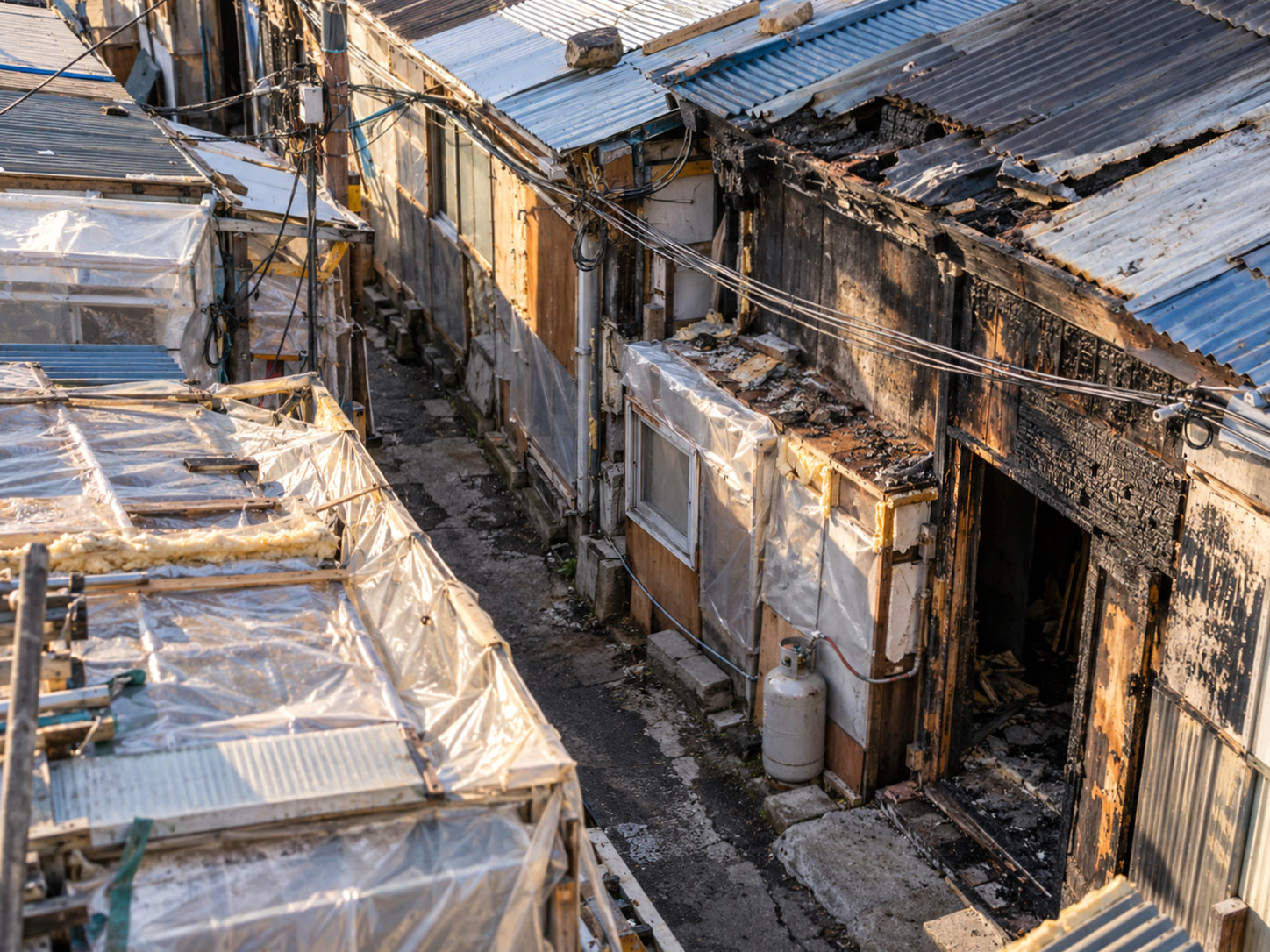
The reason fires in Guryong Village spread rapidly whenever they break out can be explained regardless of whether arson occurred. The structure is such that fire can easily spread because temporary buildings constructed with flammable materials such as vinyl, plywood, and styrofoam are densely packed.
It is also pointed out that the narrow gaps between buildings and limited passageways make it difficult for fire trucks to enter and extinguish fires quickly. Furthermore, the combination of complex electrical wiring, heating facilities, and LPG containers creates an environment where even a small spark can lead to a major fire.
For reference, there was also a fire in Guryong Village in January 2023 that burned down about 60 houses. At the time, the fire authorities suggested the possibility of electrical factors in their initial investigation, but this was limited to the 2023 incident and cannot be directly linked to the cause of the fire in 2026.
The redevelopment process was already underway before the fire.
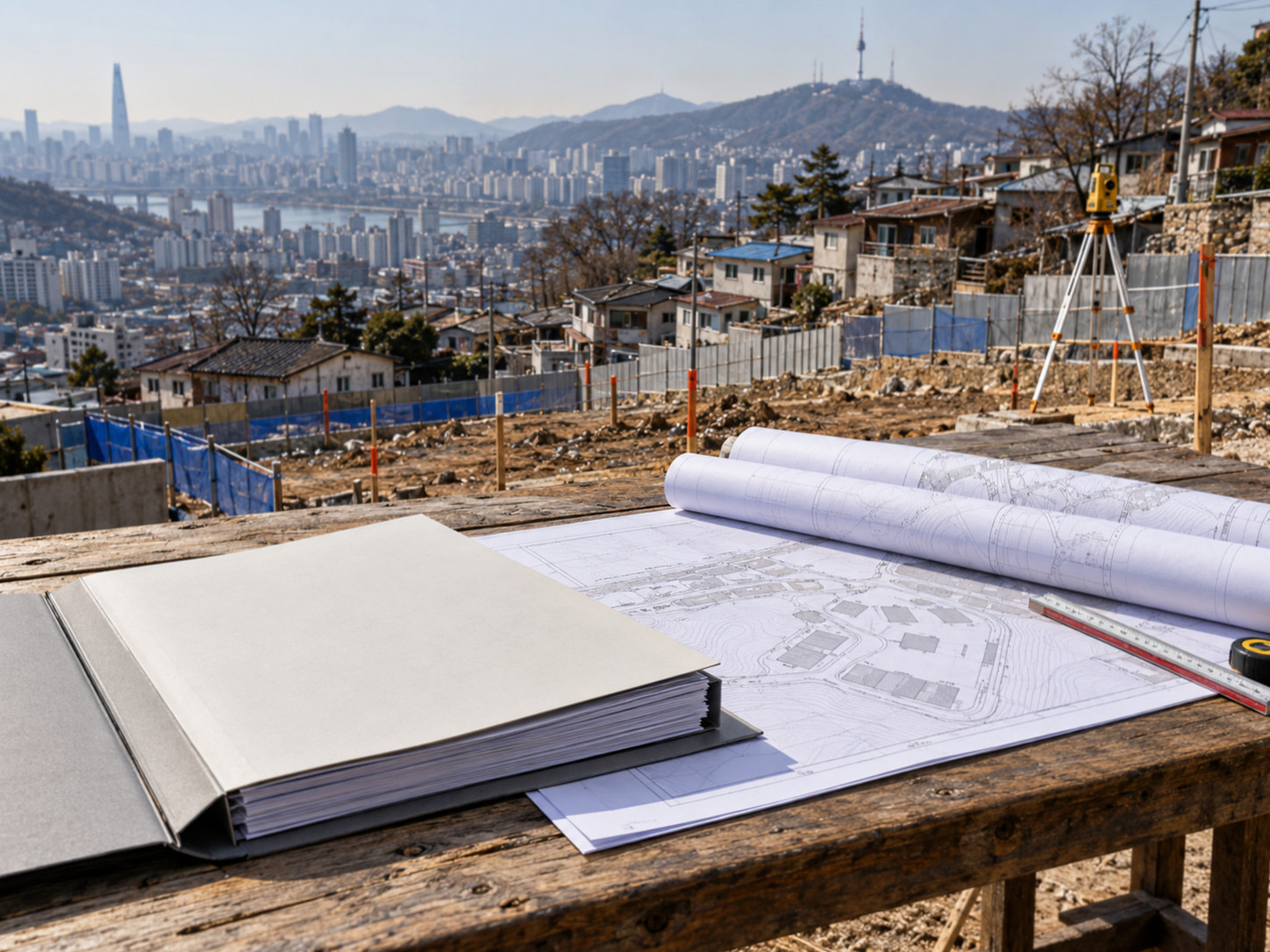
The Guryong Village redevelopment is a project that has been progressing through stages for a long time, unrelated to this fire. The implementation plan for the urban development project was approved in June 2020, and in December 2025, prior to the fire, a revised development plan for a total of 3,739 households was conditionally approved by the Urban Planning Committee.
In July 2026, following the fire, the Seoul Metropolitan Government Public Housing Integrated Deliberation Committee conditionally approved a supply plan for a total of 2,120 units, comprising 300 units in Block M and 1,820 units in Block B2. However, this should be viewed as a decision that is a continuation of the existing procedures.
Given that the licensing process continued uninterrupted both before and after the fire, the premise that "development could only begin after starting a fire" contradicts the facts. While the project goals are known to be groundbreaking in 2027 and completion in 2031, passing the review does not mean groundbreaking, and detailed plans are subject to change.
Conflict between residents and authorities following the fire
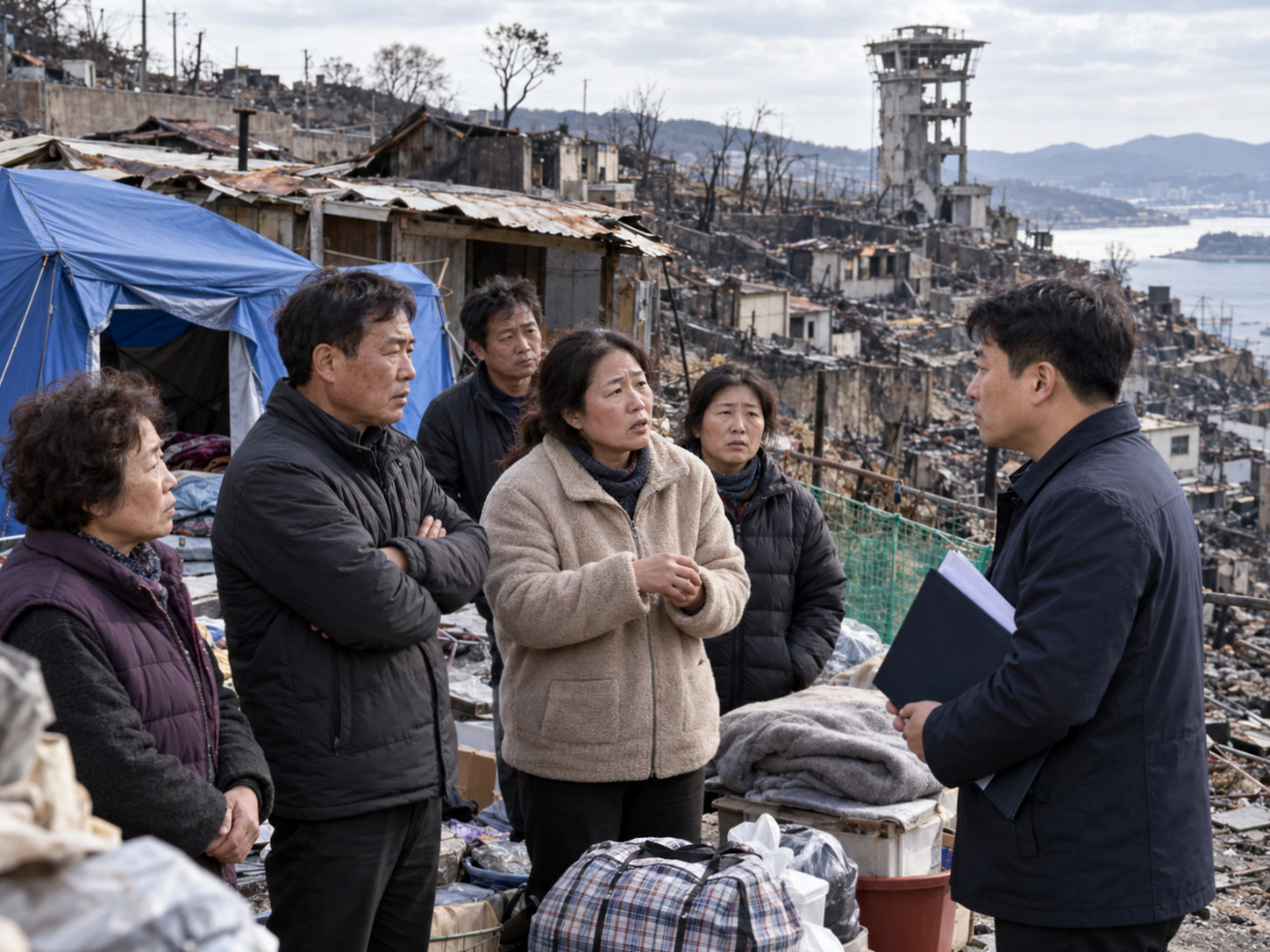
The Seoul Housing and Urban Development Corporation (SH) provided temporary public housing to residents who lost their homes due to the fire and offered support such as rent reductions ranging from 60 to 1001 depending on income levels. However, there were also voices stating that support for temporary housing alone would not resolve issues regarding long-standing livelihoods and compensation.
Some residents demanded substantial compensation, such as the right to purchase housing or land, while SH maintained the position that it was difficult to guarantee housing rights exceeding legal standards to residents of unauthorized buildings. During this process, in August 2026, three residents living in tents were sued by SH on charges of obstruction of business, and on September 18, 2026, a watchtower located at the entrance of the village was demolished by court enforcement.
Apart from the arson allegations, the conflict between residents and authorities over relocation and compensation is still an ongoing issue.
Why Should Arson Allegations and the Legitimacy of Redevelopment Be Distinguished?
“Whether the fire was arson is a matter to be verified within the realm of investigation and forensic analysis by the police and fire department, while the legitimacy of the redevelopment is a matter to be addressed within the scope of relocation and compensation procedures. If these two issues are conflated, it is easy to reach a conclusion that differs from the facts.
“The fact that ”fires occur repeatedly“ does not in itself serve as evidence that ”fires were started systematically.“ Furthermore, the fact that ”development was in progress“ and the claim that ”fires were intentionally started for the sake of development” are matters of completely different levels of proof.
Considering that the development plan existed prior to the fire, it can be argued that the situation did not require starting a fire to begin the project. Ultimately, to properly understand this matter, it is necessary to examine the investigation results regarding the cause of the fire and the policy discussions surrounding resident relocation and compensation separately.
Guryong Village Fire: Summary of Confirmed Facts So Far
The arson theory surrounding the fire in Guryong Village remains a speculation not supported by the results of the joint investigation. On the other hand, the redevelopment process has proceeded steadily since its approval in 2020, regardless of the fire, and this trend continued even after the fire.
When dealing with this issue, it is helpful to understand the facts accurately by separating the official investigation results regarding the cause of the fire from the conflict surrounding resident relocation and compensation into distinct tracks.
Frequently Asked Questions about the Guryong Village Fire
Q1. Has the fire in Guryong Village been confirmed as arson?
The joint forensic investigation did not confirm any signs of arson. However, this is based on the standards at the time of the investigation, and no official investigation result has been confirmed regarding the final cause of the fire.
Q2. Is the rumor true that the fire was intentionally started because of the redevelopment?
The redevelopment project was already underway since the implementation plan was approved in 2020, prior to the fire. This rumor lacks grounds, given that the project could not have started only after a fire occurred.
Q3. What is the reason why fires frequently spread significantly in Guryong Village?
This is because temporary structures built with flammable materials such as vinyl, plywood, and styrofoam are densely packed and the distances between buildings are narrow. Complex electrical wiring and LPG containers are also cited as factors that increase the risk of fire spread.
Q4. Are the 2023 fire and the 2026 fire caused by the same factor?
In the fire in January 2023, approximately 60 houses were destroyed, and while the possibility of electrical factors was suggested at the time, this is limited to the 2023 incident. There is no basis to view it as having the same cause as the fire in 2026.
Q5. What support did the residents receive after the fire?
The Seoul Housing and Urban Development Corporation (SH) provided temporary public housing and reduced rent by 60 to 1001 depending on income. However, conflicts with residents demanding substantial compensation, such as the right to purchase, continue.