The Complete Guide to Underarm Odor Management
1. The real reason why underarm odor occurs
Underarm odor doesn't come directly from sweat itself. Most sweat is colorless and odorless, but underarms are special sweat glands called apocrine glands, and the proteins and lipids they secrete come into contact with bacteria on the skin surface, creating an odor. Bacteria break down these nutrients, producing short-chain fatty acids and ammonia-based substances, which are at the heart of body odor we find unpleasant. Therefore, even when sweating the same amount, the intensity of the odor varies from person to person. This is due not only to the composition of the sweat but also to the microbes that inhabit the skin. In other words, the core of the problem lies not in removing sweat, but in managing bacteria.
2. Differences in odor depending on the type of sweat
The human body has two main types of sweat glands. Eccrine glands, found throughout the body, secrete clear sweat for body temperature regulation and are virtually odorless. Apocrine glands, concentrated in areas like the armpits and groin, produce a thicker secretion mixed with fat and protein. While initially odorless, these secretions develop a characteristic body odor when broken down by bacteria on the skin. The intensification of body odor after puberty is also due to the increased activity of apocrine glands. Therefore, the key to managing body odor is not to block eccrine sweat, but to reduce the contact between apocrine secretions and bacteria.
3. Why does the smell linger even after showering?
“People who complain, "I wash every day, but I still smell," often have a problem with their showering routine. Simply rubbing with soap or body wash doesn't completely remove the sebum and bacterial film that lingers between the armpit folds. Furthermore, if moisture remains after a shower, bacteria can quickly multiply. In particular, the habit of roughly drying off with a towel and immediately putting on clothes is a surefire way to relapse. After showering, it's essential to thoroughly dry your body with a hairdryer or fan. Changing just this one step can significantly reduce the duration of odor.
4. Difference between Deodorant and Antiperspirant
Many people confuse these two products. Deodorants neutralize or mask existing odors with fragrance. Antiperspirants, on the other hand, temporarily block sweat glands, reducing sweat production. For severe odors, deodorants alone may not be effective; using them in conjunction with an antiperspirant, which reduces sweat production, can be effective. However, those with sensitive skin may experience irritation, so it's best to test a small area at night before use.
5. The impact of shaving and hair removal on care
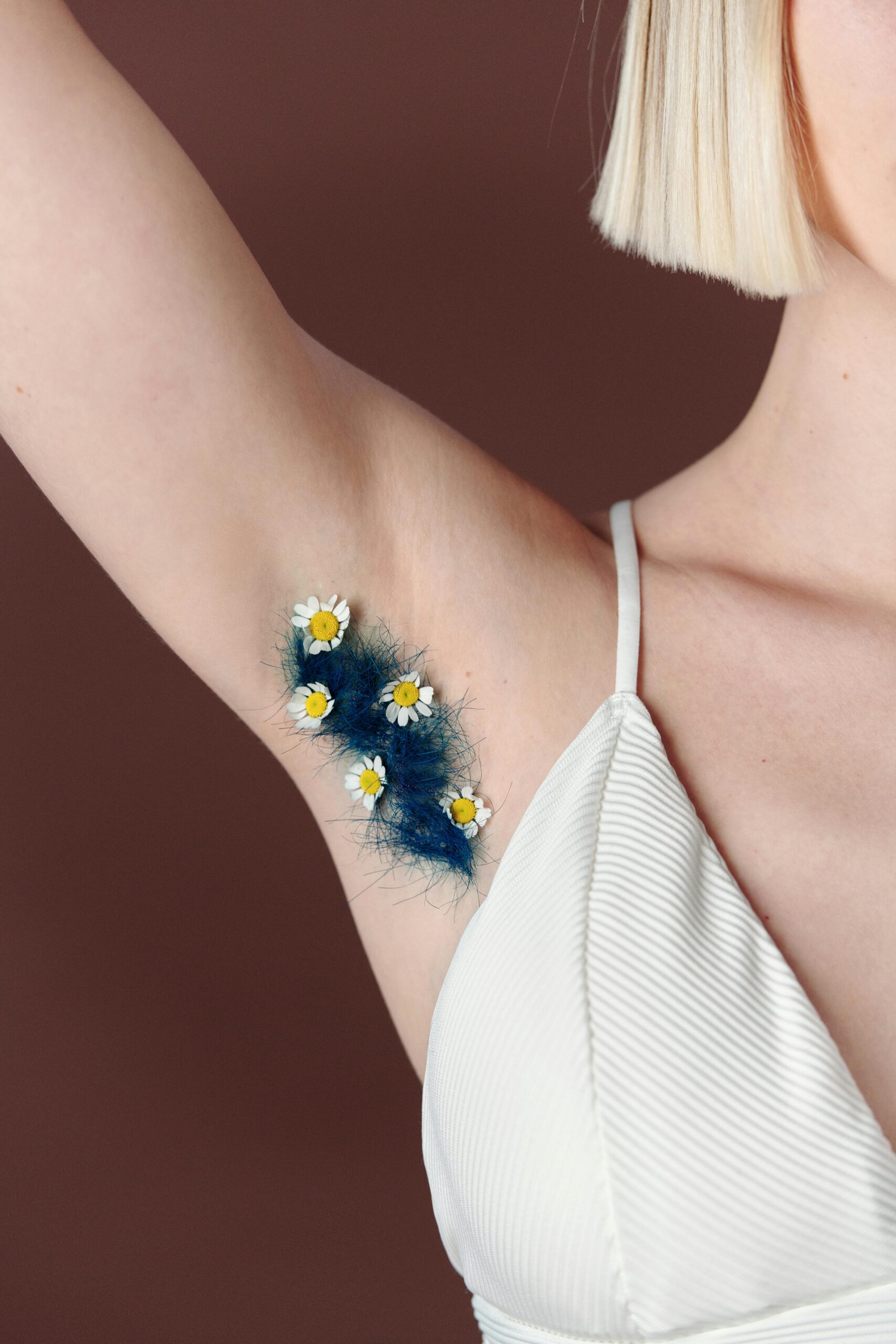
Underarm hair creates a structure where bacteria can easily cling and sweat and secretions can accumulate. The more hair there is, the better the environment for bacteria to thrive, resulting in a more persistent odor. This explains why shaving reduces odor. However, shaving can cause cuts and cuts, which increases the risk of infection, so it's crucial to moisturize and soothe the area after shaving. Even if you don't completely remove the hair, simply trimming it regularly can significantly reduce odor.
6. The effect of clothing material on odor
Even with the same amount of sweat, the degree to which odor lingers varies greatly depending on the material. Synthetic fibers like polyester prevent sweat from drying quickly and, because their structure easily attracts bacteria, cause lingering odors. On the other hand, absorbent and breathable fabrics like cotton, rayon, and bamboo absorb and dry sweat quickly, reducing odor. Especially in summer, breathable natural fibers are often more effective at controlling body odor than functional sportswear.
7. Why it gets worse in summer
As temperatures rise, sweat production increases to regulate body temperature, and as humidity increases, the skin surface becomes less likely to dry. This environment is ideal for bacterial growth. Furthermore, summer brings increased activity levels and sweat can easily build up even after showering, making skin care more challenging. During this time, it's important to dry your skin more frequently than usual. Simply wiping it with a wet tissue or dry towel several times a day and drying it thoroughly can prevent body odor buildup.
8. Eating habits contribute to bad breath.
Body odor isn't just created by the skin; it's also intensified when the food we eat is excreted through sweat. Garlic, onions, caffeine, and alcohol are among the most common foods that increase odor-causing compounds during metabolism. Conversely, hydrating and maintaining a diet rich in vegetables and fruits dilutes sweat and reduces odor intensity. In other words, odor control begins not just in the bathroom or shower, but at the dinner table.
9. A management routine you can implement right at home.
In the morning, start with a three-step routine: showering, drying thoroughly, applying a small amount of antiperspirant, and choosing breathable clothing. While out and about, if you feel sweaty, wipe it off with a tissue or dry towel, let it dry briefly, and then reapply deodorant. Upon returning home, shower immediately and apply a gentle moisturizer to the shaved area to restore the skin barrier. Maintaining this routine for just a week will significantly reduce odor.
10. If hospital treatment is required
If the odor doesn't subside with routine care or is severe enough to interfere with social interactions, you should consider the possibility of hyperhidrosis or bromhidrosis. In these cases, hospitals can recommend personalized options, including medication, Botox injections, and laser treatment. The key is to accurately identify the cause through professional consultation rather than trying to resolve the issue on your own. A prompt diagnosis and tailored treatment can significantly improve your quality of life.