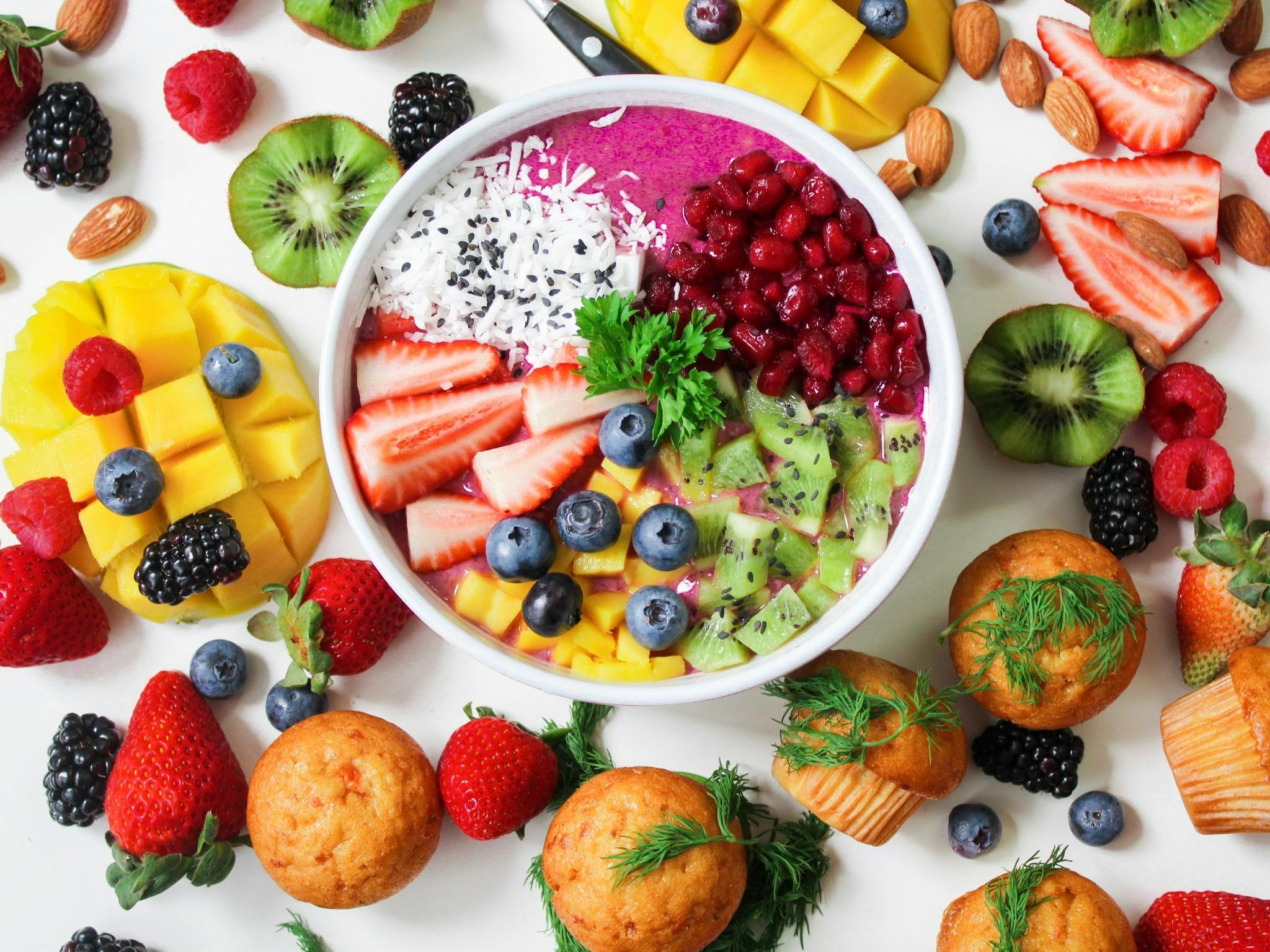
What Is a Healthy Diet and How to Practice It: The 2026 Guide
Living in a busy modern society, we constantly worry about our health. In particular, what we eat and how we eat are key factors in determining our health and quality of life. However, amidst the overflow of information, what defines a healthy diet? Finding a clear answer to this fundamental question can be challenging. Are you tired of fad diets? Or are you seeking healthy eating habits that go beyond simple weight loss and promote sustainable health?
In 2026, healthy eating trends will go beyond simple weight loss and focus on long-term health, the environment, and personalized nutrition management. This guide will cover everything from a clear definition of a healthy diet to the key elements of a balanced diet, the five major nutrients and recommended intake ratios, and the latest trends. We'll also delve into common misconceptions and truths about healthy eating, along with practical meal planning and implementation methods tailored to Korean eating habits. We hope this article provides a solid guide to your healthy life.
Basic definitions and concepts of a healthy diet
Many people misunderstand a healthy diet as simply "weight loss" or "unpalatable food." However, the answer to the question, "What is the definition of a healthy diet?" is much more comprehensive and positive. A healthy diet is a balanced diet that provides all the essential nutrients our bodies need, optimizing bodily functions, preventing disease, and improving our overall quality of life. It goes beyond simple food intake and encompasses a holistic approach to the types, amounts, methods, and timing of food consumed.
The core concepts are balance, variety, and moderation. First, a balanced diet means consuming a balanced diet that includes not only the three major nutrients—carbohydrates, protein, and fat—but also micronutrients like vitamins and minerals. Second, variety means consuming a variety of foods, rather than focusing on specific food groups, to obtain a variety of nutrients and enhance the enjoyment of eating. Finally, moderation refers to reducing the intake of excessive sugar, salt, saturated fat, and trans fat, and maintaining appropriate amounts to reduce health risks.
Ultimately, a healthy diet goes beyond short-term weight loss goals and serves as the foundation for healthy eating habits that support long-term health and disease prevention. It also serves as the starting point for personalized nutritional management, which can vary based on individual age, gender, activity level, and health status. When we receive adequate nutrition, we experience greater energy, a stronger immune system, and even improved mental health. In 2026, understanding and practicing a healthy diet from this holistic perspective will become even more important.
Key components of a balanced diet
Maintaining a balanced diet is the most fundamental foundation for a healthy life. It's important to consume not just "healthy" foods, but also the right proportions of essential nutrients from a variety of food groups. Key nutrients can be broadly categorized as carbohydrates, proteins, fats, vitamins, minerals, and water. When these elements are harmoniously combined, our bodies function optimally.
First, carbohydrates are our body's main source of energy. However, it's important to choose complex carbohydrates like whole grains (brown rice, oats, quinoa), whole-wheat bread, sweet potatoes, and potatoes over refined carbohydrates (white rice and wheat flour). Complex carbohydrates are rich in fiber, which slowly raises blood sugar and keeps you feeling full longer. Next, protein is essential for building body tissues like muscles, enzymes, and hormones, and for strengthening the immune system. Consume high-quality protein from a variety of sources, including chicken breast, fish, tofu, beans, and eggs.
Healthy fats play a crucial role in cell membrane structure, hormone production, and vitamin absorption. Focus on unsaturated fats like avocados, nuts, seeds, olive oil, and oily fish (omega-3), and limit saturated and trans fats. Vitamins and minerals are trace nutrients that support our body's metabolic processes, and it's important to consume them through a variety of vegetables and fruits. Eating a variety of colorful vegetables and fruits provides a variety of vitamins, minerals, and antioxidants.
Finally, water is essential for life and is involved in all bodily functions, including body temperature regulation, nutrient transport, and waste excretion. It's recommended to develop healthy eating habits, consistently drinking at least 1.5 to 2 liters of water daily. Understanding the unique nutrients of each food group and combining them harmoniously is the essence of a truly healthy diet. In 2025, a more nuanced approach that considers individual characteristics, building on these fundamental principles, is essential.
Five Major Nutrients and Recommended Intake Ratios
To maintain optimal health, our bodies need a balanced intake of the five major nutrients: carbohydrates, protein, fat, vitamins, and minerals. Each nutrient has a unique role, and their ratio significantly impacts our health. In particular, the three major nutrients—carbohydrates, protein, and fat—are our body's energy sources and structural components, so understanding their recommended intake ratios is key to creating a healthy diet.
Carbohydrates: The main source of energy
Carbohydrates are our body's primary energy source and are essential for brain function and muscle activity. It's generally recommended to consume 55 to 651 TP3T of your total daily energy intake from carbohydrates. The key here is the type of carbohydrate. Choose complex carbohydrates rich in fiber, such as brown rice, whole wheat, oats, and sweet potatoes, rather than simple carbohydrates like white rice and sugary processed foods. This helps prevent blood sugar spikes and provides sustained energy.
Protein: The Key to Body Building and Recovery
Protein is essential for building body tissues like muscles, skin, hair, and nails, and is involved in the production of hormones and enzymes. It's also essential for boosting immunity. It's generally recommended that you consume 15-201 TP3T of your total energy intake as protein. You may want to increase your intake, especially if you're active or aim to increase muscle mass. It's recommended to consume a balanced protein intake through a variety of high-protein foods, such as chicken breast, fish, beans, tofu, eggs, and nuts.
Fat: Essential energy store and maintenance of function
Fat is not only a concentrated source of energy, but is also essential for various bodily functions, including cell membrane formation, fat-soluble vitamin absorption, and hormone production. It is recommended that 15 to 301 Tbsp of total energy intake come from fat. The type of fat is also important. Unsaturated fats found in olive oil, avocados, nuts, and oily fish are beneficial for cardiovascular health, while saturated fats in red meat and trans fats in processed foods should be limited.
Vitamins and Minerals: Regulators of Body Function
Vitamins and minerals, even in trace amounts, are essential for regulating various physiological functions, including metabolism, immune function, and growth and development. Because most of these nutrients aren't produced by the body, we must consume them adequately through a variety of foods, including colorful vegetables, fruits, seaweed, and dairy products. A healthy diet ensures that you get all of these trace nutrients.
These nutrient ratios can be adjusted flexibly depending on an individual's age, gender, activity level, and health status. The key is to avoid focusing on just one nutrient and strive for a balanced intake of all five major nutrients, while maintaining healthy eating habits. This will allow our bodies to function optimally and protect us from disease.
Healthy Diet Trends and Changes in 2026
As interest in health grows, dietary trends are also rapidly changing. By 2026, we expect to see a greater emphasis on sustainable health, the environment, and personalized approaches, beyond simple weight loss. Now is the time to explore the new wave of healthy eating habits that transcend the fad diets of the past.
Slow-Aging Diet: Stay Young and Healthy
One of the most notable trends in 2026 is the slow-aging diet. This diet focuses on slowing aging and extending healthy lifespan, emphasizing the consumption of antioxidant and anti-inflammatory foods. Key food groups include whole grains, berries, green vegetables, nuts, olive oil, and omega-3-rich fish, while minimizing processed foods and sugar intake. It is gaining attention as a healthy diet that supports cellular health, reduces inflammation, contributes to the prevention of chronic diseases, and enhances overall vitality.
Sustainable eating and plant-based diet, flexitarian
With growing awareness of climate change and environmental issues, sustainable eating is emerging as a key topic. This refers to a lifestyle that considers the environmental, social, and economic impacts of the entire food chain, from production to consumption and disposal. Amidst this trend, plant-based diets and flexitarianism (semi-vegetarianism) are gaining significant traction. Flexitarianism, a flexible diet that primarily focuses on vegetarianism but occasionally includes meat or fish, aligns well with the values of modern people who pursue both sustainability and health. Reducing meat consumption and increasing the intake of vegetables, fruits, legumes, and whole grains not only protects the environment but also has positive effects on personal health, including the prevention of cardiovascular disease.
Health Intelligence (HQ) and personalized nutrition management
In 2026, the emphasis will be on health intelligence (HQ), which allows people to better understand their bodies and manage their own health. This will include finding personalized nutritional solutions based on individual biometric data, utilizing genetic testing, microbiome analysis, wearable devices, and more. Beyond the uniform definition of a healthy diet, we are entering an era where nutritional ratios and meal composition tailored to individual characteristics and needs will become increasingly important. Personalized services leveraging technology, such as AI-based diet recommendation apps and personal coaching from nutrition experts, are also expected to expand.
These trends for 2026 will require deeper consideration beyond simply "what to eat," to "how to eat" and "why to eat that way." Healthy eating habits are now evolving beyond personal choice to encompass social and environmental responsibility.
Comparing the Mediterranean Diet and the DASH Diet
Among the numerous healthy diet plans, the Mediterranean diet and the DASH diet are representative models whose effectiveness has been proven through extensive scientific research. These two diets are known to be highly effective in preventing cardiovascular disease and promoting overall health, and will continue to serve as important benchmarks for healthy eating habits in 2026. By examining their characteristics and comparing them, you can help create a diet plan that's right for you.
The Mediterranean Diet: The Secret to Longevity and Heart Health
The Mediterranean diet is based on the traditional eating habits of Mediterranean countries, including Greece and Italy. The core of this diet is as follows:
Rich in vegetables, fruits, and whole grains: Eat fresh vegetables, fruits, and whole grains (brown rice, barley, whole-wheat bread) at every meal. These are rich in fiber, vitamins, minerals, and antioxidants. Healthy fats: Olive oil is the primary source of fat, often used in cooking and as a salad dressing. Nuts, seeds, and avocados are also important sources of healthy fats. Fish and seafood: Focus on fish and seafood over red meat as your primary source of protein, especially fatty fish (mackerel, salmon), which are rich in omega-3 fatty acids. Legumes and dairy: Legumes (lentils, chickpeas) provide protein and fiber, and dairy products like yogurt and cheese are consumed in moderation. Wine in moderation: Moderate red wine with meals is optional, but alcohol consumption is not recommended for health reasons. Meat and processed foods in moderation: Eat small amounts of red meat and avoid processed foods, sugar, and refined grains.The Mediterranean diet offers a variety of health benefits, including a reduced risk of cardiovascular disease, improved brain function, diabetes prevention, and a reduced risk of some cancers, and may even be considered a form of slow-aging diet.
The DASH Diet: The Best Choice for Blood Pressure Management
The DASH diet (Dietary Approaches to Stop Hypertension) is a diet developed to prevent and manage high blood pressure. It focuses on lowering blood pressure and follows these principles:
Reduce sodium (salt) intake: Aim to reduce sodium intake to less than 2,300 mg (about 1 teaspoon of salt) per day, with a further reduction recommended to 1,500 mg. Increase potassium, calcium, and magnesium intake: Emphasize eating foods rich in these minerals, which play an important role in blood pressure control. Rich in vegetables and fruits: Eat plenty of fresh vegetables and fruits every day to get fiber and minerals. Low-fat dairy: Supplement your calcium intake with low-fat or fat-free dairy. Whole grains: Whole grains provide fiber and several minerals. Lean protein: Favor lean protein sources such as chicken, fish, and beans. Healthy fats: Eat healthy fats in moderation, such as nuts, seeds, and vegetable oils. Limit sugar and saturated fat: Strictly limit sugar-sweetened beverages and foods, as well as processed foods high in saturated fat.The DASH diet can help manage high blood pressure, improve cholesterol levels, reduce insulin resistance, and promote weight loss.
Comparing the Mediterranean and DASH Diets
Both diets emphasize vegetables, fruits, whole grains, and healthy fats, while limiting processed foods and sugar. The difference is that the DASH diet focuses specifically on limiting sodium intake and increasing potassium, calcium, and magnesium intake, while the Mediterranean diet prioritizes healthy fats from olive oil and fish. Depending on your health goals (e.g., improving heart health or managing blood pressure), you can choose either diet or combine the strengths of both to create a healthy diet tailored to Koreans. Ultimately, the key is to develop sustainable, healthy eating habits.
How to Create a Healthy Diet for Koreans
The definition of a healthy diet can vary depending on cultural background. While Western dietary models are excellent, adapting them to Korean eating habits and constitution is more effective. The traditional Korean diet, with its emphasis on vegetables, grains, and fermented foods, offers significant advantages for a healthy diet. However, modern dietary habits have shifted toward salty and stimulating foods, leading to the problem of excessive sodium intake. Therefore, by 2025, it is crucial to develop a healthy diet that meets the Korean Nutrition Intake Standards, capitalizing on Koreans' strengths while addressing their weaknesses.
Maximizing the Benefits of the Korean Diet
The traditional Korean diet is rich in vegetable-based side dishes, and fermented foods like kimchi, doenjang, and gochujang are beneficial for gut health. Furthermore, a diet rich in whole grains, with rice as the staple, and protein from beans, tofu, and fish already have the potential to provide a balanced nutrient profile. Actively leveraging these benefits is the first step toward healthy eating habits.
Reduce sodium intake
The most urgent improvement is reducing sodium intake. Soup-based dishes (stews, soups), kimchi, and fermented sauces tend to be high in sodium. Efforts should include focusing on soups with dried ingredients, using lightly seasoned or fermented kimchi, and using low-sodium fermented sauces. By using vegetables for wrapping and fresh seasonal vegetables, you can enjoy rich flavor and nutrition without consuming too much sodium.
Korean application of the 211 diet
The 211 diet helps you visualize and implement a balanced diet by filling half your plate with vegetables, a quarter with protein, and a quarter with carbohydrates. Here's how you can apply this to your Korean diet:
Rice (Carbohydrates): Fill one-quarter of your bowl with whole grains like brown rice or mixed-grain rice. Protein: Fill one-quarter with a variety of protein side dishes, such as chicken breast, fish, tofu, soybean paste stew, or steamed eggs. Vegetables: Fill the remaining half with colorful vegetable side dishes, such as kimchi, namul, wrap vegetables, and salad.This way, you can consume a balanced diet of the five major nutrients while also increasing your vegetable intake. Furthermore, given the nature of Korean cuisine, which often features a variety of side dishes, it's better to prepare a variety of side dishes with light seasonings rather than overdoing one dish with too much seasoning.
Making Healthy Choices When Snacking and Eating Out
For snacks, opt for fruits, nuts, and plain yogurt instead of sweets or processed foods. When dining out, prioritize ssam bap (rice wraps), grilled dishes, and the dried ingredients in stews over high-sodium options. When refilling side dishes, ask for vegetables instead. Applying the principles of a slow-aging diet to Korean cuisine, consuming plenty of fermented foods and fresh vegetables while minimizing unnecessary processed foods is the optimal healthy eating habit for Koreans.
Daily Nutrient Intake Reference Intake and Calculation Method
To create a healthy diet, it's important to go beyond simply eating "healthy foods." It's crucial to understand your individual daily nutrient intake requirements and plan your meals based on those values. In 2026, personalized nutrition management will become even more important, so understanding basic intake guidelines and calculation methods will become an essential part of healthy eating habits.
Understanding Korean Dietary Reference Intakes (KDRIs)
The Korean Dietary Reference Intakes (KDRIs), established by the Ministry of Health and Welfare and the Korean Nutrition Society, are crucial guidelines for nutrient intake to promote national health and prevent chronic diseases. These guidelines provide detailed recommendations for the three major nutrients—energy (calories), carbohydrates, protein, and fat—as well as micronutrients like vitamins and minerals, based on age, gender, and physical activity level. The first step is to determine the appropriate intake for your age, gender, and activity level.
Energy Requirements: This is the total number of calories you need per day. This is calculated by adding together your basal metabolic rate, activity metabolic rate, and diet-induced caloric value, and varies depending on your height, weight, age, sex, and activity level. Adequate Ratios of Carbohydrates, Protein, and Fat: KDRIs suggest the appropriate ratio of each nutrient to your total energy intake. For a typical adult, it is recommended to consume within the range of 55-651 tbsp./3t. of carbohydrates, 15-201 tbsp./3t. of protein, and 15-301 tbsp./3t. of fat. (Detailed in Section 3 above) Vitamin and Mineral Recommendations: The recommended intake of each vitamin (A, C, D, etc.) and mineral (calcium, iron, zinc, etc.) helps prevent problems caused by deficiency or excess.How to Calculate Your Daily Nutrient Intake
Calculating your exact nutrient intake can be complicated, but a basic guide can help you get a rough idea.
Calculate daily recommended calories considering activity level: Search for 'Basal Metabolic Rate Calculator' or 'Activity Metabolic Rate Calculator' online, input your age, gender, height, and weight, and select your activity level (sedentary, moderate activity, high-intensity activity, etc.) to get an approximate daily calorie requirement. Set target amounts for the three major nutrients: Based on the calculated calories, apply the recommended nutrient ratio (carbohydrate 55%, protein 20%, fat 25%, etc.) to calculate the target calories for each nutrient. Carbohydrate 1g = 4kcal Protein 1g = 4kcal Fat 1g = 9kcal Example: If you consume 2000kcal, your target amounts could be 1100kcal (275g) of carbohydrates, 400kcal (100g) of protein, and 500kcal (about 55g) of fat. Use a food logging app: These days, many smartphone apps (e.g., MyFitnessPal, Noom, etc.) automatically calculate nutrient content by inputting the types and amounts of food you eat. You can use these apps to record your intake and compare it to your goals. Consult a professional: If you have a specific medical condition or require a more accurate and personalized healthy diet plan, consulting a nutritionist or doctor to develop a professional meal plan is the most reliable option.Through this process, understanding your body's nutritional needs and how much of each they require, and then formulating a balanced diet based on this understanding, is key to sustainable health management beyond simple weight loss. While it may seem complex, it's important to start with small changes and gradually establish healthy eating habits.
The Real Effects of a Healthy Diet and Research Results
The definition of a healthy diet goes beyond mere recommendations; it's a scientifically proven fact that profoundly impacts our bodies and minds. Numerous studies clearly demonstrate the importance of a balanced diet in preventing disease, prolonging life, and improving overall quality of life. Even in 2026, these studies will continue to emphasize the importance of healthy eating habits.
Disease Prevention and Management
Reduces cardiovascular disease: A diet rich in whole grains, vegetables, fruits, and healthy fats, and low in processed foods and red meat, such as the Mediterranean or DASH diets, significantly reduces the risk of cardiovascular disease, including high blood pressure, high cholesterol, and arteriosclerosis. Consuming fish rich in omega-3 fatty acids is particularly beneficial for heart health. Prevents diabetes and regulates blood sugar: A healthy diet that reduces refined carbohydrates and sugars and increases complex carbohydrates and fiber can help reduce blood sugar spikes, improve insulin resistance, and lower the risk of type 2 diabetes. It's also essential for managing blood sugar levels in people who already have diabetes. Reduces the risk of certain cancers: The antioxidants and fiber found in fruits and vegetables reduce DNA damage and inhibit cell mutations, contributing to a lower risk of certain cancers, including colon and breast cancer. This is also a key component of the anti-aging diet. Reduces chronic inflammation: Processed foods, trans fats, and excessive sugar trigger inflammation in the body, but fresh vegetables, fruits, nuts, and olive oil are rich in anti-inflammatory compounds that help prevent and alleviate symptoms of chronic inflammatory diseases.Improved cognitive function and mental health
The brain is one of the most energy-intensive organs in our body, and brain health is significantly influenced by diet. A healthy diet can help reduce the risk of mental health problems such as dementia, depression, and anxiety. In particular, a diet rich in omega-3 fatty acids, antioxidants, and B vitamins plays a crucial role in protecting brain cells and producing neurotransmitters, positively impacting cognitive function and mood stability. Research on the gut-brain axis, the link between gut health and brain health, is further elucidating the impact of a healthy diet on mental health. Consuming fermented foods rich in probiotics can improve the gut microbiome, contributing to improved brain function and mood.
Weight management and energy boosting
A healthy diet is the most effective and sustainable way to maintain a healthy weight. Foods rich in fiber keep you feeling full longer, preventing overeating. A balanced intake of the five major nutrients boosts metabolism and promotes efficient energy use. Consequently, maintaining a consistent healthy diet can help reduce unnecessary body fat and maintain muscle mass, while also significantly reducing chronic fatigue and increasing vitality in daily life. These positive effects provide the clearest answer to the question: What constitutes a healthy diet?.
How to Plan and Stick to Your Diet
While understanding the definition of a healthy diet and recognizing its importance is crucial, the greater challenge lies in actually applying it to your daily life. In 2026, there will be a greater emphasis on realistic meal plans and practices that allow you to maintain healthy eating habits even in busy lifestyles. Don't overthink it; start with small changes and discover your own sustainable approach.
- Set goals and analyze your current eating habits. Set specific goals: Instead of a vague goal like "I'll eat healthy," set specific, achievable goals like "I'll add vegetables to my diet at least three times a week" or "I'll cut down on sugary drinks by one per day." Align your goals with your primary health goals, such as weight loss, blood sugar control, or increased energy.
Record your current eating habits: Record what, how much, and when you eat for several days. This will help you identify your eating patterns and any issues (e.g., excessive snacking, irregular meal times, or nutritional deficiencies). This is the first step toward creating a healthy diet. - Create a weekly meal plan and make a grocery list in advance: Plan and list your groceries for the week in advance to reduce impulse buying and ensure you have the ingredients for a balanced diet.
Plan your meals in advance: Plan your breakfast, lunch, and dinner menus in advance, using principles like the 211 Diet (1/2 vegetables, 1/4 protein, 1/4 carbohydrates). You can also focus on Korean food to meet the Korean Dietary Guidelines.
Use convenience foods: Having pre-cooked meals (meal preps) or healthy convenience foods (salads, whole-grain sandwiches, etc.) on hand for busy days can be a huge help in maintaining your diet. - Effective Practice: Keeping a food diary or using an app: Recording what you eat is a very effective way to objectively assess your eating habits and identify areas for improvement. Apps that automatically calculate nutrient ratios are also useful.
Slow, mindful eating: While eating, put away your smartphone or TV and eat slowly, savoring the taste, aroma, and texture of your food. This increases your feeling of fullness, prevents overeating, and aids digestion.
Drink plenty of water: Drinking at least eight glasses of water a day helps your metabolism and prevents you from sometimes mistaking thirst for hunger.
Start with small changes: Trying to change all your eating habits at once is likely to lead to failure. Start with small goals, such as "drinking water instead of soda once a day," and gradually expand your healthy eating habits.
Make smart choices when eating out: When eating out, make healthy choices, such as choosing salads or other vegetable-rich dishes, asking for dressings on the side to control portion size, and choosing grilled or steamed dishes rather than fried ones.
Share with others: Practicing a healthy diet with family and friends can motivate you and positively influence each other.
A healthy diet is a marathon, not a sprint. It's important to focus on sustainability rather than perfection, and to be flexible enough to start over even if you make mistakes. By consistently planning and practicing your diet, you'll be able to live a healthier and more vibrant life by 2025.
Common Misconceptions and Truths About a Healthy Diet
Misunderstandings about what constitutes a healthy diet often hinder us from starting or maintaining healthy eating habits. The deluge of misinformation in the media and social media adds to the confusion, making "healthy eating" seem like an overwhelming and burdensome task. In 2025, it's crucial to correct these common misconceptions and provide a path to a healthy diet based on truth.
Myth 1: A healthy diet is always expensive.
Truth: While fresh and organic produce can be expensive, there are many inexpensive yet nutritious options. Buying seasonal vegetables and fruits, canned beans, frozen vegetables, and whole grains (brown rice, barley) are both economical and nutritious options. Also, reducing eating out and cooking for yourself is a great way to save money while maintaining a healthy diet. With careful meal planning, you can eat healthily within your budget.
Myth 2: Healthy food doesn't taste good?
Truth: The misconception that healthy food is tasteless often stems from poor cooking methods. Using herbs, spices, and natural seasonings can create rich and delicious dishes using healthy ingredients. Explore a variety of plant-based or slow-aging recipes and you'll discover just how many delicious and healthy foods there are. Discovering new flavors makes healthy eating even more enjoyable.
Myth 3: I have to give up all my favorite foods to eat healthy.
Truth: There's no such thing as a perfect diet, and extreme restrictions can actually lead to binge eating or the yo-yo effect. The key to a healthy diet is moderation and balance. Enjoying your favorite foods occasionally and in moderation can actually help reduce stress and make your diet sustainable. Applying the 80/20 rule (80% for healthy, 20% for free) is also a good idea. It's important to approach your diet flexibly, adjusting your nutrient ratios from a holistic perspective.
Myth 4: Detox juices or eating only certain foods will make you healthy.
Truth: A single food or short-term, specific diet alone cannot lead to lasting health. Juice cleanses or one-food diets may lead to short-term weight loss, but they can lead to imbalances in the five essential macronutrients and be detrimental to health. Our bodies require a variety of nutrients, so consuming a balanced diet with a variety of nutrients, rather than relying solely on specific foods, is the key to long-term health.
Myth 5: If I just take supplements, my diet doesn't matter?
Truth: While nutritional supplements can serve as a supplement when dietary intake is inadequate, they cannot completely replace a healthy diet. Foods provide a variety of nutrients, including fiber, antioxidants, and phytochemicals, that supplements cannot. The synergistic effects of complex nutrients can only be fully achieved through food. The essence of a healthy diet is to nourish your body with nutritious foods.
Only by dispelling these misconceptions and embracing healthy eating habits based on truth can we lay a solid foundation for a healthy and happy life. In 2026, the wisdom to make wise decisions and implement a diet plan that suits you will become even more crucial amidst the flood of information.
What's up Dear, are you truly visiting this site regularly, if so then you will without doubt get good knowledge.
I'd like to find out more? I'd like to find out more details.
Thank you for every other fantastic post. The place else may just anyone get that type of information in such a perfect means of writing?
I have a presentation subsequent week, and I am at the look
for such information.
When I initially commented I clicked the “Notify me when new comments are added” checkbox and now each time a comment is added
I get several emails with the same comment.
Is there any way you can remove me from that service?
Appreciate it!