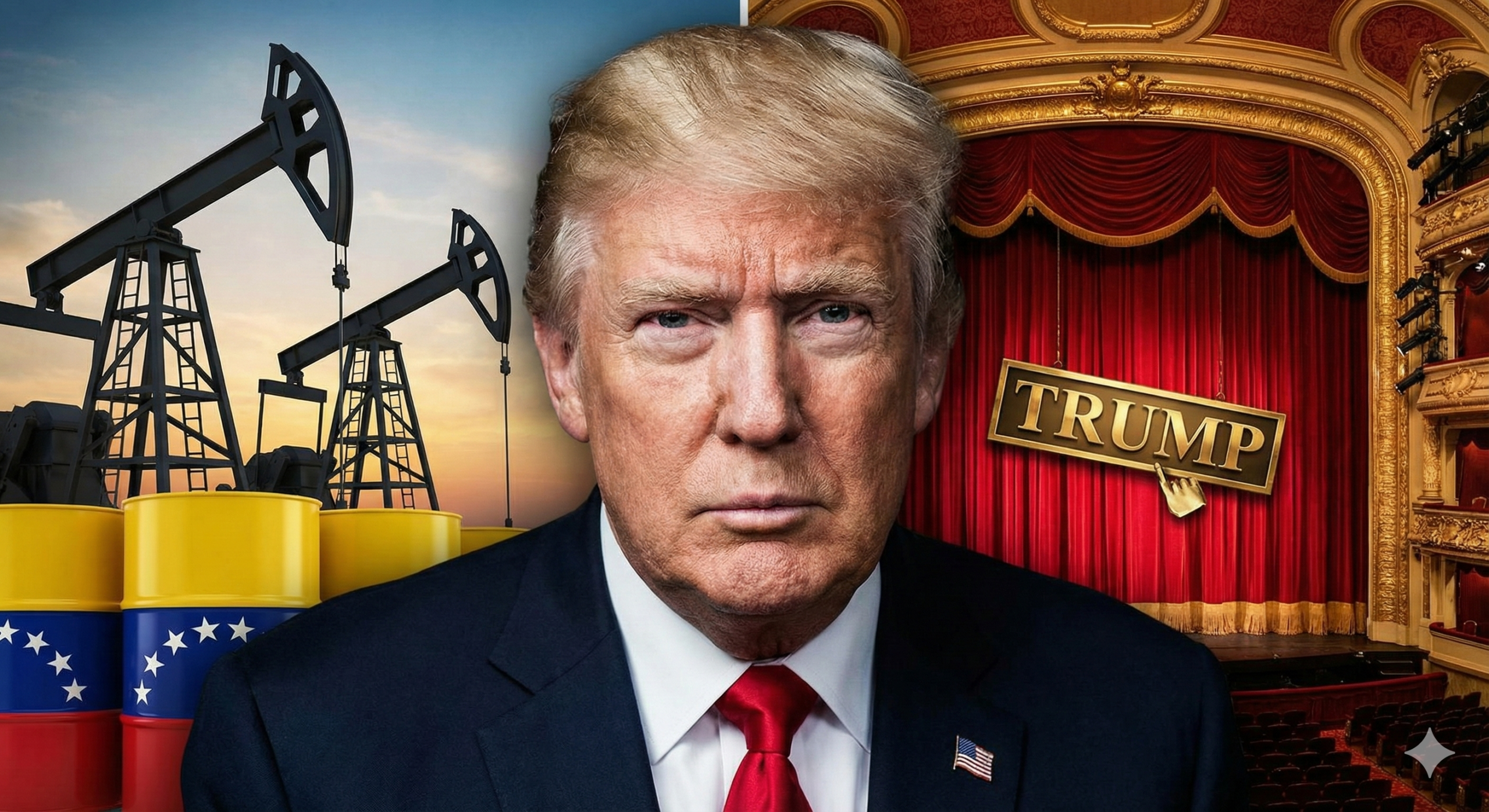
Trump Risk Reignites? A Comprehensive Look at Two International Stories That Make Daily News
Since former President Donald Trump's re-election, the world has once again entered "Trump's time." With his every move shaking international politics and financial markets, two conflicting pieces of news in recent days have emerged as global issues.
On the one hand, he encouraged resource development in an enemy country (Venezuela) to advance American national interests and energy hegemony, while on the other, he coolly withdrew from his personal brand business. His trajectory, juggling public foreign policy and private business management, foreshadows the complex and unpredictable nature of a second Trump term.
Today, we'll analyze the two decisive actions of President-elect Trump, which have recently become a hot topic, into four key points to understand the shifts in the international situation and the hidden intentions behind them.
1. The Art of the Returned Deal: Practicality Over Ideology: Venezuelan Oil‘
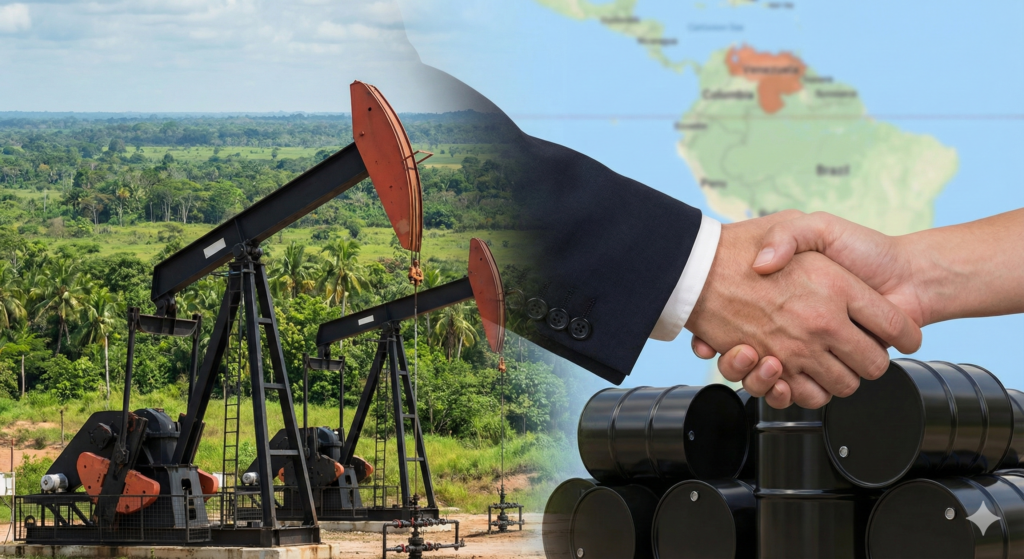
The first issue to note is the news that President-elect Trump pressured major US oil companies to "develop Venezuela's oil." This is a shocking contrast to the harsh economic sanctions he imposed on the Maduro regime during his first term in office.
Why Venezuela all of a sudden? This is based on a thoroughgoing "energy pragmatism." One of Trump's core pledges is to reduce inflation, and to achieve this, international oil price stabilityThis is essential.
- Inducing a drop in oil prices: When Venezuela, which boasts the world's largest crude oil reserves, releases crude oil into the market, oil prices will naturally be subject to downward pressure.
- Checking China and Russia: While the United States has neglected Venezuela, China and Russia have exploited the gap to expand their influence in South America. The geopolitical calculation is to sever this link by deploying American companies.
President-elect Trump is actively urging American energy companies like Chevron to invest, but these companies are in a precarious position due to the ongoing risk of legal sanctions and the unstable political situation in Venezuela. However, this case clearly demonstrates that Trump's pragmatism—"joining hands with yesterday's enemies for the sake of national interest"—will be a key element of his second term diplomacy.
2. The ruthlessness of brand management: Announcing a breakup with the opera company.
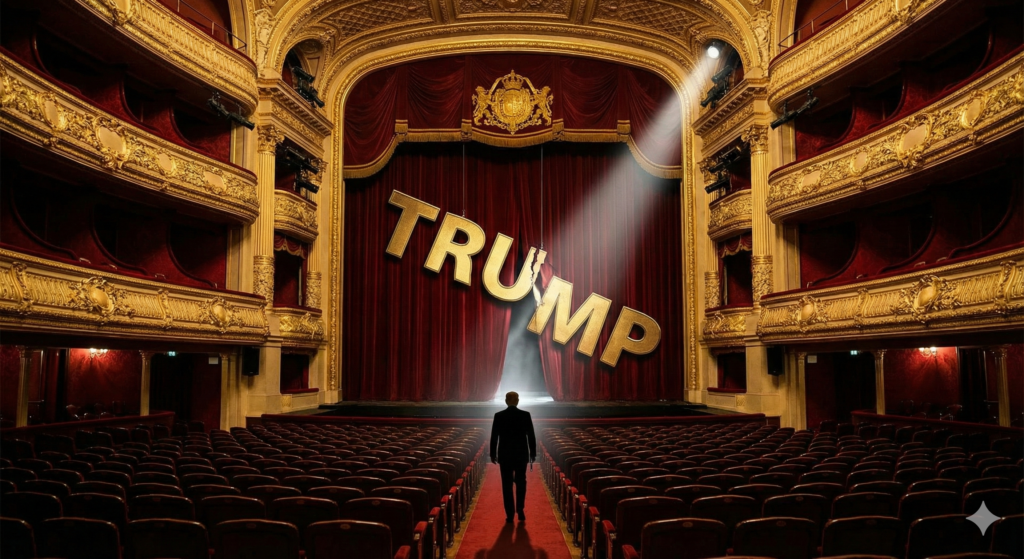
The second issue is very personal, yet it shows Trump's personality very well. ‘Opera company cuts ties’ This is an incident. President-elect Trump recently announced that he would sever ties with a specific opera company in connection with his eponymous brand business.
This incident shows how much Trump values his name value, or **brand value**.
- Quality Control: Trump wants his hotels, golf courses, and other products bearing his name to maintain a high-end image. He likely believes the opera company's financial or operational issues are diminishing its brand value.
- Risk Blocking: It can also be interpreted as a process of sorting out business connections that could create unnecessary noise before the president takes office.
This suggests that, regardless of his actions as a national leader, his business instincts remain intact. His "ruthless gambler" nature, mercilessly cutting off partners who don't benefit him or tarnish his reputation, is likely to be reflected in his future administration, particularly in negotiations over defense cost-sharing with allies.
3. "Drill, Baby, Drill" and the Resurgence of Energy Hegemony
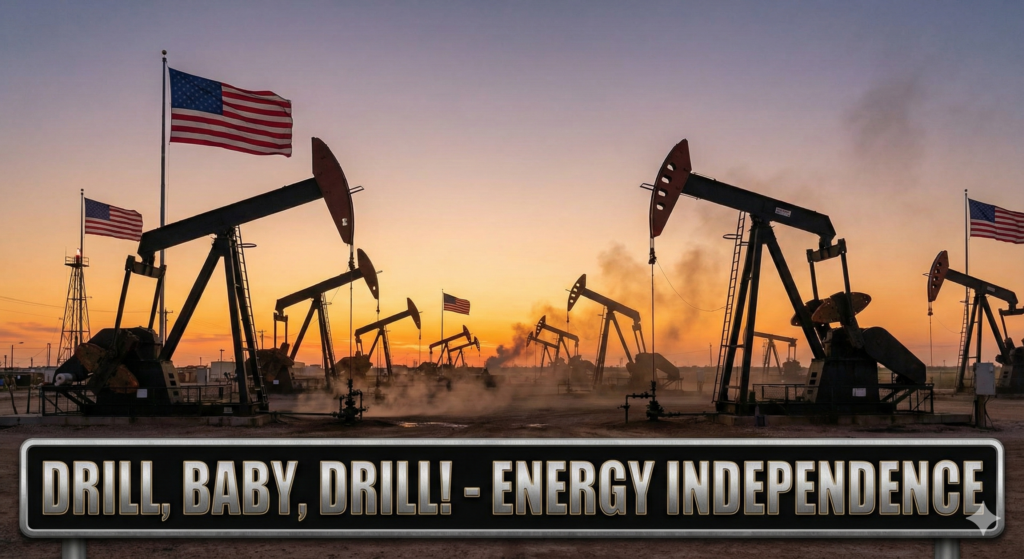
The Venezuelan issue cannot simply be seen as a shift in South American policy. It is a signal flare for the slogan "Drill, Baby, Drill" that President-elect Trump chanted throughout his campaign.
The core of Trump's second-term energy policy is the "resurrection of fossil fuels" and "American energy independence." This involves reversing the Biden administration's green policies and deregulating to maximize oil and gas production. Pressure on Venezuela to invest is just one piece of this massive puzzle.
This also has significant implications for the Korean economy.
- opportunity: Falling oil prices will reduce the cost burden on Korean companies, which are highly dependent on energy imports. Furthermore, increased investment in energy infrastructure in the United States could open up opportunities for domestic construction and machinery companies.
- crisis: Conversely, domestic companies that have invested heavily in eco-friendly energy (batteries, solar power) must prepare for uncertainties such as reduced subsidies due to changes in U.S. policy.
4. Conclusion: Trump's Second Term: "Uncertainty" Is a Strategy
Trump's move to reach out to Venezuela while simultaneously spurning his own brand partners may seem contradictory, but it is consistent with his "rigorous pursuit of profit.".
He enjoys breaking predictable diplomatic conventions, and this ‘Uncertainty’ He uses himself as a negotiating weapon. It's a way to seize advantageous terms when the other party (whether a country or a company) is anxious about predicting Trump's next move.
What should we prepare? It's time to abandon the complacent thought, "Surely not." Trump's style is to deal with dictators with a smile for the sake of national interest, and to coldly reject long-time partners for personal gain.
It's time for businesses and investors to prepare a flexible response plan (Plan B) to prepare for the volatility of international oil prices, the abrupt shift in US foreign policy, and the market's potential volatility at the behest of Trump. The Trump risk is just beginning to resurface.