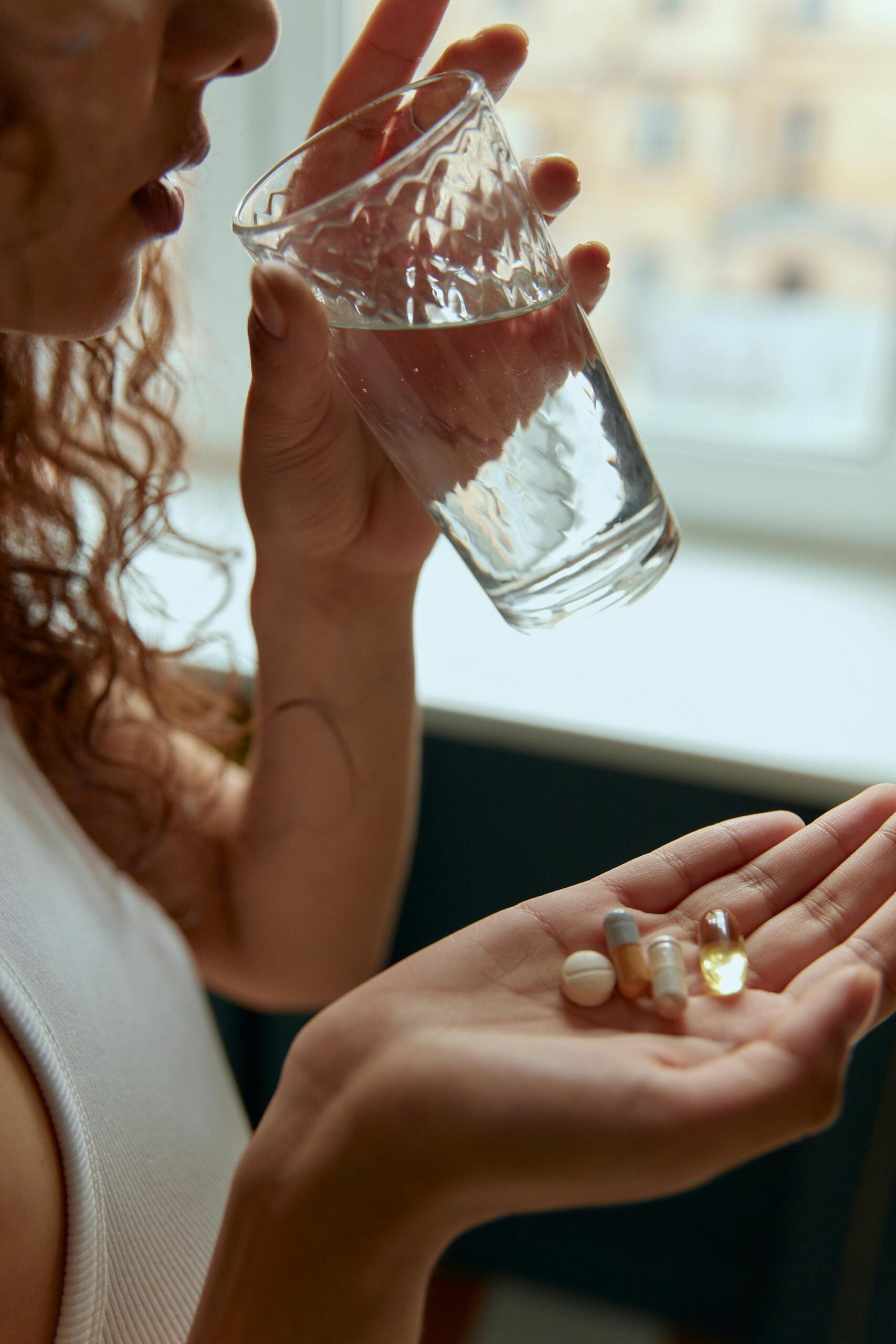
Do we need vitamin D?
1) Why I get tired in winter
Some people experience similar patterns every year.
As the days get colder and the days get shorter, my mood plummets.
Even after sleeping, I don't feel refreshed, and I feel more and more dazed during the day.
I hear people around me ask, “Are you perhaps lacking vitamin D?” and only then do I open the search bar.
But there is a lot of information, and even more advertising.
Ultimately, it stops at “how much should I eat?”.
2) How can deficiency be confirmed? (Blood test criteria)
The most commonly used indicator is the blood test '25(OH)D'.
In the domestic clinical guidelines, a level of 20 ng/mL or less is considered deficient, and a level of 20–30 ng/mL is considered insufficient.
Hospital test guidelines also provide reference ranges for 25-OH vitamin D, but interpretation criteria may vary slightly by institution, so it's more practical to consider "test results + lifestyle patterns" together.
3) What is the “standard” daily intake? (Recommended Intake Levels in Korea)
The Korean Dietary Reference Intake (2020) table suggests that adequate intake of vitamin D is 10 μg for adults and 15 μg for those aged 65 and older.
For reference, 1 μg is 40 IU, so 10 μg is equivalent to 400 IU (based on unit conversion).
There is one important point here.
The standard is a “starting point,” and strategies may vary depending on an individual’s sun exposure, eating habits, and test results.
4) Food, Sunlight, and Supplements: Realistic Ways to Fill Up
Some people say, “Just look at the sunlight,” but it’s difficult to put that into practice every day in our busy lives.
So, if you divide the approach into three steps, it will be less shaky.
First, gradually increase the number of 'D-containing options' in your diet.
Add blue fish, eggs, and fortified milk (fortified milk, cereal, etc.) to your “frequently eaten list.”.
Second, sunlight is not greedy and only does 'as much as possible'.
Fitting it into your schedule, like a 10-minute walk during your lunch break, goes a long way.
Third, if that's still not enough, consider supplements.
At this time, the key is to approach vitamin D “consistently” rather than “in large quantities.”.
Especially if a deficiency/insufficient level is confirmed through testing, it is safer to consult with a medical professional to adjust the dosage according to the individual's situation.
5) Why overdose should be avoided
Vitamin D is fat-soluble, so it is best to avoid taking large doses for long periods of time.
“What’s right for me” varies from person to person, and you should be extra careful if you’re taking it with other supplements (such as calcium).
If possible, it is best to check the direction again after a certain period of time.
6) A light ending starting today
To sum it up, it's simple.
Check your current status through testing, use the Korean standard (10 μg for adults, 15 μg for those 65 and older) as a starting point, and realistically combine diet, sunlight, and supplements.
The start you can make today can be small.
Put eggs in your shopping cart, take a 10-minute walk at lunch, and plan your vitamin D intake “on a case-by-case basis” if needed.
I hope this article helped you organize the complex information.