
In terms of kidney health, beer appears to be more dangerous than wine. In a long-term study tracking approximately 250,000 British adults, the risk of acute kidney injury was highest in spirits followed by beer, while no clear association was found with wine.
Adults who frequently drink alcohol should consider the amount consumed before the type of alcohol. Even at the same drinking occasion, the burden on the kidneys varies depending on the type and quantity of alcohol consumed. Below, we summarize the differences in risk by alcohol type, the significance of acute kidney injury, the pathways of injury, precautions when interpreting wine, and judgment criteria for various situations.
Comparison of kidney risk by type of alcohol

The risk of acute kidney injury increased most significantly in heavy drinkers of distilled spirits, followed by beer. A research team from Anglia Ruskin University in the UK observed 250,791 drinking adults for an average of 14 years using data from the UK Biobank. During this period, 10,335 people developed acute kidney injury. The results were published in the international journal *Scientific Reports*.
| Master and servant | Changes in the risk of acute kidney injury | Blood inflammation markers |
|---|---|---|
| Distilled spirits (if you drink a lot) | About 40% increase | High CRP and neutrophil levels |
| Beer (if you drink a lot) | Increase of about 24% | High CRP and neutrophil levels |
| Red wine and white wine | No significant association | No increasing trend reported |
The growth rate in the table is the corresponding main type Group that drinks a lotThese are the figures observed. The specific number of remaining items corresponding to ‘a lot' was not presented in the published results.
Why acute kidney injury is not mild

Acute kidney injury is a condition in which kidney function declines suddenly over a short period and can lead to long-term kidney disease. Dr. Rudolf Schütte, the lead researcher, explained that this condition can lead to chronic kidney disease, renal failure, and an increased risk of premature death.
The key point is that the damage may not be a one-time occurrence. Even if recovery is achieved, if kidney reserves are reduced, the individual becomes more vulnerable to future strain.
The pathway by which alcohol damages the kidneys

Alcohol is explained as burdening the kidneys through two pathways: inflammation and dehydration. The first is metabolic processes. When alcohol is broken down, reactive oxygen species and oxidative stress are generated, which damage cells and amplify inflammatory responses.
- Inflammatory pathways: Oxidative stress damages the blood vessels and cells of the kidneys. This is supported by the high levels of C-reactive protein (CRP) and neutrophils measured in the group that consumed large amounts of distilled spirits and beer.
- Water and blood flow pathways: Due to the diuretic effect of alcohol, water is lost from the body, and the amount of blood flowing to the kidneys is reduced.
When both pathways act simultaneously, the kidneys must endure inflammation and insufficient blood flow at the same time.
Why You Should Not Consider Wine a Safe Drink

The finding that no increased risk was confirmed from wine does not imply a kidney-protective effect. The research team mentioned the possibility that antioxidant components such as polyphenols may have partially influenced the inflammatory response, but this remains at the speculative stage.
This study is a follow-up study that observed participants, so it cannot definitively determine cause and effect. Furthermore, the subjects were limited to participants of the UK Biobank, making it difficult to apply the findings directly to other groups, such as Koreans. However, the fact remains that even wine ultimately contains alcohol.
Criteria for Determining Alcohol Intoxication by Situation

To protect your kidneys, reducing your total alcohol intake is a priority over switching types of alcohol. The research leader also emphasized moderation or abstinence, citing the fact that alcohol directly affects the kidneys.
- If you frequently drink distilled spirits, the first thing you should reduce is the quantity and frequency.
- The habit of drinking large amounts of beer is also associated with an increased risk, so it is not considered ‘light drinking'.
- Even if you switch to wine, the meaning is lost if you increase the amount you drink.
- If there are already abnormalities in kidney values, set abstinence as the default.
Frequently Asked Questions

I have organized the information focusing on boundary situations not covered in the main text.
Does drinking a lot of water after drinking beer relieve the burden on the kidneys?
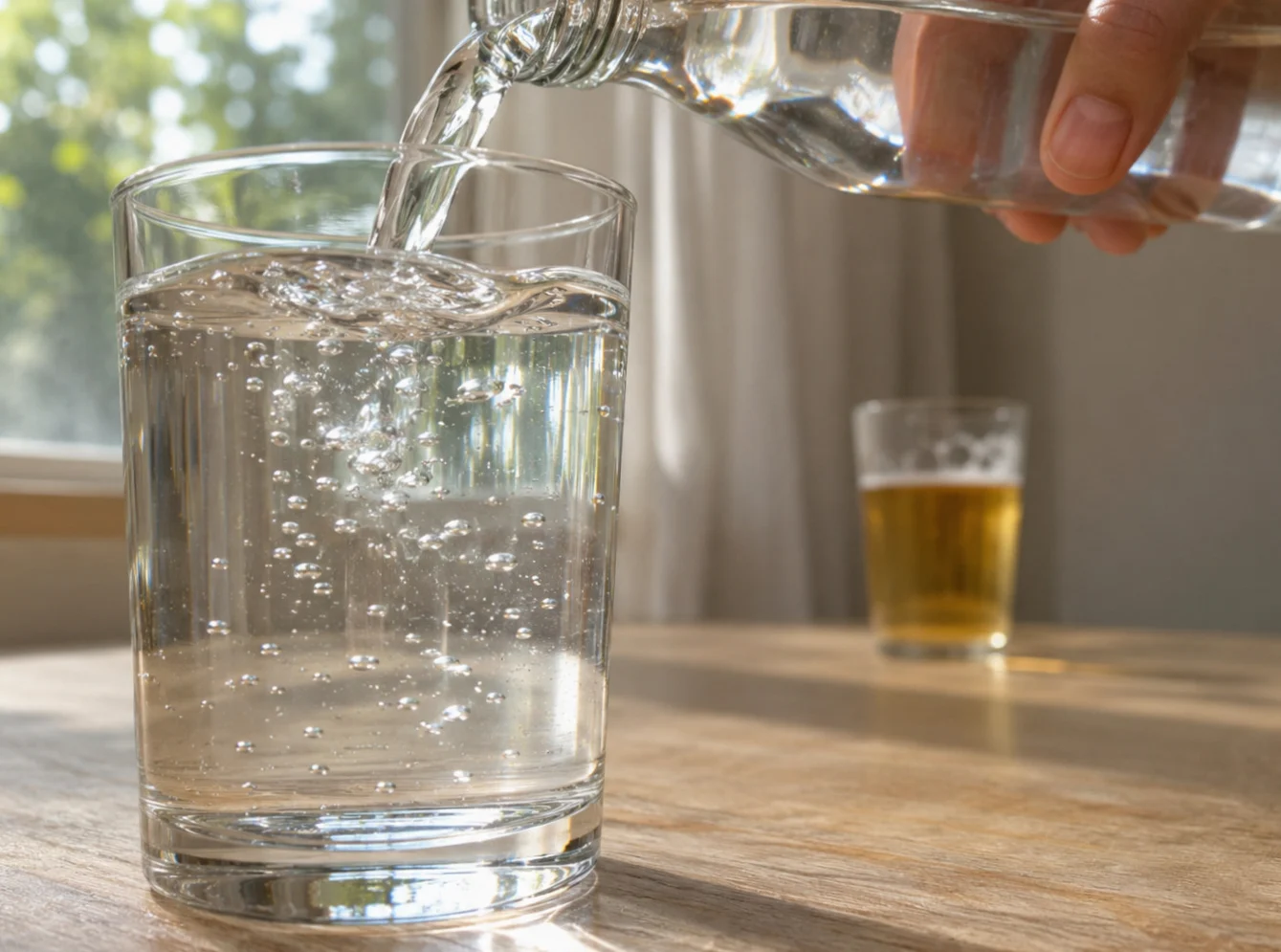
Fluid replenishment can partially alleviate dehydration pathways, but it cannot block inflammatory pathways. Oxidative stress in the alcohol metabolism process occurs independently of water intake. Therefore, drinking water is merely a supplementary measure and does not replace a reduction in alcohol consumption.
Is even a small amount of distilled spirits dangerous?

Since these results indicate an increased risk in the group that consumed large amounts, the effects of small intake were not separately confirmed. However, a safe amount has not been proven either. There is no basis to conclude that it is harmless simply because the quantity is small.
Can people with kidney disease drink wine?

This study did not verify the safety of wine for patients with kidney disease. If you have a pre-existing condition, you should consult your healthcare provider regarding alcohol consumption, regardless of the type of alcohol.
- Intake guidelines for fish and mushrooms that help supplement Vitamin D
- A summary of Hwang Jung-eum's recent updates, ranging from her 9-year relationship with Kim Yong-jun and her appearance on "We Got Married" to her declaration of remaining single after her divorce.
- Aquacell Hypercell Omega-3 Benefits, Side Effects, and Dosage Guide
Is a high CRP level on a health checkup due to alcohol?

CRP is a general indicator of inflammation that can rise due to various causes, such as infection and chronic inflammation. The fact that levels were high in the heavy drinking group in the study indicates only a group trend and does not specify the individual cause. The exact cause must be confirmed through a medical examination.