
The small, transparent liquid that a doctor gives you with the instruction to "hold this in your mouth" during a gastroscopy or laryngeal examination is Benocaine. It is a medication that paralyzes nerves to reduce pain and discomfort during examinations or procedures, but unlike cold medicine sold at pharmacies, it cannot be freely obtained and requires a doctor's prescription.
In this article, we examine exactly what Benocaine solution is, how it works in the body, and when and how to use it. We prepared this for those who have an upcoming test or are curious about what medication they have been prescribed.
The identity of Benocaine solution, a prescription anesthetic

Benocaine Solution is a prescription drug manufactured by Taejoon Pharmaceutical Co., Ltd., a local anesthetic that paralyzes surface sensation by temporarily blocking the conduction of nerve impulses.It is used to suppress pain and nausea when undergoing gastroscopy or examinations or treatments of the mouth, pharynx, esophagus, and stomach.
It is a transparent liquid with a pale yellow tint and slight viscosity. Typically, a dosage of 4ml to 10ml is used per dose, which is customized by the doctor based on the patient's age, the area requiring anesthesia, and their physical condition.
It is important not to arbitrarily increase or decrease the dosage. This is because the amount prescribed by the doctor is the safest and most effective amount for that patient.
Anesthesia mechanism that blocks nerve sodium channels
| classification | Disassembly method | Duration of action | Representative Products |
|---|---|---|---|
| ester type | Rapidly broken down by plasma enzymes | on the shorter side | Benocaine Solution, Hurricane Gel |
| amide type | Broken down by liver enzymes | Long side | Lidocaine, bupivacaine |
The core action of Benocaine is to block the conduction of nerve signals by blocking sodium channels in the nerve cell membrane.Nerves send electrical signals through the movement of ions, so if sodium cannot enter or exit normally, pain or sensations are not transmitted to the brain.
Among various local anesthetics, Benocaine solution ester typeIt belongs to this category. This means that it is rapidly broken down by an enzyme called plasma cholinesterase, so its action is relatively short-lived. This characteristic is actually advantageous in time-sensitive medical situations, such as medical examinations.
In which tests and treatments is it used?

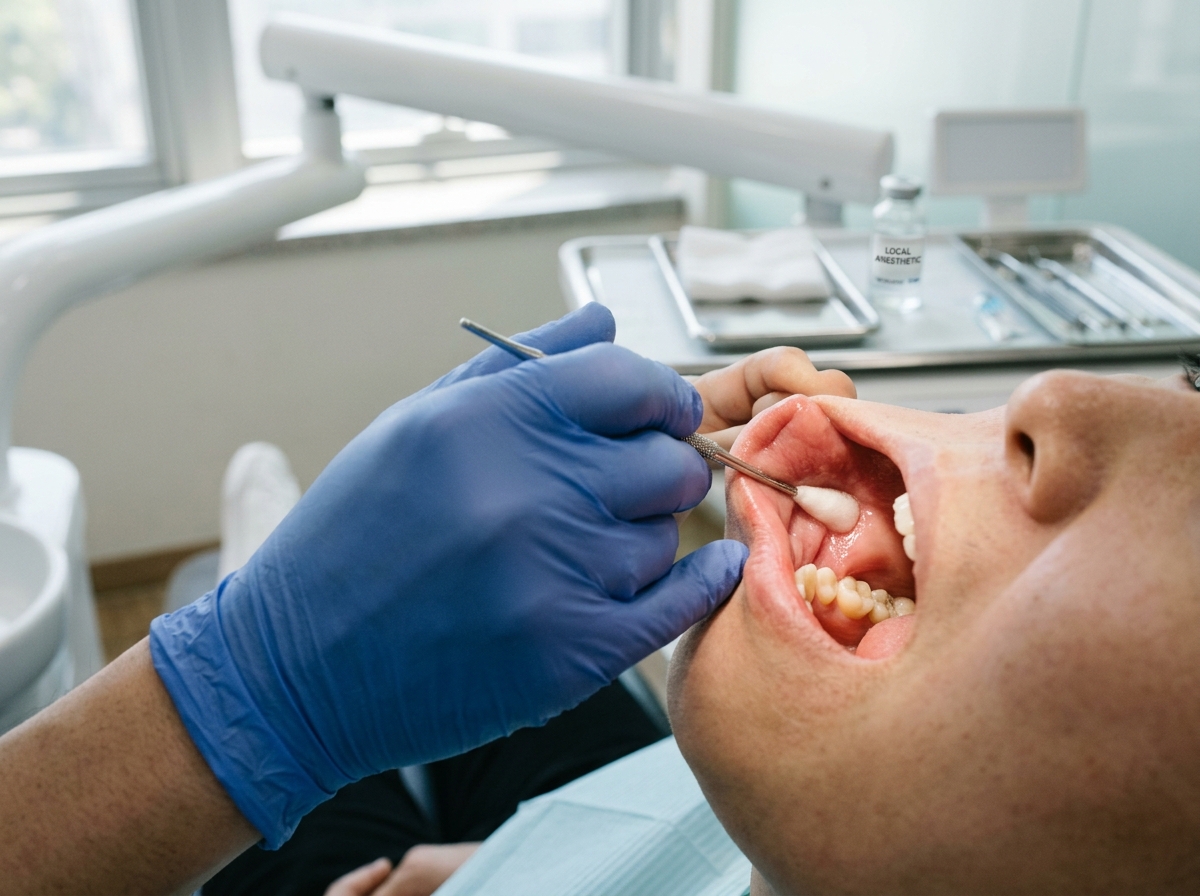
Benocaine solution is primarily used before examinations that visualize the upper digestive tract. It is used before gastroscopy, as well as examinations of the esophagus and larynx, and procedures such as minor surgeries or tissue biopsies. The method of holding it in the mouth for about 5 minutes and then swallowing slowly.It is administered as.
For the anesthetic to be most effective, it must be evenly distributed over the examination site, so medical staff allow sufficient time for the medication to take effect. This is also why it is important not to swallow or spit it out in a hurry.
It is strictly prohibited to use it for ophthalmic procedures or transfer it to other areas. This is because it is designed exclusively as an oral and gastrointestinal surface anesthetic.
Precautions to check before taking

It cannot be used if you are hypersensitive to Benocaine solution or ester-based local anesthetics. If you have a history of drug allergies, you must inform your doctor in advance.
Patients with phenylketonuria (PKU) should also check the ingredients and additives and consult with a medical professional. Although rare, local anesthetics can cause systemic side effects.
Central nervous system side effects include symptoms such as tremors, convulsions, drowsiness, anxiety, excitement, dizziness, and nausea. In severe cases, shock symptoms such as hypotension, pulse abnormalities, and respiratory depression may rarely occur. If you experience these symptoms, you must notify medical staff immediately.
The reason you must wait until the anesthesia wears off
If you eat before the anesthesia has completely worn off after the examination, you may choke or experience pain in the airway.
It is because if the effects of the anesthetic remain, your senses won't function properly when you swallow.
This is precisely why medical staff ask you to drink a little water or test your reaction, saying, "Let's check if the anesthesia has worn off completely." It is safer to avoid solid foods, especially, until they confirm that you are normal.
Benocaine solution breaks down quickly, so the recovery time is relatively short; however, individual differences exist, so it is best to follow the instructions of medical professionals. Rather than treating it like an over-the-counter medication... Considered one of the safety guidelines for the medical field.You just need to do it and follow it.