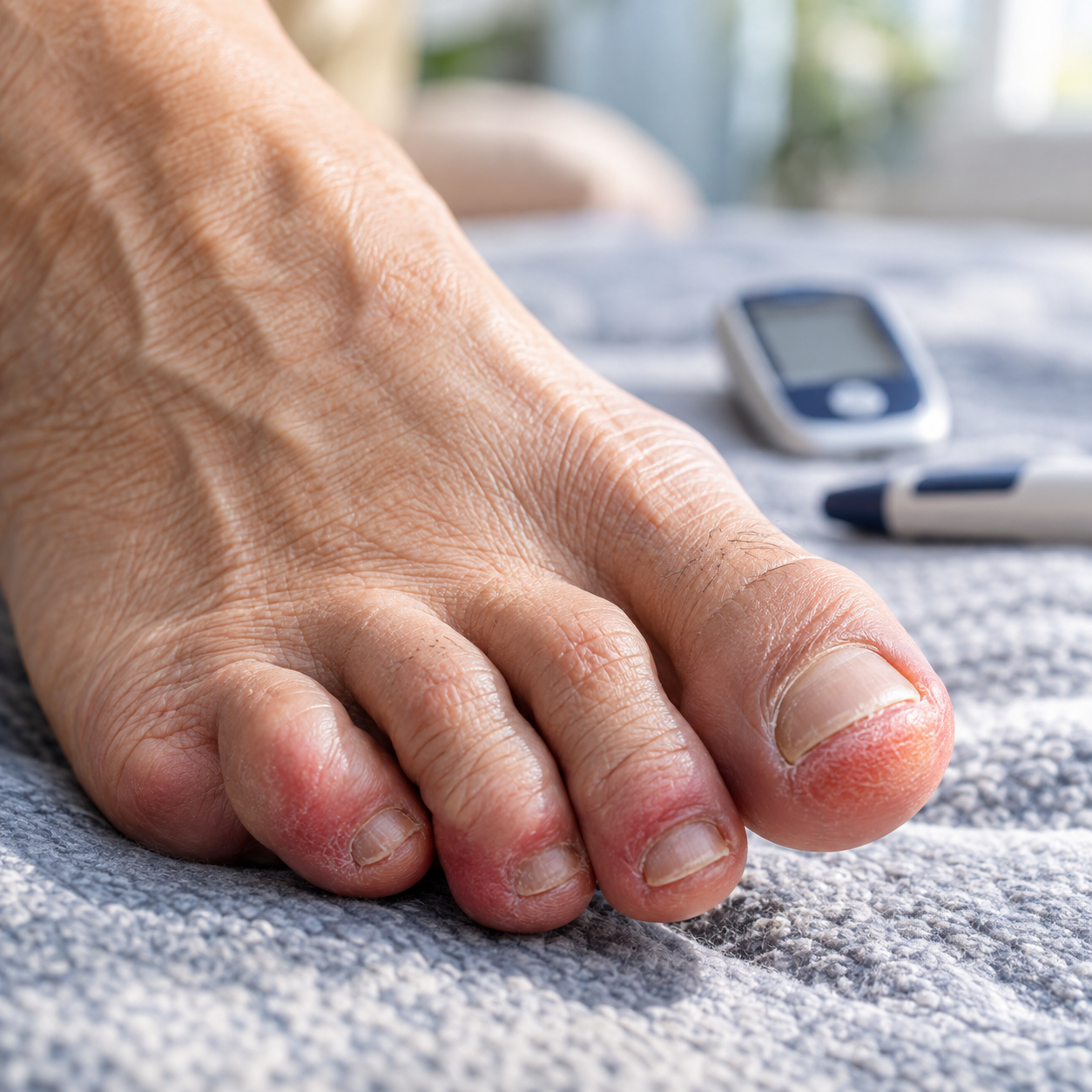
If you go to the bathroom more than twice at night and constantly crave water, you might wonder if it is okay to simply attribute it to your age or the weather. In particular, if you experience recurring tingling in your toes or a sensation like wearing socks, it could be a signal from your body regarding abnormal blood sugar levels.
In the early stages of diabetes, there may be no symptoms, or only changes that resemble different diseases may appear. The five signs I will introduce now are not criteria for confirming diabetes, but they serve as clues that prompt you to consider fasting blood sugar and HbA1c tests when multiple symptoms appear together.
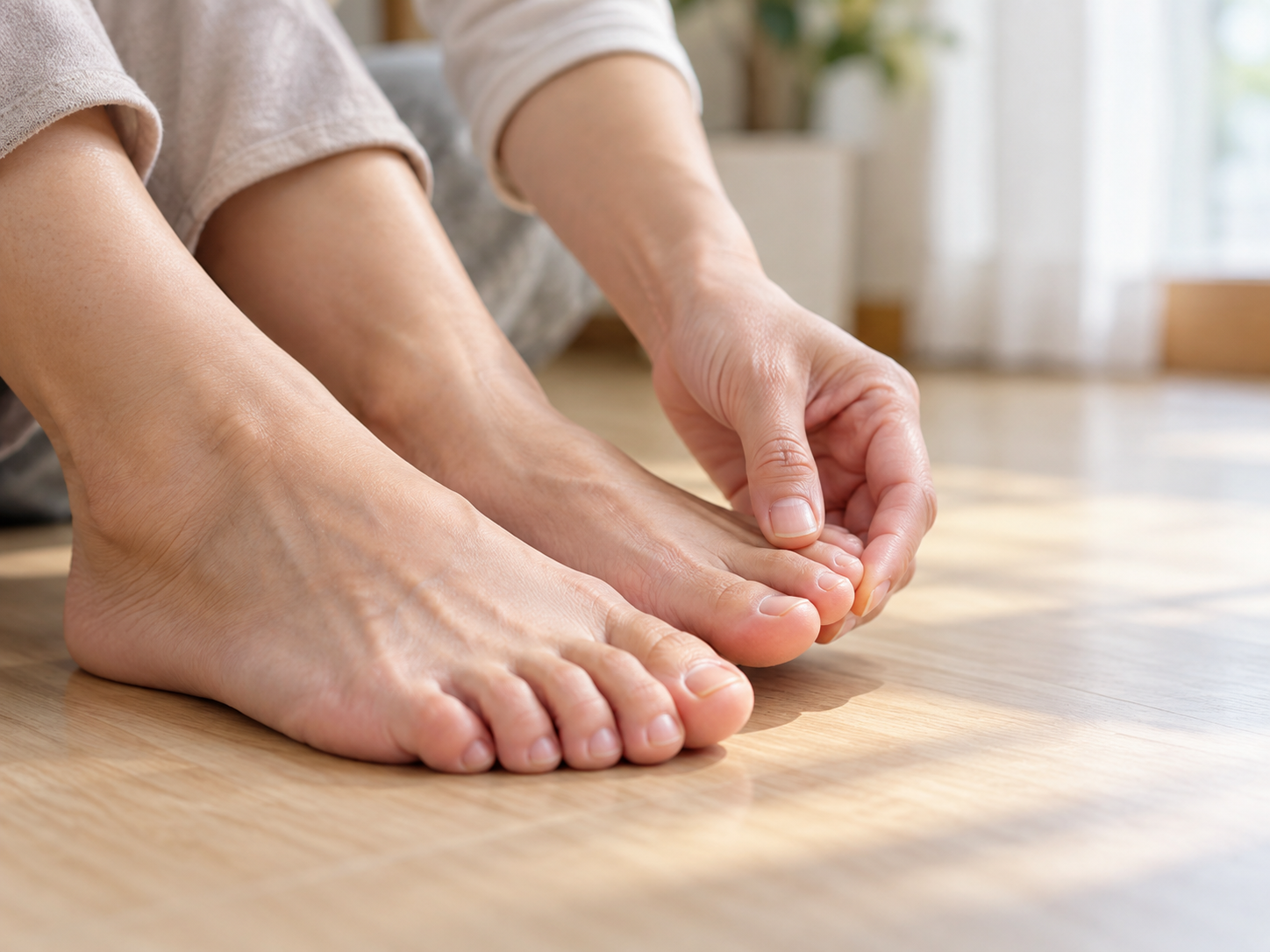
Check out the 5 early symptoms of diabetes, starting with tingling in the toes
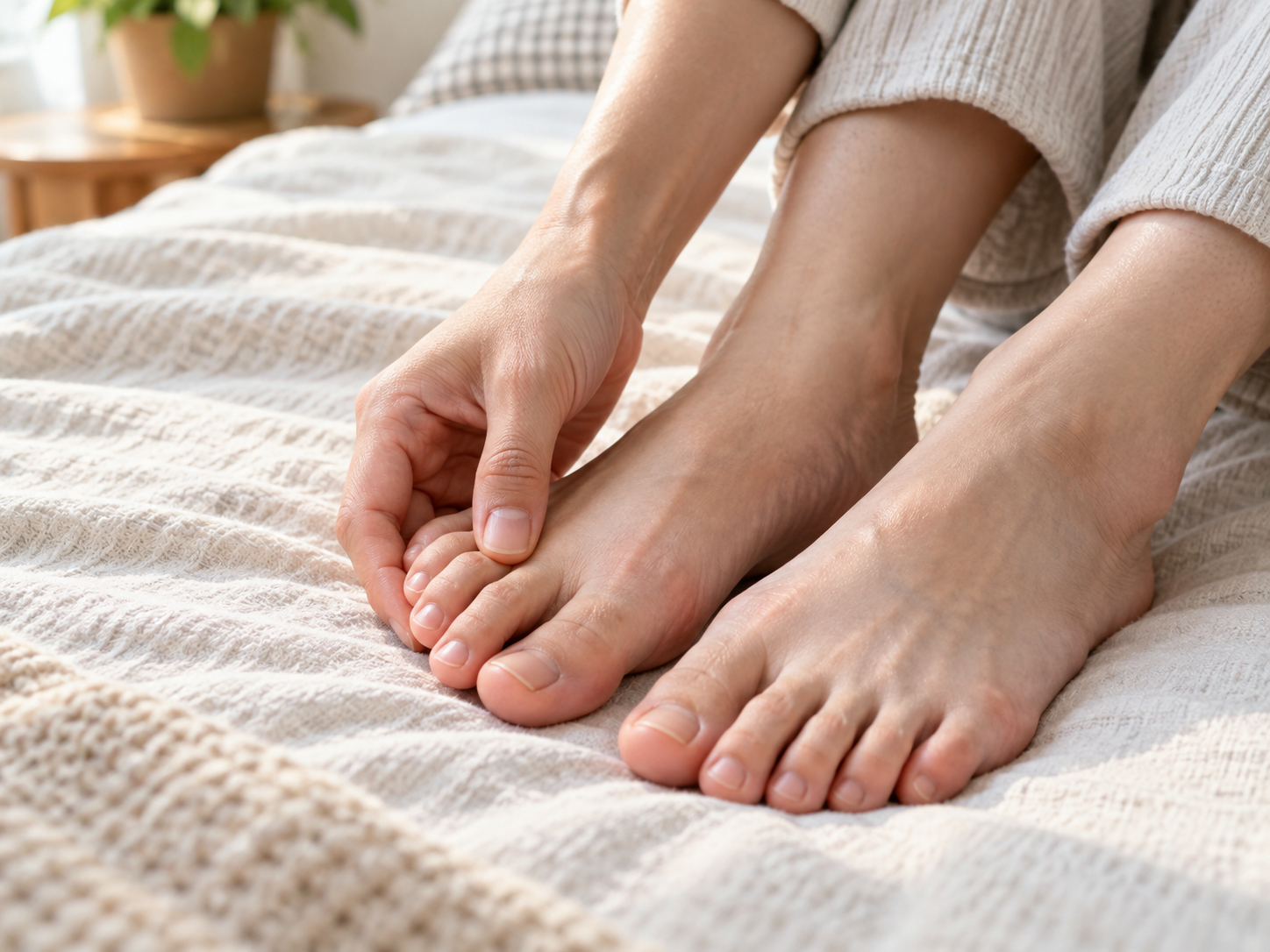
Easy-to-miss signals are Nocturia and thirst, tremors after meals and severe hunger, skin changes on the back of the neck, gum bleeding, tingling and decreased sensation in the toes of both feetAlthough the presence of just one of these does not mean you have diabetes, it is safer not to delay a blood sugar test if they occur repeatedly or if two or more overlap.
Diabetes is not a disease that occurs only in people who eat sweet foods, and it is sometimes discovered incidentally during health checkups in its early stages. Conversely, the presence of symptoms does not necessarily indicate a blood sugar problem, so lifestyle records must be combined with blood test results from a medical institution.
Do not dismiss numbness in the toes as merely a blood circulation issue; examine recurring thirst, changes in urination, and signals from the skin and gums all at once.

Nocturia and Thirst: Why You Still Feel Thirsty Even After Drinking Water

| Changes to examine | Content to record | Tests and medical care to be connected |
|---|---|---|
| Nocturia and thirst | Nighttime urination frequency, water intake, changes over 3 days | Fasting blood glucose, HbA1c, urological evaluation if necessary |
| Shivering and hunger after meals | Time of first meal, time of symptom onset, food eaten | Blood sugar assessment, additional tests required after consultation with medical staff |
| Changes in neck skin and skin tags | Areas of pigmentation, changes in skin thickness, increase in bumps | Dermatology consultation and blood sugar test |
| bleeding gums | Duration of bleeding, difference between brushing teeth and eating | Dental periodontal evaluation and blood sugar check |
| Numbness in the toes | Whether on both sides, starting point, burning sensation and decreased sensation | Blood tests and evaluation of peripheral nerve and foot condition |
When blood sugar levels rise, water may be lost along with glucose as the kidneys excrete it in the urine. As a result, urine volume increases, and thirst intensifies as the body attempts to replenish the lost fluids.
Because of urination at night Waking up more than twice during sleepIf this recurs or your mouth remains dry even after drinking water, try keeping a record of your daily routine. Since caffeine intake, prostate or bladder problems, and fluid intake before bedtime can also cause nocturia, you should not diagnose diabetes based solely on the frequency of urination.
If you keep a record of how many times you went to the bathroom at night and your daily water intake for about three days, it will be easier to explain your symptoms in the doctor's office. Although it is explained that glucose can be excreted in the urine when blood sugar levels rise above 180 mg/dL, diabetes is not confirmed based on a single specific value alone.
When you experience tremors and hunger after a meal, or feel like reactive hypoglycemia

There are times when, 3 to 4 hours after lunch, you suddenly feel hungry while experiencing trembling hands and cold sweats. This can also manifest as difficulty concentrating during afternoon work and urgently seeking out sweet drinks or snacks.
These symptoms occur when post-meal blood sugar and insulin action fluctuate significantly. Reactive hypoglycemia patternIt can be linked to... While it can occur in people with insulin resistance, other causes such as caffeine intake, anxiety, meal intervals, and thyroid problems can also cause tremors after meals.
Therefore, tremors after a meal do not necessarily mean you have diabetes. It is appropriate to note the time the symptoms occurred, the food consumed, the duration, and whether cold sweats or dizziness were present. If the symptoms recur, it is advisable not to stop at just fasting blood sugar tests but to consult a medical professional for necessary tests, such as a glucose tolerance test.
Pigmentation and skin tags on the back of the neck, metabolic signals appearing on the skin

When washing your face, wrinkles on the back of your neck may not fade and may appear dark, or multiple small skin tags may appear on your neck and armpits. The appearance of the skin on the back of the neck becoming thick and velvety may be related to a skin condition called acanthosis nigricans.
Acanthosis nigricans and skin tags can appear alongside insulin resistance, serving as an opportunity to monitor blood sugar levels. However, diabetes cannot be confirmed based solely on skin changes, as constitution and other skin or hormonal factors may also play a role.
Rather than focusing solely on scrubbing or removing skin tags, combining a dermatological consultation with a blood sugar test helps narrow down the causes. In particular, if changes such as weight gain, a family history, or post-meal drowsiness occur simultaneously, it is advisable not to view skin symptoms as separate issues.
Do not ignore gum bleeding and pink toothpaste foam.

If you notice a little blood on your teeth while brushing for several days or if the foam in the sink turns pink, you should first check the condition of your gums. While tartar, periodontitis, and irritation from brushing are common causes, gum inflammation can persist for a long time when blood sugar levels are high.
High blood sugar can affect the environment surrounding the gums and the immune response, and if gum inflammation is severe, blood sugar management can also become difficult. Therefore Gum bleeding is a dental issue and a clue to checking blood sugar levels.It can be, but you should not diagnose diabetes based solely on bleeding.
If bleeding persists, please have your periodontal condition checked at the dental clinic and inform the medical staff if you have recently experienced thirst or changes in your urine. Rather than stopping at just getting a scaling, providing information about your recurring symptoms and health checkup results will help determine the direction of your treatment.
Numbness and loss of sensation in the toes are a sign to urgently get a diabetes test
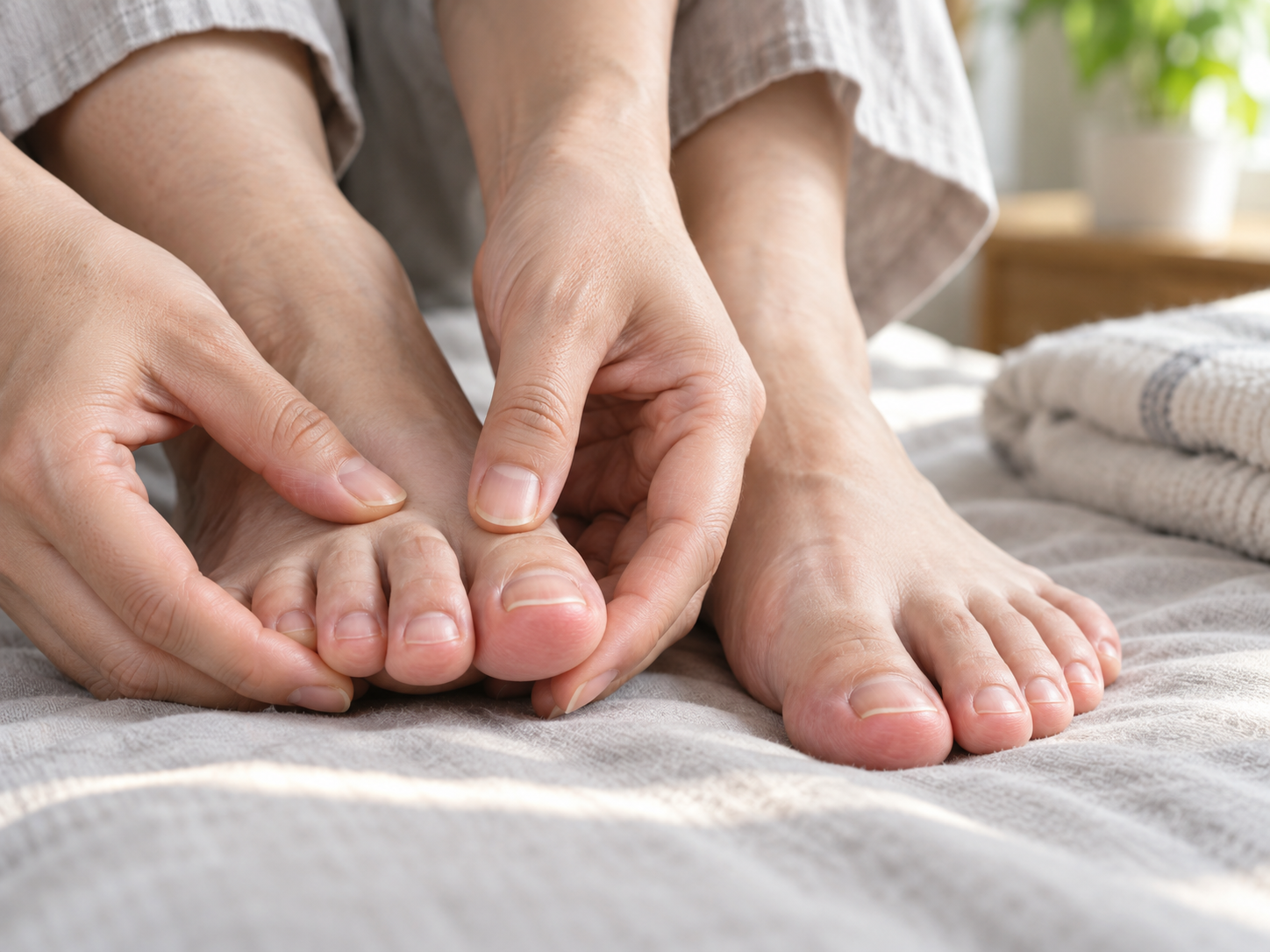
Peripheral nerve problems associated with diabetes manifest similarly in both feet and often begin at the tips of the toes. If you experience a numb sensation as if wearing socks even when barefoot, or if you repeatedly feel a tingling or burning sensation when a blanket touches your feet, you should carefully examine the sensation in your toes.
Prolonged high blood sugar levels can damage nerves and the microvessels running through them. Since dulled sensation can cause you to notice small cuts or blisters on your feet late, it is also important to develop the habit of visually inspecting the soles of your feet and the spaces between your toes every day.
Foot numbness can also be caused by herniated discs, nerve compression, vitamin deficiencies, medications, or peripheral vascular problems. However, If tingling in both toes persists for several weeks, do not blame your shoes alone; you should check your blood sugar first.
After confirming symptoms, fasting blood glucose and HbA1c are checked through a hospital venous blood test. While home blood glucose meters are useful for monitoring daily changes, they do not replace a definitive diagnosis of diabetes, and test results must be interpreted in conjunction with the medical team's judgment.
If two or more of the five signals overlap, or if decreased sensation in the feet and thirst persist together, it is advisable not to delay testing. If you are already receiving treatment for diabetes or are pregnant, do not apply general guidelines arbitrarily; instead, consult your healthcare provider to interpret the test results.
Starting today, try simply noting down the number of times you woke up during the night, the amount of water you drank, any discomfort after meals, and the sensation in your toes. Rather than being afraid of a single symptom, recording recurring patterns and showing them to your doctor is the most realistic starting point for early detection of diabetes.