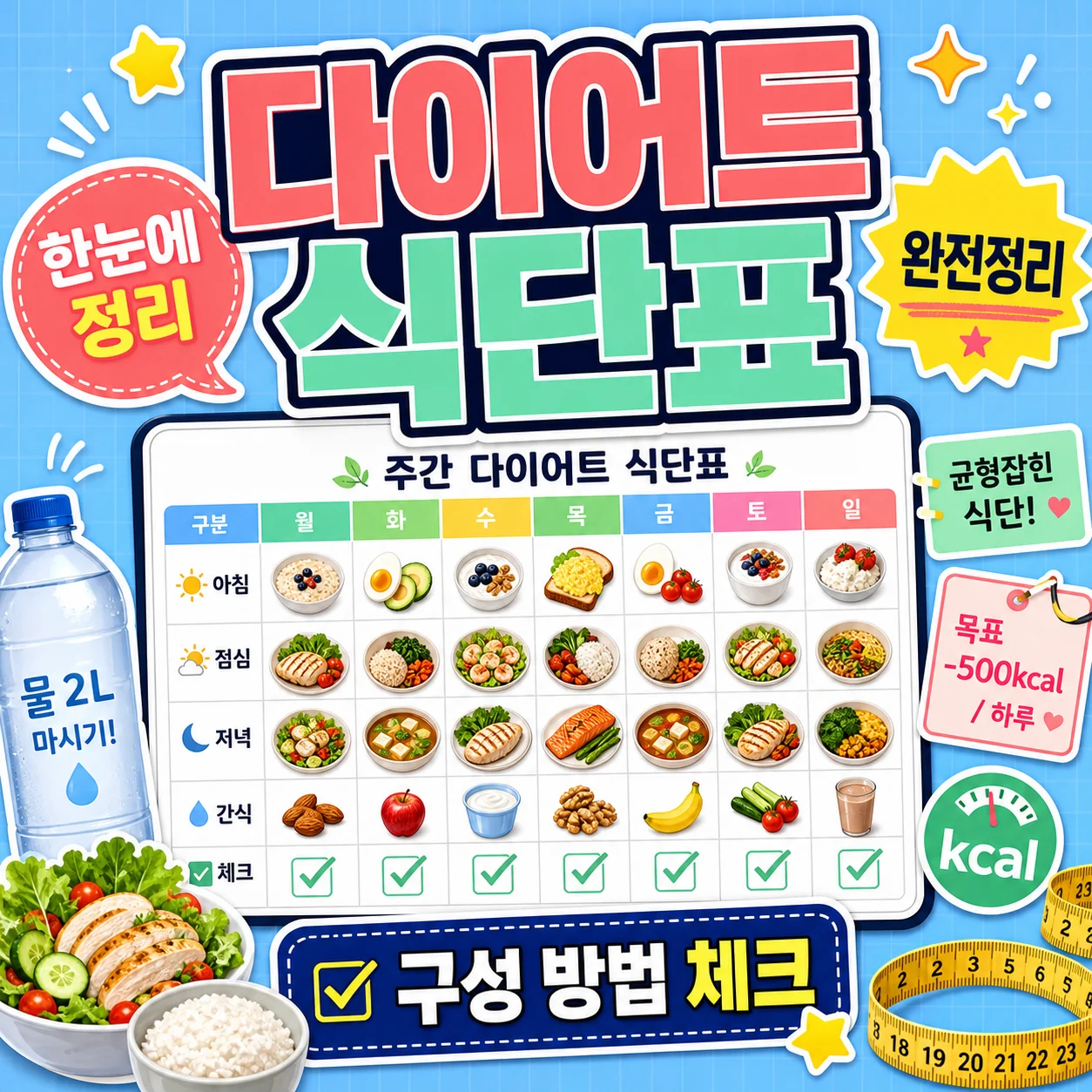
Diet meal plan는 Methods of starvingsee Filling methodThis lasts a long time. carbohydrate과 protein, vegetableDivide first Morning, lunch, and evening flowIt becomes much easier if you just get it right.
The key is to establish a consistent flow throughout the day rather than making a single meal perfect. Including plenty of vegetables and protein keeps you feeling full for longer, allowing your meal plan to flow naturally.
1. Why You Should Start a Meal Plan Simply
The more complicated the meal plan, the later you get started. Rather than making one meal perfect first... The framework of breakfast, lunch, and dinnerIt is better to fix it to make it easier to practice.
If you include plenty of vegetables, add protein, and then balance the carbohydrates, you are likely to feel that your day is well-organized.
The reason this method is effective is that it reduces decision fatigue. Instead of worrying about every meal anew, repeating the same principles allows dietary management to naturally become a part of your daily routine.
A repeatable meal rather than a perfect oneIt lasts longer.
2. How should breakfast, lunch, and dinner be plated differently?
It is best to follow a flow where breakfast focuses on securing energy, lunch supports activity levels, and dinner is a light finish. Even with the same food, slightly varying the quantity and proportion depending on the meal makes the meal plan much more natural.
Protein and complex carbohydrates in the morning, A composition centered on vegetables and protein for lunch, with a slightly higher proportion of vegetables for dinner, is frequently used.
| meal | Composition direction | Suitable ingredients |
|---|---|---|
| morning | Satiety and starting energy | Oatmeal, eggs, fruit |
| lunch | Balance supporting activity levels | Salad, chicken breast, quinoa |
| dinner | Light and neat finish | Portioning grilled fish, steamed vegetables, and sweet potatoes |
| snack | Supplement only when necessary | A handful of nuts, protein drink |
If you divide the roles for each meal as shown in the table, you can avoid similar worries every time. In particular, if you start breakfast too lightly, morning hunger may set in quickly, The method of adding protein firstThis is advantageous.
3. Why should vegetables be prioritized?
If you prioritize vegetables, dietary fiber increases and meal satisfaction improves. The principle of placing vegetables on the widest side of the plateIt is easier to practice than calorie counting, so it is well-suited for beginners.
When synthesizing the data, placing vegetables first naturally leads to stabilizing the flow of the meal.
Adding carbohydrates and protein to this completes the balance. Place the vegetables first, then fill in the rest.Just remembering the order will improve the completeness of your meal plan.
In this case, the fat is like nuts or olive oil. small amount of good fatIt is good to supplement it with this.
| nutrient | Recommended ingredients | Points of Use |
|---|---|---|
| carbohydrate | Brown rice, sweet potato, oatmeal | Slowly replenish energy with complex carbohydrates |
| protein | Eggs, tofu, chicken breast, fish | Easy to include more than one at every meal |
| province | Nuts, avocado, olive oil | A small amount complements satisfaction and balance |
4. Do I really have to include snacks?
Snacks aren't meant to be a time for heavy eating; they serve as a supplementary tool to smoothly bridge the gaps between meals. On days with long intervals between lunch and dinner or high activity levels, a moderate snack helps stabilize the flow.
Rather than prolonging hunger It is actually better to fill up lightly so that you can comfortably prepare for your next meal.
When it comes to snacks, composition is more important than quantity. Like a handful of nuts or Greek yogurt. A filling snackIf you select it, the entire meal plan flows more smoothly.
Choose a choice with protein and dietary fiber rather than a sweet oneThis is easy to put into practice.
5. How to create a daily meal plan that you can copy and paste immediately
For your daily meal plan, simply follow the same formula for breakfast, lunch, and dinner, adjusting only the portion sizes. It is best to keep the flow simple, such as oatmeal and eggs for breakfast, salad and protein for lunch, and fish and vegetables for dinner.
Adding snacks only when necessary helps keep your daily routine stable.
The important thing is not to get it right the first time, but to make it possible to keep going. Weekly Meal PlanFirst, establish a general framework, and on days when you eat out, it is easy to maintain balance by simply maintaining the proportion of vegetables and protein.
A meal plan that prioritizes consistencyUltimately, it is the easiest to manage.
This composition is For those organizing their diet for the first timeIt is well-suited for those with irregular schedules. If you fill out the meal plan in the same order rather than memorizing every meal, it feels much lighter.
Frequently Asked Questions
Why is it better to start a diet meal plan by filling up rather than starving yourself?
Filling up on vegetables and protein provides a longer-lasting feeling of fullness than starving yourself, and it is easier to maintain. It is more practical to stick to a consistent daily routine rather than trying to make one meal perfect.
How should I structure breakfast, lunch, and dinner differently?
It is best to start the morning with protein and complex carbohydrates, and structure lunch around vegetables and protein. A common dinner composition involves increasing the proportion of vegetables to finish lightly.
Why is vegetables prioritized in a diet meal plan?
Placing vegetables first increases dietary fiber and improves meal satisfaction. It is easier to implement than calorie counting, making it easy for beginners to establish a stable meal flow.
How should I organize snacks and a daily meal plan when dieting?
You should think of snacks not as occasions to eat a lot, but as a supplementary element that smoothly connects meals. It is best to keep your daily meal plan simple, following the framework of breakfast, lunch, and dinner, and add snacks only when necessary.