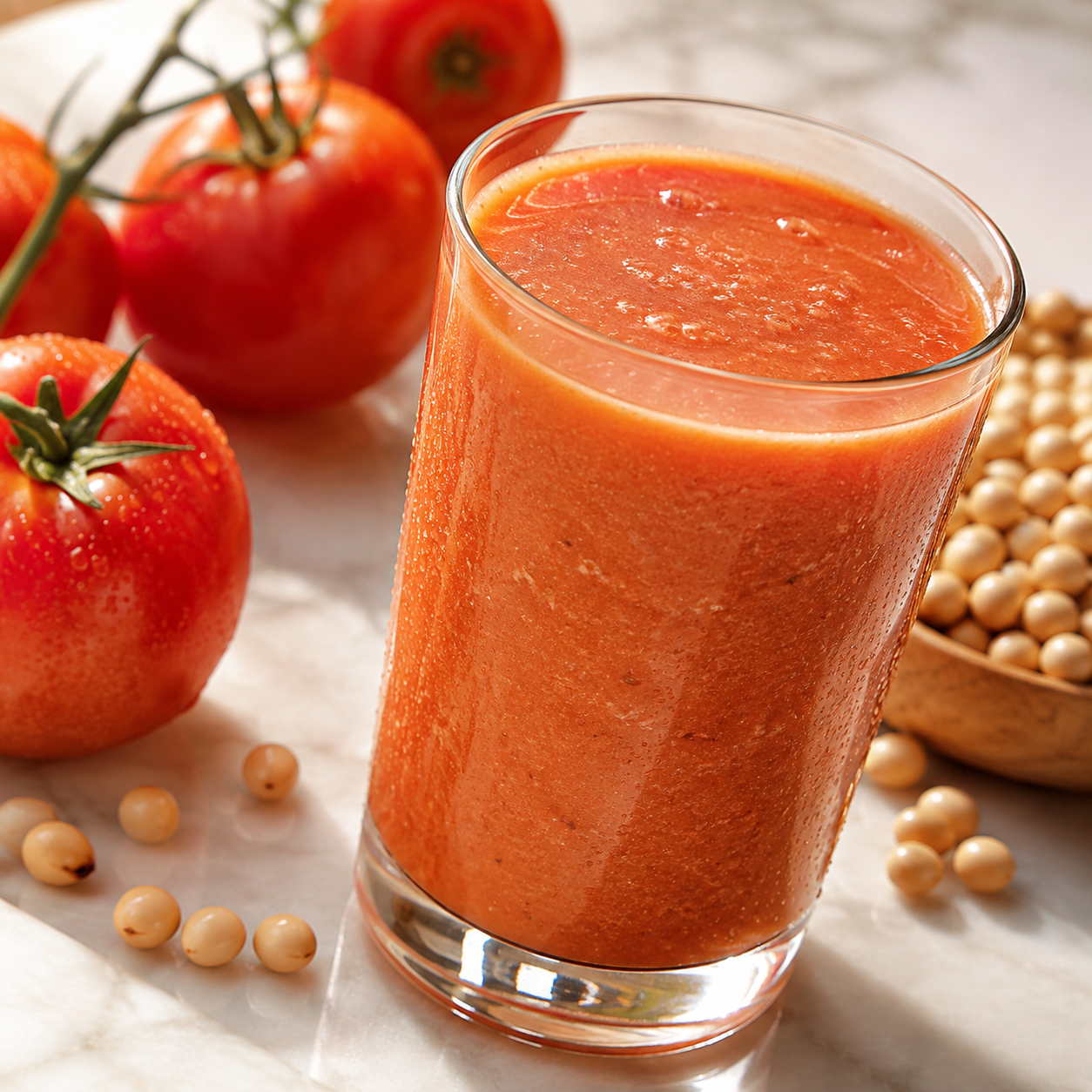
You may have wondered if the claim that inflammation levels dropped after drinking just one beverage for a month is true, and whether it is safe to consume tomatoes and soy milk together. In a study introduced on September 8, 2026, containing the lycopene from tomatoes and the isoflavones from soybeans Tomato and bean juiceResults were presented showing that inflammation-related protein levels decreased after consuming for 4 weeks.
However, the changes mentioned here do not mean that all inflammation levels in the body decreased all at once. Since this result is from a study that examined changes in inflammation-related proteins in the blood after consuming a specific beverage for a certain period, it is appropriate to view it as a potential dietary application rather than as a treatment for a disease.
What changed after consuming tomato and bean juice for 4 weeks?
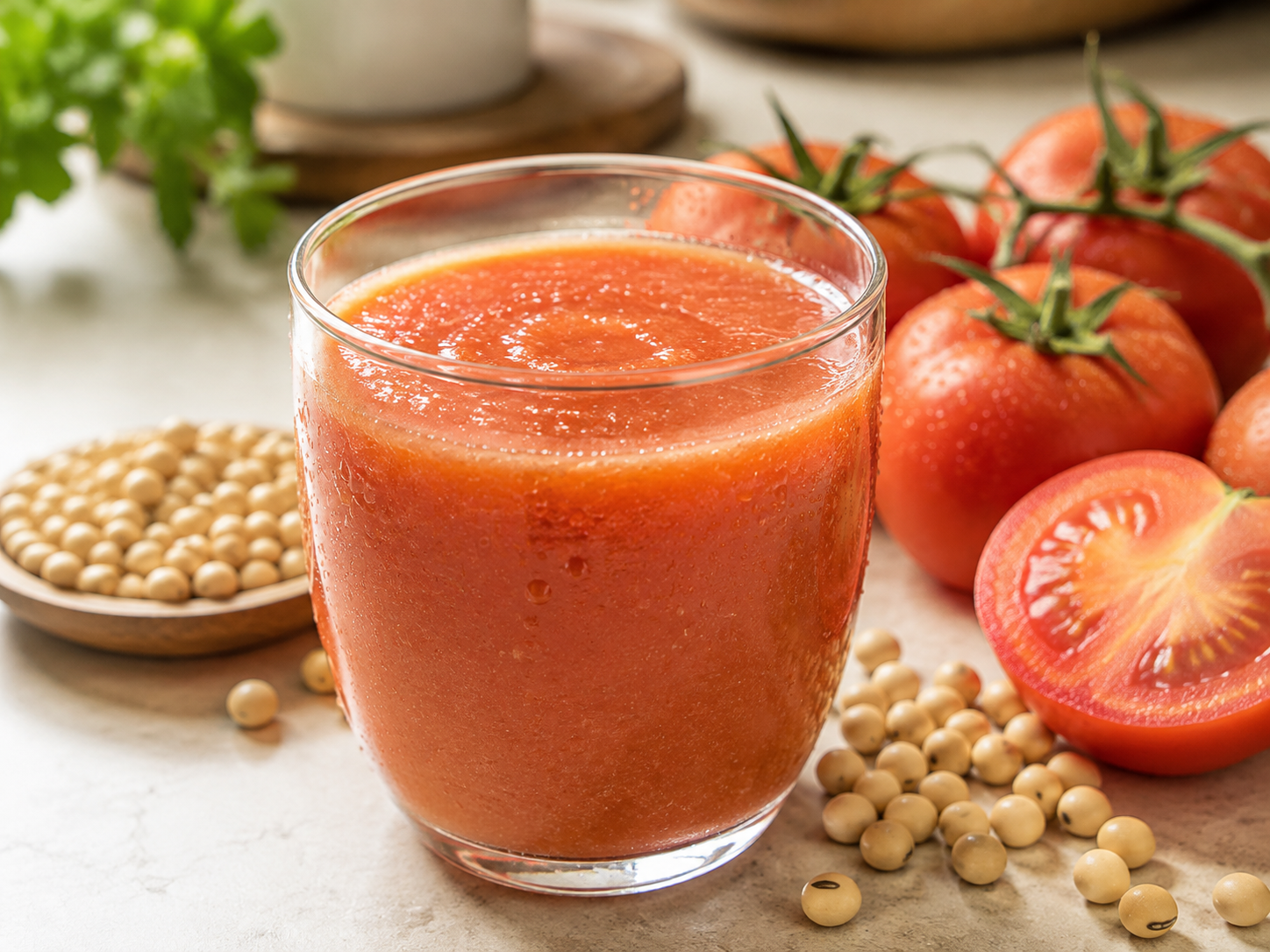
To start with the conclusion, the study participants... tomato bean juice Take daily for 4 weeksAfterward, a comparison of blood samples showed a significant decrease in inflammation-causing protein levels. Subsequently, a period of rest was followed, followed by a process of drinking regular tomato juice for four weeks.
The study was conducted by researchers at Ohio State University in the United States and involved comparing blood changes before and after consuming tomato and bean juice. Therefore, rather than a headline stating 'inflammation levels dropped sharply' A decrease in inflammation-related protein levels was observed.Understanding it this way captures the research content more accurately.
Tomato soy juice is a beverage that shows a reduction in specific inflammation-related proteins after 4 weeks of consumption, but it is not a beverage that treats inflammatory diseases.
The reason tomatoes and beans were included together lies in the combination of ingredients.
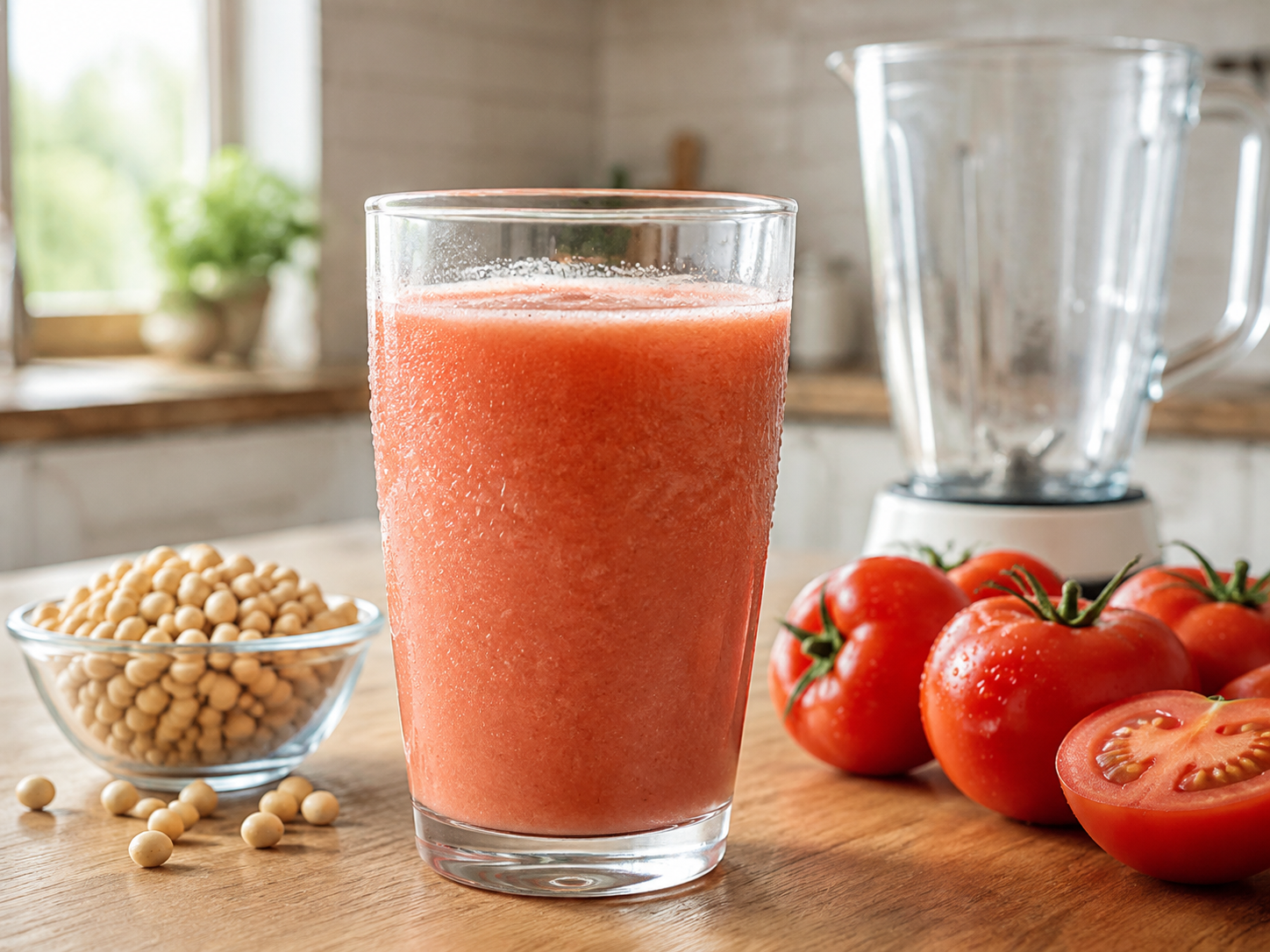
The main component of tomatoes is lycopene. Lycopene is a carotenoid found in tomatoes and is an antioxidant that has been studied in relation to oxidative stress.
Soybeans contain isoflavones. Isoflavones are also plant-based compounds studied for their antioxidant and anti-inflammatory effects, and the combination of consuming them with lycopene from tomatoes became the focus of this study.
However, this does not mean that all beverages containing both ingredients will yield the same results. Since the ingredient composition of the tomato-bean juice used in the study cannot be considered identical to that of commercially available soy milk, you should not apply the research results directly to all products based solely on the beverage name.
Juice and regular food, in which way can they be consumed?

| Form of intake | Main ingredients and components | Points to consider in the diet |
|---|---|---|
| Tomato and bean juice | Lycopene in tomatoes, isoflavones in soybeans | A decrease in inflammation-related proteins was observed after 4 weeks of intake in the study. |
| Tomatoes and soy milk | Conveniently consume tomato and bean ingredients together | You must check the sugar and calorie content of soy milk by product. |
| General food combinations | Tomato, tofu, beans, soybean paste | You can diversify your diet without relying solely on juice. |
It does not necessarily have to be in the form of juice. Tomatoes can be eaten raw or cooked, and soybean components can be consumed not only through soy milk but also through foods such as tofu, soybeans, and soybean paste.
While juice has the advantage of being convenient for busy mornings, it is difficult to obtain all the nutrients for a meal from just one glass. Even if you drink tomato and bean juice, adding other foods like nuts, eggs, and whole grains can make your meal more balanced.
The direction of the entire diet rather than a single foodThis is important. Increasing the intake of vegetables and legumes in various forms and reducing sugary drinks and liquid fructose beverages fits better into a daily diet for managing inflammation.
When choosing soy milk, check first whether it is sweetened.

Not all soy milk products are the same. Sweetened soy milk, which contains sugar or syrup, can be high in sugars and calories depending on the product, so drinking it daily can increase your total daily sugar intake.
If you drink soy milk every morning, it is practical to prioritize looking for unsweetened products. Instead of just looking at the 'unsweetened' label on the front of the packaging, comparing the sugar, calorie, and protein content on the back nutritional information makes it easier to identify the differences between products.
Even sugar-free products vary in their raw materials and nutritional composition. By checking the soy content, sodium, fat, and added ingredients, and selecting according to your portion size, you can easily create a breakfast menu to eat with tomatoes.
Points not to be missed when applying research results to daily life
What this study showed is that changes in inflammation-related proteins appeared in the blood after 4 weeks of consumption. However, based solely on these results, it cannot be interpreted that long-term consumption prevents disease or treats existing inflammatory diseases.
Furthermore, the body's inflammatory state is influenced by various factors, including sleep, physical activity, weight, alcohol consumption, smoking, and the composition of the entire diet, not just a single food item. If you continue to consume sugary drinks and excessive sugars even while adding tomato and bean juice, the direction of your diet may not change.
To summarize, the selection criteria are simple. Research has shown potential for the combination of tomatoes and soybeans, and a reduction in inflammation-related proteins was confirmed after 4 weeks of consumption. In daily life, a practical way to utilize this is to choose soy milk with lower sugar content than sweetened products, and to expand your diet with a variety of foods such as tomatoes, tofu, soybeans, and soybean paste.