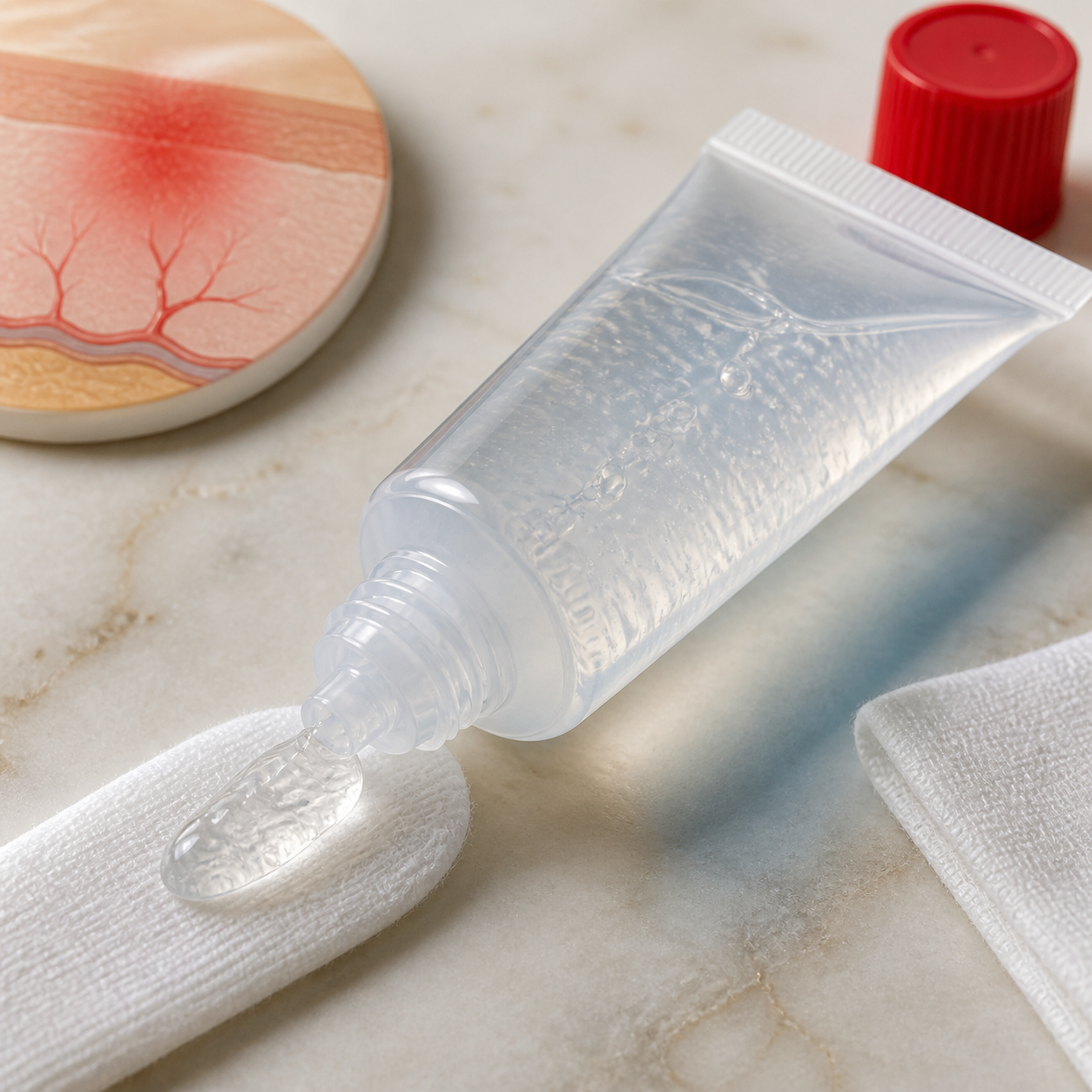
You may be most confused about Sungkwang Lidocaine Jelly, which is applied to the gums before dental treatment, regarding whether it is safe to swallow and how much to apply. In this article, we have summarized the essential information you need to know, ranging from the role of lidocaine jelly to when to use it, food intake, and how to deal with side effects.
Even though the name includes 'jelly,' it is not a product to be eaten like a snack, but a local anesthetic that temporarily dulls the sensation of pain. In particular, since the oral mucosa is an area where drugs are easily absorbed, it is important to adhere to the principle of using a small amount in the designated area.
Where and how is Sungkwang Lidocaine Jelly used?
| situation | Appropriate response | Actions to avoid |
|---|---|---|
| Use of oral mucosa before the procedure | Apply a small amount 10 to 20 minutes before | Apply thickly to a large area |
| A state of numbness in the lips and tongue | Delaying food intake until sensation returns | Eating hot or hard food |
| If the pain persists | Pain transmission to the treating medical staff | Applying gel multiple times arbitrarily |
| Symptoms of rash and difficulty breathing occur | Stop use and notify medical staff immediately | Continue using while enduring the symptoms |
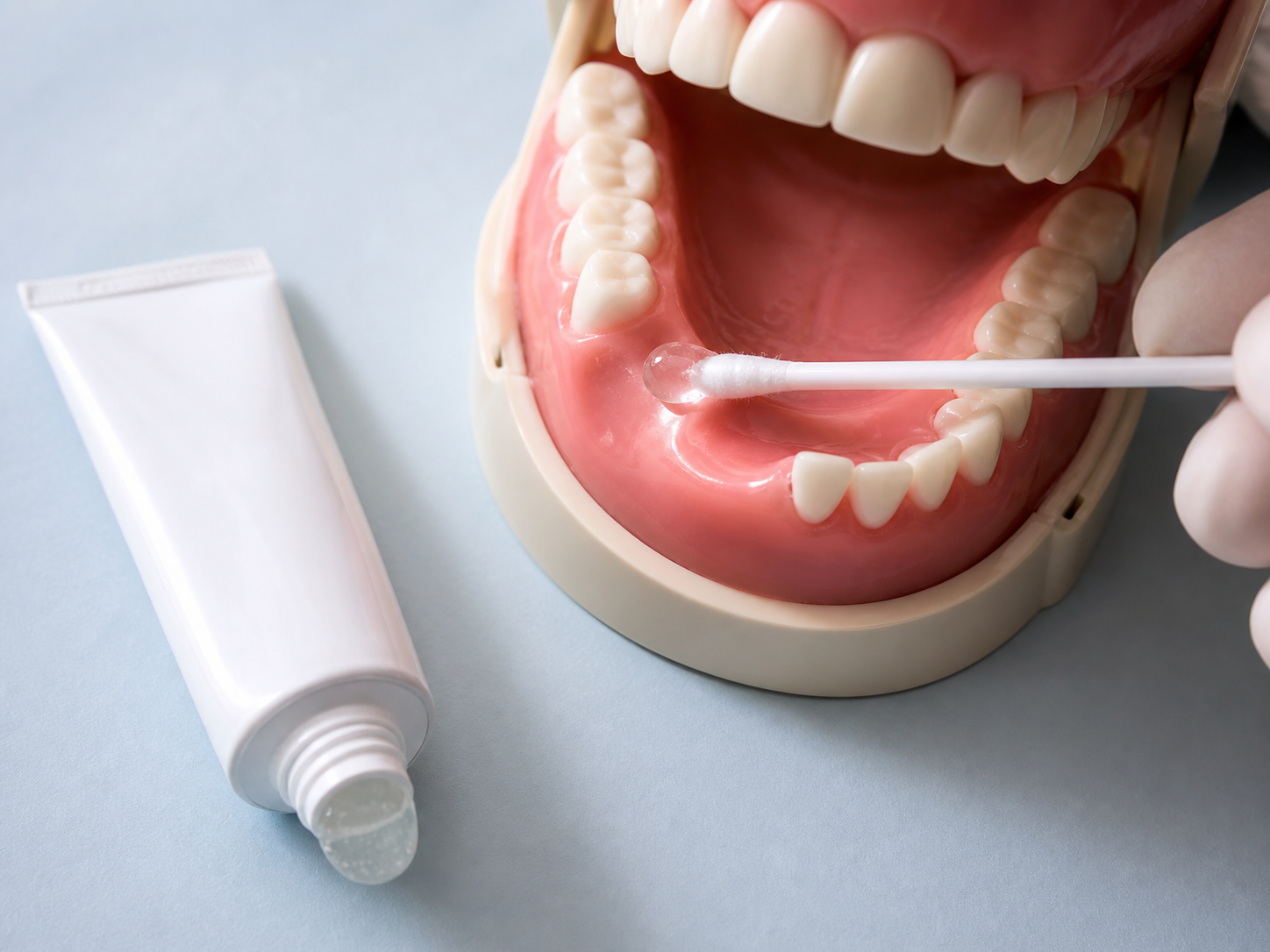
Lidocaine jelly temporarily reduces the action of nerves transmitting pain. Local anesthetic that dulls sensation in the affected areaIt is. In dentistry, it can be used to reduce discomfort in the gums or oral mucosa before injection anesthesia.
A common use example is for procedures. 10~20 minutes ago It is applied to the necessary areas. The standard usage is a small amount about the size of a pea, and you should avoid spreading it thickly over a large area if you experience pain.
After applying the gel, be careful not to touch other mucous membranes or the area around the eyes with your hands. It is safer to wash your hands immediately if they have the medication on them.
Lidocaine gel is an adjunct to reduce needle pain, but it is not an anesthetic method that eliminates pain throughout the entire treatment process.
Distinguishing whether it can replace injectable anesthesia

Gel applied to the surface alone is insufficient to adequately block irritation reaching deep tissues. Therefore, in procedures involving significant irritation, such as scaling, cavity treatment, and tooth extraction, injectable anesthesia is sometimes used in conjunction with the gel.
Conversely, it can help reduce the stinging sensation the moment the needle touches the gum surface. The use of gel alone and injectable anesthesia differ in their purpose and depth of action.It is easy to understand if you distinguish the points.
It is not appropriate to arbitrarily apply more gel if pain persists during dental treatment. The medical staff performing the treatment will decide whether additional anesthesia is necessary.
What should I do with food and saliva after applying it inside the mouth?
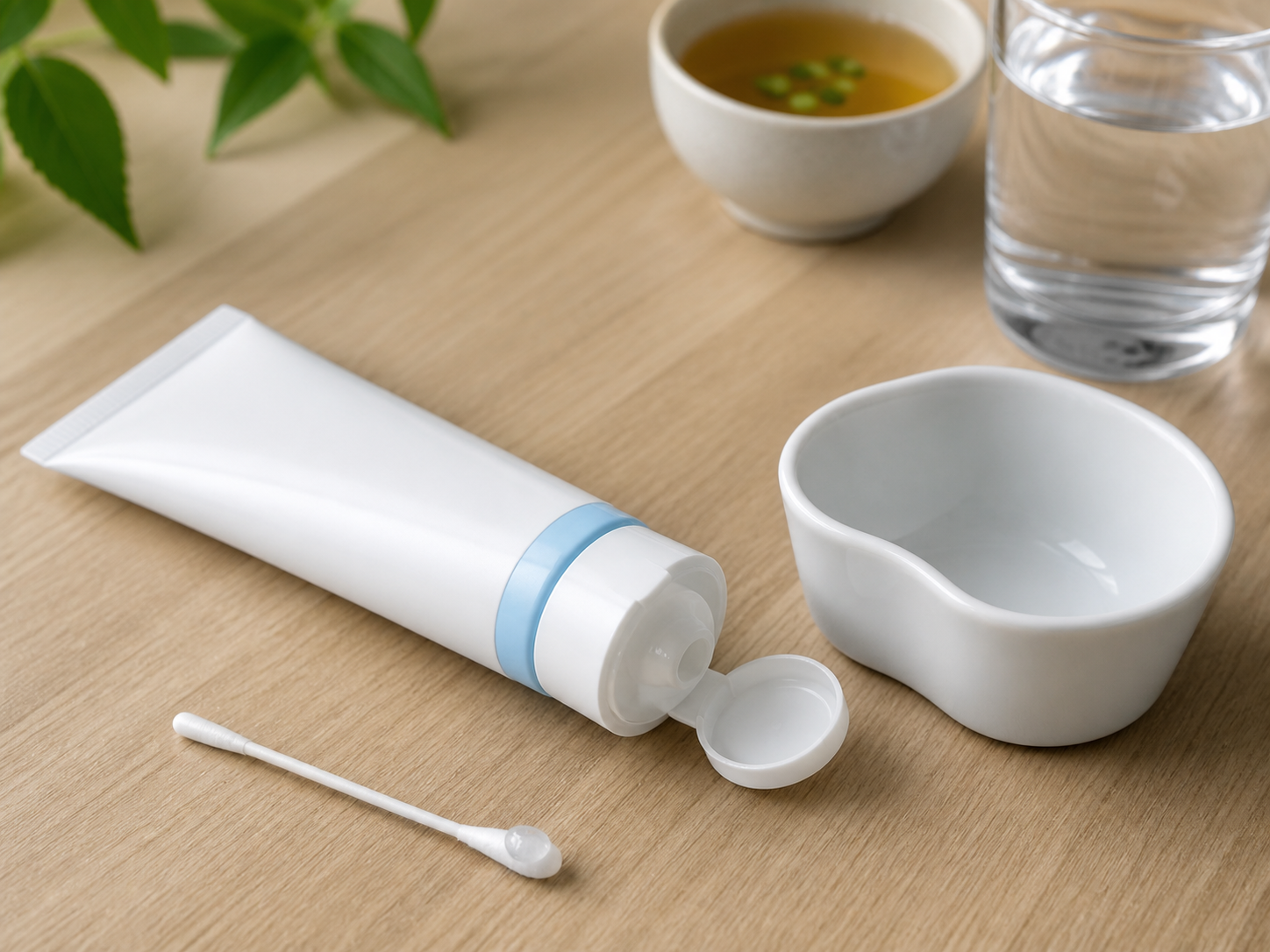
Lidocaine gel used on the oral mucosa Take care not to swallowYou must do so. Even if it feels like it mixes with saliva and lingers in your mouth, the correct approach is to spit it out as much as possible and not hold it in your mouth longer than necessary.
When the sensation in your lips, tongue, and the inside of your cheeks is dulled, you may burn yourself on hot food or bite the inside of your cheek. It is best not to eat or drink until your senses have fully returned.
Young children, in particular, find it difficult to accurately verbalize sensory impairment. When using oral lidocaine gel on children, consult with a medical professional rather than applying it repeatedly based on the guardian's judgment.
You need to be more careful in these areas and situations.

Do not apply the gel directly to wounded or inflamed mucous membranes. Damaged areas can lead to increased drug absorption and irritation, so they should not be treated the same way as healthy oral mucosa.
Situations involving the combined use of other local anesthetics also require caution. Repeated use of products containing lidocaine or repeated application over a short period of time may increase the risk of systemic side effects.
Pregnant women, the elderly, and children should consult a doctor before use. If you have previously experienced an allergic reaction after using a local anesthetic, you must inform the medical staff before treatment.
Signs not to miss when side effects occur
Skin rashes or itching may occur after using lidocaine gel, and you may also experience dizziness or headaches. If abnormal sensations in your lips and tongue persist longer than expected or feel different from usual, you should stop using it.
Difficulty breathing is a serious symptom that requires immediate notification to medical staff.Reactions such as facial swelling or difficulty breathing must also be addressed quickly using the same criteria.
Local anesthetics are medications used only where necessary and in the required amount. Please keep in mind that Sungkwang Lidocaine Jelly is not a product to be applied repeatedly to endure pain, but rather a gel used for its intended therapeutic purpose.
The most important principle is to use only a small amount on the oral mucosa and not to eat or chew until sensation returns.