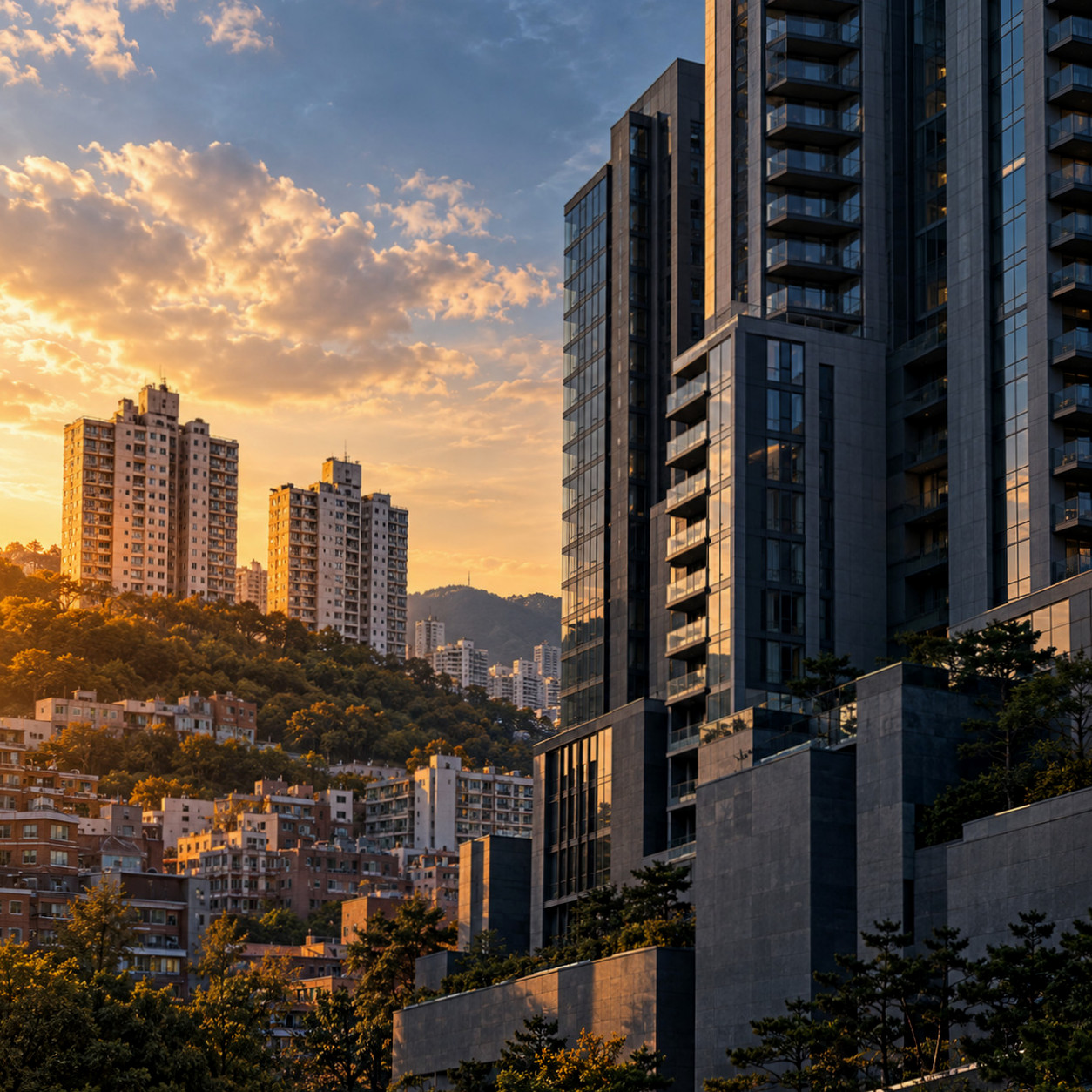
According to the weekly sales price trends from the Korea Real Estate Institute and KB Real Estate, apartment prices in Seoul are still rising. However, the rate of increase has been slowing for several months. A point worth noting is the regional difference. High-priced areas like Gangnam and Seocho have shifted to a flat or weak trend, while mid-to-low-priced outer areas such as Geumcheon, Dobong, Nowon, and Seongbuk are continuing a slight upward trend.
This article explains the reasons for the diverging trends within Seoul, categorized into three criteria: loan regulations, price burdens, and the Jeonse market. It also summarizes indicators to consider when assessing whether the market is cooling, as well as items for actual buyers to check.
The slowdown in the upward trend is closer to a breather than a major downtrend.
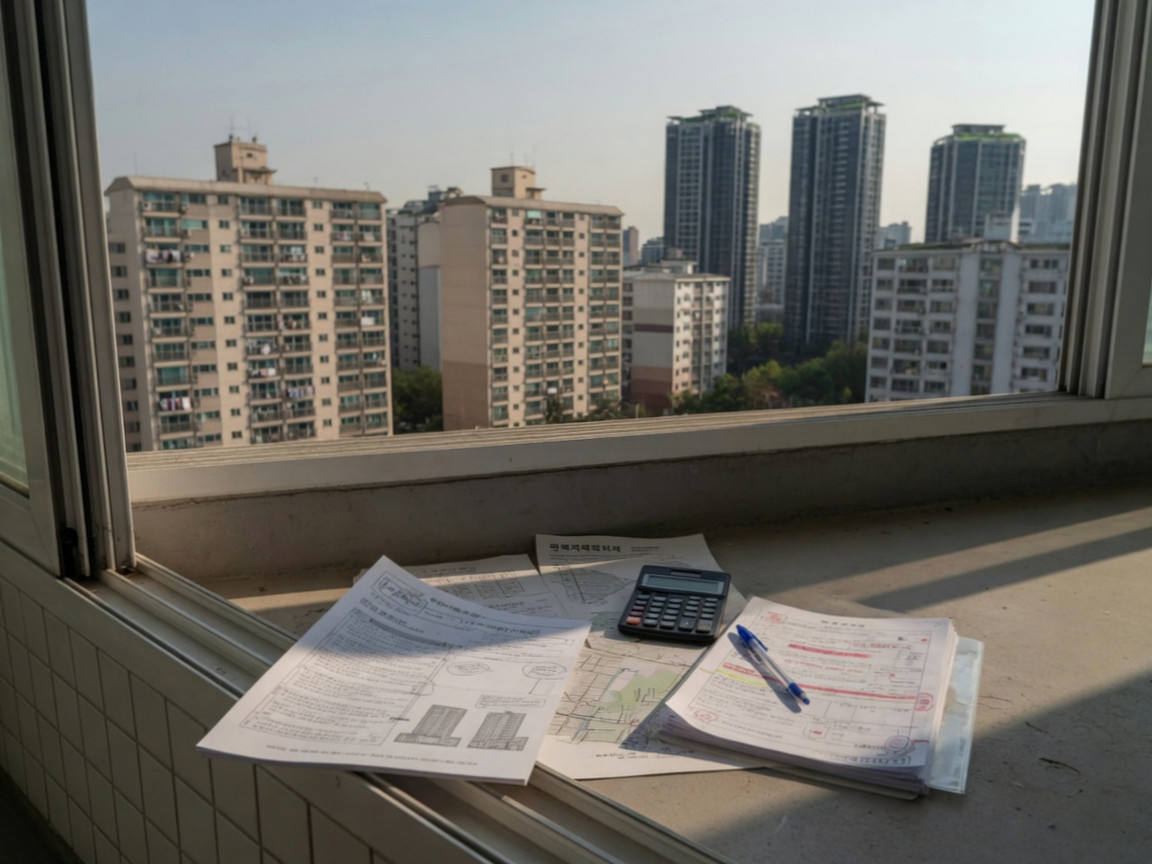
Recently, the prevailing interpretation of the Seoul apartment market is that rather than prices falling, the pace of price increases has slowed due to reduced transactions. Buying sentiment has paused as lending hurdles have risen and the burden of market peaks has accumulated, with some demand shifting to lower-priced areas. Consequently, the overall index is moving moderately, while regional disparities have widened.
This type of market phase is commonly referred to as a 'lull' or 'rotation trading.' It describes a market trend where lower-priced areas follow suit while the previously high-priced regions take a breather.
There are three reasons why the Gangnam area has slowed down.
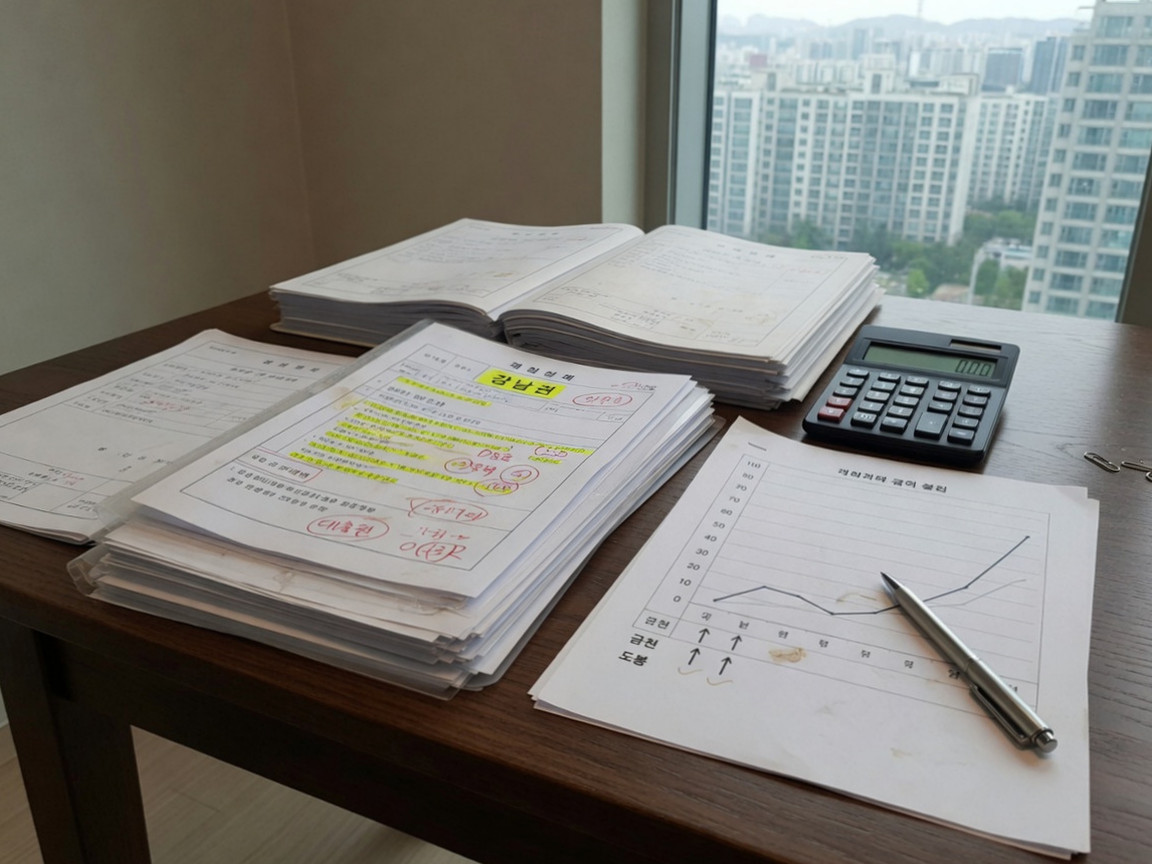
With reduced loan limits, the burden has increased for high-priced homes.
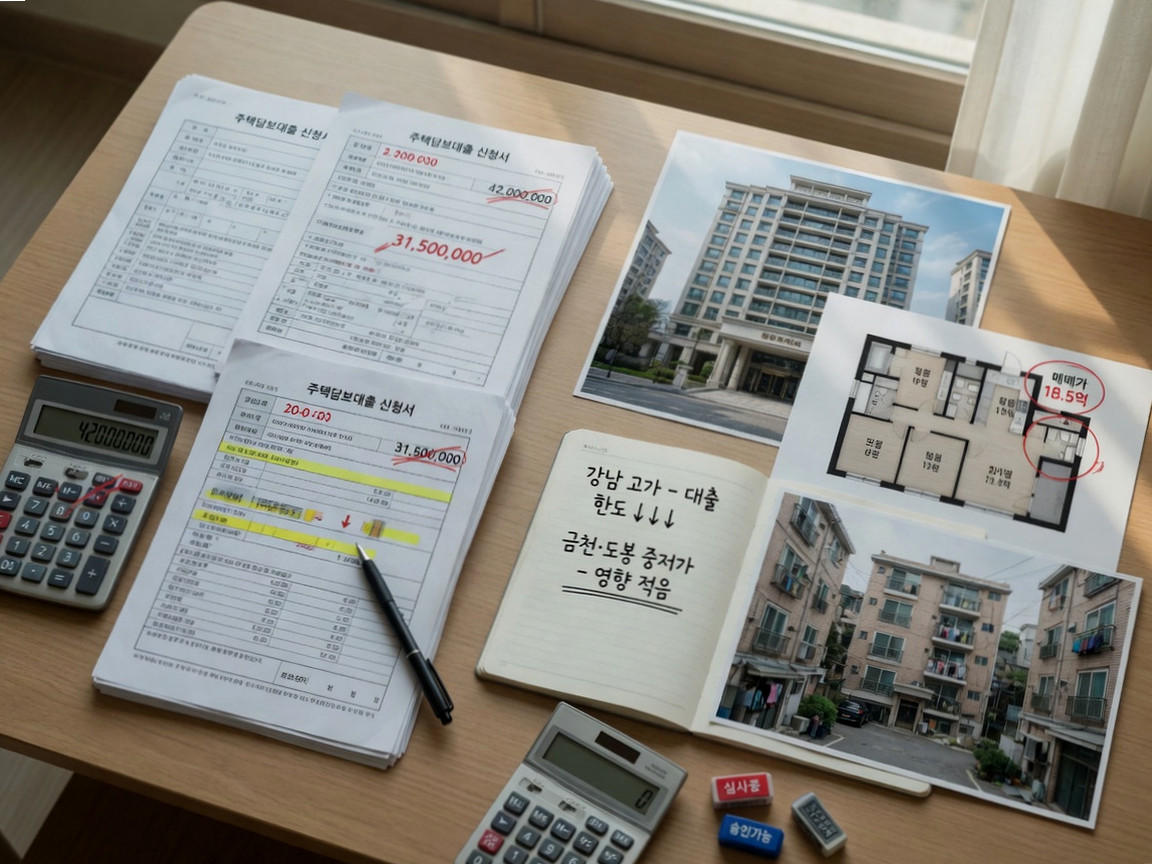
Mortgage loan limits have been reduced due to the tightening of the stress DSR (Debt Service Ratio) and adjustments in lending rates by commercial banks. Since the amount that must be covered by loans increases with higher housing prices, the impact of the limit reduction is more pronounced in high-priced homes.
There is also a view that demand groups with ample cash reserves are less affected by regulations. However, since even they weigh increased financing costs and tax burdens, it is difficult for transactions to increase significantly.
Price fatigue has increased since the record high.
Gangnam, Seocho, and Songpa saw a continuous recovery of previous highs and the setting of new record highs during the previous rally. As prices have already risen significantly, the momentum for further increases has weakened, and buyers are hesitating to follow higher prices.
The gap between the ask price and the asking price has widened.
Homeowners are holding onto their highest asking prices, while buyers are waiting for prices to drop. If this gap is not narrowed, listings will pile up and actual contracts will decrease. This is the direct reason why the index remains flat.
Conditions for outer areas like Geumcheon and Dobong to hold out
In mid-to-low-priced suburban areas, absolute prices are low, making it possible to purchase even within reduced loan limits. Furthermore, the relatively high Jeonse-to-sale price ratio makes it easier for tenants to switch to buying. As real demand seeking to purchase homes in Seoul shifts to these areas, the upward trend is being sustained.
The phenomenon where blocked demand in high-priced areas flows to other places is called the 'balloon effect.' A similar trend was observed in Nowon, Seongbuk, Gwanak, and Gangbuk.
Looking only at the growth rate figures can create an illusion.
In areas with lower prices, the rate of change is calculated to be higher even for the same monetary increase. Therefore, it is difficult to conclude that Seoul as a whole is strong simply because the growth rates in the outskirts were high. It is more accurate to interpret this as a result of shifting demand.
Differences Between Gangnam and Outer Areas at a Glance
| division | High-priced areas such as Gangnam and Seocho | Mid-to-low priced areas such as Geumcheon and Dobong |
|---|---|---|
| Recent trends | Decrease in trading, flat, or weak | Maintaining a slight increase |
| Impact of loan regulations | The required loan amount is large, so it is a heavy burden. | Purchases are possible within the limit |
| Price burden | Fatigue after reporting | Relatively less risen |
| Major demand | Wait-and-see sentiment prevails | Real demand switching from Jeonse to purchase |
The Jeonse market supports the decline in sales prices.
Forecasts suggest that the supply of new housing units in Seoul over the next two to three years will be lower than in previous years. With even Jeonse listings being restricted due to mandatory residency requirements and regulations on gap investment, Jeonse prices in areas near subway stations and preferred complexes are on the rise.
If Jeonse prices rise, the gap with sale prices narrows, making it difficult for housing prices to fall significantly. For this reason, the market views a prolonged period of sideways movement as more likely than a sharp decline.
Indicators to look at when determining if the market is cooling down
It is difficult to determine the direction of the market based solely on the rate of price fluctuation. You must also examine whether trading volume is decreasing and whether similar actual transaction prices are repeating within the same complex. If these two signals overlap, it could indicate that the market is starting to freeze.
- Trading volume: If prices hold steady but trading continues to decline, it is a sign that the wait-and-see sentiment is becoming prolonged.
- Actual transaction price repetition: If contracts are only being signed in the same price range, it can be seen that the upward momentum has weakened.
- Increase/Decrease in Listings: The speed at which listings accumulate demonstrates the power struggle between sellers and buyers.
- Interest Rates and Lending Policies: Even if interest rates fall, the recovery of transactions may be limited if the stance on managing household debt is maintained.
The inspection items for actual users vary depending on the situation.
Non-homeowners can look for distressed sales below market price when the market is quiet. However, they must first calculate their loan eligibility and repayment ability. For a single-home owner looking to upgrade to a higher-tier location, the financial pressure varies significantly depending on whether they sell their existing home first or purchase a new one.
Loan regulations and taxes vary depending on personal income, the number of homes owned, and the timing of the purchase. It is safer to consult with financial institutions and tax experts based on your specific circumstances before signing an actual contract.
In summary, the Seoul market is currently taking a breather in high-priced areas due to lending restrictions and concerns about market peaks, while actual demand has shifted to mid-to-low-priced areas on the outskirts. It is helpful to make decisions based on your financial capacity and location value rather than short-term indices, and to consistently record changes in transaction volume for complexes of interest to understand market trends.
Frequently Asked Questions
Have Seoul apartment prices started to fall?
Overall, while the pace of the rise has slowed, it is difficult to view this as a major downtrend. Trends vary by region, with high-priced areas remaining flat or weak, and outlying areas showing slight gains.
Why did Geumcheon and Dobong rise while Gangnam stagnated?
Outlying areas have lower prices, making them affordable even within reduced loan limits, and the high ratio of Jeonse to purchase price makes it easy to switch to buying. This is interpreted as a balloon effect where real demand, previously blocked in high-priced areas, has shifted.
If the growth rate in the outskirts is high, does that mean Seoul as a whole is strong?
It is difficult to view it that way. In areas with lower prices, the rate of increase is calculated to be significantly higher even with the same monetary rise, so it is more accurate to consider this as a result of a shift in demand.
How can you tell if the market is cooling down?
Along with the rate of price fluctuation, you must also check for a decrease in trading volume, the repetition of the same actual transaction prices, and whether the supply of listings is increasing. If these signals overlap, it may indicate that the wait-and-see attitude is becoming prolonged.
Will trading pick up again if interest rates fall?
Interest rate cuts are a variable that can increase liquidity. However, if lending regulations are maintained due to the stance on managing household debt, the recovery of transactions may be limited.