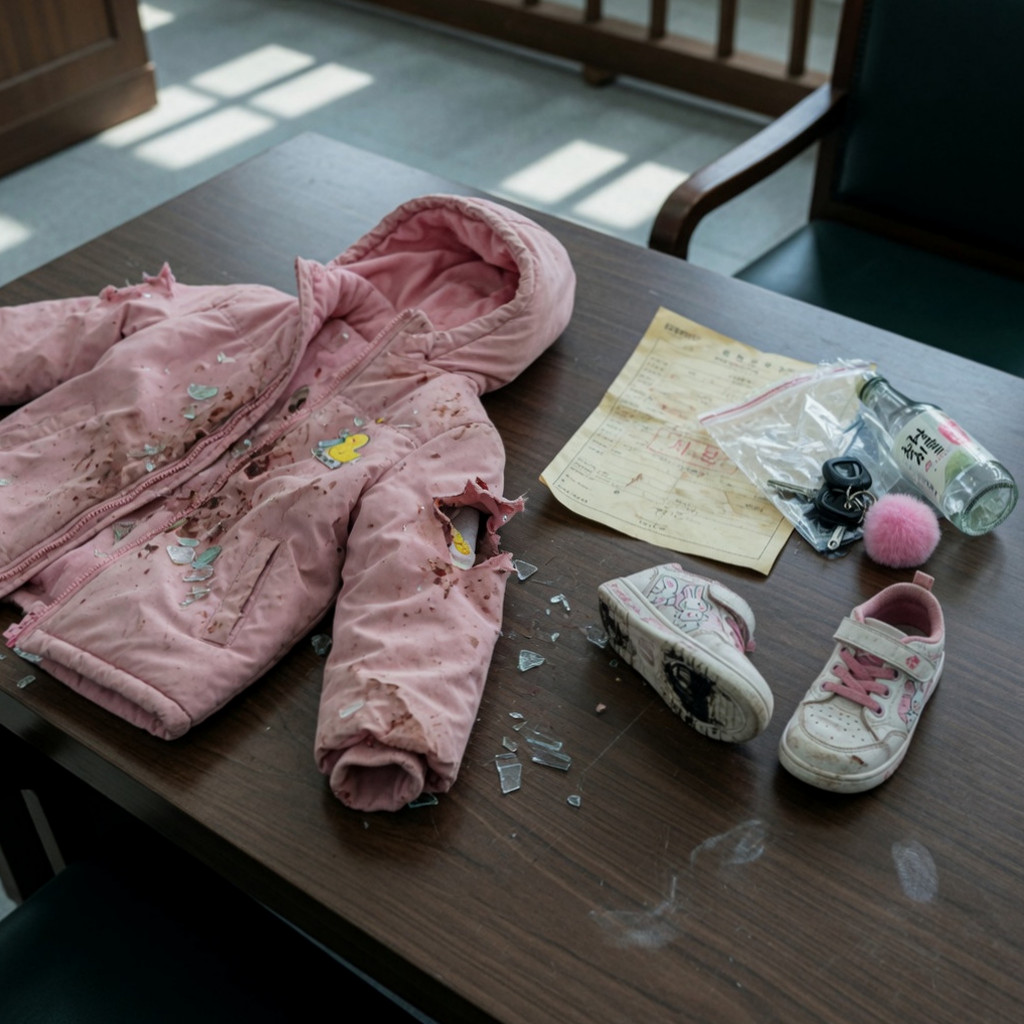
The prosecution has demanded a 17-year prison sentence in the appeal trial for a mother in her 30s who killed a motorcycle driver while driving at 178 km/h with her two daughters on board while intoxicated. The defendant, who was sentenced to 12 years in prison in the first trial, effectively faced a heavier sentence in the appeal; this is due to the fact that the case went beyond simple drunk driving resulting in death and recognized emotional abuse against her children. We will examine the key issues surrounding this case, step by step, from the blood alcohol concentration and speed figures to the reasons behind the child abuse charges.
At the final hearing of the appeal trial for this case held at the Daejeon District Court, the voices of the children captured on the dashcam were cited as the decisive moment that changed the course of the trial. As the testimony of the victims' families and the defendant's final statement diverged, stories of different weight were exchanged regarding the same accident.
On what grounds was the 17-year sentence requested?
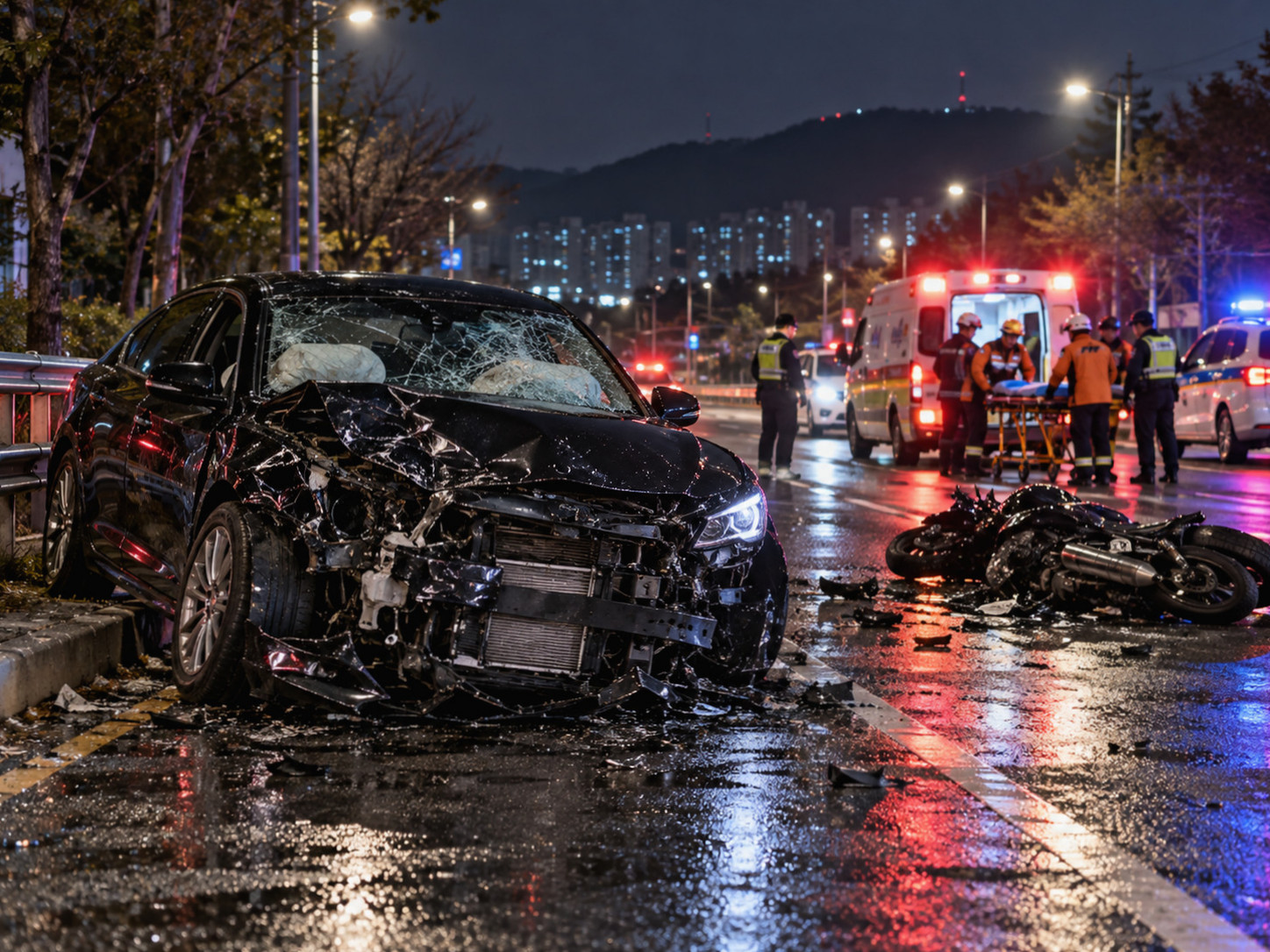
The 17-year prison sentence requested by the prosecution in the appeal trial is a figure calculated by combining the charges of fleeing the scene of death under the Act on Aggravated Punishment of Specific Crimes and violating the Child Welfare Act (child abuse). This is a request for a sentence that is 5 years longer than the 12-year sentence in the first trial, and it is necessary to distinguish that this is the prosecution's opinion and not a finalized judgment.
The incident occurred on January 4, 2026, at approximately 9:19 PM on a road in Hongseong-gun, South Chungcheong Province. At the time, Mr. A, who was 38 years old, had a blood alcohol concentration of 0.2111 TP3T, a level well exceeding the threshold for license revocation. Combined with the fact that he exceeded the speed limit by 118 km/h—specifically, driving at 178 km/h—it was assessed not as simple carelessness, but as extremely dangerous driving.
Even just looking at the speed and blood alcohol levels, one can guess why the prosecution sought a heavier sentence than in the first trial. Mr. A's two daughters, aged 4 and 6, were passengers in the vehicle, and Mr. B, a 28-year-old man driving a motorcycle in the opposite lane, lost his life in the accident.
Why was the charge of fleeing the scene of an accident applied?

Mr. A was charged with hit-and-run resulting in death for fleeing the scene without providing aid to the victim immediately after the accident. The fact that he did not stop immediately at the scene of the accident served as the core basis for the charge.
However, the defense offered a different explanation regarding this matter. They claim that the driver proceeded about 100 meters further forward from the accident site, stopped the vehicle, and returned to the scene, asserting that there was no intention to flee in the first place.
One of the key issues in this trial is the divergence in interpretation regarding the same action, ranging from "fleeing" to "returning after a delayed stop." The defense attorney further explained that the defendant was heavily intoxicated at the time and could not properly recall the details of the accident, and that the claim of factual error in the first trial stemmed from this, not an attempt to evade responsibility.
Why were child abuse charges attached together?

A notable aspect of this case is that, in addition to the charge of causing death in a traffic accident, charges of violating the Child Welfare Act—specifically child abuse—were also applied. The prosecution determined that the reckless driving and the accident situation itself instilled fear and anxiety in the two daughters traveling with the suspect, classifying this as emotional abuse.
In fact, the dashcam footage from the time of the accident captured the voices of the two daughters saying, “I’m scared. Mom, please go slowly.” The situation, in which young children directly pleaded with their mother to slow down while she was driving, led to the conclusion that the children’s emotional safety was threatened, going beyond a simple accident.
On the other hand, it is reported that immediately after the accident, Mr. A protested to witnesses and others, claiming that his children were startled. Given the attitude displayed by the driver of the offending vehicle in a situation where the victim had died, it appears that this aspect was handled critically in court as well.
What position did the victim's family express?

Victim B's father appeared as a witness and requested that the children's reactions captured on the dashcam be carefully examined. He stated that driving with children in the car at such a speed was tantamount to suicide and added that this was likely not the defendant's first instance of drunk driving and reckless driving.
Having lost his only son, he also made it clear that a settlement was impossible. The victim's mother reportedly wailed in court, asking the defendant and his lawyer if they had ever offered a sincere apology; from the perspective of the bereaved family, the question of whether a sincere apology is offered remains a critical issue, separate from the criminal proceedings.
Generally, in traffic accident cases, whether an agreement is reached with the bereaved family is cited as a factor influencing sentencing. However, in cases like this one where the bereaved family refuses the settlement itself, how the court will reflect this in sentencing can ultimately only be determined through the sentencing outcome.
The defendant's arguments and remaining procedures are
Mr. A's lawyer conveyed to the court the position that the sentence imposed in the first trial was too harsh. It is reported that the lawyer requested leniency, citing reasons such as the fact that Mr. A had no intention of fleeing after the accident and that he made efforts to reach a settlement.
In his final statement, Mr. A himself said that this is the most shameful and embarrassing moment of his life, and that he will spend the rest of his life atoning for his actions and reflecting on his mistakes for the deceased. Along with an appeal for leniency in consideration of his potential for rehabilitation, he also conveyed his apologies to the victim's family and prayed for the repose of the deceased's soul.
The hearing held today was strictly the closing trial where the prosecution presented its sentencing recommendation, and the actual verdict of the appeal has not yet been announced. Given that all charges were found guilty in the first trial, the remaining point of interest in this case is how the sentence will be determined in the appeal.
What this case shows
This case takes on a different weight as the variable of a minor child being in the vehicle was added to the familiar risk factors of drunk driving and speeding. The voices of the children captured on the dashcam clearly demonstrate that a driver's own choices can have a direct impact on the safety and emotional well-being of the accompanying children.
The prosecution's requested sentence and the court's final verdict may differ, and the conclusion of this case can only be known after the appellate court's ruling. However, given the blood alcohol concentration of 0.2111 TP3T and a speed of 178 km/h, coupled with the plea of a child passenger, this case is likely to remain a precedent demonstrating that drunk driving and speeding can be treated as issues that go beyond mere traffic law violations.
Frequently Asked Questions
Is the prosecution's requested sentence for this case a finalized sentence?
No. The 17-year prison sentence is merely the figure requested by the prosecution in the appeal trial, and the actual sentence may vary depending on the court's judgment. In the first trial, a sentence of 12 years was handed down.
Does the charge of child abuse apply only when a child is directly hit or neglected?
In this case, child abuse charges were also applied based on the prosecution's judgment that the fear and anxiety experienced by the child passenger due to reckless driving constituted emotional abuse, rather than physical abuse.
Does hit-and-run resulting in death apply even if the vehicle was driven a little further after the accident?
In this case, the prosecution is arguing for hit-and-run resulting in death, while the defense is countering with the claim that there was no intention to flee, regarding the circumstances in which the driver went about 100 meters past the accident site, stopped, and returned to the scene; this is a point currently being contested in court.
Does the victim's family's refusal to settle affect the sentence?
Whether an agreement is reached with the bereaved family is generally known to be one of the factors considered in sentencing. However, in cases like this one where the family refuses the settlement itself, how the court will specifically reflect this can only be confirmed through the sentencing result.
When will the appellate court ruling be issued?
The provided materials only include news regarding the final hearing on September 30, 2026, and the date for the sentencing in the appeal trial is not specified. The sentencing result must be confirmed separately at a later date.