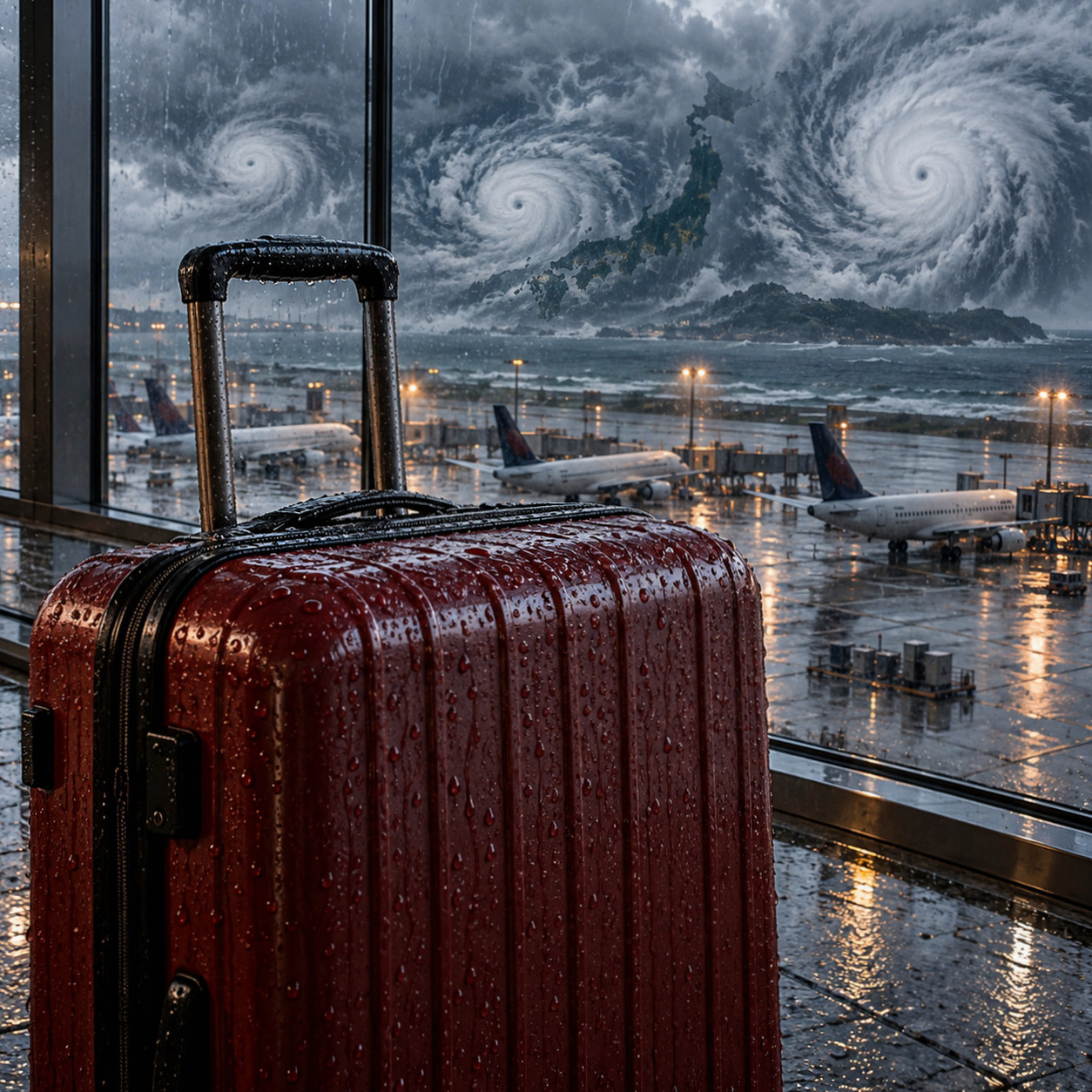
Early October is a time when many people travel to nearby Japan for vacations or business trips to coincide with the holidays. However, just as people are preparing to depart, three typhoons are simultaneously moving toward the seas off Japan. As a result, an increasing number of people are worried about flight cancellations or schedule changes.
This article summarizes the current strength, projected paths, and whether the three typhoons will actually make landfall on the Japanese mainland. It also includes guidelines on what to check and in what order before departure. The typhoon figures are based on data released by the Korea Meteorological Administration as of 9:00 AM on October 6. Please keep in mind that paths and intensities are subject to change as you read.
Will three typhoons make landfall on the Japanese mainland at the same time?

No. Based on the predicted paths released so far, none of the three typhoons will make a direct landfall on the Japanese mainland. Since their currents generally flow through the waters east of Japan or around islands far from the mainland, "simultaneous approach" is a more accurate description than "simultaneous landfall.".
However, it is too early to be relieved. Even if a typhoon merely passes through nearby waters, it can affect flights, ferry services, and access to coastal tourist destinations.
The condition where three typhoons are active simultaneously is commonly referred to as a "triple typhoon." South Korea is reported to be outside the direct impact zone of these typhoons.
Summary of Typhoon Strength and Predicted Paths
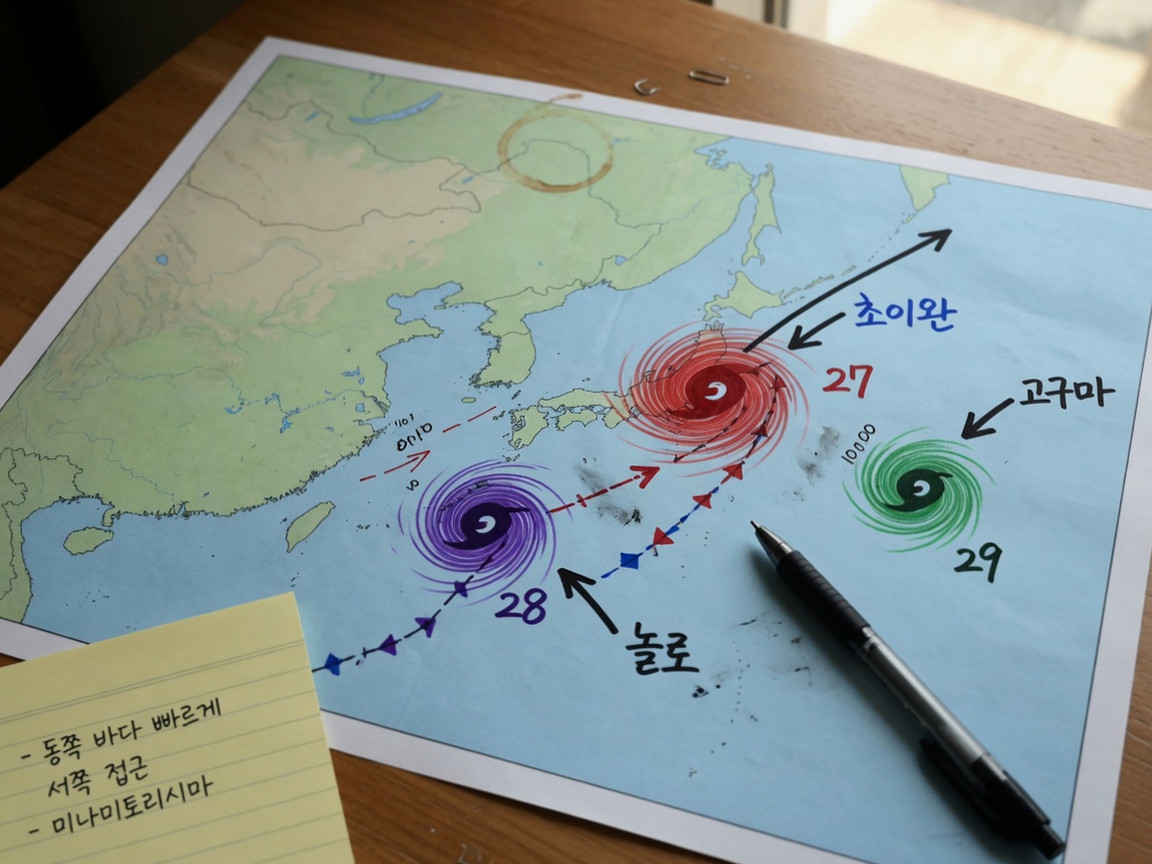
The three typhoons differ in strength and direction. The table below is based on information as of 9:00 AM on October 6.
| division | influence | Expected path |
|---|---|---|
| No. 27 Choiwan | Maximum wind speed 43 m/s, intensity 3 | It is expected to accelerate as it moves north-northeast along the sea east of Japan. |
| No. 28 Nolo | Maximum wind speed 43 m/s, intensity maintained at 3 | It is moving westward and is predicted to reach the waters east of Japan around the 10th. |
| Sweet potato No. 29 | Maximum wind speed 21 m/s, central pressure 994 hPa | It is moving northwest and is expected to approach the waters around Minamitorishima around the 9th or 10th. |
‘What does the name 'sweet potato' mean?
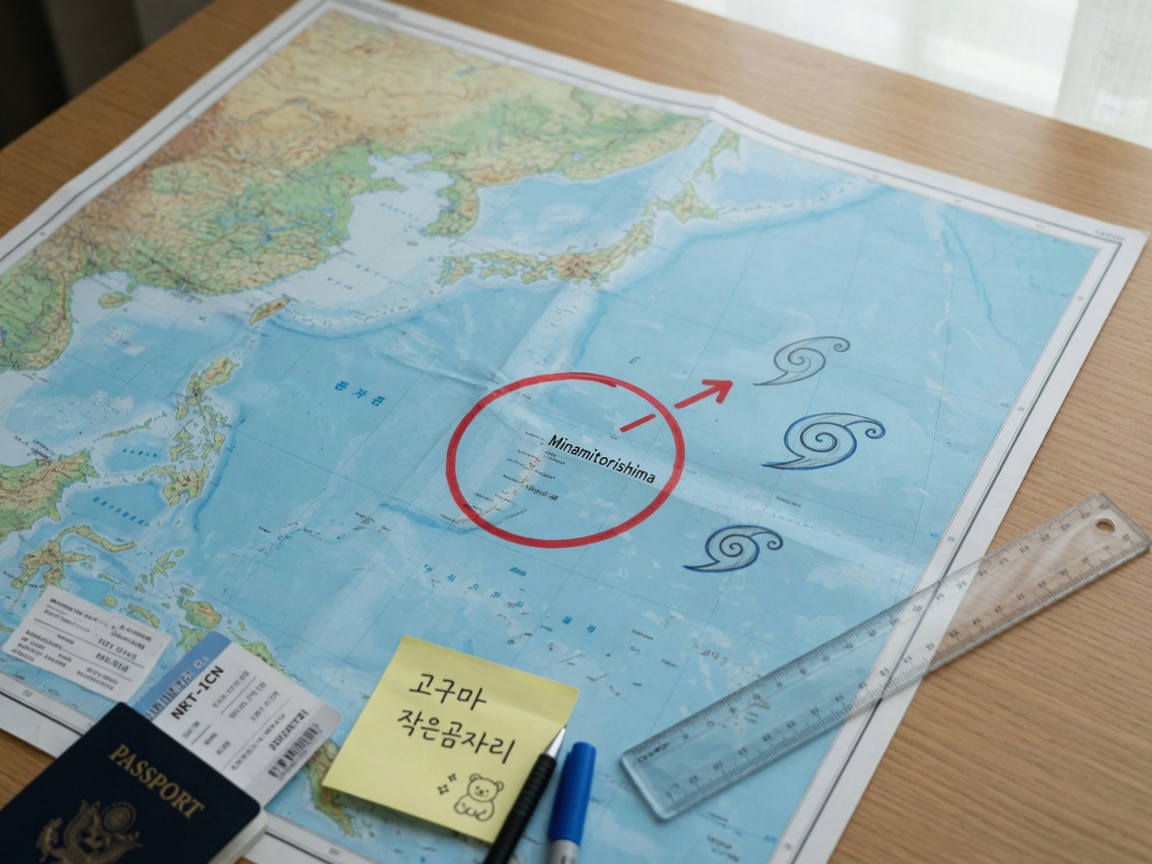
It is a typhoon name given by Japan, meaning 'Ursa Minor'. Typhoon No. 29, Goguma, formed on October 5 at 9 a.m. in the ocean approximately 2,560 km east of Guam.
Minamitorishima, where Typhoon Sweet Potato is expected to approach, is the easternmost island in Japan. It is located very far from the mainland. Therefore, just because it comes near this island, major tourist destinations like Tokyo or Osaka will not be immediately affected.
Potential impacts on holiday travel to Japan

Everything is still at the possibility stage. The information released so far is an estimate and forecast, and no flight cancellations or damages have been confirmed.
There are three main sectors that could be affected when a typhoon passes through the waters near Japan.
- Flights: Changes in departure/arrival times, delays, cancellations
- Vessels: Suspension of passenger ships or boats traveling to and from islands
- Coastal Tourist Sites: Restrictions on the use of beaches, ports, and seaside campsites
Posts asking whether they should postpone their departure on the 10th or if weekend flights might be canceled are flooding travel communities and social media. Some people are even considering whether to cancel their advance camping reservations.
5 steps to check before departure

It is difficult to make a decision based solely on worry. Checking each item in the order below will make it much easier to decide whether to maintain or adjust the schedule.
Step 1: Check if my destination overlaps with the typhoon's path
This is the first criterion to check. Whether the typhoon passes directly over your destination is far more important than the fact that there is a typhoon. You simply need to compare the predicted paths and arrival dates from the Korea Meteorological Administration and the Japan Meteorological Agency (JMA) with your travel schedule.
Step 2: Check airline flight announcements
When a typhoon approaches, airlines sometimes announce a 'special waiver period.' During this period, you can cancel or change your flight tickets without any fees. If no such announcement is made, it is safe to assume that standard refund policies apply.
Step 3: Read Accommodation & Campsite Cancellation Policies
The free cancellation deadline varies by accommodation. If you check in advance on the booking screen or in the confirmation email until when you can cancel without penalty, you won't have to rush your decision.
Step 4: Check Travel Insurance Special Clauses
Simply having insurance does not automatically guarantee coverage for cancellations or delays caused by typhoons. It is best to ask your insurance company directly whether there are relevant special clauses in the terms and conditions, and under what circumstances coverage applies.
Step 5: Check one more time right before departure
Typhoon paths can change even within a single day. Do not rely solely on forecasts from a few days ago; it is advisable to re-check weather advisories and flight status the day before and the morning of departure.
How common are typhoons in Japan in October?
It is not uncommon. Typhoon season runs from May to November, with activity concentrated between July and October. The October holidays also fall within the typhoon season.
On average, about 25 to 26 typhoons occur each year. Of these, only about 3 to 4 actually make landfall on the Japanese mainland. These two figures are different statistics, so you should not get them confused.
The level of risk also varies by region. Okinawa is the place that faces the most direct typhoons throughout the year. In the Kanto region, including Tokyo, typhoons often arrive weakened as they pass inland.
Finally, something you must remember
The criterion for judgment is not the number of typhoons, but whether they pass by your destination. The figures in this post are based on data from October 6, so they may have already changed. Please make sure to check the latest weather forecasts and airline announcements before deciding to depart.
Frequently Asked Questions
Will this triple typhoon make landfall on the Japanese mainland?
According to the predicted paths as of October 6, all three typhoons are expected to approach the waters east of Japan or the vicinity of distant islands, and will not make direct landfall on the mainland. However, even if they only pass through nearby waters, it could affect air and sea travel.
Is there an impact on Korea as well?
As far as is currently known, Korea is outside the direct impact zone of these three typhoons.
Can I cancel my flight ticket without a fee?
If the airline announces a special waiver period, you can cancel or change your reservation without a fee. If no such announcement is made, standard refund policies apply, so you must check the announcements from your airline.
Can I receive compensation for damages caused by a typhoon through travel insurance?
Not all travel insurance policies automatically cover cancellations or delays caused by typhoons. You must check with the insurance company to see if there are any relevant special clauses and what the coverage conditions are.
What does the name 'Goguma' mean?
It is a name given by Japan, meaning 'Little Bear'.