
Ginger is an underground stem ingredient with gingerol and shogaol as its representative components, and there are relatively many studies on its effects in alleviating nausea and improving digestive function. However, results regarding anti-inflammatory and menstrual pain relief are primarily based on powders or supplements, so they should be distinguished from the effects of a cup of ginger tea.
If you are seeking ginger tea due to cold symptoms or cold hands and feet during the winter, you should first be aware that the results vary depending on the form of consumption, the amount of added sugar, and any medications you are taking. Below, we summarize the changes in ingredients, efficacy by level of evidence, the difference between tea and ginger extract, the brewing ratio, and who should avoid it.
The difference between gingerol and shogaol
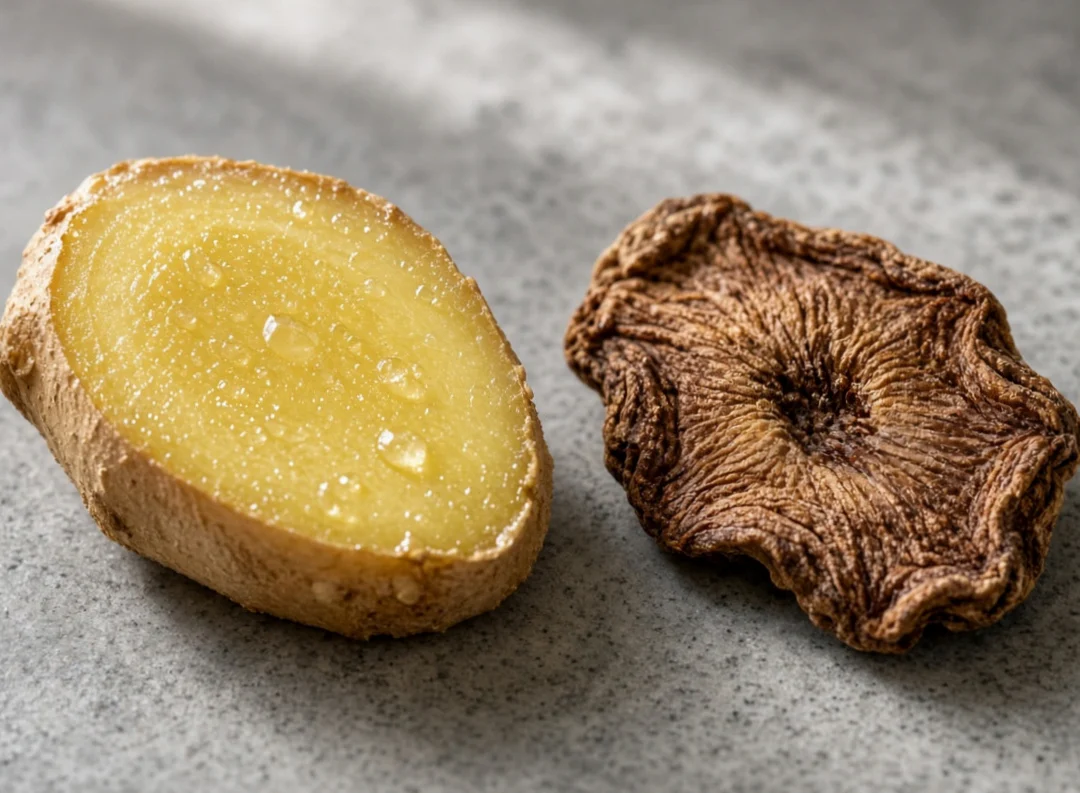
The key component responsible for the spiciness of ginger is gingerol, and some of it can be converted into shogaol when heated or dried. This means that even the same ginger has a different composition depending on whether it is eaten raw, boiled, or dried.
These two components are continuously being studied in relation to antioxidant and inflammatory responses. However, the amount contained in a cup of ginger tea is not the same as when eating fresh ginger. This is because the intake changes during the steeping process.
5 Benefits of Ginger Based on Evidence
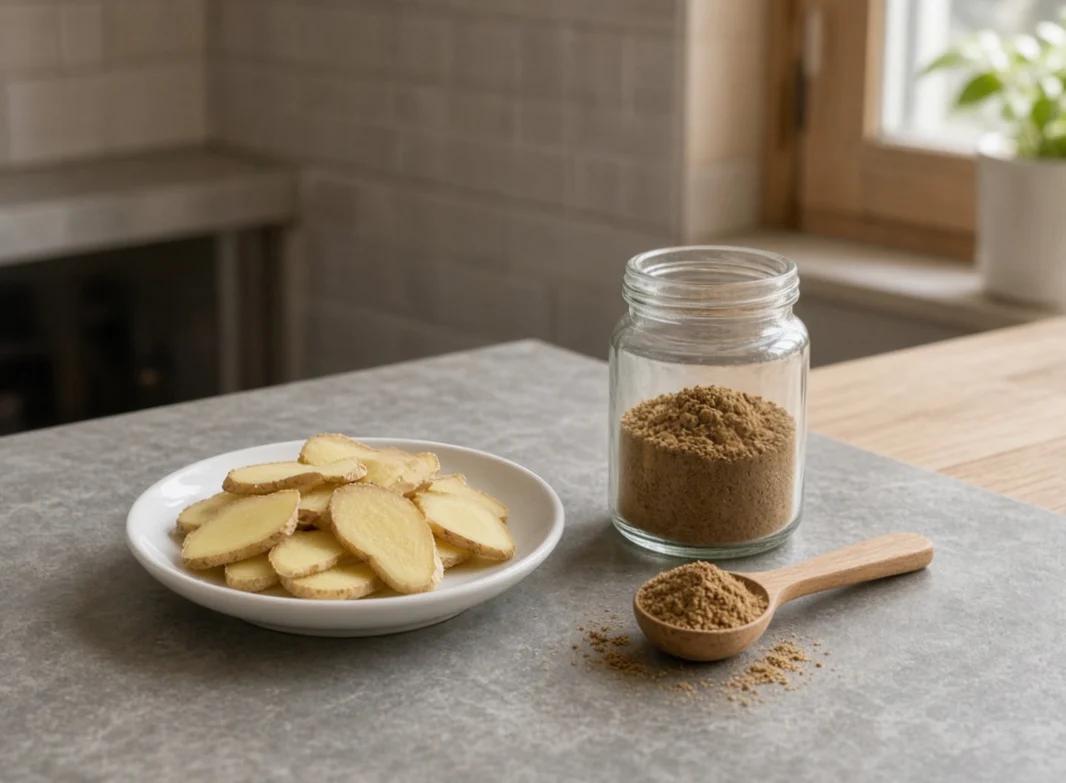
It is difficult to generalize the benefits of ginger as they include both extensively researched areas and those still in the potential stage. The order below is arranged starting with those that have relatively more evidence.
Nausea and digestion
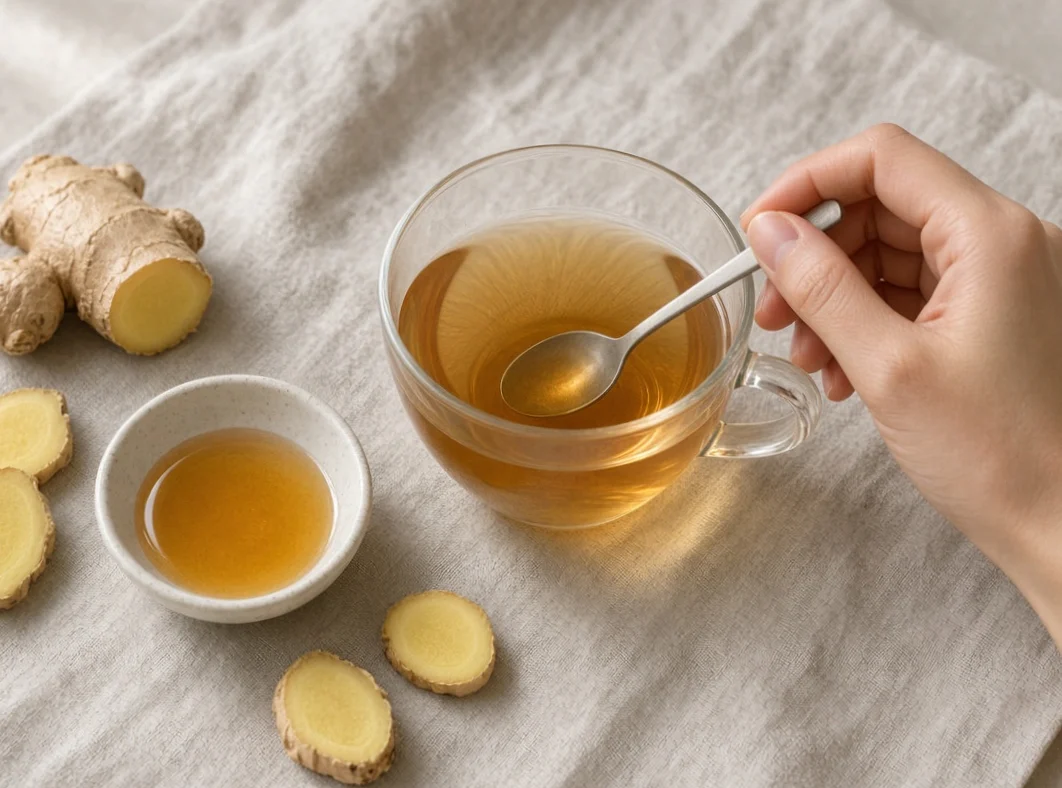
The relief of nausea and vomiting has the most research among the five categories. While its potential to help with morning sickness in early pregnancy is discussed, you should consult a medical professional before using highly concentrated products during pregnancy. Regarding digestion, there are studies suggesting it may affect gastric emptying speed, but its effectiveness in treating indigestion has not yet been established.
Antioxidant and inflammatory response

Gingerol and shogaol are components receiving attention in oxidative stress research. Some studies reporting changes in inflammatory markers were the result of using ginger supplements. Therefore, it is difficult to conclude that ginger tea treats arthritis or inflammatory diseases.
period cramps

Some small-scale clinical trials have reported the possibility that ginger powder may help alleviate menstrual cramps. It is not yet clear whether regular ginger tea yields the same results.
Comparison of ginger tea and ginger syrup
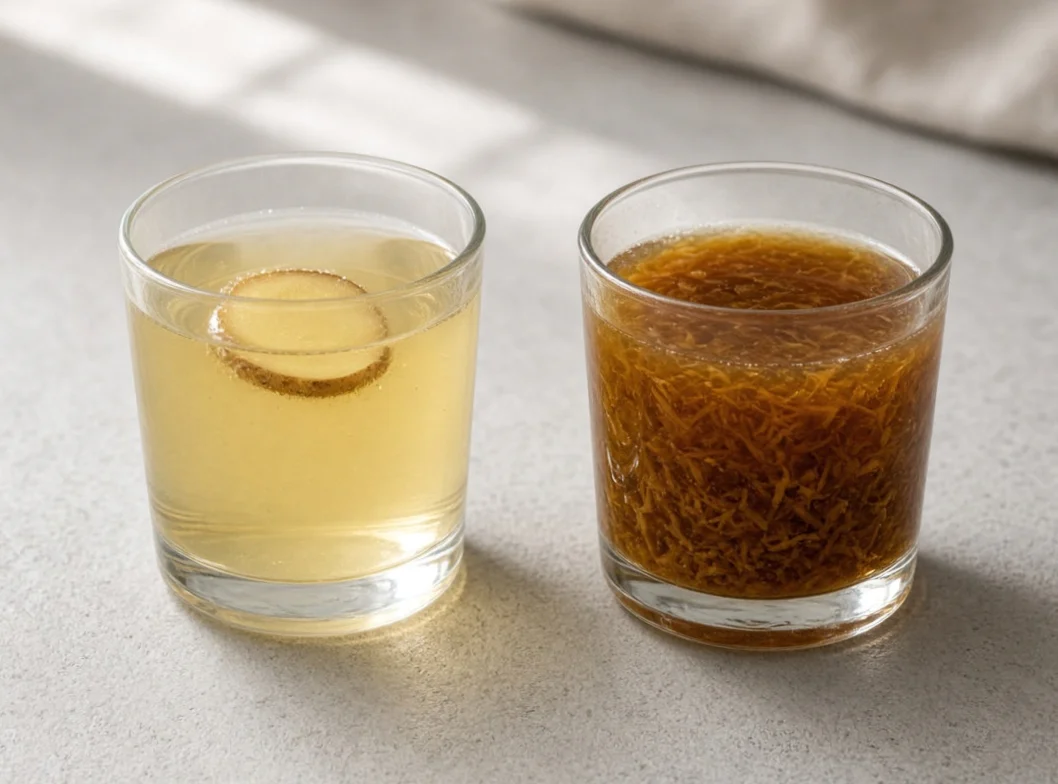
Although ginger tea and ginger syrup have similar ingredients, there are distinct differences in sugar content and calories. Ginger syrup is convenient because it is made by thinly slicing ginger, marinating it in sugar or honey, and mixing it with hot water, but the amount of added sugar increases proportionally to the sweetness.
| division | Sugar-free ginger tea | ginger syrup |
|---|---|---|
| Main ingredients | Ginger, water | ginger, sugar, or honey |
| 맛 | Spicy and clean | Sweet and rich |
| sugars | Less | Much depending on the mixing ratio |
| Calories | Relatively low | Increase by the amount of added sugar |
| Suitable situation | Daily hydration, blood sugar and weight management | When drinking tea quickly |
If you are managing your blood sugar or weight, the sugar-free option is less of a burden.
Quantity and Order for Cooking at Home
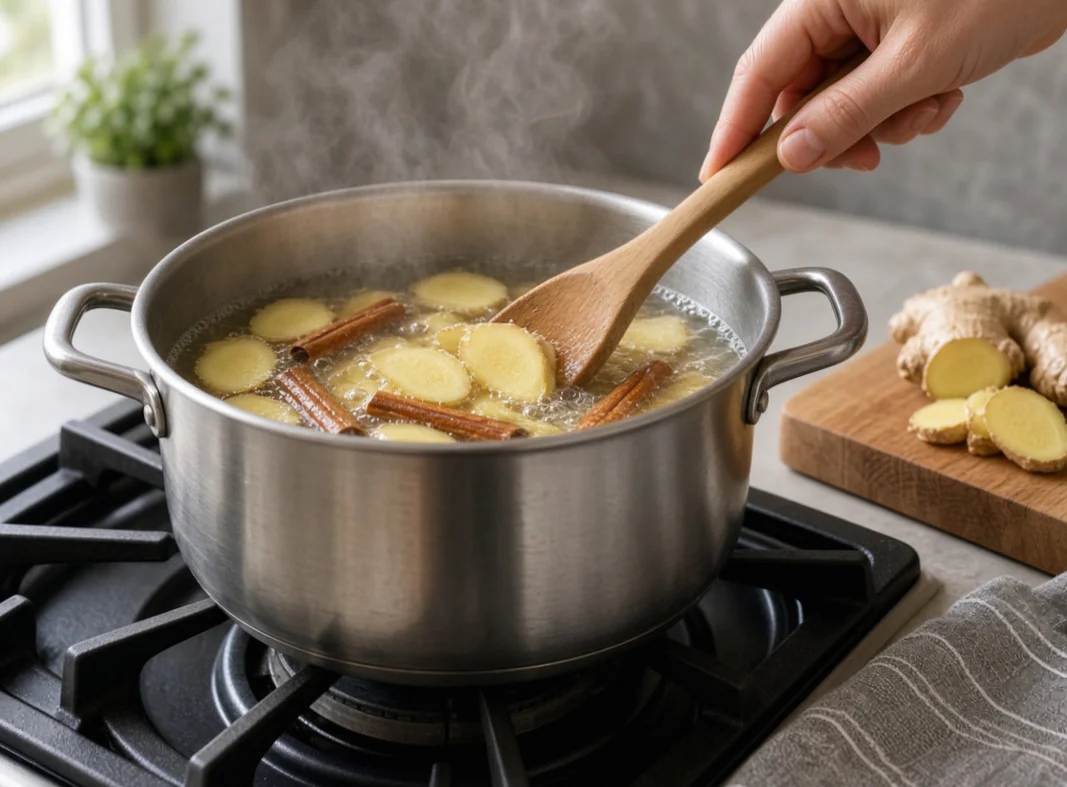
A typical preparation method for ginger tea involves adding 5–10g of thinly sliced ginger to 300–500mL of water and simmering it over low heat. This figure is merely a guideline for flavor and is not the medically prescribed daily recommended amount.
- Wash the ginger thoroughly and trim off any dirt and damaged parts.
- Slice thinly and put into a pot with water.
- Boil over low heat or steep in hot water.
- If the spicy taste is too strong, reduce the amount of ginger or add more water.
When preparing a batch for several days at once, you can also add 200g of ginger and 30g of cinnamon to 10 cups of water and simmer gently for over an hour. However, if you brew it too strongly in anticipation of its benefits, it may actually cause stomach discomfort.
Cases where caution is required regarding consumption
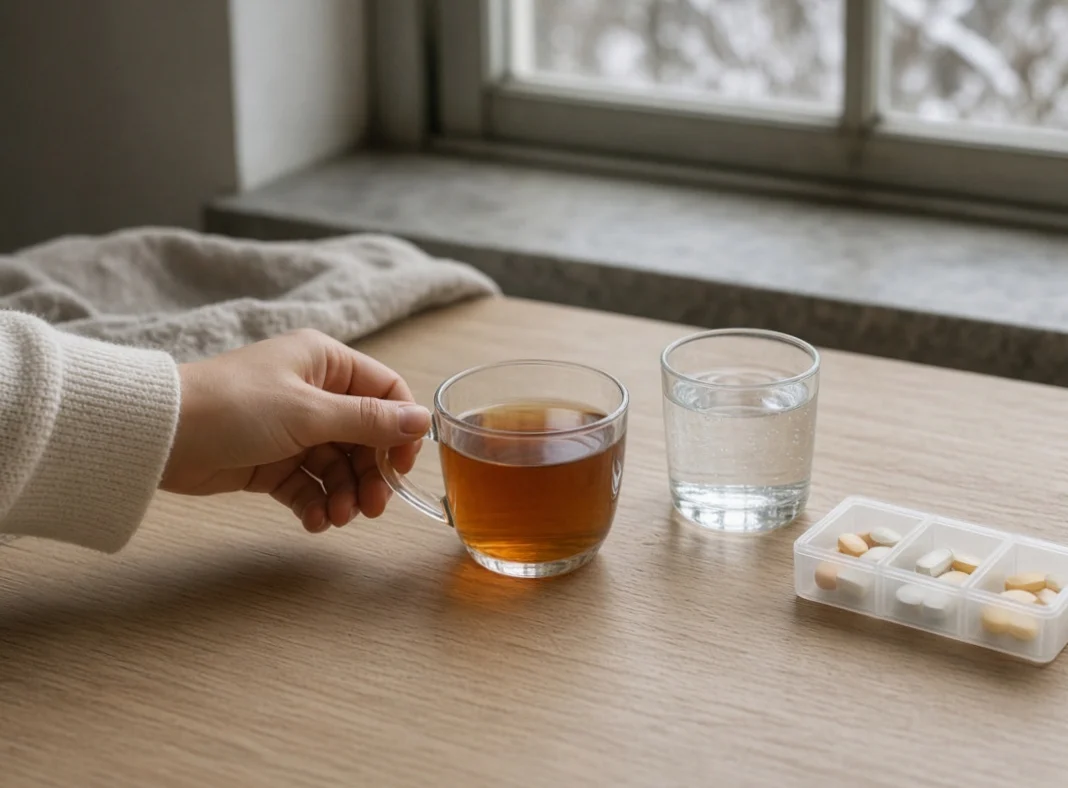
Ginger is generally safe when consumed in dietary amounts, but eating large quantities may cause heartburn, abdominal discomfort, or diarrhea. In particular, if any of the following apply to you, you should reduce your intake or consult a professional.
- In the case of a stomach ulcerYou should avoid ginger tea as it can be irritating.
- Gastroesophageal reflux diseaseSymptoms may become uncomfortable due to the spicy ingredients.
- People taking anticoagulants or antiplatelet agents: The decision to use high-concentration ginger supplements is made after consultation with a medical professional.
- pregnant womanConsultation is required for highly concentrated ginger products.
The effectiveness varies greatly from person to person and cannot replace the treatment of any disease.
Frequently Asked Questions
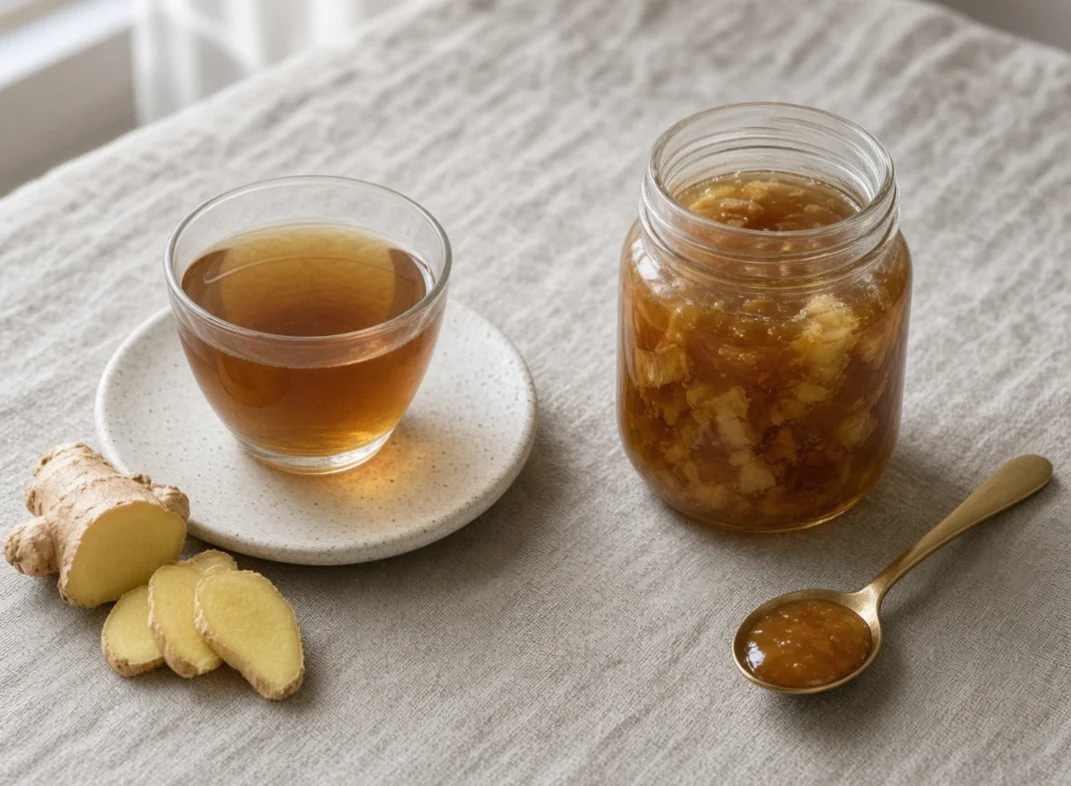
We have compiled boundary conditions that are easy to confuse depending on the situation. You should make your decision by choosing unsweetened ginger tea for light enjoyment, a small amount of ginger syrup if convenience is your priority, and seeking medical attention first if the goal is to improve specific symptoms.
Can I recover from a cold just by drinking ginger tea?
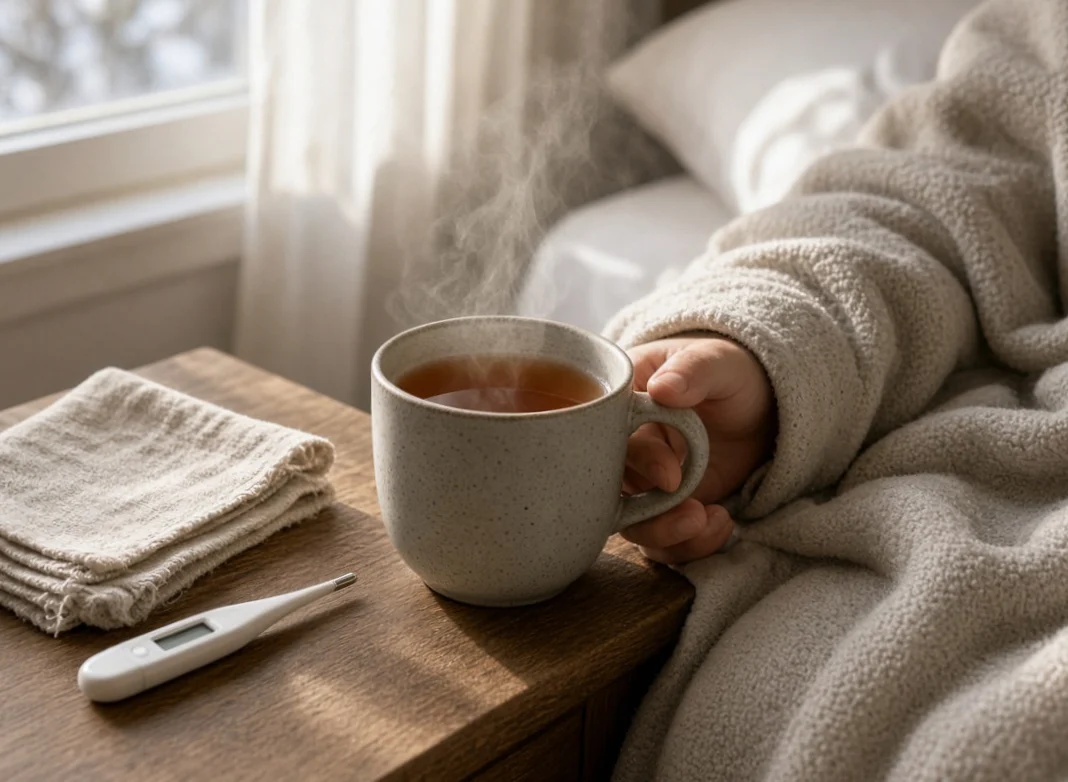
Ginger tea helps to keep you warm and hydrated, but it is not a drink that treats colds or bronchial diseases. You should seek medical attention if you experience a persistent high fever or severe cough.
Do commercially available ginger powder or supplements have the same effect as ginger tea?
It is difficult to consider them the same. Studies on menstrual cramps or inflammation markers have often been conducted in powder or supplement form, so the intake amounts differ from those of ginger brewed as tea.
Is it okay to add a lot of honey if the spicy taste is too strong?
The taste becomes milder, but the sugar and calorie content increase as well. Rather than adding sweetness, it is less burdensome to drink it weaker by reducing the amount of ginger or increasing the water.
I usually take medication like aspirin; is it okay to drink ginger tea?
If you are taking antiplatelet or anticoagulant medications, you should consult your healthcare provider first, especially regarding high-dose ginger supplements. Even ginger tea at food levels is safe if you inform them of your medications and receive guidance.