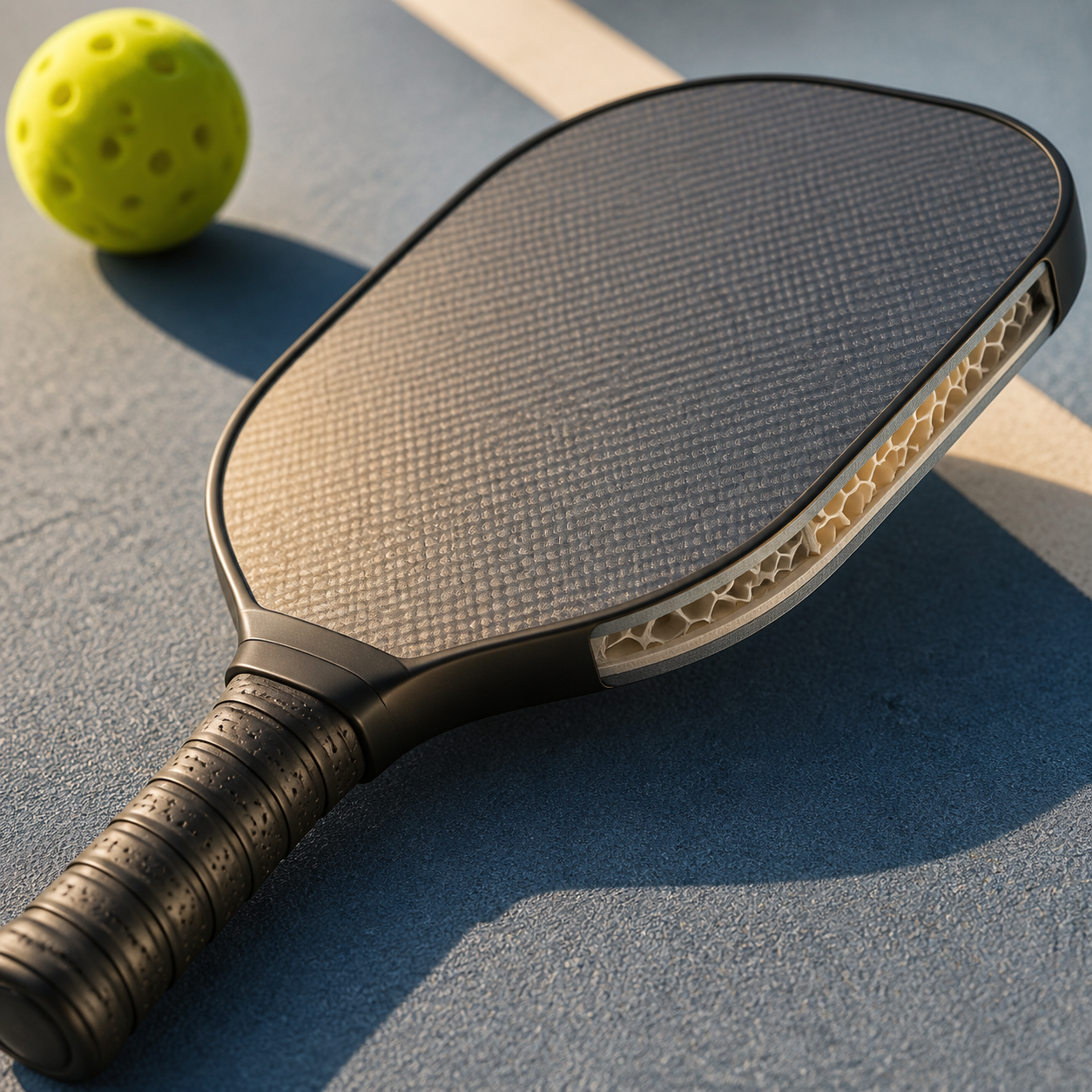
When choosing a pickleball paddle, focusing solely on weight might make your wrists comfortable but cause the ball to wobble, while relying solely on the "carbon" label can result in a feel different from what you expected. At first, it can be daunting to know which specifications and materials to look at first, but comparing weight, core thickness, surface material, and grip in that order will make your selection criteria much clearer.
Pickleball is not a sport that uses stringed rackets like tennis; instead, it uses equipment in the form of a hard plate, so the term 'paddle' is officially used. In this article, I will summarize everything from the structure of a paddle to the items to check before actually purchasing, making it easy for those looking for a pickleball racket to understand.
Beginners should start with all-around types around 16mm.
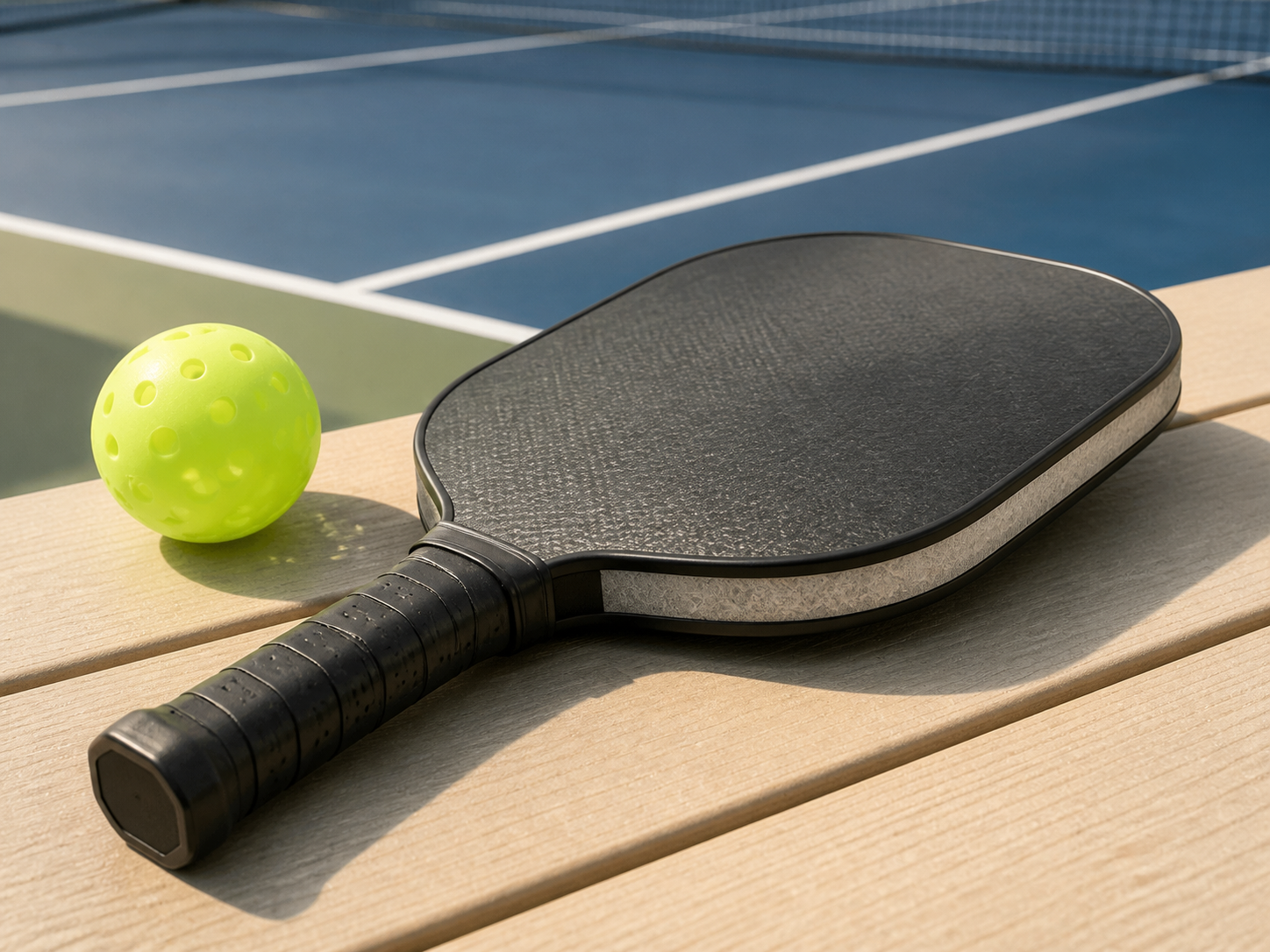
If you are starting out Control and all-around paddles around 16mmIt is easy to handle. The ball stays on the paddle with a sense of stability, making it easy to learn power-controlling techniques like Dink and Reset.
A 14mm core offers fast response and is good for generating power, while a 16mm core tends to be more stable in receiving and controlling the ball. If you prioritize strong drives and fast attacks, a core around 14mm is suitable, whereas a core around 16mm is appropriate if you intend to play by delicately changing direction at the net.
Experienced tennis players tend to have strong swings that cause the ball to travel long, so it is advantageous to develop a sense of control rather than chasing power from the start. The same applies to complete beginners; for a first paddle, a product that allows for the practice of various techniques is more useful than one specialized for attack.
The criterion for the first paddle should not be the strongest product, but a product that makes it easy to send the ball to the desired location.
Weight determines wrist strain and operation speed.
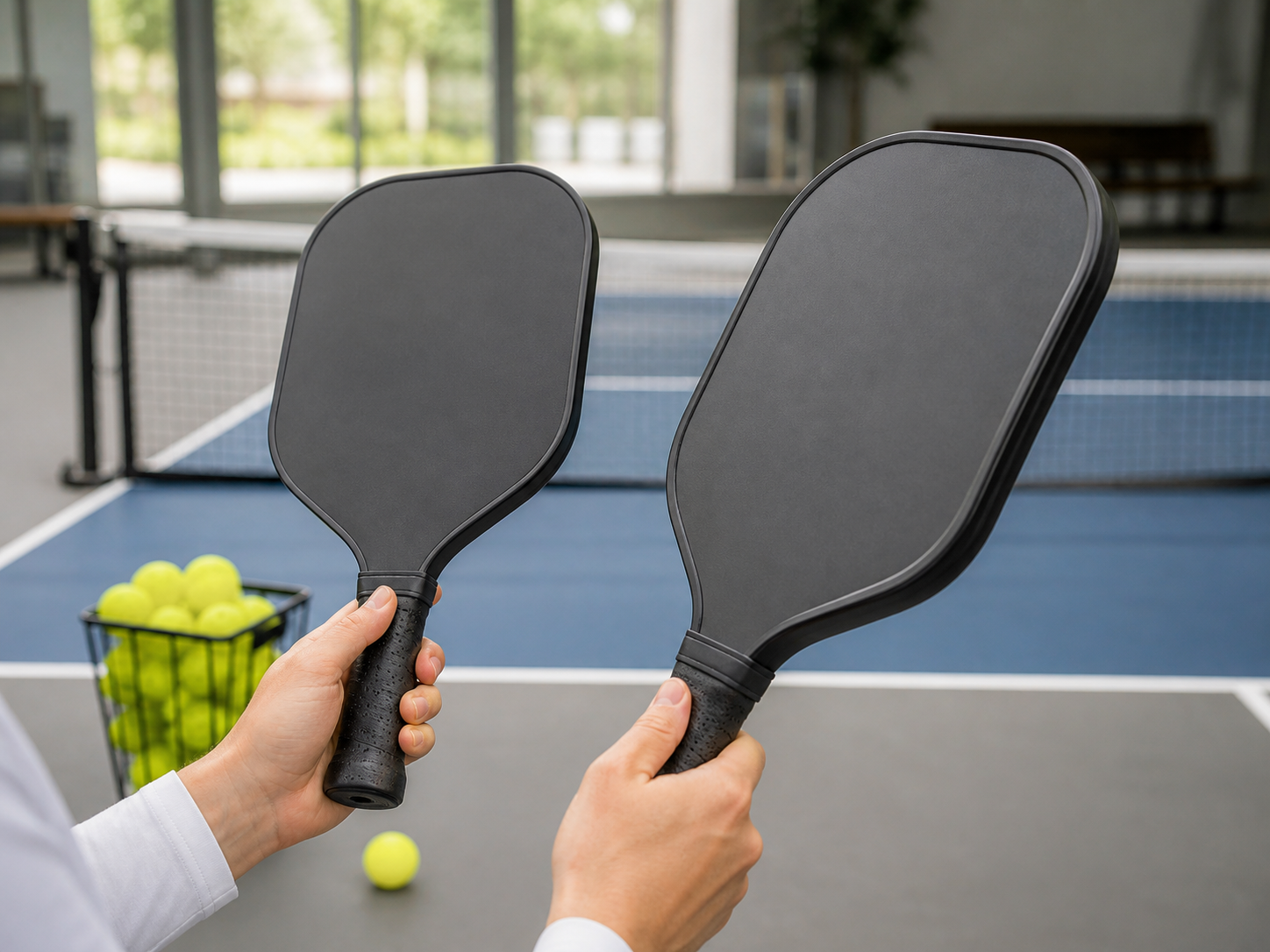
Paddle weights are generally categorized as light (less than 200g to around 210g), medium (215–230g), and heavy-medium (230g or more). While products weighing around 200–215g are often recommended for beginners or seniors, the actual feel varies depending on wrist strength and playing time.
Light paddles move quickly in the hand, making them comfortable for short rallies and quick reactions at the net. Conversely, heavier paddles offer a pushing sensation and stability, but prolonged use can place increasing strain on the wrists and arms.
A lightweight product is not necessarily the answer. If you swing a few times at the store, or use trial lessons and rental paddles to hold the same weight for a certain period, you can understand the actual burden more accurately than the numbers suggest.
We will examine the core and surface materials separately.
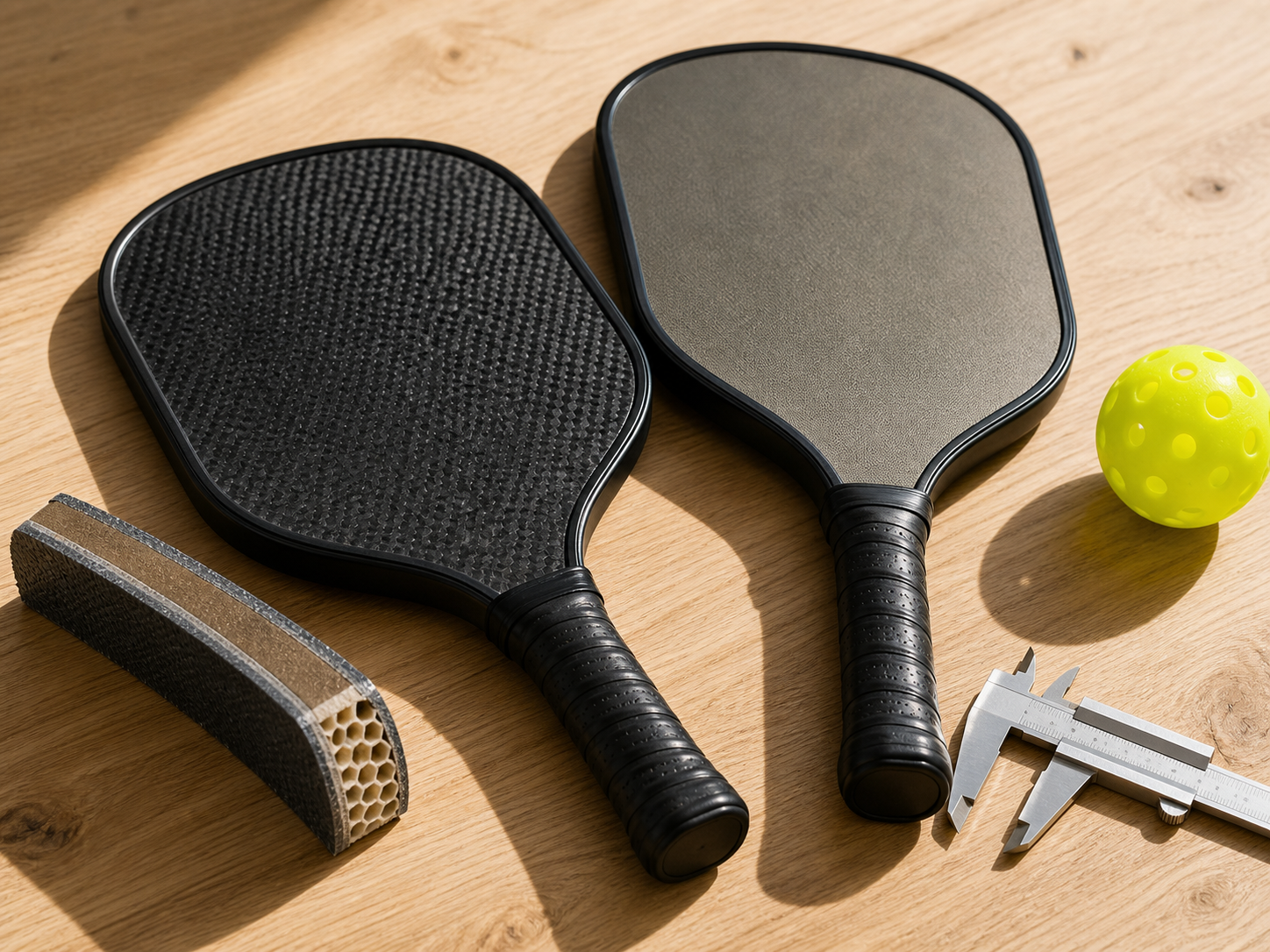
The core is the central structure inside the paddle, and the surface material is the outer layer that the ball directly contacts. Polymer cores are characterized by shock absorption, low noise, and control; thin cores of 10–12mm lean toward rebound and high ball speed, while 14–16mm contribute to stable handling.
The surface is often compared to fiberglass, carbon, and carbon fiber. The fiberglass surface has a repulsive force that makes it easy to send the ball far with little force.There is, and carbon series are suitable for play that emphasizes spin and precise control.
However, you should not determine performance based solely on the material name. Even within the same carbon family, the feel and response of the ball vary depending on the core thickness, paddle shape, overall weight, center of gravity (balance), and surface texture.
On the product page, check the core thickness, surface treatment, weight range, and balance information side by side along with the material name. Whether a power type or a control type is right for you depends more on your swing speed and playing style than on the material.
Adjust the grip to your hand size and grip strength.
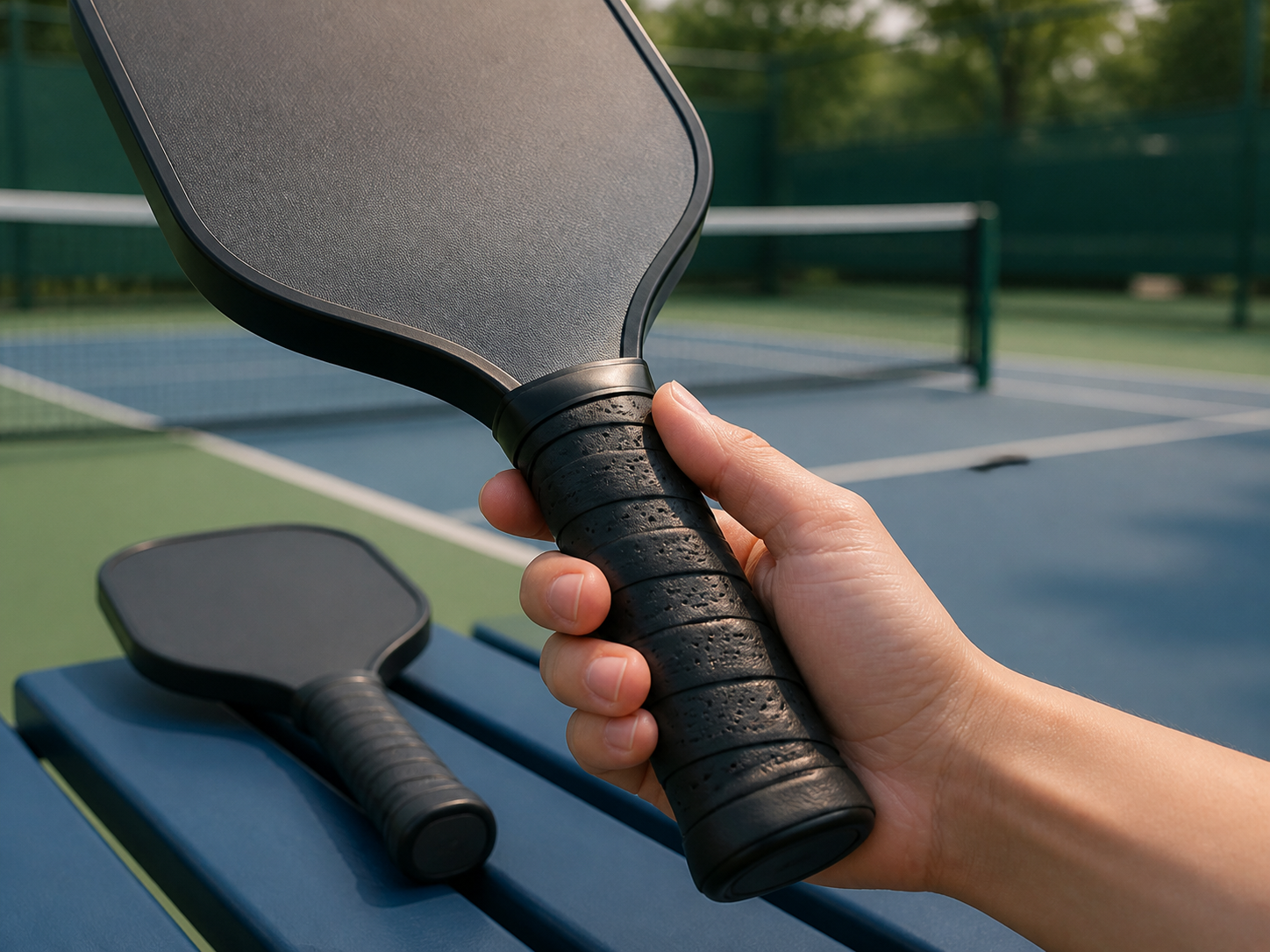
If the handle circumference is too thick, it is difficult to use your wrist precisely, and if it is excessively thin, the paddle may wobble in your hand. If you have small hands or weak grip strength, a thin grip may be more comfortable, whereas if you have large hands or prioritize stable fixation, consider a slightly more generous circumference.
Grip length and circumference, cushioning, and non-slip statusYou need to consider these factors together. In particular, if you plan to frequently use a two-handed backhand, whether the handle length is sufficient and whether it does not slip when sweating are important criteria.
Even if the handle doesn't feel perfect from the start, you can adjust the circumference and cushioning with an overgrip. However, since wrapping multiple layers of overgrip changes the weight and handle thickness, it is better to compare products that feel comfortable in their basic grip state first when purchasing.
Finally, we check the appearance and usage environment.
| Selection Criteria | merit | Things to note |
|---|---|---|
| Light paddle | Fast maneuvers, advantageous for net play | There may be a lack of stability in pushing the ball. |
| Medium weight paddle | Balance between maneuverability and stability | Specific advantages may not be distinct |
| heavy paddle | Powerful hits and stable blocks | Wrist and arm fatigue must be taken into account. |
Paddle shapes are categorized into wide, round, and elongated forms, and the feel of hitting the ball and swing response vary depending on the surface area and length. Paddles of the same total weight also feel different depending on whether the center of gravity is located towards the handle or the head.
When buying online, rather than photos Specifications · User Manual · Exchange and Warranty ConditionsYou should read the reviews first. Even if there are many reviews, the user experience varies depending on hand size and exercise environment, so it is helpful to actually hold the paddle and swing it if possible.
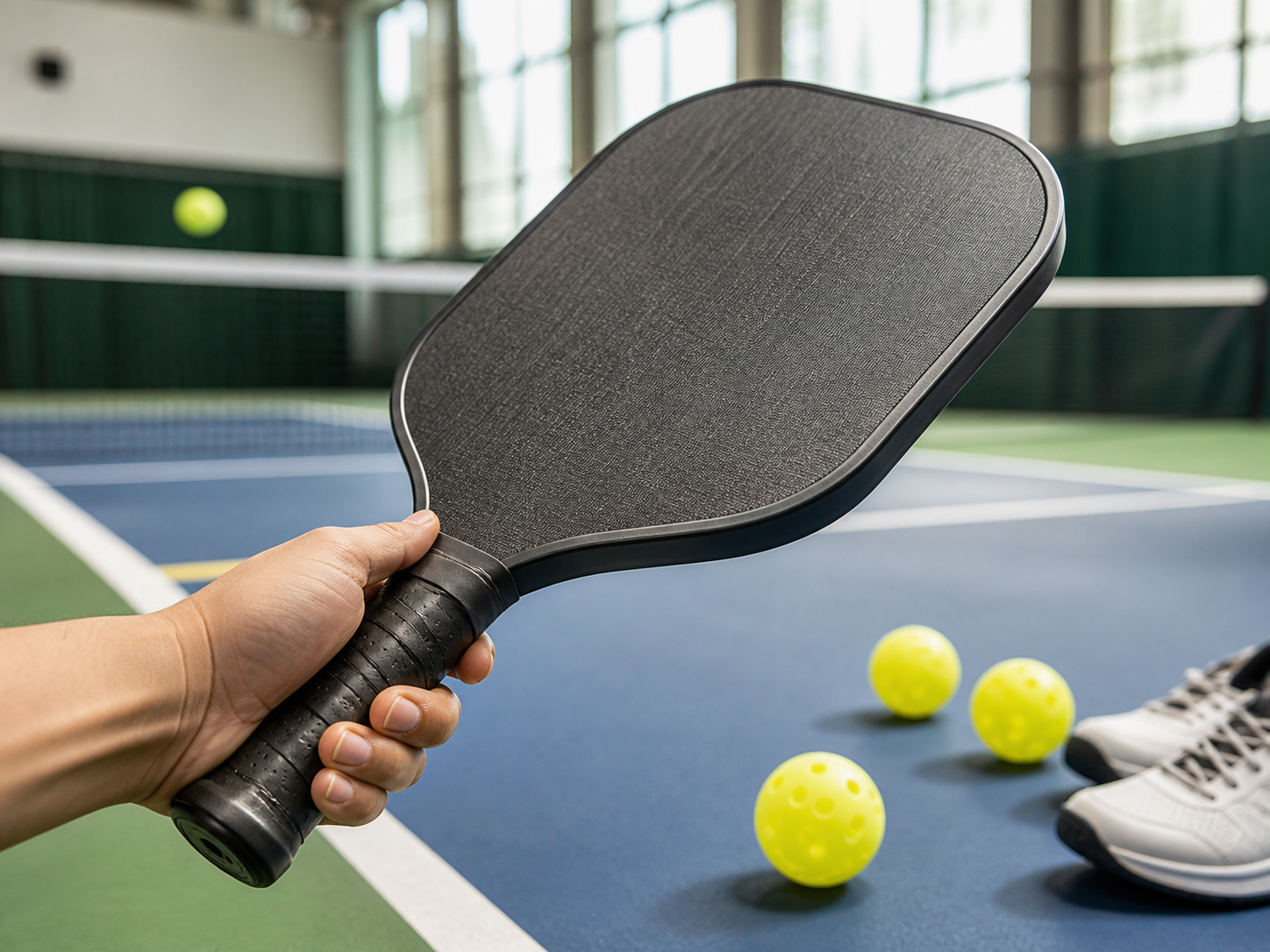
Since the number of holes and material of the balls used may differ between indoor and outdoor courts, please prepare according to the regulations or instruction guidelines of the court you will be using. Do not just bring a paddle; you must also check court shoes that support lateral movement, ensure heel stability, and provide ample room for the toes.
Since pickleball involves frequent changes of direction, it is safer to adequately warm up your ankles, knees, and shoulders before playing. If you experience pain in your wrists or arms during play, do not blame only the weight of the equipment; you should take a rest and adjust the intensity of your workout.
After establishing the overall direction with weight and core thickness, if you narrow it down to material, grip, balance, and usage environment You can find the paddle that suits you without choosing an expensive product right from the start. The most reasonable approach is to select your first piece of equipment after trying it out a few times, and then compare a second paddle once your actual playing style is established.