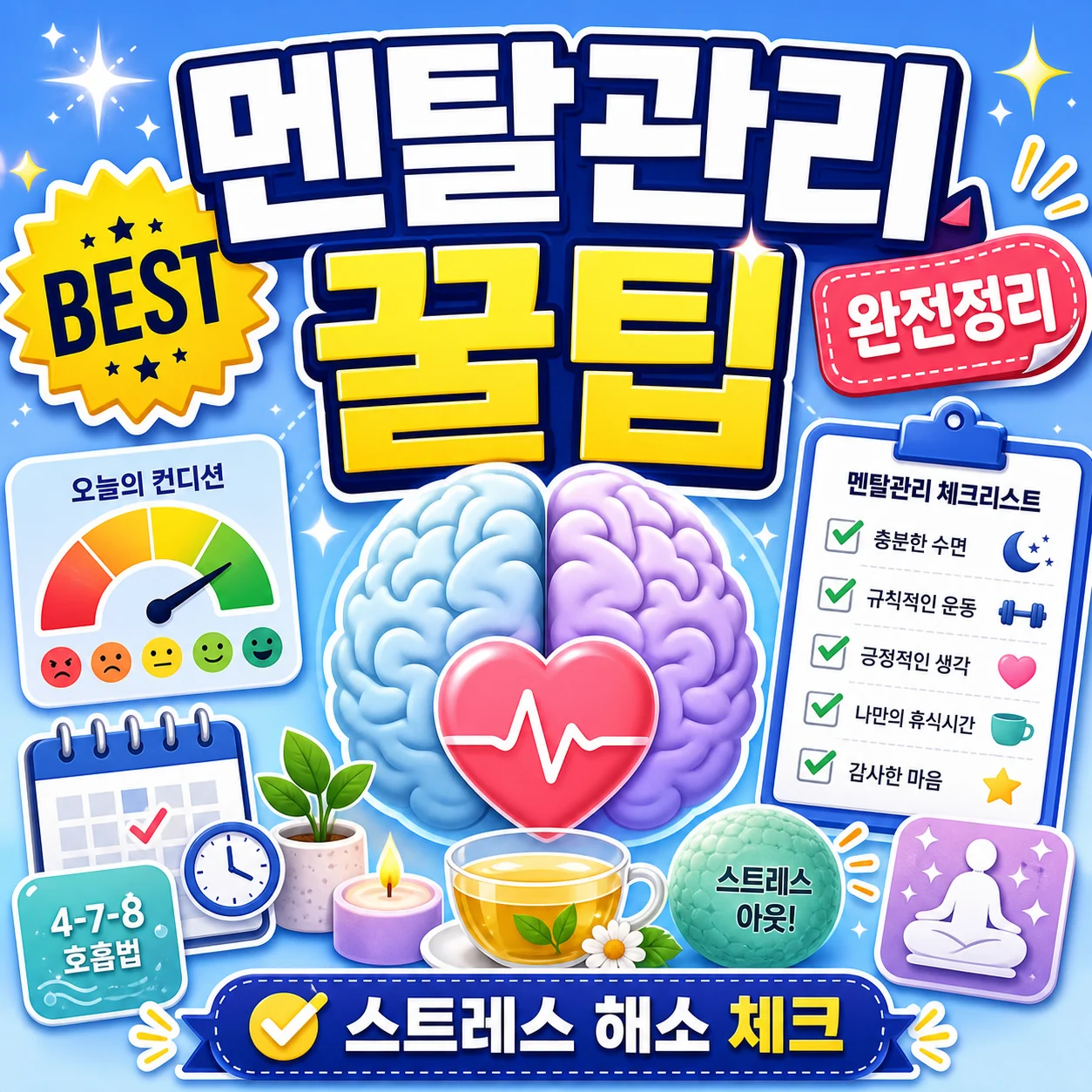

A simple method you can use right nowBy reducing the burden on your mind Daily energyRecover. Short routine There are several things that are effective in lowering the stress response and restoring concentration. First, start in 5-minute increments from when it is possible.Give it a try. short breath과 Regular lifestyle rhythmThis makes a big difference.
When simple habits are repeated, stress levels drop noticeably. 30 minutes of activity helps stabilize the mind, and the key is to consistently practice methods applicable to daily life.
1. Daily habits that yield quick results
The first tip to apply is an action that can be immediately implemented in your daily life. Simply practicing short breathing exercises for 5 minutes or opening a window to get sunlight for 10 to 20 minutes can improve your mood. Studies have reported that exposure to nature, such as walking in the woods, reduces cortisol and lowers blood pressure. Regular sleep schedule과 Simple stretchingIf you include this in your daily routine, your stress recovery speed will increase. 15 minutes of morning sunlightIt is especially helpful for stabilizing circadian rhythms.
2. How do exercise and dietary habits help?
Exercise is beneficial for both stress relief and brain function improvement. Light aerobic exercise or brisk walking provides an immediate mood boost. Furthermore, research indicates that regular exercise contributes to a reduction in anxiety and depression over the long term. It is advisable to structure your diet to minimize blood sugar fluctuations and consistently supply the nutrients necessary for the brain. Avoid excessive intake of refined carbohydrates and consume a balanced amount of protein and dietary fiber. Please consume. 30 minutes of exercise at least 3 times a weekIf you aim for this, there are significant psychological benefits.
| method | immediate effect | Sustained effect |
|---|---|---|
| fast walking | relaxation | Psychological stability, stress reduction |
| Meditation/Breathing | detente | Improving emotional regulation |
| Balanced diet | Energy maintenance | Mood stability, improved concentration |
3. When and how is it best to practice mindfulness?
The key is to do it briefly and frequently. Performing 5-minute breathing meditations or attention exercises 2 to 3 times a day helps reduce excessive thinking. Mindfulness is the practice of observing present sensations without judgment. According to research, regular practice helps lower cortisol secretion and improve frontal lobe function. Before going to work or before going to sleep If you create a habit of doing things at the same fixed time, it is easy to maintain consistently.
4. 7 Short-term Stress Relief Tips
I have compiled methods that can be utilized in a short amount of time. You can apply them in order from 1 to 7, or choose the ones that suit your situation. 1. Quick deep breathing 2. Muscle relaxation 3. Walking for 10 minutes 4. Warm drinks 5. Pleasant music 6. Short reading 7. Turning off the screen. Each method is effective for immediately relieving tension and restoring concentration. In particular, research shows that reading significantly lowers stress levels, so I recommend reading for 30 minutes at least once a week. Short and regular breaksIf you make this a part of your daily life, the burden of stress for the entire day will be reduced. Rest is an investment, not a choice.Approach it with that mindset.
| method | Recommended time | effect |
|---|---|---|
| Deep breathing | 5 minutes | Immediate stability |
| Listen to music | 10~20 minutes | Change of mood, restore focus |
| reading | 30 minutes | Stress reduction, emotional regulation |
5. Long-lasting Mental Management Strategies and Checkpoints
Long-term mental management is the accumulation of small habits. Prioritize regular sleep and meals, physical activity at least two to three times a week, and exposure to nature in your daily life. From a data-driven perspective, walking in the woods or exposure to sunlight helps lower stress hormones. Additionally, setting achievable weekly goals and checking your progress helps maintain motivation. Daily Checklist와 Weekly RetrospectiveRecording changes through this improves self-regulation skills. ConsistencyThis makes the biggest difference.
Repeating short actions is the secret to long-term stability. Start small, but continue consistently.
Frequently Asked Questions
What methods should I start with to reduce stress right now?
As soon as possible, try doing 5 minutes of breathing exercises or opening a window to get 10 to 20 minutes of sunlight, and incorporate regular sleep and simple stretching into your daily routine; short routines help restore daily energy and reduce stress responses.
How do exercise and dietary habits help with stress management?
Regular exercise, such as light aerobics or brisk walking, is beneficial for immediate mood improvement and long-term reduction of anxiety and depression, and it is recommended to do it for 30 minutes at least three times a week. Additionally, regarding meals, it is advisable to avoid excessive refined carbohydrates and consume a balanced amount of protein and dietary fiber to reduce blood sugar fluctuations.
When and how is it effective to practice mindfulness?
The key is to do it briefly and frequently. If you practice 5-minute breathing meditations or attention exercises 2 to 3 times a day at fixed times, such as before going to work or before going to sleep, it is easy to sustain consistently; regular practice helps reduce excessive thinking.
What are short-term stress relief tips and long-term mental management strategies?
In the short term, use quick deep breathing, muscle relaxation, a 10-minute walk, warm drinks, pleasant music, short reading, and turning off the screen as needed; in the long term, prioritize regular sleep and meals, physical activity 2-3 times a week, and exposure to nature, while maintaining consistency through weekly reviews and checklists.