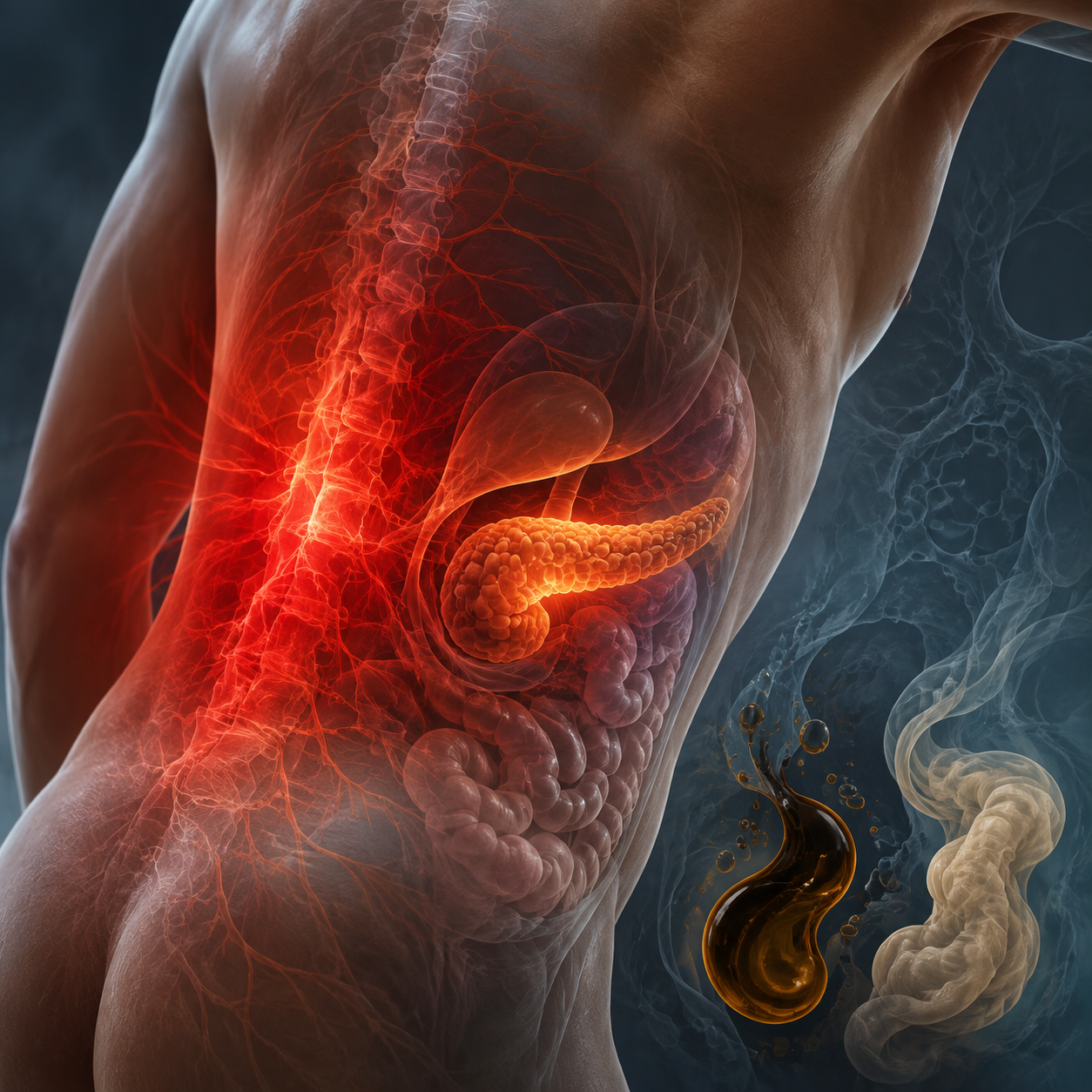
If you have persistent back pain without abdominal pain, and the color of your urine and stool has changed from usual, should you suspect a pancreatic problem? Pancreatic cancer may not start with abdominal pain alone, so it is important to monitor back pain along with changes in urination and bowel movements.
However, these changes do not necessarily mean pancreatic cancer. In this article, the early symptoms of pancreatic cancer that are frequently mentioned Back pain, dark urine, light and oily stoolI will explain step-by-step why this can occur and in what cases you should seek medical attention.
3 Early Symptoms of Pancreatic Cancer to Remember First

The representative changes to examine regarding the pancreas Pain extending from the pit of the stomach or upper abdomen to the back, These include brown or cola-colored urine that persists even when drinking water as usual, and grayish-white, oily stools. These three symptoms do not necessarily appear together, and pancreatic cancer cannot be diagnosed based on just one of them.
The pancreas is located deep within the abdomen and close to the back, so pain may be felt in the back. If there are problems with the flow of bile or the function of pancreatic digestive enzymes, changes in the color and consistency of urine and stool may occur, so signals in other parts of the body may become noticeable before those in the abdomen.
Back pain and changes in urine and stool are not symptoms that confirm pancreatic cancer, but rather observation signals to ensure that changes in the body are not overlooked.
1. Back pain that persists even when changing posture

Pancreatic pain may manifest as starting in the epigastric region or the upper abdomen and extending to the center of the back. It is characterized by a heavy, dull ache rather than a simple surface stiffness, or persistent discomfort even when at rest.
While muscular back pain is often associated with movement or specific postures, pain originating around the pancreas may not easily disappear even when changing position or lying down. If the pain disturbs your sleep at night or recurs along with upper abdominal pain, it is safer not to simply rely on pain patches for too long.
However, you cannot suspect pancreatic cancer based on back pain alone. Since spinal, muscle, nerve, and gastrointestinal diseases can also cause similar pain, you must provide the medical team with a detailed description of the location, duration, and accompanying changes of the pain.
2. Urine that has turned dark brown even after drinking water

It is a common reaction for urine to turn dark yellow when fluid intake decreases. However, if your urine continues to be dark brown or cola-colored even though you have been drinking water as usual, you should look for causes other than simple dehydration.
If the bile ducts around the pancreas are blocked, bilirubin, a component of bile, can accumulate in the blood, and as this bilirubin is excreted in the urine, its color may darken. If jaundice (yellowing of the whites of the eyes or skin), skin itching, and loose stools occur together, it may be a sign related to abnormalities in bile flow.
Dark urine can also be caused by liver or biliary tract diseases, hematuria, or certain medications and foods. Therefore, do not conclude it is pancreatic cancer based solely on color; you should seek medical attention to identify the cause if brown changes recur or if jaundice is present.
3. Grayish-white or oily stool
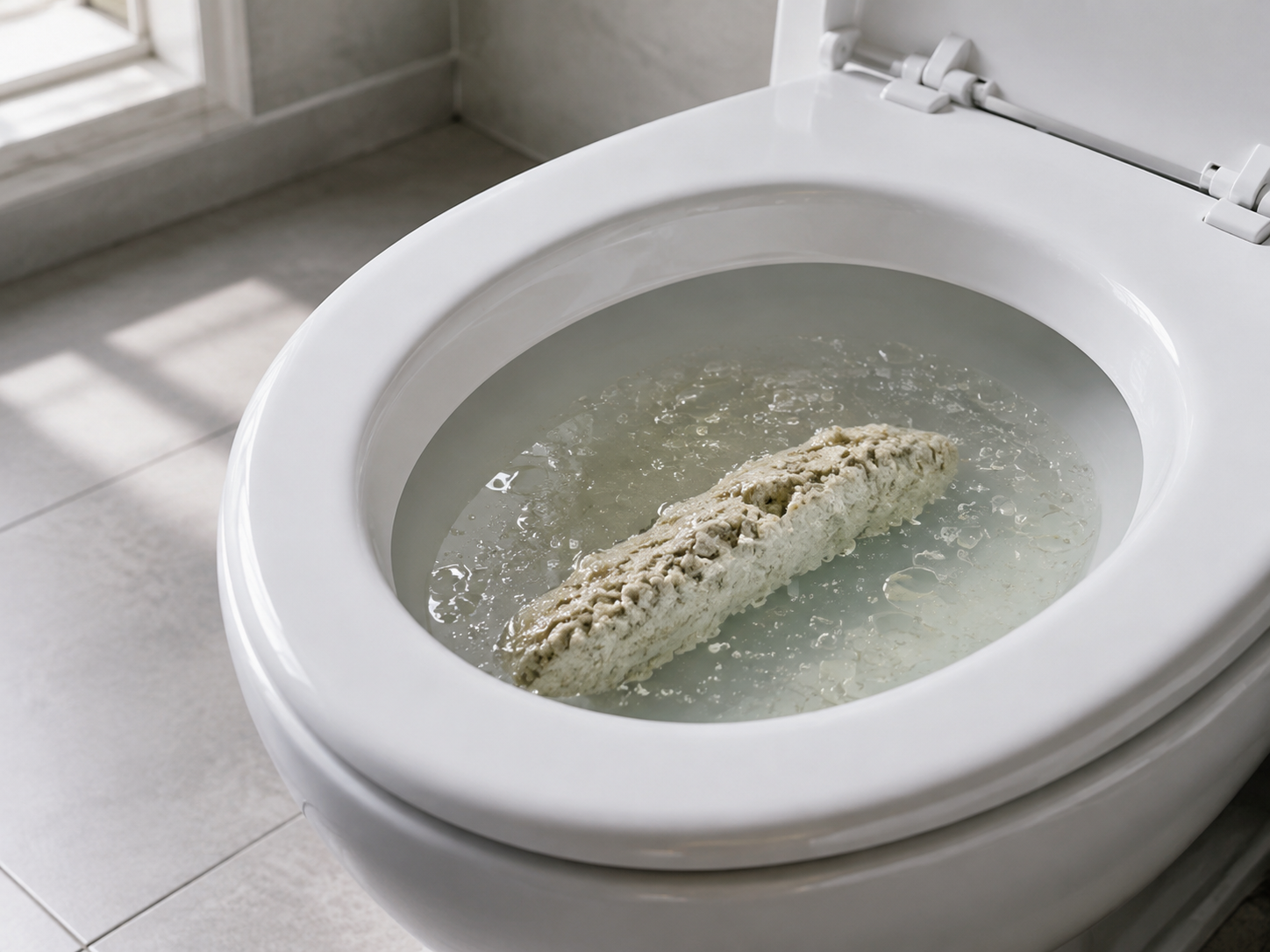
Unlike a temporary softening of the stool, repeated gray, white, or grayish-white stools may be related to a situation where bile is not flowing sufficiently into the intestines. Since bile is involved in creating the brown color of stool, a blockage in its flow can cause the stool color to become noticeably lighter.
The pancreas produces digestive enzymes that break down fats. If pancreatic juice or bile does not function properly, fats are not sufficiently digested, causing stool to float on water, a grease film to remain on the toilet surface, and a slippery feeling when wiping. steatorrhea patternThis may appear.
It is difficult to draw a definitive conclusion based solely on the phenomenon of stool floating in water once or twice. However, if changes in color to a grayish-white hue are accompanied by oiliness, a foul odor, and weight loss, it is necessary to examine the underlying causes, including digestive disorders, through a medical consultation.
A method of observing three distinct changes
Changes observed in the restroom can vary depending on the day's fluid intake and food. What is important is not just a single change, but whether the unusual condition recurs or if other symptoms, such as back pain or jaundice, overlap.
| Observation Items | Daily changes | Changes to consider for medical treatment |
|---|---|---|
| back pain | Varies depending on movement or posture | Persistent even when at rest, accompanied by pain in the pit of the stomach and upper abdomen |
| piss | Dark yellow after drinking less water | Brown and cola colors alternate regardless of fluid intake |
| credit | Temporary color change depending on food | Grayish-white, oily film, and floating mutations continued |
In addition, changes such as loss of appetite and weight loss without a specific reason, persistent digestive discomfort, or severe pain in the pit of the stomach may occur. The sudden onset of diabetes or the rapid worsening of pre-existing diabetes after the age of 50 is also mentioned as an item to be examined along with the condition of the pancreas.
Do not judge based on symptoms alone; confirm with a medical examination.
Pancreatic cancer may not show distinct symptoms from the early stages, and even when symptoms do appear, they may feel similar to those of other digestive diseases. Therefore, the diagnosis cannot be determined based solely on back pain or dark urine, and combinations of various symptoms should not be used as a self-diagnosis chart.
You should not delay seeking medical attention if you experience brown urine and grayish-white stools together, jaundice (yellowing of the eyes and skin), or recurring back and upper abdominal pain accompanied by changes in appetite and weight. Based on your symptoms and medical history, medical institutions determine the necessary tests to differentiate whether the cause is the pancreas or the bile ducts, liver, or other digestive organs.
In 2023, there were 9,748 new patients with pancreatic cancer in Korea, ranking eighth among all cancers, and the 5-year relative survival rate from 2019 to 2023 was recorded at 17.01 TP3T. Given the differences in survival rates—47.81 TP3T when confined to the pancreas, 23.51 TP3T when the disease has progressed to surrounding tissues or lymph nodes, and 2.41 TP3T when it has metastasized to other organs—it is important not to ignore warning signs for too long.
To summarize, changes to look for as early symptoms of pancreatic cancer are not limited to abdominal pain. Persistent back pain, brown change in urine, grayish-white or oily stoolRecord this together, and when there are recurring issues or multiple changes overlapping, prioritize the medical team's evaluation over internet searches.