Differences between Sun Exhaustion and Heatstroke and First Aid Methods

Differences between Sun Exhaustion and Heatstroke and First Aid Methods Thumbnail

The key difference lies in the rise in body temperature and changes in consciousness. Heat exhaustion is a condition caused by dehydration and heat stress, whereas heatstroke is an emergency situation where high fever causes brain dysfunction. In severe cases, it can be life-threatening, requiring immediate action. Moving to the shade and rapid cooling are the basics of initial response. Since heat exhaustion is primarily characterized by symptoms of dehydration and heat fatigue, recovery occurs with relatively quick rest and fluid replenishment. Heatstroke is an emergency where the core body temperature is very high and brain symptoms occur… Read more

How to take acetaminophen for summer cold symptoms

Thumbnail on how to take acetaminophen for summer cold symptoms

Summary: For summer cold symptoms, take 500–1,000 mg of acetaminophen for fever and pain relief every 4–6 hours, and do not exceed the maximum daily dose. To reduce the risk of liver damage, strictly avoid simultaneous alcohol consumption and do not take it in combination with other fever reducers. Acetaminophen is commonly used to relieve fever and pain, and adults may take 500–1,000 mg every 4–6 hours. Overdose can cause hepatotoxicity, so do not exceed the product's recommended dosage. Children's weight … Read more

Optimal Indoor Temperatures at a Glance to Prevent Air Conditioning Sickness

Thumbnail summarizing optimal indoor temperatures at a glance to prevent air conditioning sickness

Aiming for an indoor temperature of 26–28°C can significantly reduce the risk of "air conditioning sickness." Maintain a temperature difference of within 5°C relative to the outdoor unit, and manage humidity between 40–60°C. It is important to avoid directing the air conditioner's airflow directly at your body. Check the quick checklist and ventilation routine immediately. Maintaining the indoor temperature at approximately 26–28°C can reduce autonomic nervous system overload caused by temperature fluctuations. It is recommended to keep the temperature difference with the outdoor unit within 5°C and maintain humidity within the 40–60°C range. How many degrees is the indoor temperature… Read more

Symptoms of air conditioning sickness and headaches

Air Conditioner Cold Sickness Symptoms and Headache Thumbnail

If you experience frequent headaches and nasal congestion accompanied by an unpleasant odor coming from the air conditioner, suspect symptoms of "air conditioning sickness" caused by mold and dust inside. Symptoms can improve with a simple inspection and cleaning. First, you should check the filter cleaning cycle and the necessity of professional internal cleaning. Mold and fine dust inside the air conditioner can trigger headaches and worsen rhinitis. Symptom relief is possible through regular filter maintenance and periodic internal cleaning. Abnormal symptoms are… Read more

How to Calculate Calories Burned from Walking Exercise

You can immediately calculate the calories burned during walking by looking at speed, time, and body weight. It is not difficult if you know the METs value, and the difference between a normal walk and a fast walk is clearly visible. Today, I will briefly summarize the calculation formula and examples. You can get an immediate sense of walking calories by multiplying the METs by your body weight and time. Even for the same 60kg, the amount burned per hour changes significantly if the speed increases, and the calculated value changes accordingly if the body weight differs. Walking exercise… Read more

Correct Squat Form: Easy for Beginners to Review

Achieving the correct squat form becomes much easier when you align your foot spacing, knee direction, and upper body angle. Simply grasping the sensation of placing your weight on your heels makes lower back and knee alignment much more comfortable. Beginners should focus on alignment first rather than depth. Today, let's review the basic posture and common points of confusion. Squats are easier to understand if you start by placing your feet about shoulder-width apart and slightly turning your toes outward. The knees should align with the direction your toes are pointing… Read more

How to lose belly fat in a short period of time

The key to losing belly fat quickly is changing your diet and sleep together, rather than just exercising. In a short period, changes in waist circumference are likely to be visible first. Today, I will outline how to eat, exercise, and lifestyle habits based on a one-month timeframe. Changes in belly fat are most visible when you manage your waistline while reducing overall body fat, rather than trying to lose weight from just one area. In the short term, the effects of reducing swelling and controlling eating habits appear first, followed by a reduction in abdominal fat. In a short period… Read more

How to Increase Basal Metabolic Rate: How to Boost It Through Diet and Exercise

Basal metabolic rate (BMR) varies depending on muscle mass and dietary composition. Rather than blindly eating less, it is more advantageous to ensure you consume sufficient protein and engage in strength training. Today, we will separate diet and exercise to summarize which habits help increase your BMR. To raise your BMR, it is important to consume enough protein and consistently perform exercises that build muscle. You will feel a greater impact when you balance the quality of your diet, sleep, and activity levels together, rather than simply reducing your food intake. 1. Through diet… Read more

16:8 Intermittent Fasting Method: Organizing Meal Times

The 16·8 method divides the day into a 16-hour fasting period and an 8-hour eating period. The key is to maintain a consistent meal schedule, and the cleanest routine involves keeping only water and black coffee during the fasting period. The habit of fixing your times is more important. You don't need to overthink it from the start. Today, let's summarize some examples of meal times and key points for implementation. The 16·8 method divides the day into a 16-hour fasting period and an 8-hour eating period. It becomes easier to practice if you match the start and end times of your meals roughly every day. … Read more

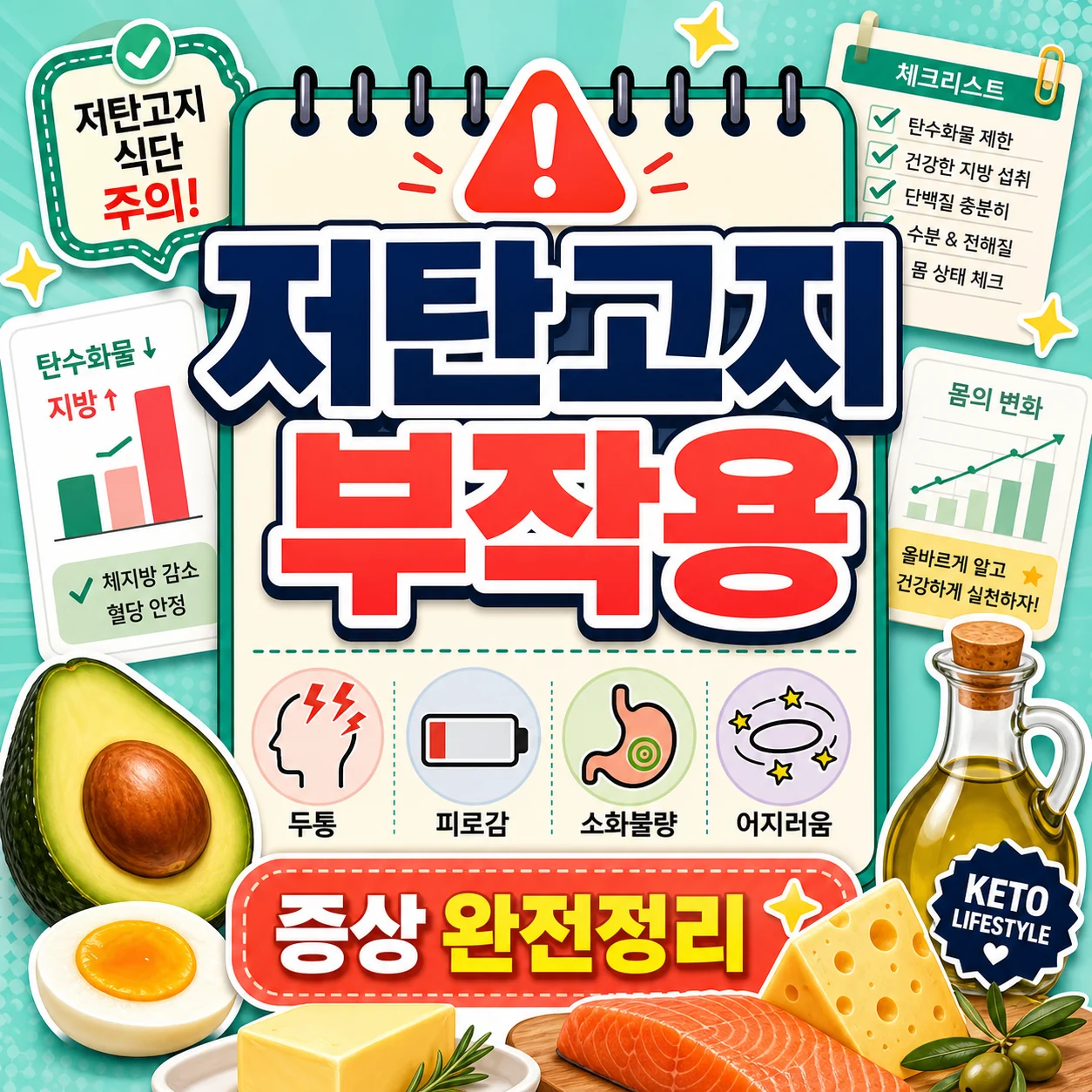
A Comprehensive Summary of Side Effects and Symptoms of the Low-Carb, High-Fat Diet

Comprehensive Summary of Low-Carb, High-Fat Diet Side Effects and Symptoms Thumbnail

In the early stages of a low-carb, high-fat diet, you may experience changes such as headaches, lethargy, and constipation, and you should also monitor fluid loss and electrolyte balance. Identifying the cause becomes much easier if you look at when these changes began. Today, I will summarize common bodily signals, how to distinguish them, and key points to check when adjusting your diet. Initial changes in a low-carb, high-fat diet often occur alongside changes in fluids and electrolytes. If they pass quickly, it may be part of the adaptation process, but… Read more