Summary of Burnout Recovery Methods and Recovery Periods

Thumbnail summarizing burnout recovery methods and recovery periods

With burnout, recovery can feel slow even with rest, and the recovery period typically varies significantly, ranging from several weeks to several months. The key is to recognize symptoms early and adjust your rest and daily rhythm together. Effective burnout recovery requires a combination of distancing, readjustment, and building recovery habits, rather than just simple rest. Today, I will summarize the recovery period and the sequence of steps involved. Burnout recovery is not a one-time issue but takes place over several weeks to several months… Read more
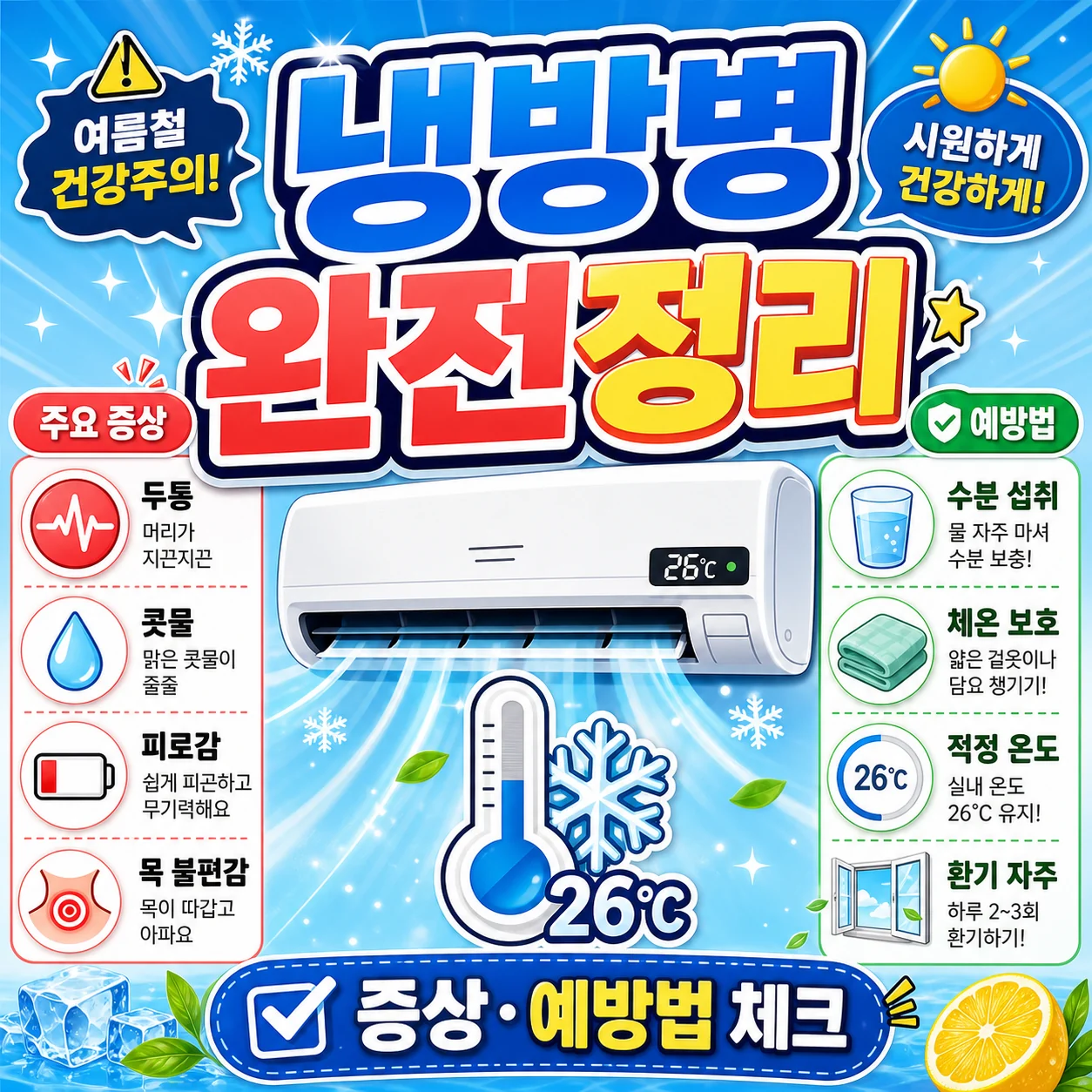
Symptoms and Prevention of Air Conditioning Sickness at a Glance

Air Conditioning Sickness Symptoms and Prevention at a Glance (Thumbnail)

If you crave coolness but suddenly experience headaches, lethargy, and indigestion, you should suspect air conditioning sickness. Here is a summary of the main symptoms and prevention methods at a glance. An indoor temperature of 24–28°C is recommended, and an indoor-outdoor temperature difference of 5–6°C is appropriate. Maintain humidity between 40–60°C. Air conditioning sickness is a syndrome caused by large temperature differences, dry indoor air, and contaminated air conditioners. It can mostly be prevented by adhering to an indoor temperature of 24–28°C and humidity of 40–60°C, as well as proper ventilation and air conditioner maintenance. What are the symptoms of air conditioning sickness? The core symptoms are similar to those of a cold… Read more

Immediately Checking Symptoms of Otitis Externa: Why You Should Not Touch Your Ears

Check for Otitis Externa Symptoms Immediately: Why You Shouldn't Touch Your Ears Thumbnail

If your ear itches and the pain is severe when pressed, suspect otitis externa first. Frequently touching the outer ear can cause inflammation to spread and delay recovery. It is safer to avoid touching it and seek proper medical attention. This article briefly summarizes the key points, including the typical symptoms of otitis externa, why you should avoid touching your ears, emergency signs, and temporary treatments you can perform at home. Itching and pain are the main symptoms of otitis externa, and touching the ear worsens these symptoms. … Read more

What to do immediately when water gets in your ear at a children's swimming pool

Thumbnail of what to do immediately when water gets in your ear at a children's swimming pool

If water gets into a child's ear while playing in a swimming pool, it is important to first plug the ear to prevent further wetting and try to remove the water using simple methods. Do not insert cotton swabs. Avoid using a strong hairdryer and refrain from excessive irritation. If symptoms persist, medical attention may be necessary. First, check the condition with safe first aid, try methods available at home, and consider visiting a hospital if symptoms continue. If water gets into the ear… Read more

Comparison of ingredients in nutritional supplements for elementary school students' height growth

Thumbnail comparing ingredients of height-increasing supplements for elementary school students

Prioritizing calcium and vitamin D supplementation is essential. A balanced intake of protein and zinc is also necessary. Consistent intake combined with sufficient sleep can be beneficial. Carefully check the ingredient list and follow the recommended daily allowance for each age group. Calcium and vitamin D are key to the growth of elementary school students. Since various supplementary ingredients play a complementary role, it is advisable to compare ingredient content and formulation when making a selection. At home, a balanced diet, sufficient sleep, and regular exercise have the greatest impact on growth… Read more

Finding out the timing of children's circumcision during summer vacation

Finding out the timing of children's circumcision during summer vacation thumbnail

Summer vacation is a time worth considering as it is ideal for completing both surgery and recovery in one go. Parents should check essential supplies and schedule coordination in advance. Since vaccination schedules and wound care must be considered together, review both simultaneously. Summer vacation is a good time to secure recovery time without worrying about commuting to school or daycare after surgery. Check the risks and recovery durations by age to select the appropriate time. Depending on the type of hospital and anesthesia method, costs and recovery… Read more

Symptoms of Poison Moth and Mite Dermatitis at a Glance

Symptoms of Poison Moth and Mite Dermatitis at a Glance (Thumbnail)

Tick dermatitis caused by a poisonous moth bite is primarily a localized skin reaction characterized by severe itching and small papules or blisters. Immediate medical attention is required if systemic symptoms or lesions resembling scabs are observed. Make it a habit to check exposed skin after outdoor activities. Furthermore, a more thorough evaluation is necessary if accompanied by fever and headache. In most cases, it begins with itching and a localized rash. If a high fever or a black scab develops, scrub typhus should be suspected, and examination and treatment at a hospital are required. Read more

Summer Hydration: Recommended Daily Amount and Practice Tips

Summer Hydration: Recommended Daily Amount and Practical Tips Thumbnail

In summer, hydration is synonymous with health management. While basic recommended amounts vary by individual, aim for a total fluid intake of approximately 3.7 liters for adult men and 2.7 liters for adult women. You need to replenish more when temperatures rise or when sweating profusely. Water can be obtained not only through beverages but also through fruits and vegetables with high water content. For the average adult, a total fluid intake of approximately 3.7 liters for men and 2.7 liters for women is recommended. Hot… Read more

Differences between Sun Exhaustion and Heatstroke and First Aid Methods

Differences between Sun Exhaustion and Heatstroke and First Aid Methods Thumbnail

The key difference lies in the rise in body temperature and changes in consciousness. Heat exhaustion is a condition caused by dehydration and heat stress, whereas heatstroke is an emergency situation where high fever causes brain dysfunction. In severe cases, it can be life-threatening, requiring immediate action. Moving to the shade and rapid cooling are the basics of initial response. Since heat exhaustion is primarily characterized by symptoms of dehydration and heat fatigue, recovery occurs with relatively quick rest and fluid replenishment. Heatstroke is an emergency where the core body temperature is very high and brain symptoms occur… Read more

How to take acetaminophen for summer cold symptoms

Thumbnail on how to take acetaminophen for summer cold symptoms

Summary: For summer cold symptoms, take 500–1,000 mg of acetaminophen for fever and pain relief every 4–6 hours, and do not exceed the maximum daily dose. To reduce the risk of liver damage, strictly avoid simultaneous alcohol consumption and do not take it in combination with other fever reducers. Acetaminophen is commonly used to relieve fever and pain, and adults may take 500–1,000 mg every 4–6 hours. Overdose can cause hepatotoxicity, so do not exceed the product's recommended dosage. Children's weight … Read more