A Comprehensive Summary of Swimming Diet Benefits and Calorie Burn
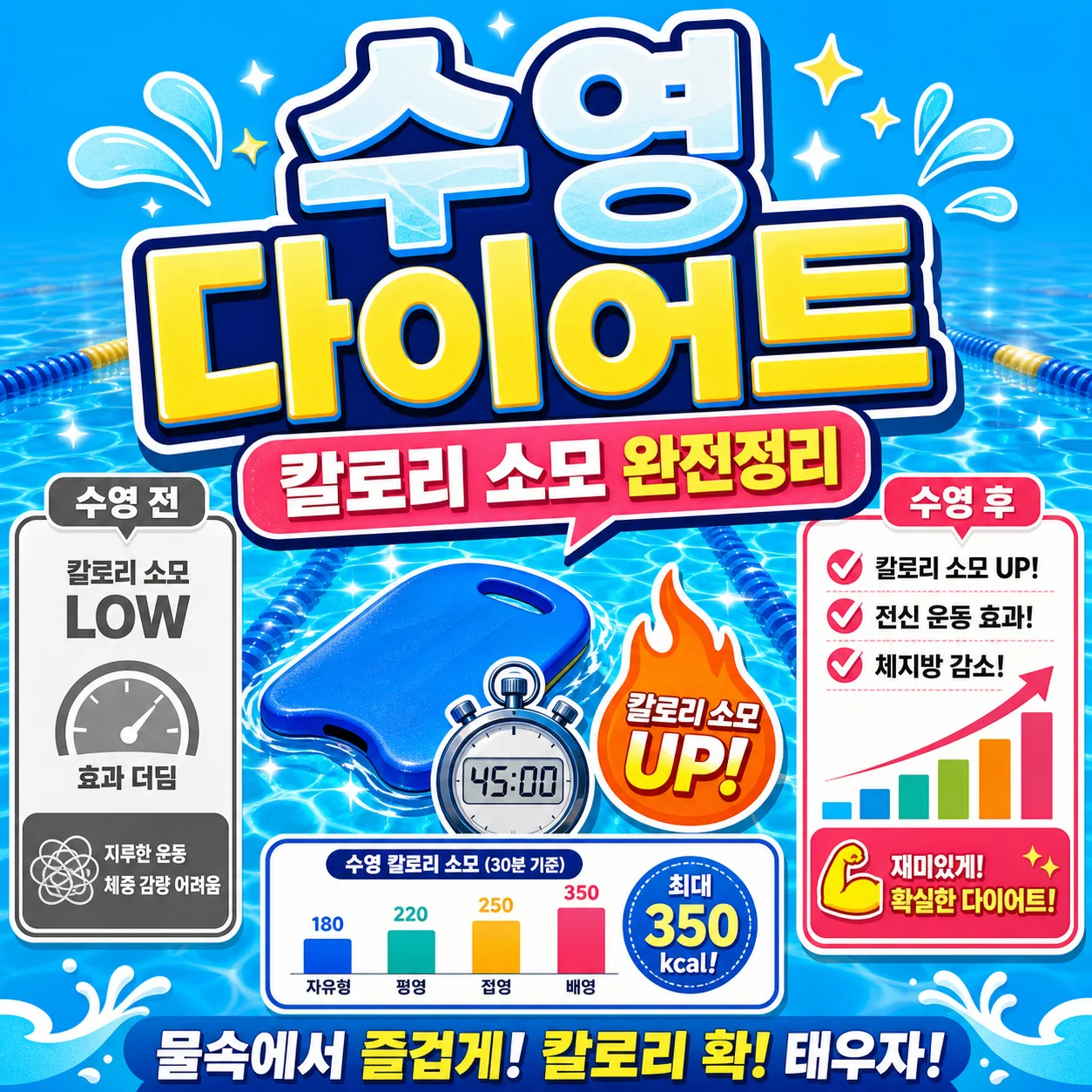
Summary of Swimming Diet Effects and Calorie Burn Thumbnail

The effectiveness of swimming for weight loss is undeniable. Consistent swimming for over 30 minutes burns a significant amount of calories, and a combination of freestyle and breaststroke is practical. Exercise intensity and duration determine the results. It is also well-suited for weight management. For a swimming diet, duration and repetition frequency are more important than the stroke itself. While butterfly tends to burn a lot of calories, a realistic routine involves mixing freestyle and breaststroke and continuing for over 30 minutes. 1. Reasons why swimming is effective for weight loss … Read more
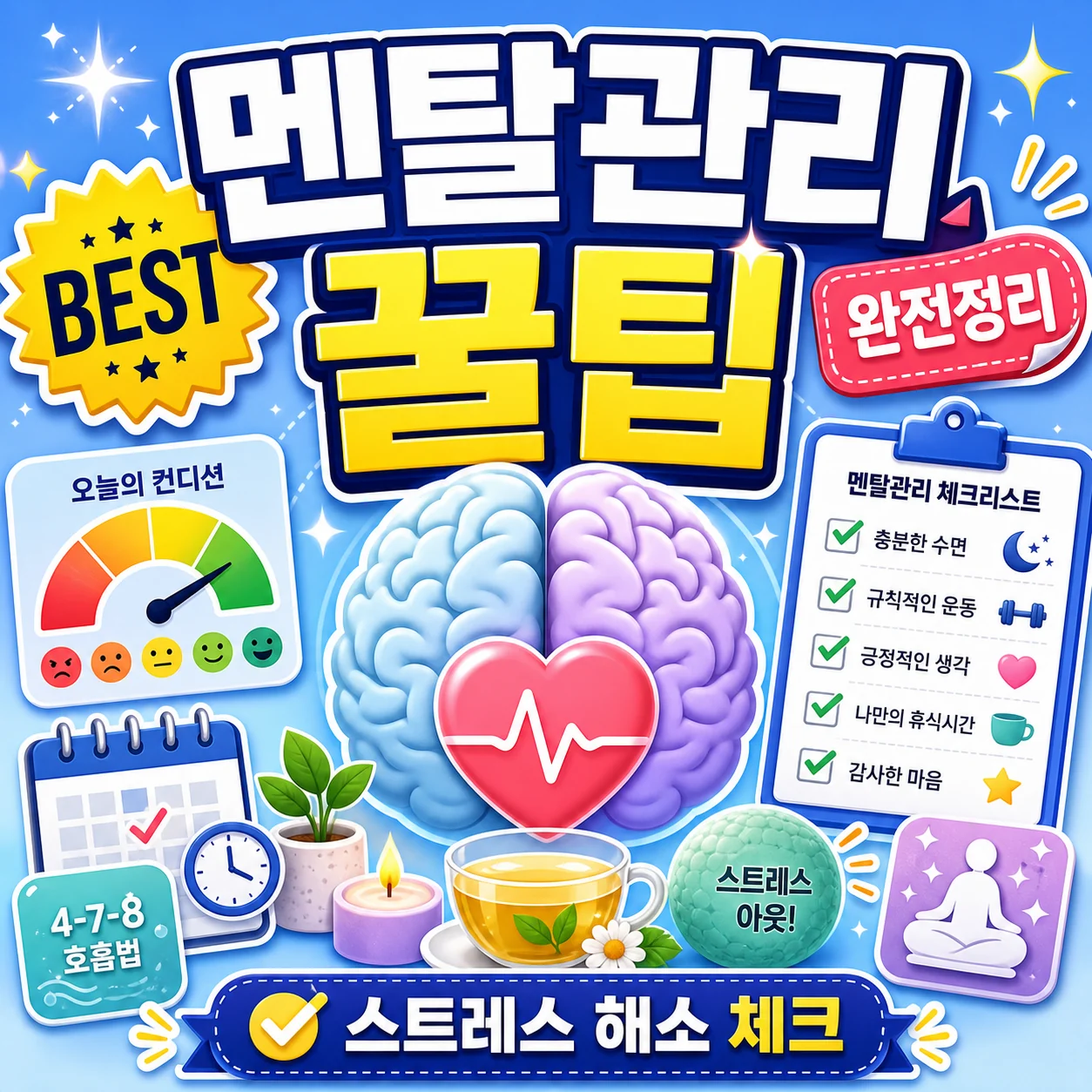
Mental Management Methods and Stress Relief Tips

Mental Management Methods and Stress Relief Tips Thumbnail

Reduce your mental burden and restore your daily energy with simple methods you can use right now. A few short routines are effective for lowering stress responses and restoring focus. Start by doing 5 minutes at a time, wherever it is possible. Short breaths and a regular daily rhythm make a big difference. As simple habits are repeated, stress levels drop noticeably. 30 minutes of activity helps stabilize the mind, and applicable to daily life… Read more

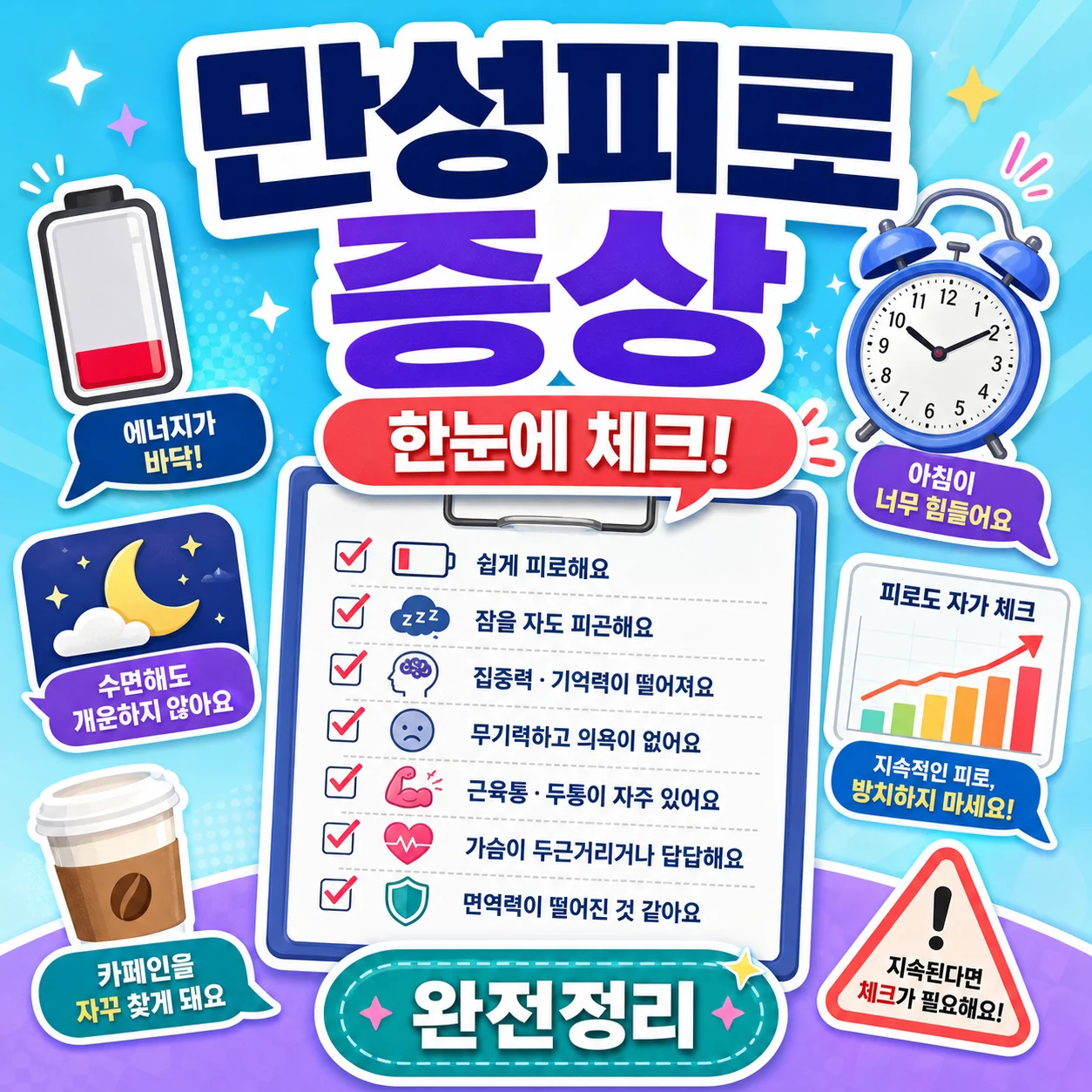
Chronic Fatigue Symptoms at a Glance

Thumbnail summarizing chronic fatigue symptoms at a glance

Chronic fatigue symptoms are a long-term weakness that does not subside with rest, making prompt diagnosis and management crucial. The key is to first check for persistent fatigue, decreased memory and concentration, and dizziness upon changing posture. A decline in daily functioning and sleep abnormalities are also commonly associated. Chronic fatigue is suspected when long-term fatigue that is not relieved by rest is accompanied by symptoms such as cognitive decline or orthostatic discomfort. Diagnosis involves ruling out other causes and determining whether symptoms persist for at least six months… Read more

Symptoms and Causes of Autonomic Dysfunction at a Glance

Autonomic Dysfunction Symptoms and Causes at a Glance Thumbnail

Autonomic dysfunction is a condition in which the regulation of the sympathetic and parasympathetic nervous systems is disrupted, leading to abnormalities in various involuntary functions such as cardiovascular, digestive, and sweating. Quickly identifying important signs can prevent the worsening of symptoms. Prioritize checking for orthostatic changes and gastrointestinal motility abnormalities. Autonomic dysfunction is not a single medical term but rather an autonomic nervous system dysfunction resulting from various causes. Key symptoms include abnormal blood pressure and heart rate responses to changes in posture, as well as digestive, sweating, and urinary disorders. Identifying the cause through appropriate testing… Read more

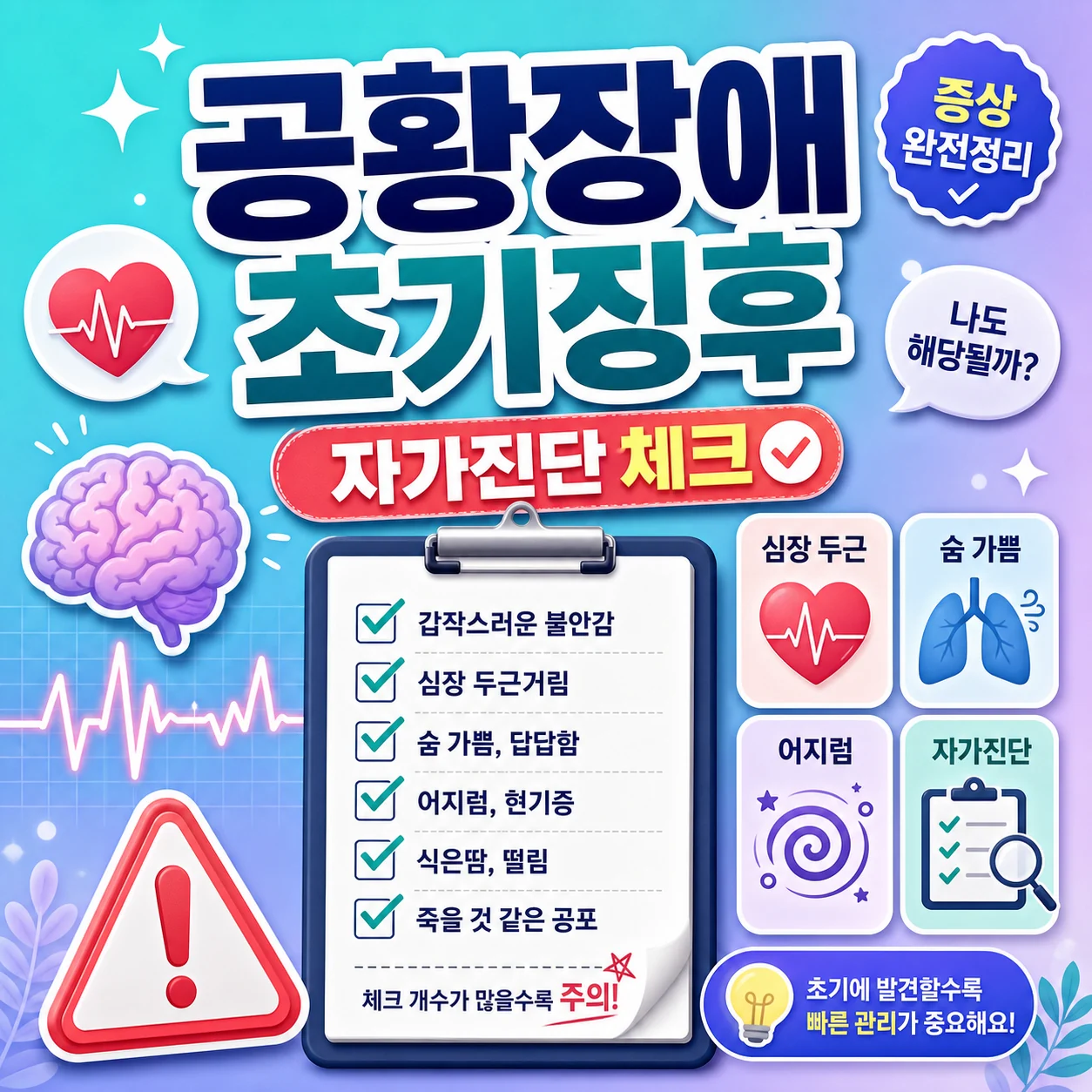
Early Signs of Panic Disorder Symptoms and Self-Diagnosis Tips

Panic Disorder Symptoms, Early Signs, and Self-Diagnosis Tips Thumbnail

If you experience recurring sudden heart palpitations and a feeling of suffocation, followed by anxiety about whether it will happen again, you may suspect a panic attack. Recognizing early signs quickly makes it easier to respond. Prompt checks and professional consultation are helpful. The core of panic disorder is recurrent attacks and the anticipatory anxiety that persists after an attack. Check for warning signs with a simple self-diagnosis and seek a professional evaluation if necessary. 1. How do early signs manifest? Initially, sudden physical symptoms and… Read more

Early Symptoms of Depression at a Glance: Common Signs and Precautions

Early Symptoms of Depression at a Glance: Common Signs and Precautions Thumbnail

If feelings of depression, loss of interest, and sleep changes persist for more than two weeks, caution is required. Early symptoms affect mood, sleep, eating, and cognition. It is important not to neglect them. Early intervention is beneficial for recovery. Please check your symptoms and consider professional counseling. Below, we summarize the key points, including common signs, simple coping strategies, and signals that indicate you need help. The most common early symptoms of depression are low mood and loss of interest, and changes in sleep, appetite, energy, and concentration… Read more

Burnout Syndrome Symptoms and Prevention at a Glance

Burnout Syndrome Symptoms and Prevention at a Glance (Thumbnail)

Burnout is a state of mental and physical exhaustion caused by chronic work stress, and it can be effectively prevented by identifying symptoms and improving lifestyle habits. Early recognition and adequate rest are important, and establishing a support system is necessary. Relaxation rituals at the start of the day, along with regular sleep and exercise, provide practical help. Burnout is a condition accompanied by emotional depletion, a cynical attitude, and decreased work efficiency. Prevention through daily relaxation rituals, regular sleep, exercise, and dietary improvements… Read more

Stress Relief Methods: Immediately Useful Stress Management Tips

Stress Relief Methods: Instant Stress Management Tips Thumbnail

Here is a brief summary of stress management techniques you can use immediately. The key is short breathing, simple movements, and cognitive shifting. We suggest practical tips applicable anytime, 5-minute techniques, and a weekly routine to maintain your daily life. If you want immediate results, try breathing and movement-based techniques within 5 minutes. For regular management, we recommend light cardio or mindfulness at least three times a week. Choose a method suitable for the situation and briefly… Read more

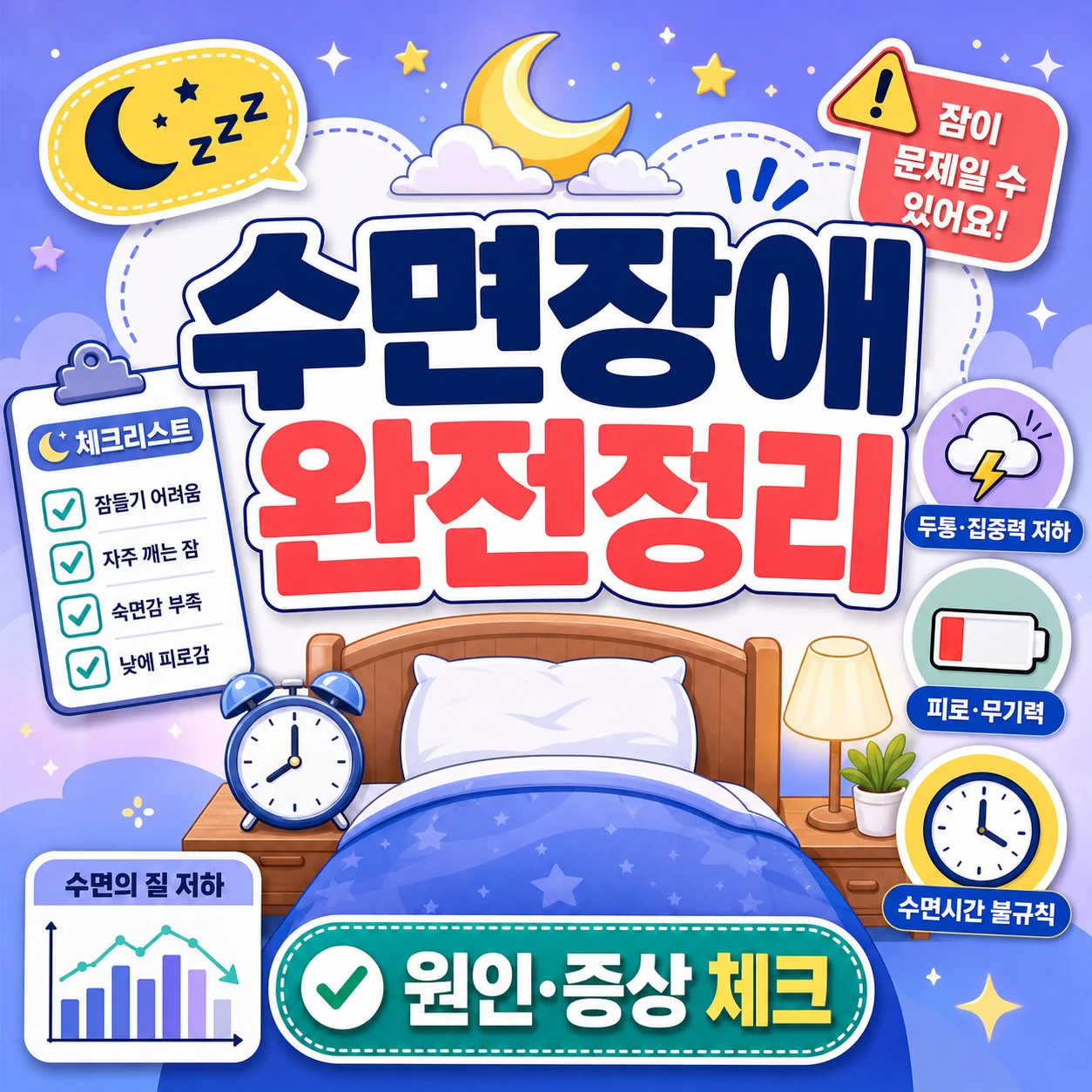
Causes and Symptoms of Sleep Disorders at a Glance

Sleep Disorder Causes and Symptoms at a Glance (Thumbnail)

If you have difficulty falling asleep and feel persistently sleepy during the day, first examine the symptom classification and immediate checkpoints. A step-by-step approach is necessary, ranging from lifestyle habits to diagnostic testing. Start by recording your sleep patterns for one to two weeks and documenting your symptoms and their impact on your daily life. Sleep disorders manifest in various forms, including difficulty falling asleep, inability to maintain sleepiness, excessive sleepiness, and breathing abnormalities. The causes are complex, involving stress, lifestyle habits, underlying conditions, medications, and the environment. Early evaluation and lifestyle modification are key to treatment. 1. Major types of sleep disorders and … Read more

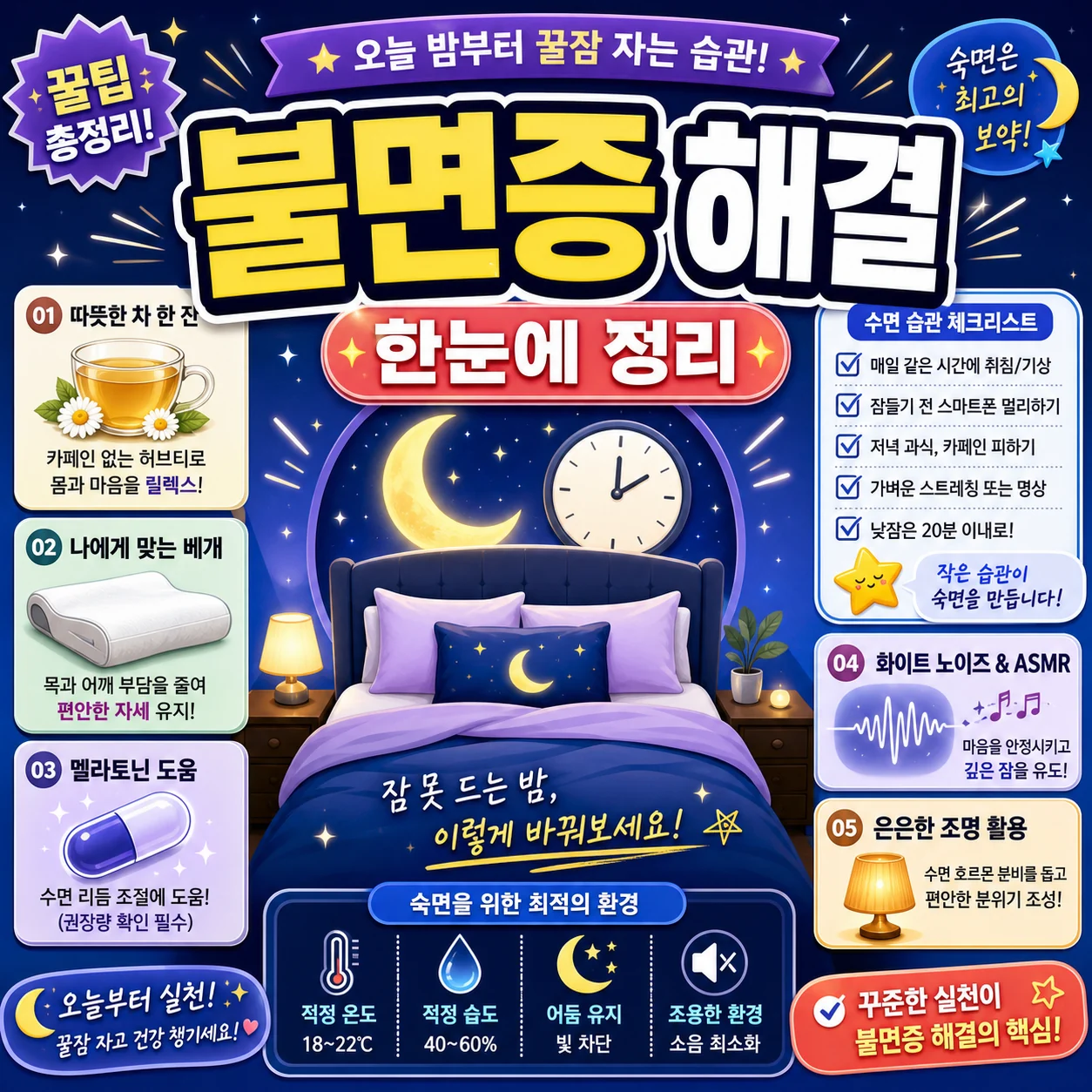
Insomnia Solutions at a Glance

Insomnia Solutions at a Glance Thumbnail

Changing your sleep patterns and evening environment first yields the fastest improvement in insomnia. Regular waking and exposure to light are key. If the condition becomes chronic, a professional evaluation is necessary. We recommend reviewing your lifestyle habits, even for a short period. We summarize key practices and criteria for selecting professional treatment at a glance. The habit of going to bed and waking up at the same time every day rapidly improves sleep efficiency. Deep sleep becomes possible with simple environmental adjustments and behavioral changes. If the problem persists, professional counseling and treatment… Read more