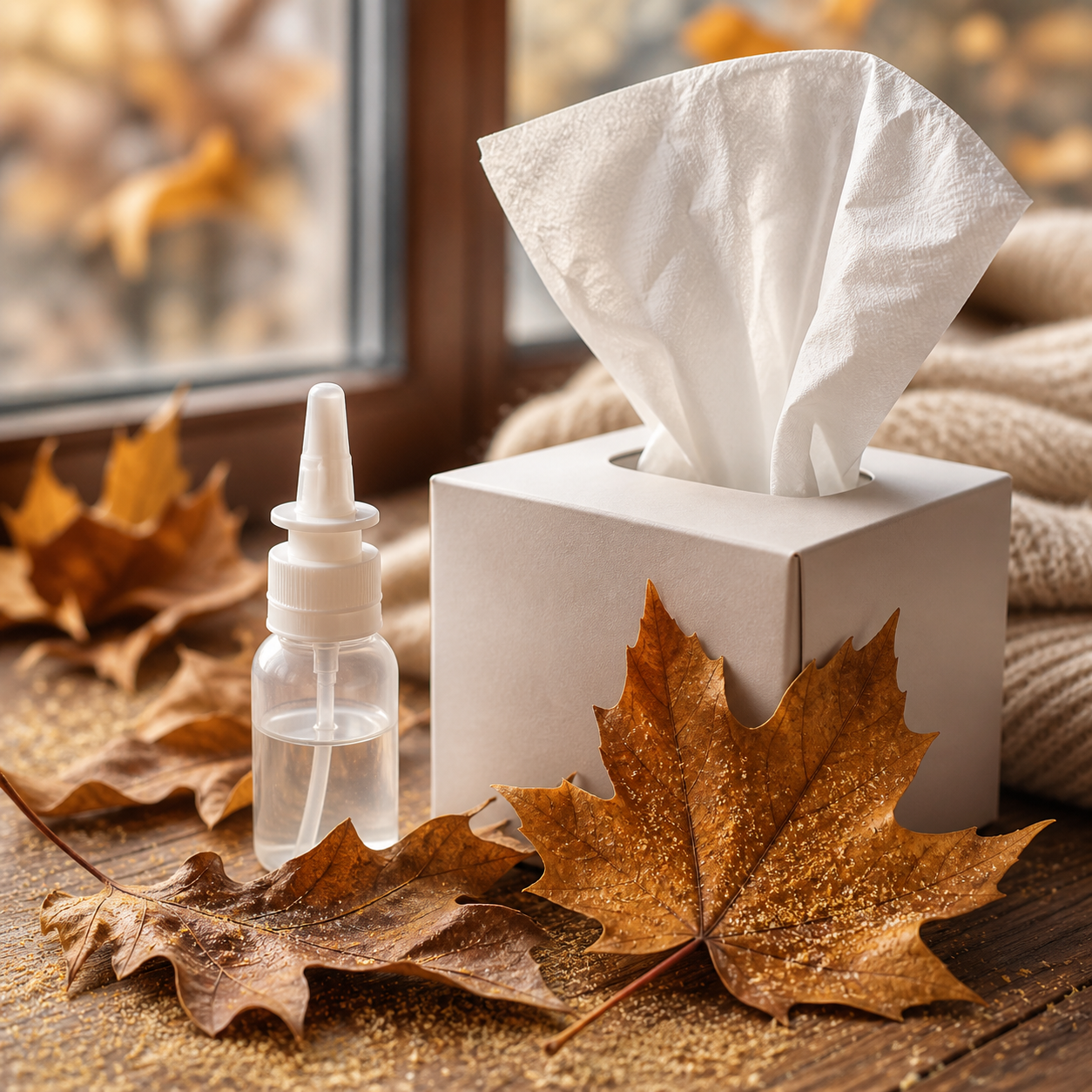
Do you experience recurring sneezing and a runny nose every autumn, and are you confused whether it is a cold or allergic rhinitis? If the same symptoms recur during a specific season, you should first check for pollen and indoor allergens that increase starting in late summer.
The burden of symptoms from autumn allergic rhinitis can be reduced by minimizing exposure to causative substances and controlling environments that irritate the nasal mucosa. I will summarize the criteria for distinguishing it from the common cold or air conditioning-induced rhinitis, tips for going out and managing bedding, and when medical attention is necessary, in that order.
The key cause of autumn rhinitis is weed pollen.

From late summer to autumn, plants like ragweed, Japanese knotweed, and mugwort Weed pollenIt acts as a major allergen. From summer to early autumn, grass pollen from plants such as umbrella grass, large peas, and rye can also have an effect.
The difference is that tree pollen, such as that of alder, willow, and maple, is common in spring, while weed pollen makes up a larger proportion in autumn. Since some people react to multiple types of pollen simultaneously, symptoms may persist with every change of season.
Repeated runny nose and paroxysmal sneezing in the autumn are signs that you should check for pollen allergies first rather than a simple seasonal cold.
Here's how to distinguish between a cold and air conditioning rhinitis.

The typical symptoms of allergic rhinitis are paroxysmal sneezing, runny nose, nasal congestion, and itching of the nose and eyes. It is characterized by the absence of fever, worsening symptoms in specific places or seasons, and persisting during exposure to allergens.
A cold typically shows a tendency to improve over time following a viral infection. However, if a fever is present along with yellow or green nasal discharge, it should not be dismissed as merely allergic rhinitis; a medical examination is necessary to confirm whether it is an infectious disease.
If clear runny nose and sneezing worsen immediately after turning on the air conditioner and improve when outdoors, it could be air conditioning rhinitis. The temperature difference between indoors and outdoors 5 degrees or higher Since the nasal mucosa can be irritated if it opens, it is better to maintain a temperature difference of within 5 degrees and manage indoor humidity at 40 to 60% when using an air conditioner.
How to bring less pollen in when going out
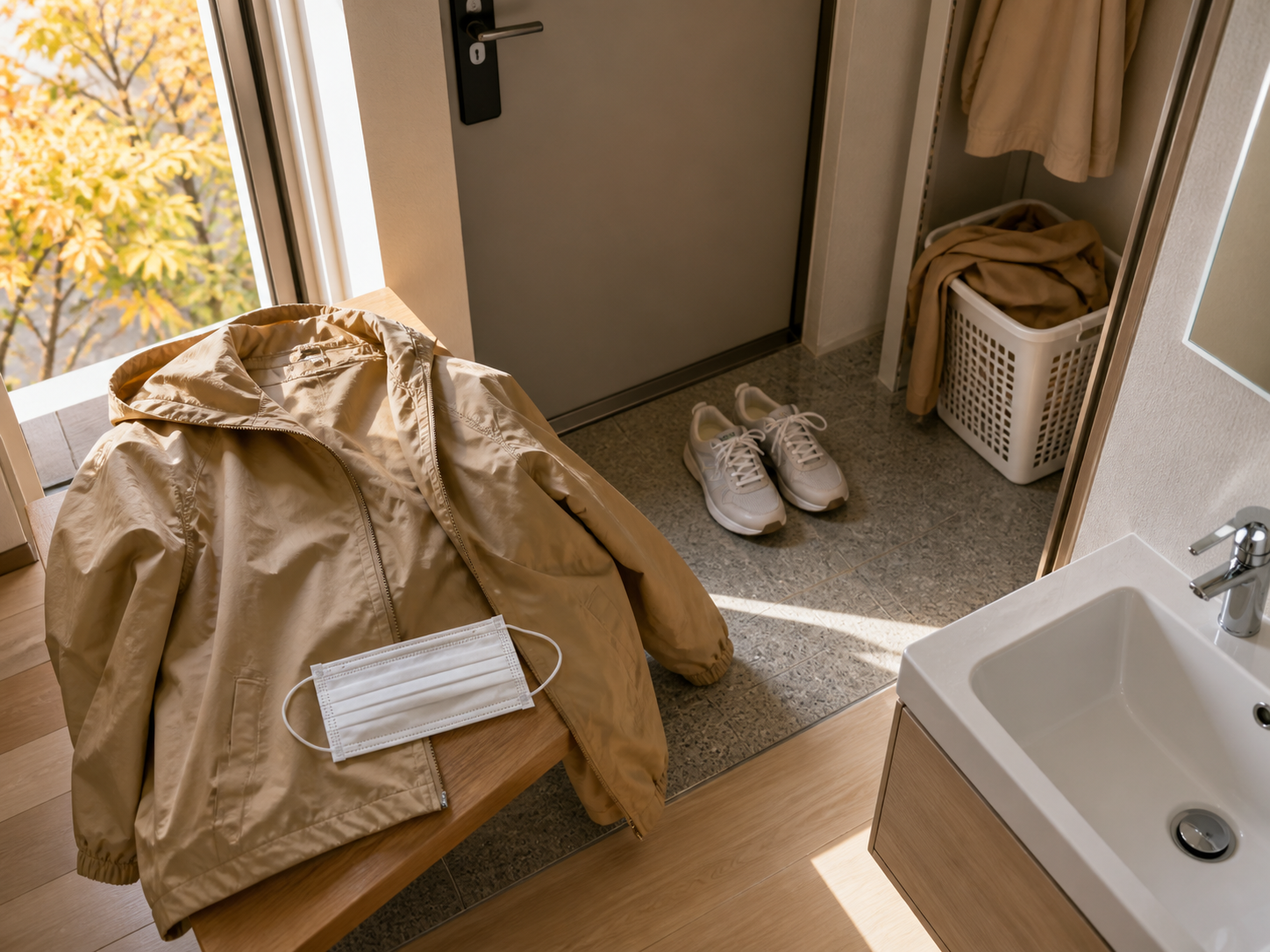
On days with high pollen levels, reducing time spent outdoors and wearing a KF80 or higher mask when outside helps reduce allergens entering the nose. Upon returning home, shaking off outerwear, washing your face and hands, and keeping your outdoor clothes separate from the bedroom help lower indoor influx.
If you do not ventilate at all, indoor dust and odors can accumulate, so it is important to choose the right time. Open the windows early in the morning when fine dust is low or immediately after it rains, and ventilate all at once. 10~15 minutes You just need to close it after ventilating it for a while.
Bringing pollen-covered hair and clothes directly into the bedroom can worsen nasal congestion overnight. The habit of showering after going out before going to bed is particularly useful for people whose symptoms are pronounced in the evening.
Manage bedding and indoor allergens together.
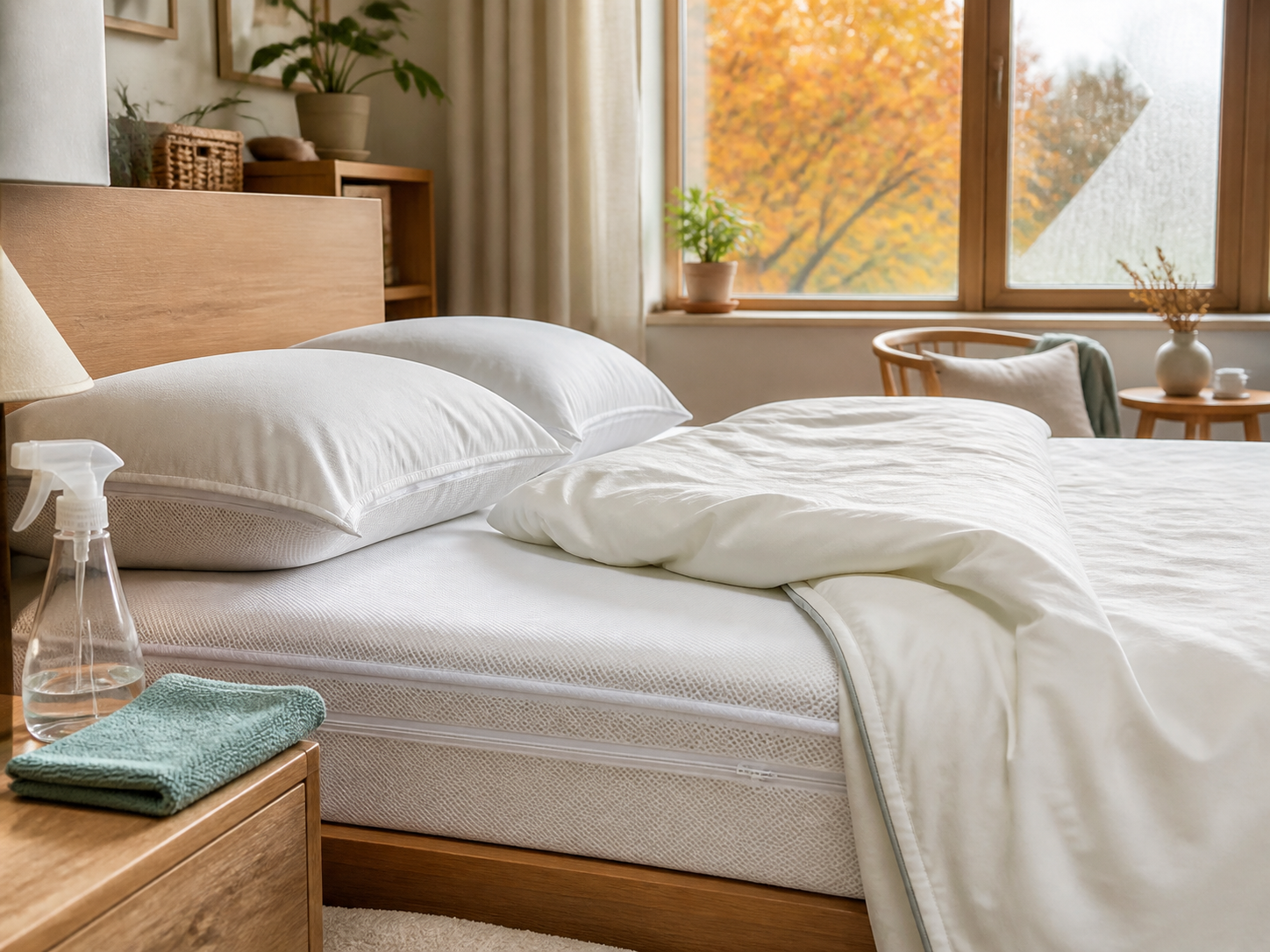
It is easy to assume that autumn rhinitis is caused solely by pollen, but allergens from house dust mites, mold, and pets can also continue to irritate nasal symptoms. If rhinitis persists even after the season passes, or if you experience severe nasal congestion every morning, you should also examine indoor causes.
Washing fabric bedding once a week and using hot water at 55–60 degrees or higher within the product's permitted range helps manage dust mites. Use allergen-blocking covers on mattresses and pillows, and it is better to wipe dust in the bedroom with a damp cloth rather than a dry one.
Maintain indoor humidity within the range of 40 to 601 TP3T, and wipe down window frames and walls where condensation forms immediately to reduce the environment for mold growth. If you have pets, it is recommended to restrict their access to the bedroom and frequently clean areas where hair and dander accumulate.
Treatment to choose when lifestyle management alone is insufficient
While avoiding allergens is essential, it is difficult to completely block pollen. If symptoms recur, you can consult with a healthcare professional or pharmacist about using antihistamines or nasal steroid sprays; nasal steroids are used to reduce inflammation and congestion inside the nose.
Depending on the type, antihistamines can cause drowsiness, and the elderly should be extra careful about dizziness or other side effects. If you plan to drive or operate machinery, monitor your reaction after taking the medication, and inform your pharmacist if you are taking any other medications.
Identifying causes related to pollen, house dust mites, mold, or pets through allergy testing allows for the development of more specific avoidance strategies. If symptoms recur seasonally despite medication, discuss immunotherapy, which can last for 3 to 5 years or more, with your medical team.
| division | Key aspects | Clues that help with judgment |
|---|---|---|
| allergic rhinitis | Sneezing, runny nose, itching, nasal congestion | Repeated during specific seasons or allergen exposure |
| cold | Runny nose, sore throat, cough, body aches | Recovery over time after infection |
| Air conditioning rhinitis | Clear runny nose and sneezing while using an air conditioner | Reacts to cold, dry air and temperature changes |
Do not delay medical treatment in such cases.
If symptoms persist for more than four weeks or if nasal congestion keeps you awake at night, you should see an ENT specialist or allergist. If postnasal drip continues, you will find yourself clearing your throat frequently, which can reduce the quality of your sleep and your concentration during the day.
If nasal congestion is unusually severe on one side, or if it is accompanied by facial pain, recurring yellow nasal discharge, and fever, you should check for other conditions such as sinusitis. It is also safer not to dismiss recurring respiratory symptoms, such as shortness of breath or wheezing, as merely a problem of rhinitis.
The criteria for judgment are simple. If clear runny nose, sneezing, and itching recur depending on the season and location, consider allergic rhinitis first and adjust your outings, ventilation, and bedding management accordingly. If symptoms disturb sleep, persist for more than four weeks, or involve fever, dark-colored runny nose, or respiratory symptoms, the cause must be identified through a medical examination.