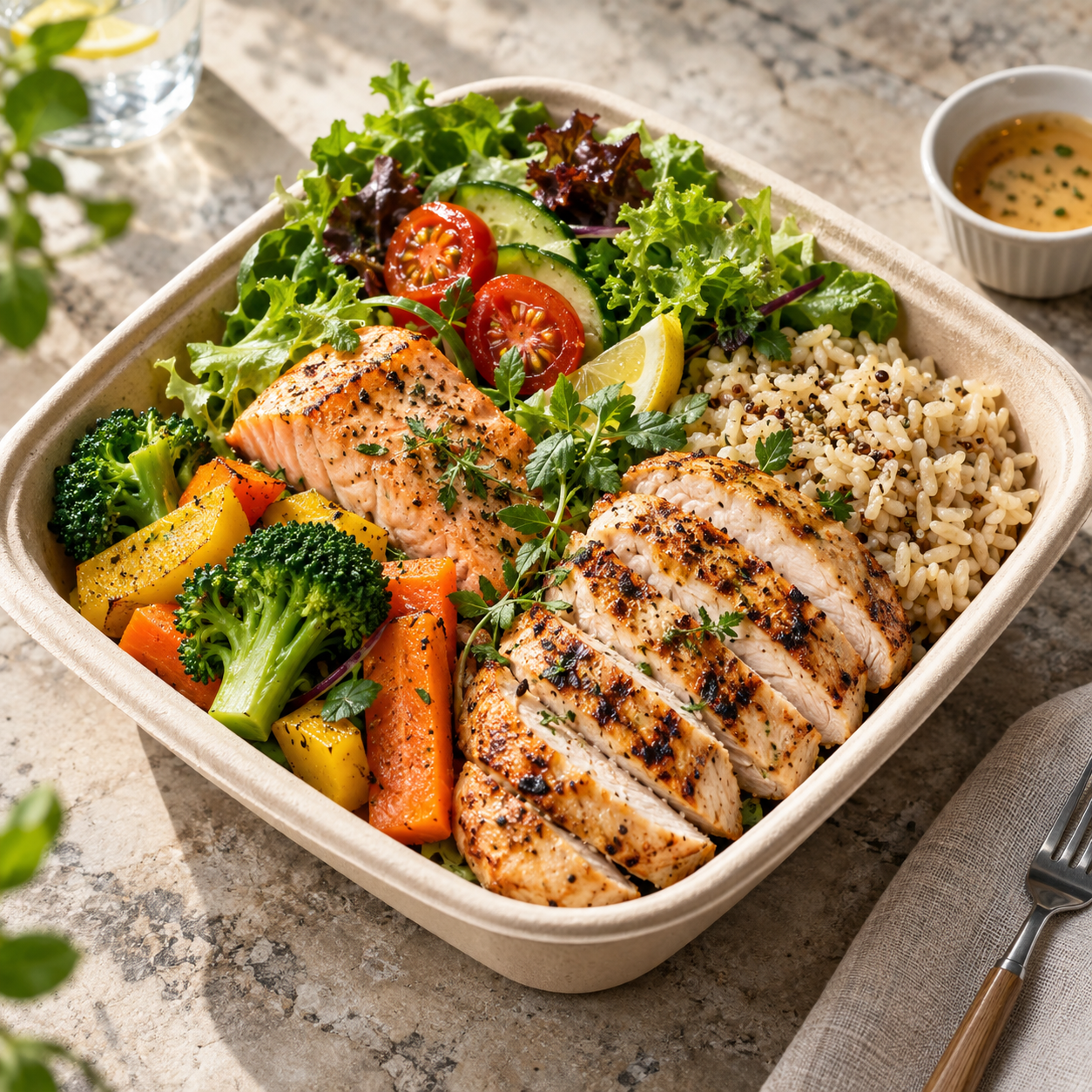
If you are on a diet and need to order delivery, you may feel lost when looking at the menu and wondering what to choose. However, when considering the portion sizes of rice and noodles, the composition of protein and vegetables, and the sauces and side dishes, raw fish, keto gimbap, boiled pork or bossam, and chicken breast salad are relatively easy options to control.
The criteria introduced by Dr. Lee Jin-bok, a specialist in family medicine, also focus on examining the actual composition rather than the name of the food. When ordering today, rather than asking 'Is it healthy?' Is it possible to reduce carbohydrates and sauces while ensuring protein and vegetables?You just need to consider that first.
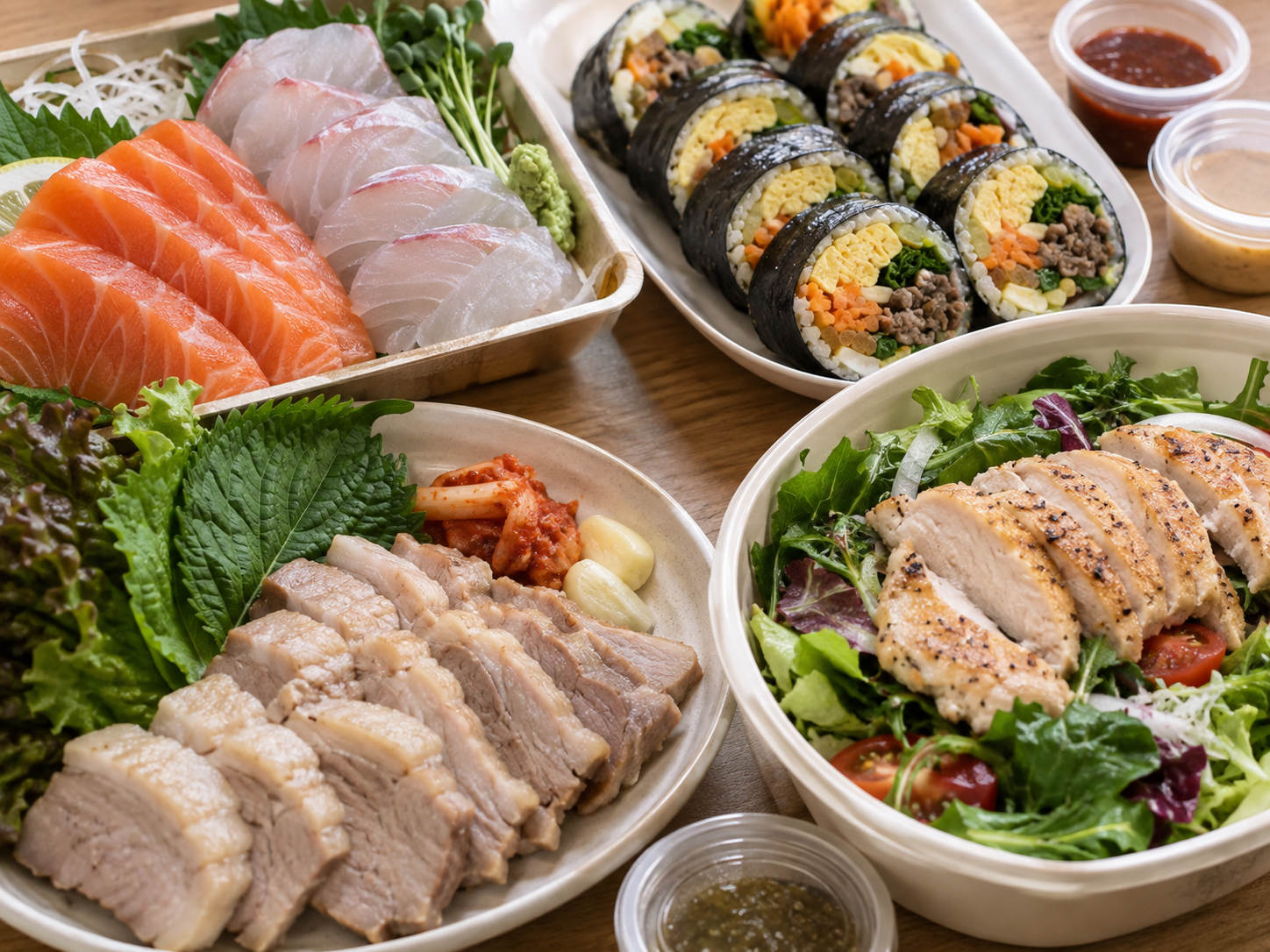
Compare four delivery diet menu options.
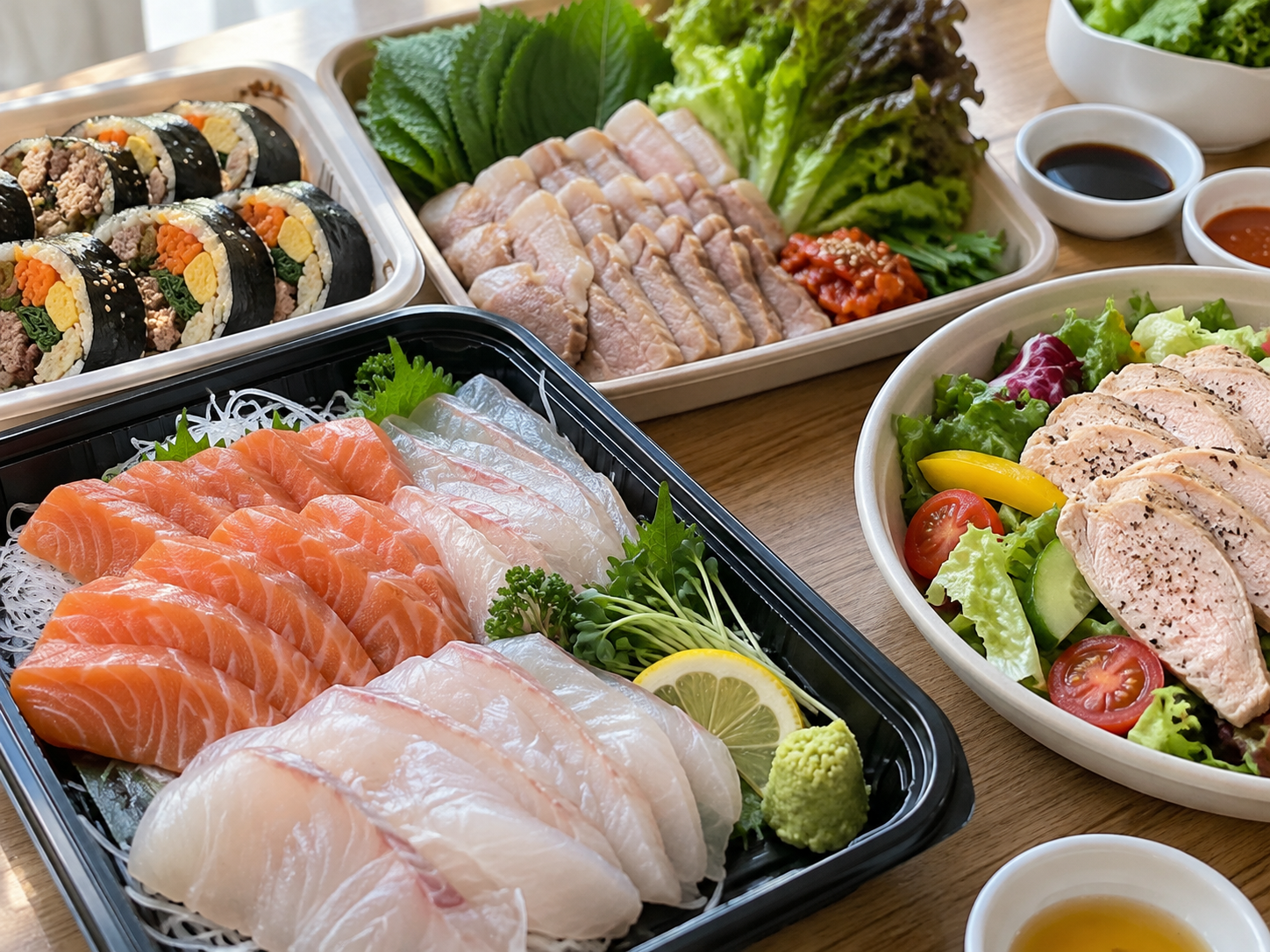
The first option is raw fish without rice. Raw fish is low in carbohydrates and provides an easy source of protein; it can also include fish rich in unsaturated fatty acids, such as salmon.
The second is Keto Gimbap. It is a method that reduces the proportion of rice compared to regular gimbap and adds eggs, meat, and vegetables to supplement protein and satiety, but if there is a lot of ham or sausage in the fillings, sodium and fat intake increase.
Suyuk and Bossam are good choices for reducing oil intake compared to grilling or frying due to their boiling cooking method, while chicken breast salad makes it convenient to get both the dietary fiber from vegetables and the protein from chicken breast at once. However, the composition of the meal varies for all four menus depending on the seasoning and additional carbohydrates.
| menu | merit | Factors to reduce when ordering |
|---|---|---|
| sashimi | Protein intake without rice | Chojang, soy sauce, and sushi set |
| Keto Gimbap | Reduce rice and supplement with eggs, meat, and vegetables | Processed meats such as ham and sausage |
| Suyuk and Bossam | A combination of boiled meat and leafy greens | Fatty cuts and ssamjang |
| Chicken breast salad | Consume protein and dietary fiber together | Dressing · Fried toppings |
The quality of a diet meal is determined more by the overall composition, including rice, sauce, broth, processed meat, and side dishes, than by the menu name.
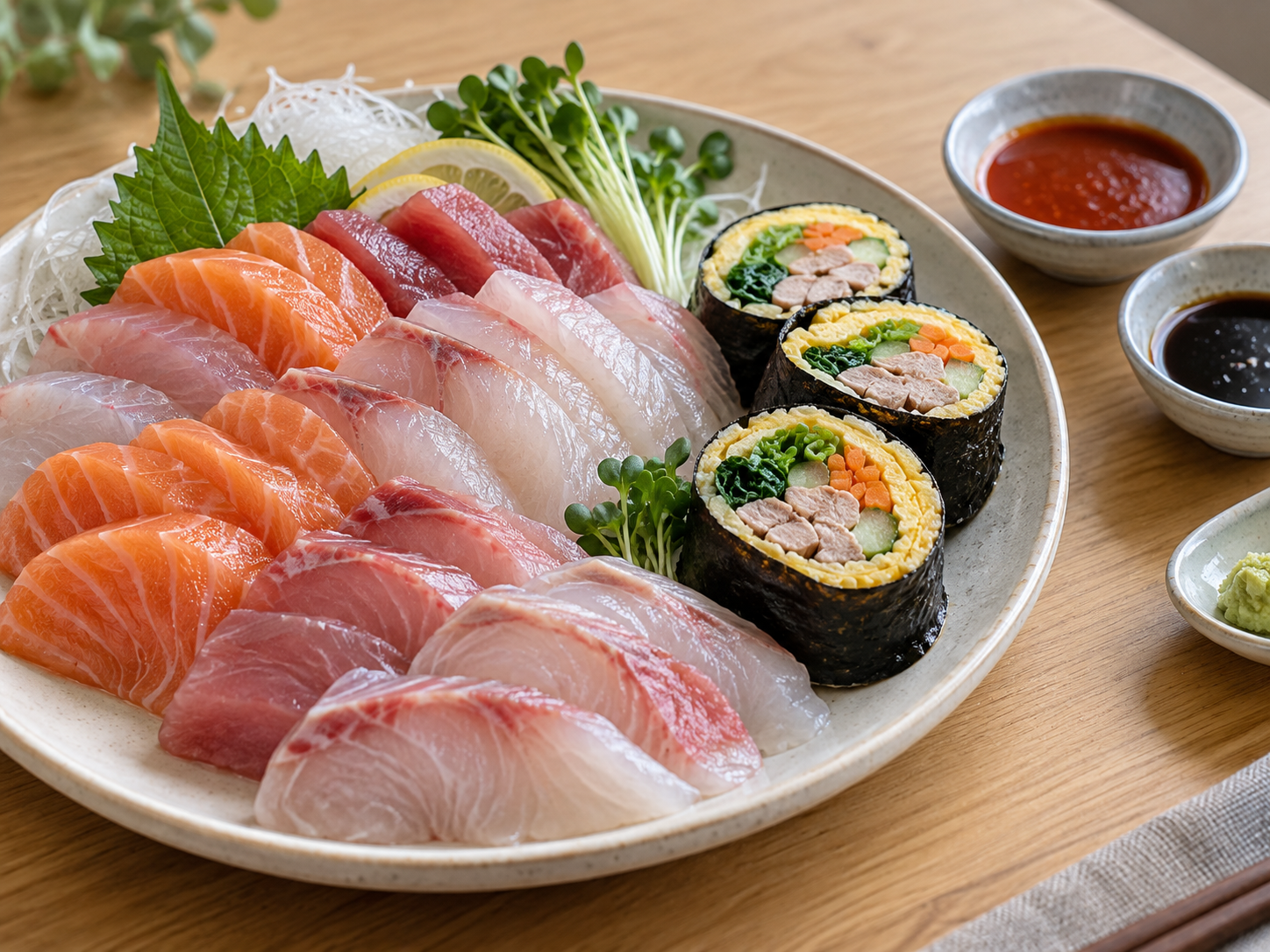
For sashimi and keto gimbap, I start with the rice and sauce.
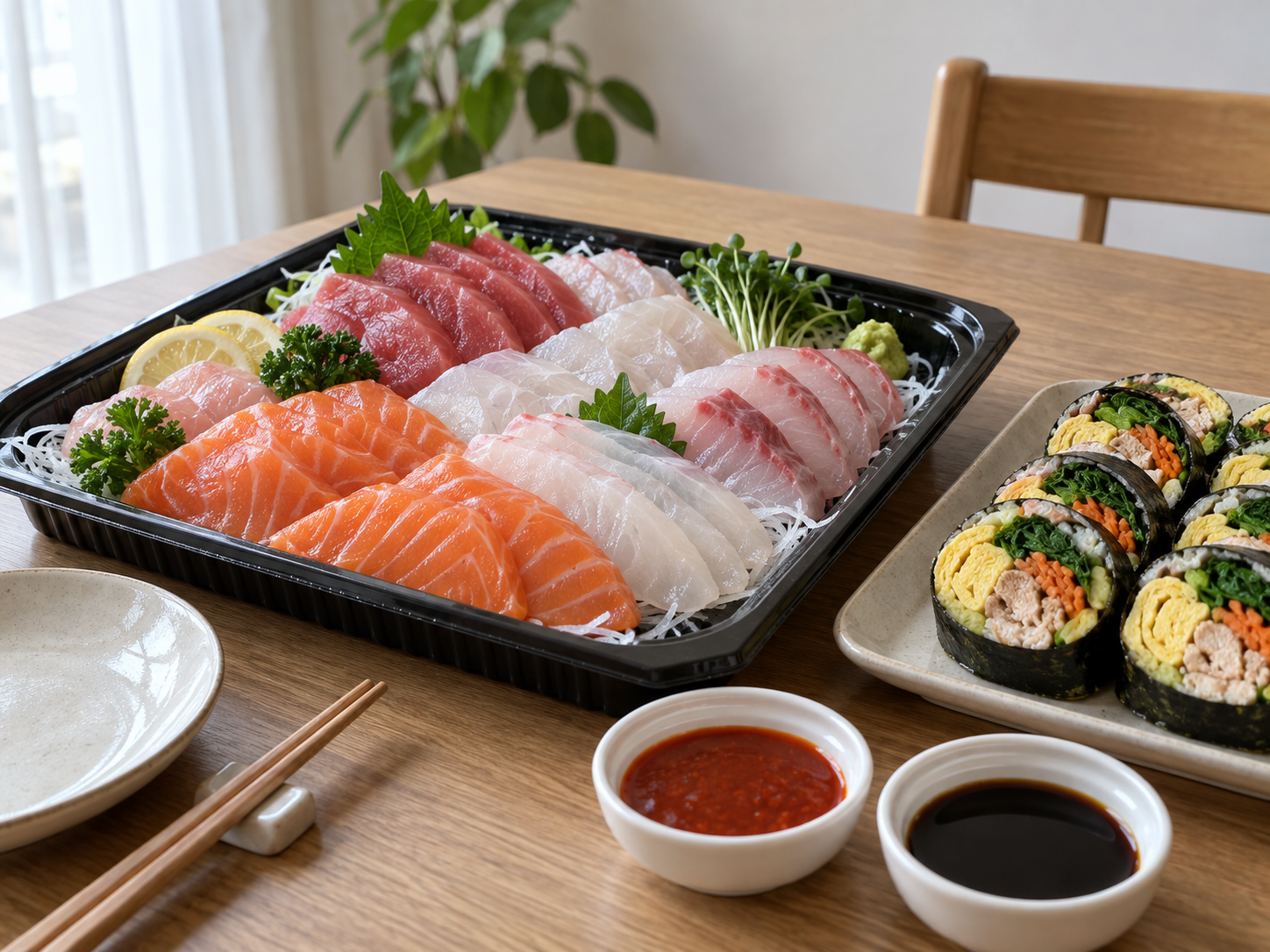
Sashimi is a dish where it is easy to lower carbohydrate intake when there is no rice. Conversely, since sushi includes rice with the raw fish, it is difficult to view it in the same way as raw fish, and if you add a lot of vinegar and soy sauce, the sugar and sodium content also increase.
When ordering, it is practical to distinguish between sashimi and sushi and request that the dipping sauce be served in a separate container. If you dip the sashimi only as much as needed rather than soaking it in the sauce, you can naturally reduce your sauce intake.
You should not choose keto gimbap based solely on its name. You must first check the product description to see if it contains a lot of eggs instead of rice, if there are enough vegetables, or if it is overloaded with ingredients such as ham, sausage, or mayonnaise.
For example, keto gimbap centered on eggs, vegetables, and lean meat can easily add protein and satiety to a meal, but products with a lot of processed meat and sauce can be saltier than expected. ‘The name 'Keto' itself does not guarantee low calories or low fat.
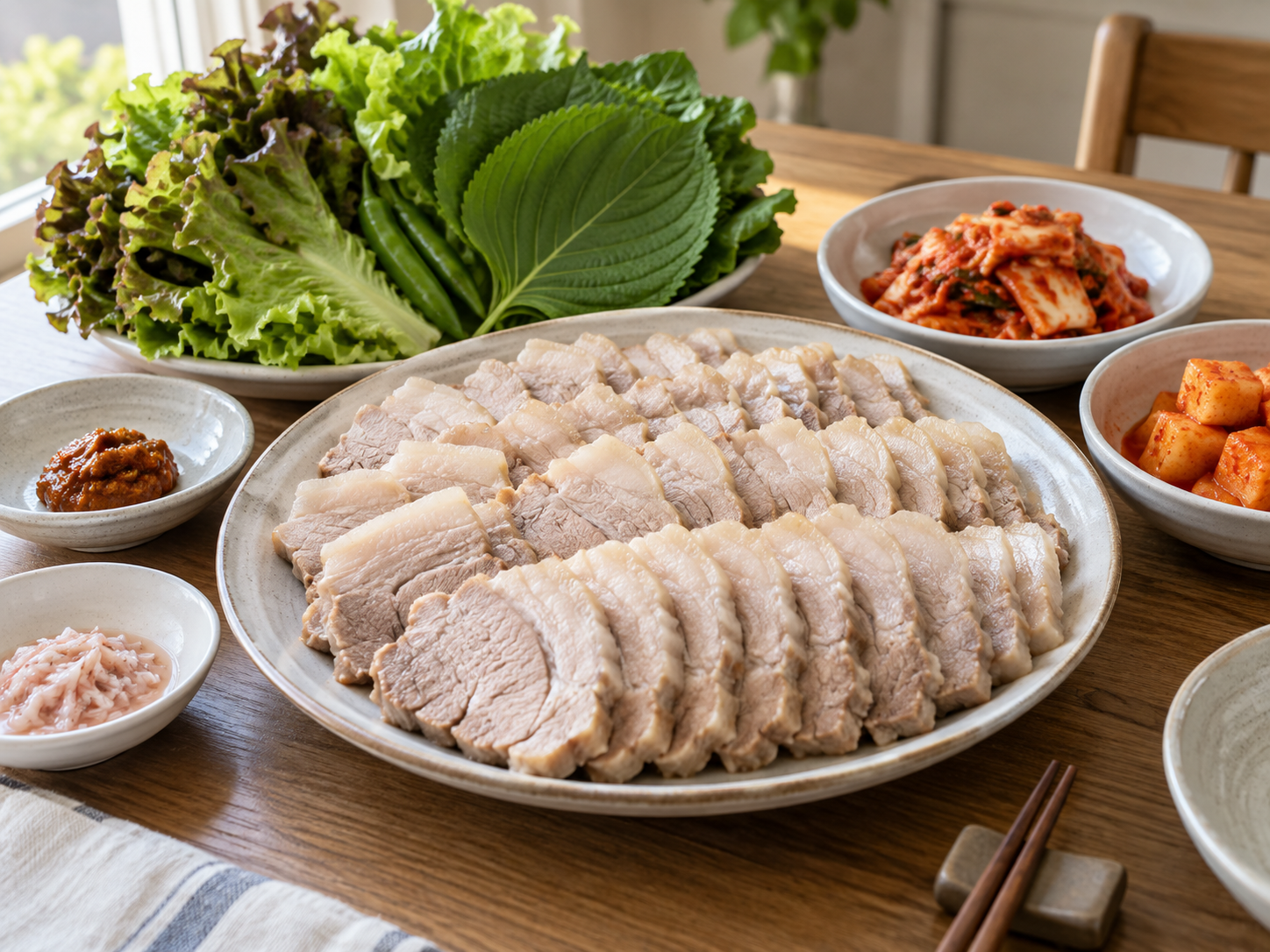
The key to Suyuk and Bossam is the cut of meat and the side dishes.

Since Suyuk is a dish made by boiling meat, it can be an option that reduces the burden of fat during the cooking process compared to fried or greasy grilled dishes. The fact that it is a good source of sufficient protein is also considered an advantage.
However, that does not mean you can eat boiled meat in any quantity. It is better to choose cuts with more lean meat rather than fatty ones, and to control your portion size by eating it with leafy greens rather than eating all the meat at once.
When eating bossam, you need to consider the ingredients other than the meat. Bossam kimchi, radish kimchi, ssamjang, and salted shrimp paste enhance the flavor, but consuming large amounts of these seasonings can lead to increased sodium and sugar intake.
When making wraps, it is safe to add plenty of vegetables and just a little bit of ssamjang. If you are ordering a set that includes buckwheat noodles or rice balls, adjusting the portion size of one side to avoid eating too much of both the meat and carbohydrate dishes helps maintain meal balance.
For chicken breast salad, you need to handle the dressing separately.
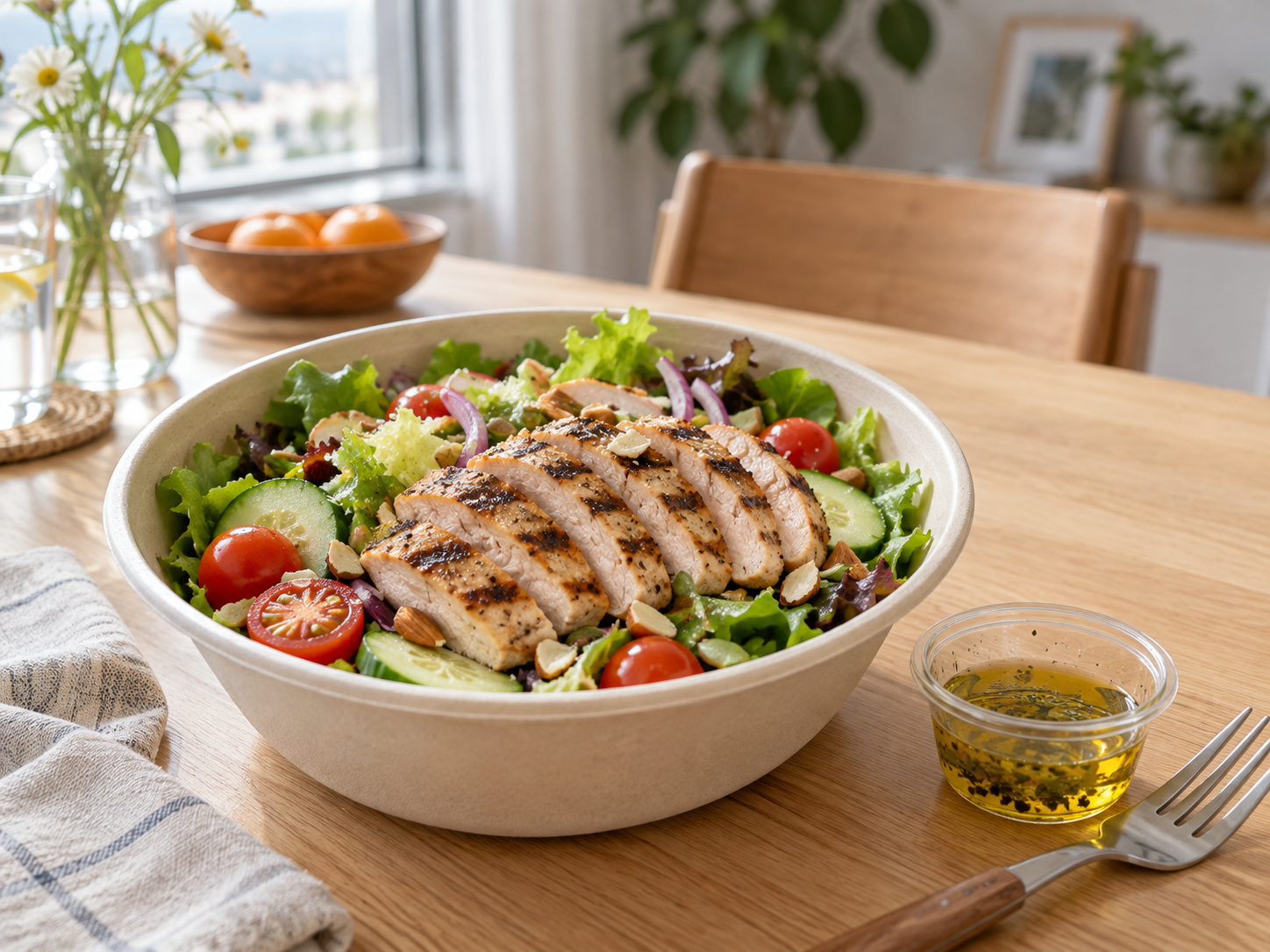
Chicken breast salad is relatively easy to understand among delivery menu items. It is good for creating a basic framework for a meal, as you can supplement dietary fiber with vegetables and add protein with chicken breast.
The problem lies with the dressing and toppings. When sweet dressing, cheese, nuts, croutons, and fried toppings are added all at once, the burden of additional fat and sugar can outweigh the benefits of the vegetables and chicken breast.
Do not pour the entire dressing at once; instead, serve it in a separate container and dip the food little by little.This is the simplest method. You can choose an olive oil-based dressing, but since the total calorie content increases as the amount of olive oil increases, you should not use it by pouring it generously.
Salads featuring battered chicken breast or toppings centered on processed meats like bacon differ in composition from a standard chicken breast salad. This is why we consider not only the amount of vegetables but also the cooking method of the chicken and the types of toppings.
Please organize your sauces, drinks, and additional menu items right before ordering.

The final check is done on the options screen rather than the menu. If you examine in order whether rice or noodles are included by default, whether you can receive sauces and dressings separately, and whether you can exclude processed meat or fried toppings, your choice becomes much clearer.
If a set menu includes a carbonated drink, switching to water is beneficial for reducing sugar intake. When ordering soup dishes or shabu-shabu, it is recommended to focus on the solid ingredients rather than the broth, and to avoid adding kalguksu or porridge.
Regarding sauces, 'separating' them is a more realistic approach than 'eliminating' them. If you receive gochujang, ssamjang, and salad dressing separately, and do not use the entire amount from the start, you can reduce your intake while maintaining the flavor of the food.
When choosing a delivery meal while on a diet, the important thing is not finding a single food that is specifically allowed. Reducing rice and sauce for raw fish, processed meat for keto gimbap, the cut and seasoning for bossam, and dressing and toppings for salad.You just need to manage the points where the burden arises differently for each menu item, like this.