How to Increase Basal Metabolic Rate: How to Boost It Through Diet and Exercise

Basal metabolic rate (BMR) varies depending on muscle mass and dietary composition. Rather than blindly eating less, it is more advantageous to ensure you consume sufficient protein and engage in strength training. Today, we will separate diet and exercise to summarize which habits help increase your BMR. To raise your BMR, it is important to consume enough protein and consistently perform exercises that build muscle. You will feel a greater impact when you balance the quality of your diet, sleep, and activity levels together, rather than simply reducing your food intake. 1. Through diet… Read more

16:8 Intermittent Fasting Method: Organizing Meal Times

The 16·8 method divides the day into a 16-hour fasting period and an 8-hour eating period. The key is to maintain a consistent meal schedule, and the cleanest routine involves keeping only water and black coffee during the fasting period. The habit of fixing your times is more important. You don't need to overthink it from the start. Today, let's summarize some examples of meal times and key points for implementation. The 16·8 method divides the day into a 16-hour fasting period and an 8-hour eating period. It becomes easier to practice if you match the start and end times of your meals roughly every day. … Read more

A Comprehensive Summary of Side Effects and Symptoms of the Low-Carb, High-Fat Diet

Comprehensive Summary of Low-Carb, High-Fat Diet Side Effects and Symptoms Thumbnail

In the early stages of a low-carb, high-fat diet, you may experience changes such as headaches, lethargy, and constipation, and you should also monitor fluid loss and electrolyte balance. Identifying the cause becomes much easier if you look at when these changes began. Today, I will summarize common bodily signals, how to distinguish them, and key points to check when adjusting your diet. Initial changes in a low-carb, high-fat diet often occur alongside changes in fluids and electrolytes. If they pass quickly, it may be part of the adaptation process, but… Read more

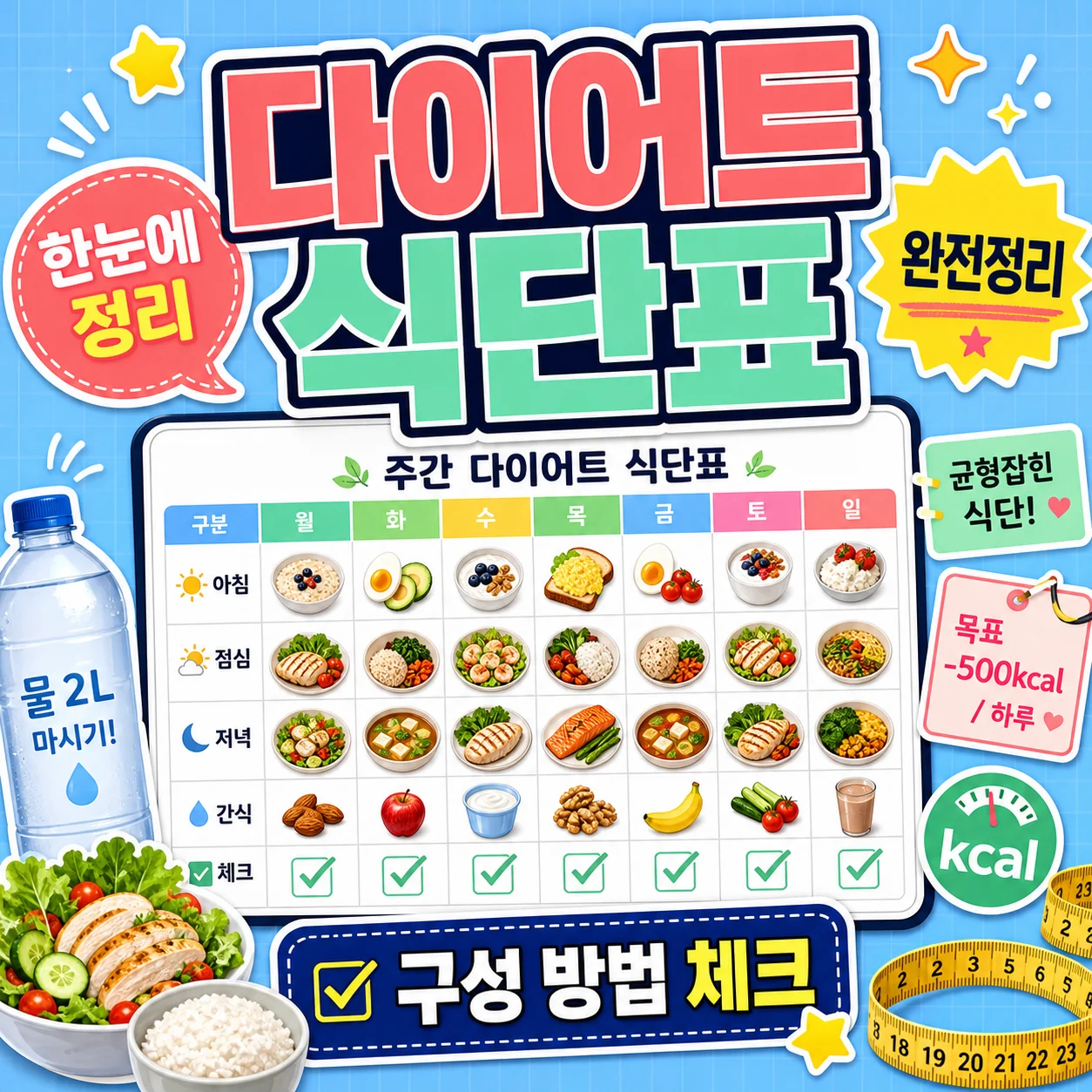
How to Organize a Diet Plan at a Glance

How to Organize a Diet Meal Plan at a Glance (Thumbnail)

A diet meal plan that focuses on filling up lasts longer than one that involves starving yourself. It becomes much easier if you first separate carbohydrates, protein, and vegetables, and simply maintain a consistent flow for breakfast, lunch, and dinner. The key is to establish a consistent flow for the entire day rather than trying to make a single meal perfect. Including plenty of vegetables and protein keeps you feeling full for longer, allowing the meal plan to flow naturally. 1. Why You Should Start a Meal Plan Simply: The more complicated a meal plan is, the later you get started. First, trying to make a single meal perfect… Read more

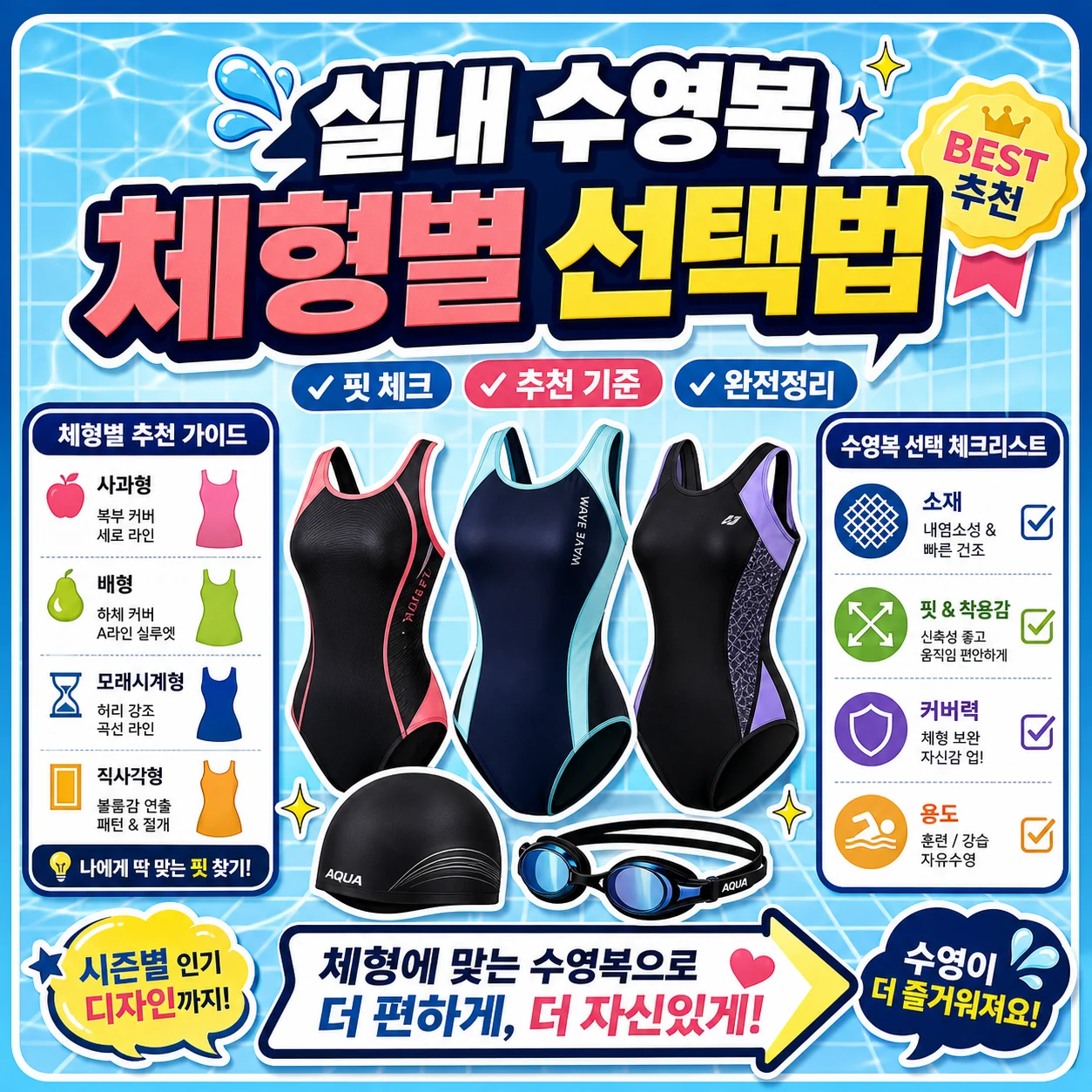
How to Choose Indoor Swimwear: Selection Criteria by Body Type

How to Choose an Indoor Swimwear Selection Criteria by Body Type Thumbnail

Choosing indoor swimwear is easy if you first consider mobility, comfort, body shape balance, and size. A slightly tight fit feels natural at first, and selecting becomes much easier when you look at your bust, waist, and hip measurements together. The feel can change once you enter the water. Today, we will examine the swimwear in the order of purpose, body type, and size. For indoor swimwear, it is more important to determine the purpose and fit first than just looking at it. By considering the lines that fit your body type along with your measurements, you can achieve stability even in the water… Read more

Pros, Cons, and Precautions of Swimming on an Empty Stomach

Thumbnail of pros, cons, and precautions for swimming on an empty stomach

While swimming on an empty stomach is often sought after for body fat management, you must also monitor your blood sugar and hydration levels. Your body’s reaction varies depending on the intensity and duration, and it is heavily influenced by your morning condition. Keeping it short and light makes it highly effective, whereas pushing yourself too hard for a long time can cause your body to react more sensitively. Swimming on an empty stomach is best utilized when adjusted to low intensity and a short duration. However, your physical condition, hydration, and exercise intensity are more important than whether or not you have eaten. Read more

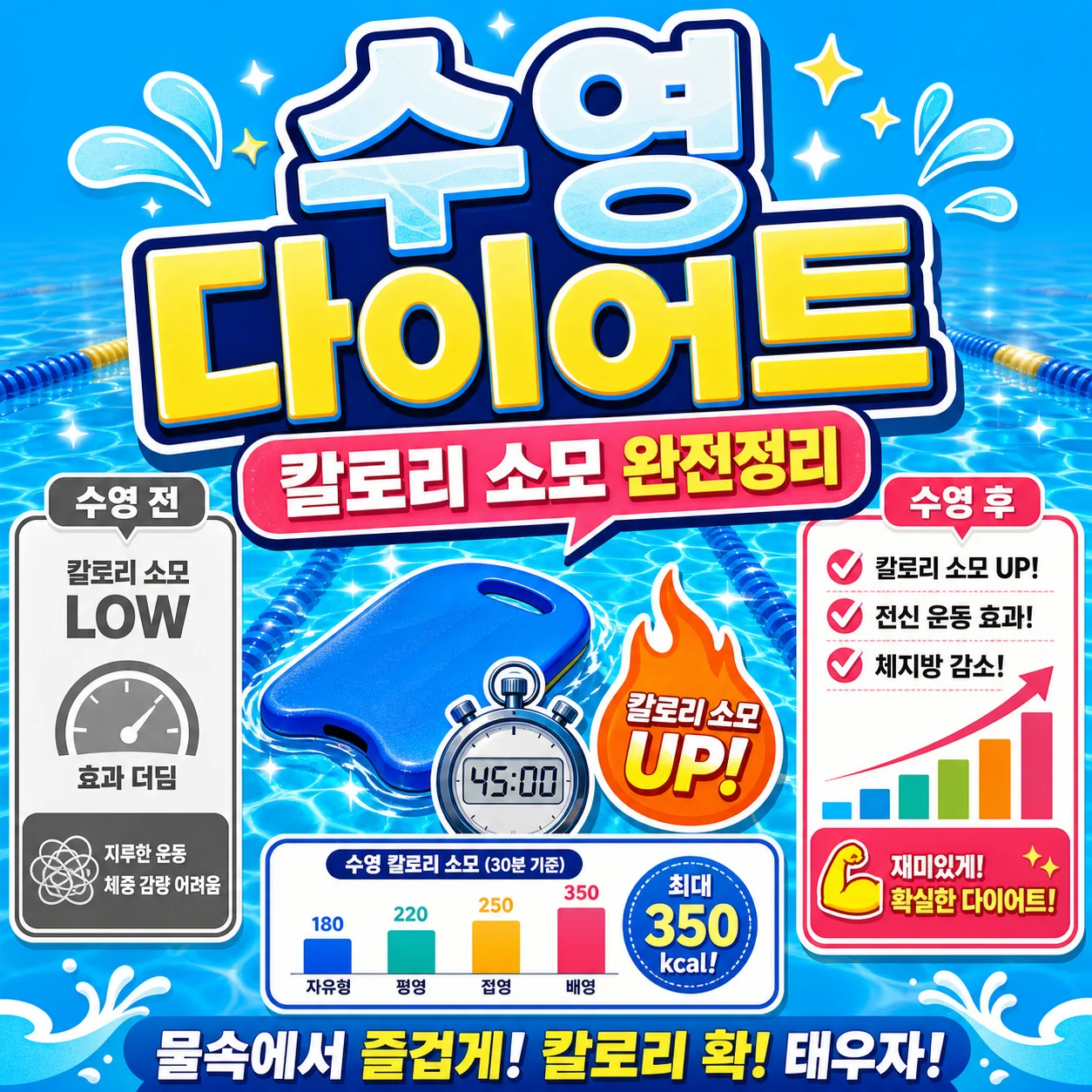
A Comprehensive Summary of Swimming Diet Benefits and Calorie Burn

Summary of Swimming Diet Effects and Calorie Burn Thumbnail

The effectiveness of swimming for weight loss is undeniable. Consistent swimming for over 30 minutes burns a significant amount of calories, and a combination of freestyle and breaststroke is practical. Exercise intensity and duration determine the results. It is also well-suited for weight management. For a swimming diet, duration and repetition frequency are more important than the stroke itself. While butterfly tends to burn a lot of calories, a realistic routine involves mixing freestyle and breaststroke and continuing for over 30 minutes. 1. Reasons why swimming is effective for weight loss … Read more

Mental Management Methods and Stress Relief Tips

Mental Management Methods and Stress Relief Tips Thumbnail

Reduce your mental burden and restore your daily energy with simple methods you can use right now. A few short routines are effective for lowering stress responses and restoring focus. Start by doing 5 minutes at a time, wherever it is possible. Short breaths and a regular daily rhythm make a big difference. As simple habits are repeated, stress levels drop noticeably. 30 minutes of activity helps stabilize the mind, and applicable to daily life… Read more

How to Improve Concentration: Immediate Action Methods to Enhance Focus

How to Improve Concentration: Immediate Action Methods to Enhance Focus Thumbnail

We have gathered only the methods you can put into practice immediately and will share them simply. The key lies in organizing your environment and maintaining a regular routine. Try changing just one thing right now. We also provide action tips. Small environmental changes and regular breaks quickly boost concentration. Try creating short routines first, such as 25 minutes of focus followed by 5 minutes of rest. Blocking digital notifications and managing noise are effective. Start focusing by organizing your environment. First, distractions in your workspace… Read more

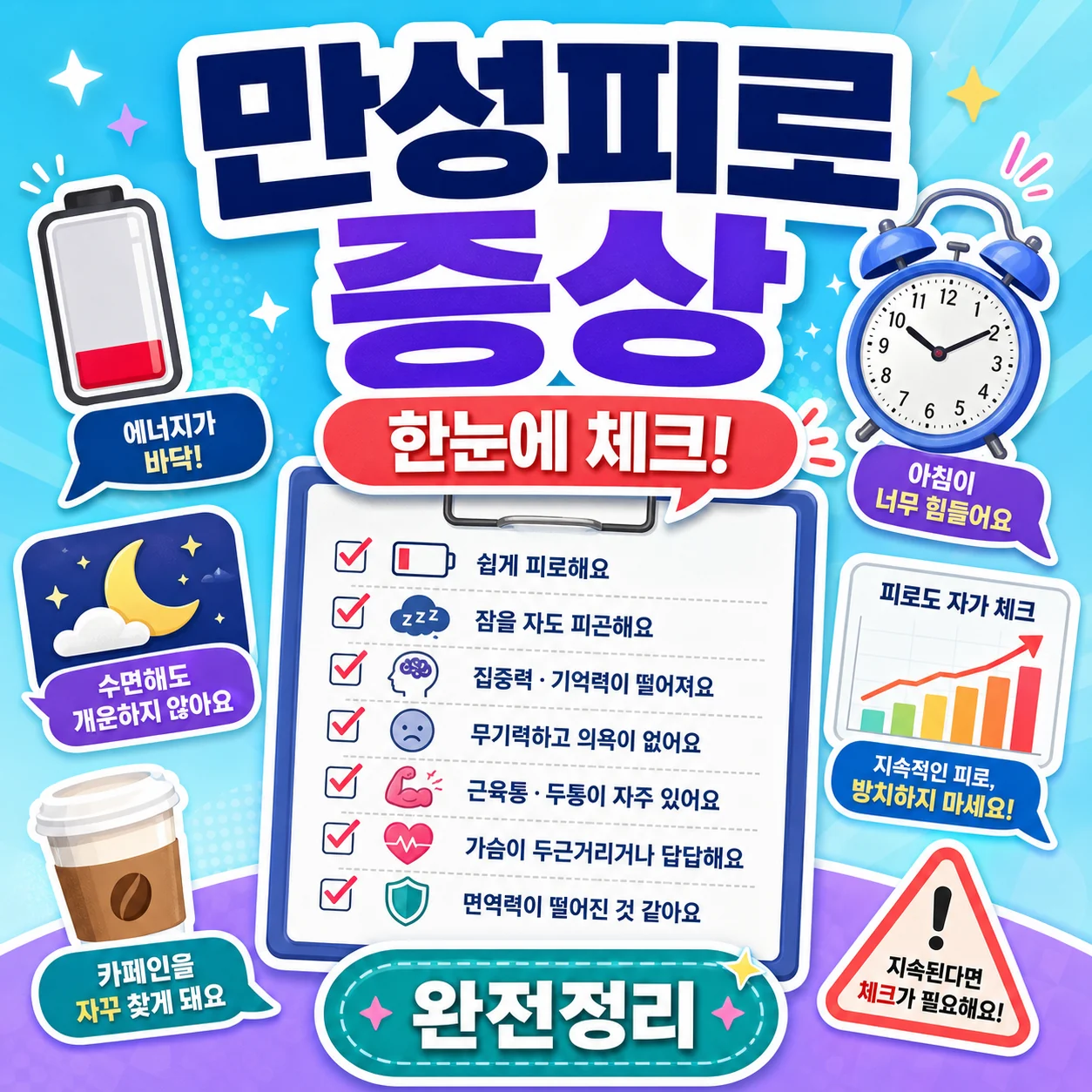
Chronic Fatigue Symptoms at a Glance

Thumbnail summarizing chronic fatigue symptoms at a glance

Chronic fatigue symptoms are a long-term weakness that does not subside with rest, making prompt diagnosis and management crucial. The key is to first check for persistent fatigue, decreased memory and concentration, and dizziness upon changing posture. A decline in daily functioning and sleep abnormalities are also commonly associated. Chronic fatigue is suspected when long-term fatigue that is not relieved by rest is accompanied by symptoms such as cognitive decline or orthostatic discomfort. Diagnosis involves ruling out other causes and determining whether symptoms persist for at least six months… Read more