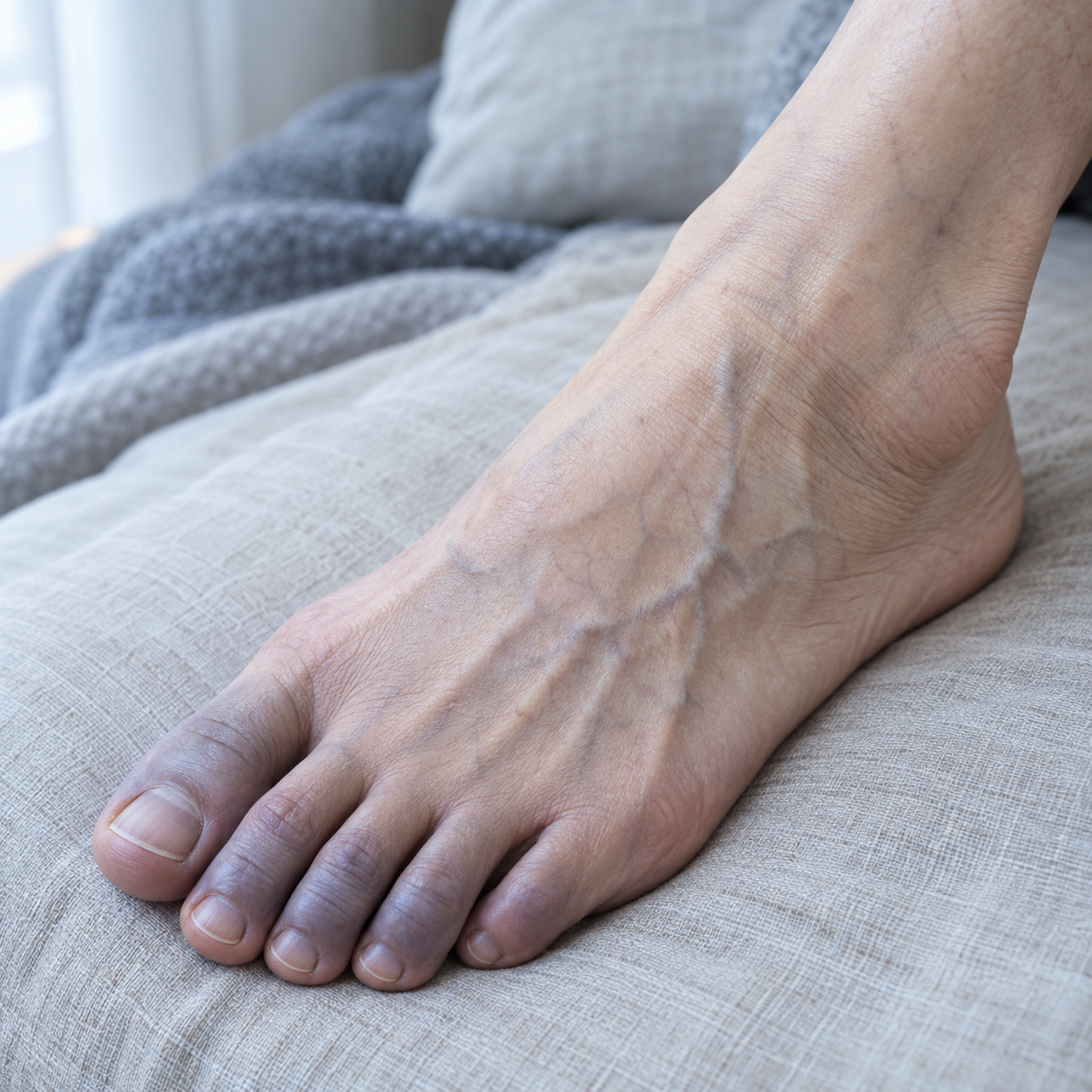
If my toes feel hot or burning every night even though I haven't been walking, can I just attribute it to simple fatigue? Foot pain during restThis can be a sign that there is a lack of blood flow to the legs and feet.
In particular, if symptoms such as cold feet, changes in skin color, or slow wound healing occur together, you should examine whether peripheral artery disease has progressed. In this article, I will summarize the characteristics of vascular pain, the differences from neuromuscular pain, situations requiring medical attention, and the treatment flow.

Foot pain while resting can be a sign of reduced blood flow.

Recurring pain in the feet and toes when at rest or lying downIt can occur in chronic limb-threatening ischemia resulting from severe peripheral artery disease. This is because the inside of the arteries narrows or becomes blocked, preventing sufficient blood supply to the legs and feet.
It is common to experience intermittent claudication, where the calf feels tight and painful when walking but improves after stopping for a while. On the other hand, if throbbing or burning pain in the toes persists even during rest, it should be treated as a sign that blood flow impairment has progressed more significantly than during walking.
For example, you may experience a repeating pattern where your calves hurt after walking about 100 meters on flat ground, but the pain subsides after sitting down and resting for about 3 minutes. If the pain does not go away even after resting and continues at night, it is not a problem that can be resolved simply by changing your lifestyle habits and waiting.
Pain in the feet while resting can be a more serious sign of blood flow deficiency than pain in the legs while walking.
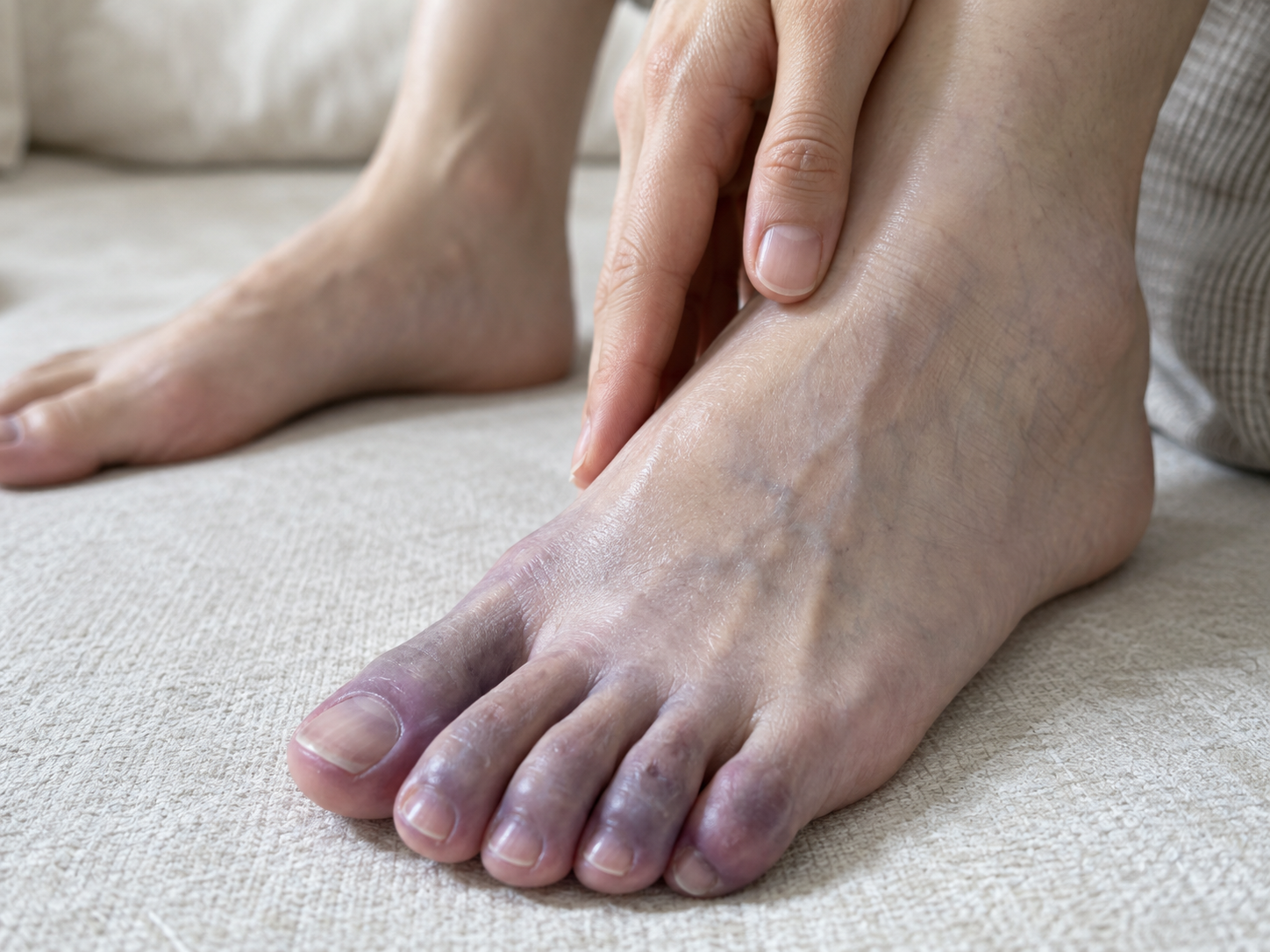
Also, check out the color development and skin changes.
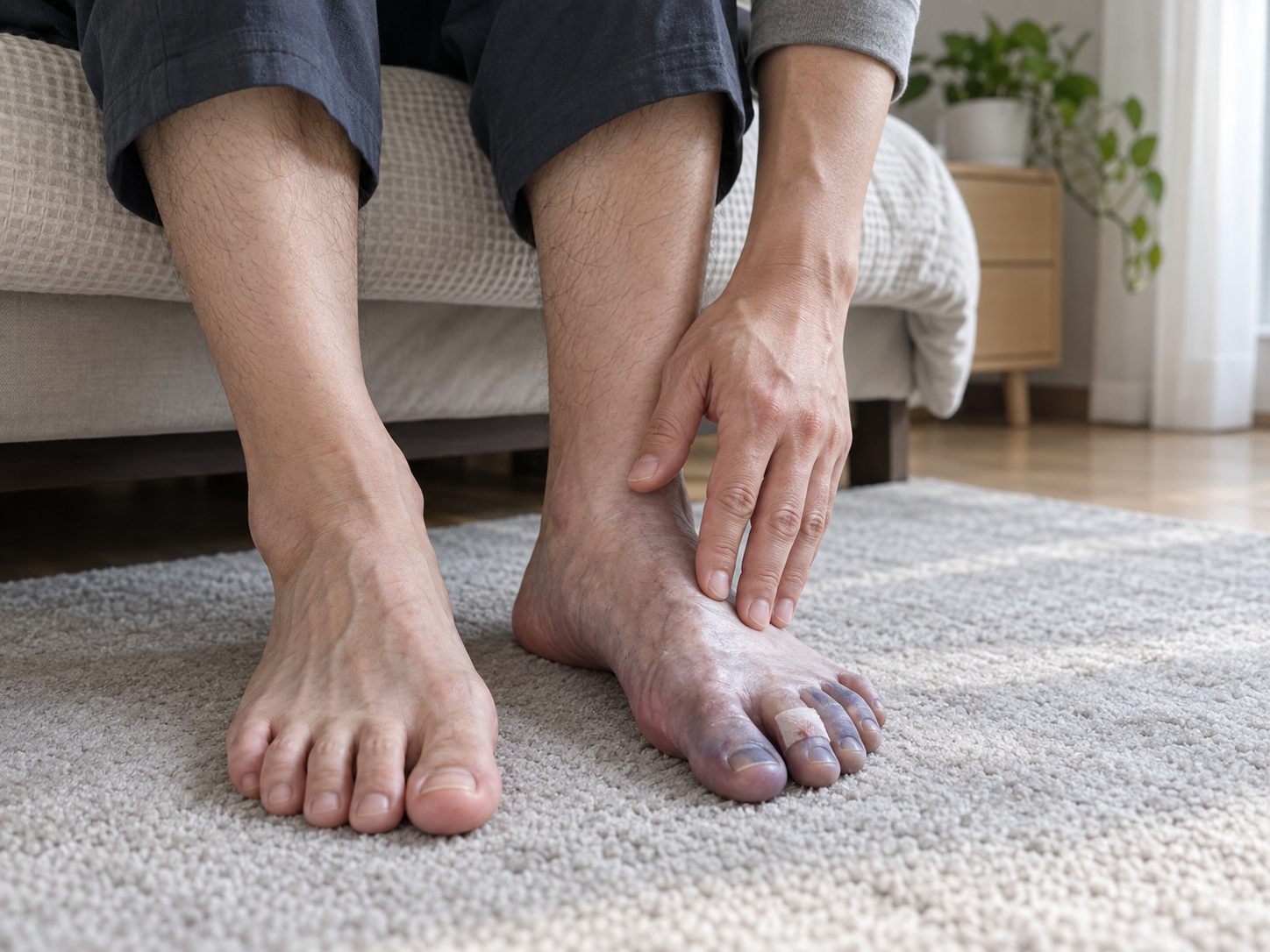
Feet with reduced blood flow may feel colder than the opposite side, or the toes may turn purple or blue. Thinning of foot hair, pale and shiny skin, and a weak pulse on the top of the foot are also cited as related clues.
However, you cannot determine the degree of blood vessel narrowing solely through self-checking by feeling the pulse on the top of your foot. If only one foot remains persistently cold or undergoes recurring discoloration, or if a wound on your toe does not heal properly, you must consult a medical professional with a record of your symptoms.
If wounds or ulcers do not heal, or if the skin turns black or tissue necrosis occurs, recovery may be blocked due to insufficient blood flow. The longer treatment is delayed, the greater the tissue damage becomes, and in severe cases, it can lead to the amputation of the foot or leg, so you should not just check if the pain has temporarily subsided.

Nerve pain and vascular pain have different patterns.
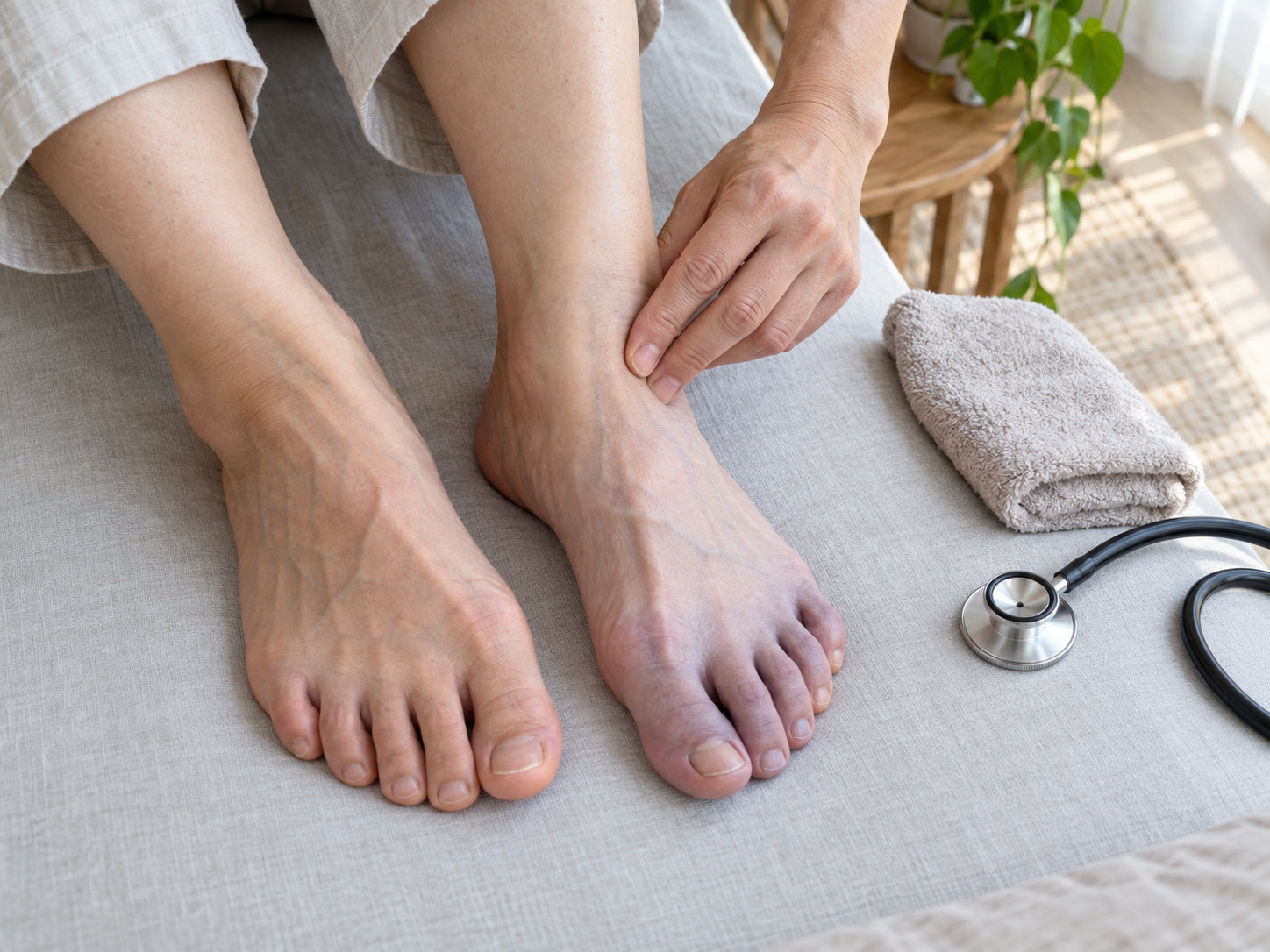
Burning, tingling, or electric shock-like sensations in the soles of the feet can also result from nerve compression, such as in ankle tunnel syndrome, or nerve irritation originating from the lower back. Plantar fasciitis, which causes pain in specific areas like the inner heel, differs in pattern from pain caused by reduced blood flow throughout the entire foot.
| division | Key aspects | Clues to look at together |
|---|---|---|
| Reduced arterial blood flow | Calf pain when walking, toe pain during rest as the condition progresses | Cold sensation, discoloration, weak pulse, non-healing wounds |
| Nerve compression | Numbness, burning, and an electric sensation throughout the soles of the feet | Sensory abnormalities, changes due to posture or lumbar movement |
| Fascial and joint problems | Pain in specific areas such as the heel | Worsens when starting to walk or stepping on the ground |
| Cardiac function-related edema | Swelling of both feet and legs | Accompanied by shortness of breath, fatigue, and palpitations |
You should avoid immediately resorting to strong acupressure or golf ball massages just because your entire sole is tingling. Conversely, if you experience pain during rest, changes in skin color, or wounds that do not heal, a medical examination to check the condition of your blood vessels should come first, rather than stretching or applying hot compresses.
Smoking and chronic diseases increase the risk.

Peripheral artery disease is closely linked to atherosclerosis, and smoking, lack of exercise, and poor dietary habits can increase the risk. If you have hypertension, diabetes, or hyperlipidemia, you should not take leg pain or changes in your feet lightly.
In particular, hyperlipidemia contributes to the development of atherosclerotic changes on the inside of blood vessels. Tests examine total cholesterol, triglycerides, and LDL cholesterol, and for high-risk groups with diabetes or hypertension, a goal of managing LDL to below 70 mg/dL is suggested.
Conversely, LDL levels exceeding 160 mg/dL are also considered to require active management. Since actual treatment goals vary depending on pre-existing vascular diseases and comorbidities, medication should not be started or stopped arbitrarily based solely on the numerical value.
Peripheral artery disease is not just a problem for the legs; it can be linked to systemic arteriosclerosis and affects the risk of myocardial infarction and stroke. If chest tightness spreads to the shoulders, arms, or jaw, or if shortness of breath and palpitations recur, you should not delay cardiovascular medical attention regardless of foot pain.
In diagnosis, the cause and blood flow status are considered together.
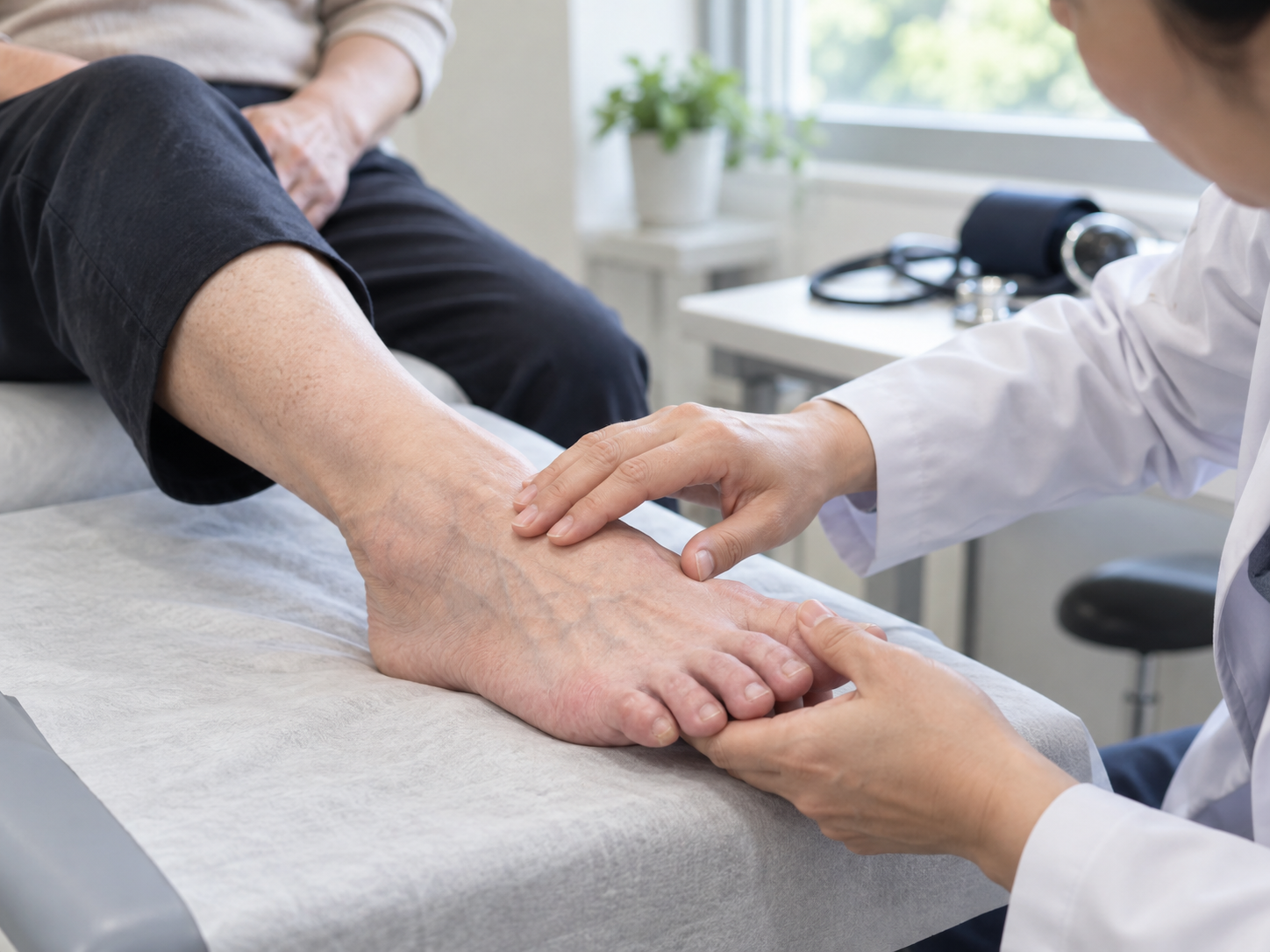
If foot pain recurs during rest, it is helpful to explain the onset of symptoms, the relationship between walking and rest, and changes in foot color and temperature to an internal medicine or vascular specialist. The consultation may then proceed to examine risk factors such as lipids and blood sugar through blood tests, and evaluate leg blood vessels and heart function.
Treatment focuses not only on temporarily reducing pain but also on managing the causes and risk factors that impair blood flow. Along with medications to lower the risk of blood clots, cholesterol-regulating drugs, and the management of high blood pressure and diabetes, treatment may include quitting smoking, moderating alcohol consumption, engaging in regular physical activity, and improving dietary habits.
If blood flow is severely reduced, angioplasty or stent insertion may be performed to widen narrowed blood vessels, or bypass surgery may be selected to bypass the blocked area. The choice of method is determined by comprehensively evaluating the condition of the blood vessels and overall health.
If foot pain recurs at night or during rest, or if the color, skin, or condition of wounds on your toes changes Keep a pain diary and organize your smoking history, as well as your medical history regarding diabetes, hypertension, and hyperlipidemia, to guide your medical consultation. The first step in protecting your vascular health begins with not classifying foot pain as mere fatigue.