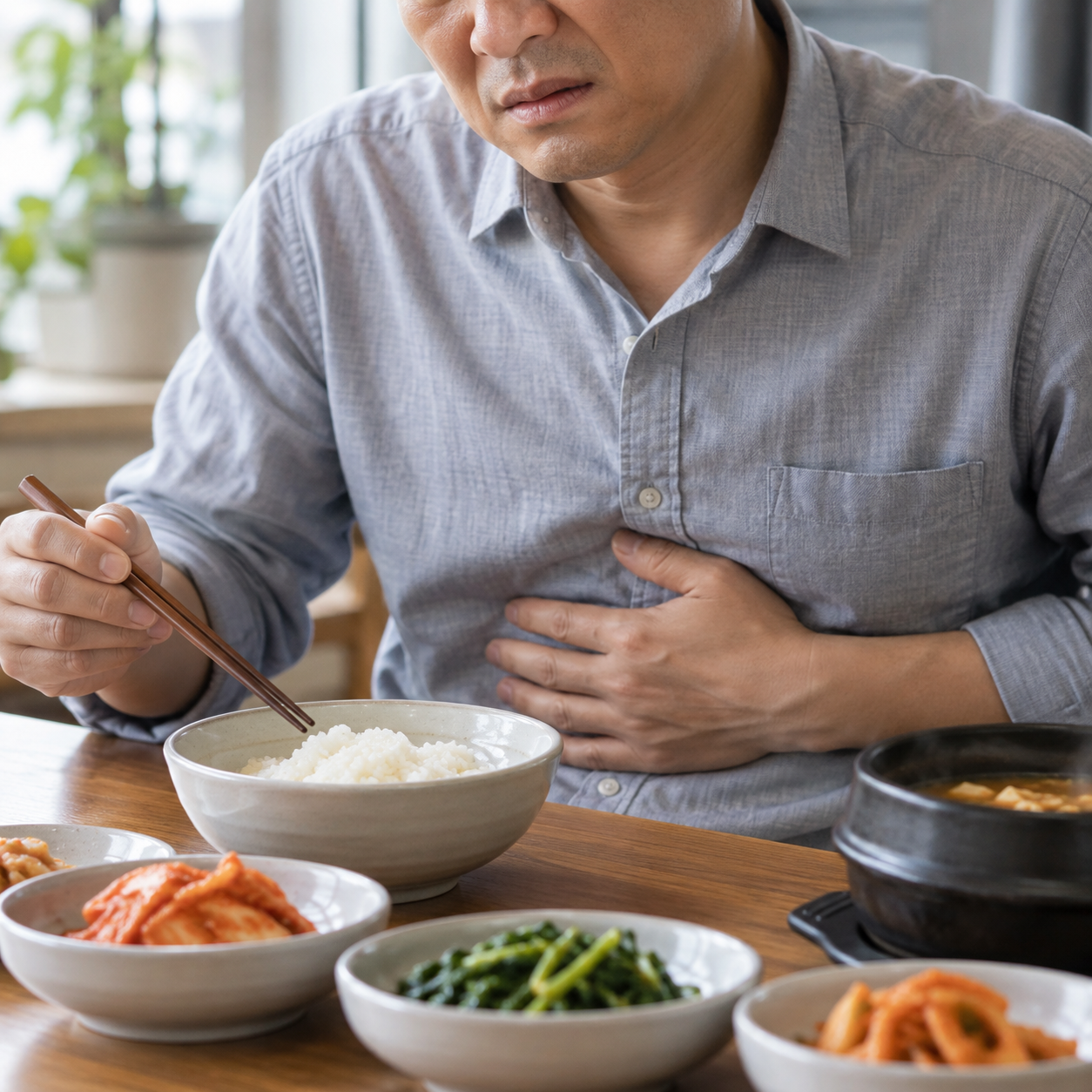
If you feel full after eating only a few spoonfuls of rice, or if you repeatedly feel food getting stuck between your throat and chest, can you simply dismiss it as indigestion? In particular, if your food intake and weight have changed from before, you need to check if this is a sign related to stomach cancer.
According to the 2023 cancer incidence statistics from the National Cancer Information Center, there were 19,295 new male patients with stomach cancer, which was higher than the 9,648 female patients. Since stomach cancer often has no symptoms in the early stages or manifests with common symptoms such as bloating and heartburn, in this article, I will specifically summarize three changes to watch out for during meals.

Three changes to look at first during the meal

Dietary changes to watch out for in male gastric cancer Early satiety, These include weight loss and loss of appetite without a specific reason, and difficulty swallowing. While all three symptoms can occur in stomach cancer, stomach cancer is not diagnosed based on a single symptom alone.
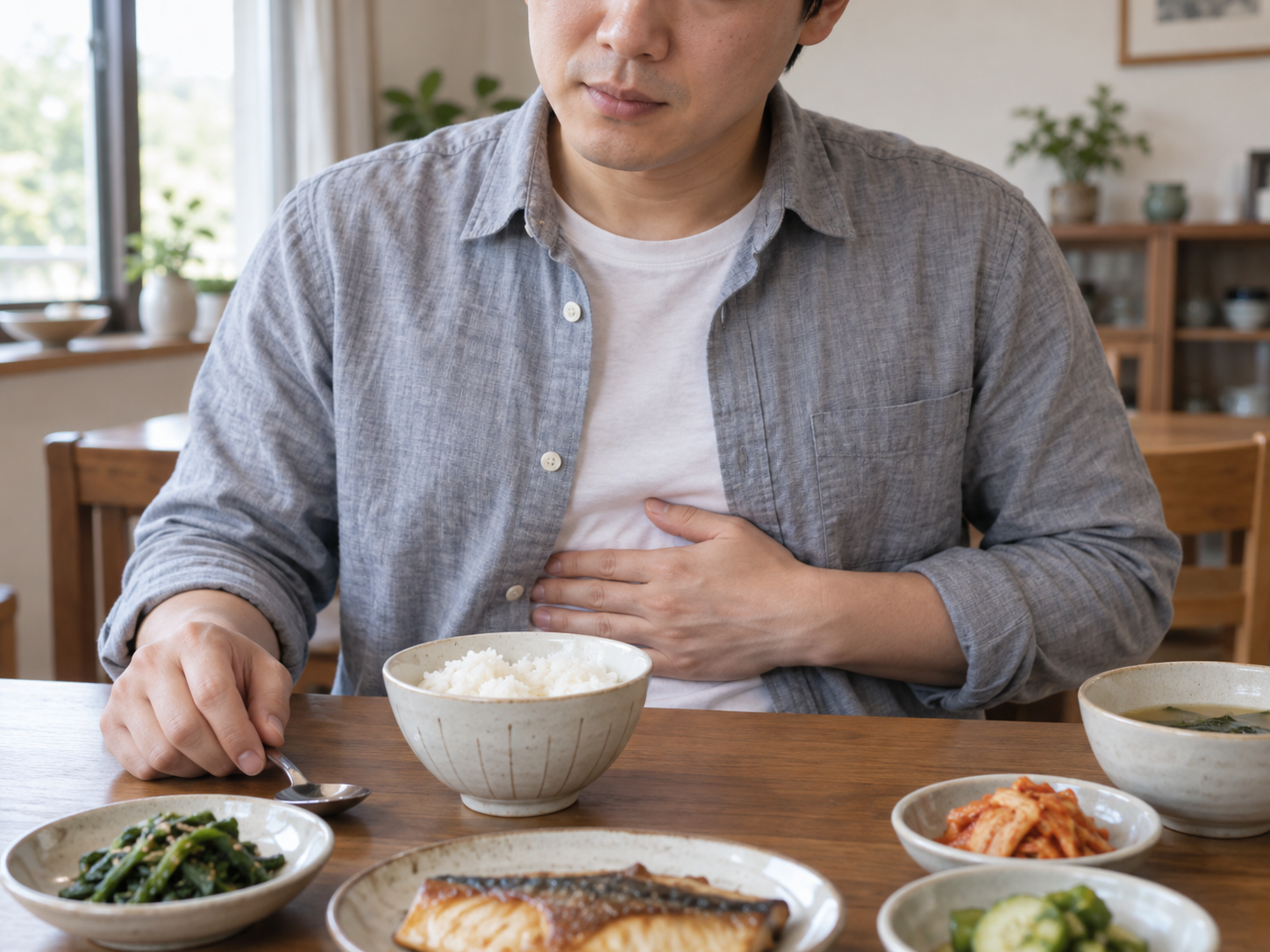
The satiety of early-season fish that makes you feel full even after eating just a little.
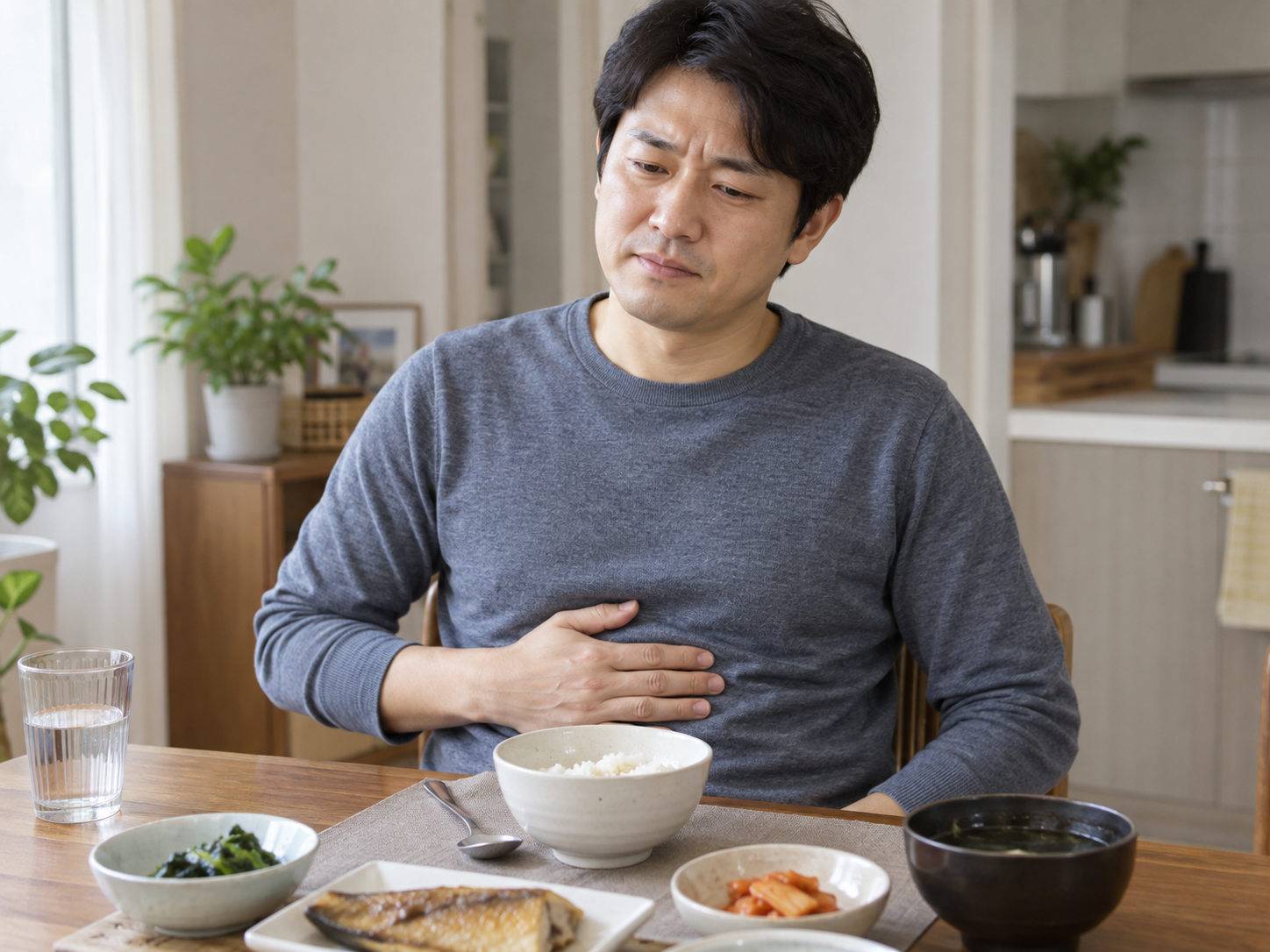
If someone who used to eat a full bowl of food suddenly feels full and experiences discomfort in the upper abdomen after just a few spoonfuls, it may be early satiety. A normal stomach expands to mix food and move it downwards when it enters; however, if there are lesions inside the stomach or if the stomach muscles cannot expand sufficiently, a feeling of fullness occurs even with a small amount of food.
However, even if gastrointestinal motility decreases or digestion is delayed, tightness in the pit of the stomach and abdominal distension may persist for 2 to 3 hours after a meal. In a study conducted on people who visited medical institutions with suspected symptoms of gastric or esophageal cancer between 2017 and 2021, 12.91 TP3T of those who complained of early satiety were confirmed to have actual gastric or esophageal cancer, while the rate of early satiety in the cancer-diagnosed group was 171 TP3T and in the non-cancer group was 7.61 TP3T.
This figure is based on results from people who visited the clinic with related symptoms, not the entire general population. Therefore, compared to the feeling of fullness experienced after one or two instances of overeating. Is your usual food intake decreasing and is this change repeating?is more important.
| Changes during meals | A sight to watch out for | Situations that may be related |
|---|---|---|
| Early satiety | I get full quickly even if I eat only half the usual amount. | Internal gastric lesions, decreased gastric motility, etc. |
| Weight loss and appetite | Pants becoming loose without dieting | Reduced intake, cancer-related inflammatory responses, etc. |
| Difficulty swallowing food | It gets stuck in the throat or chest and goes down only after drinking water. | Lesions in the upper stomach or at the gastroesophageal junction |
When weight and appetite decrease without dieting
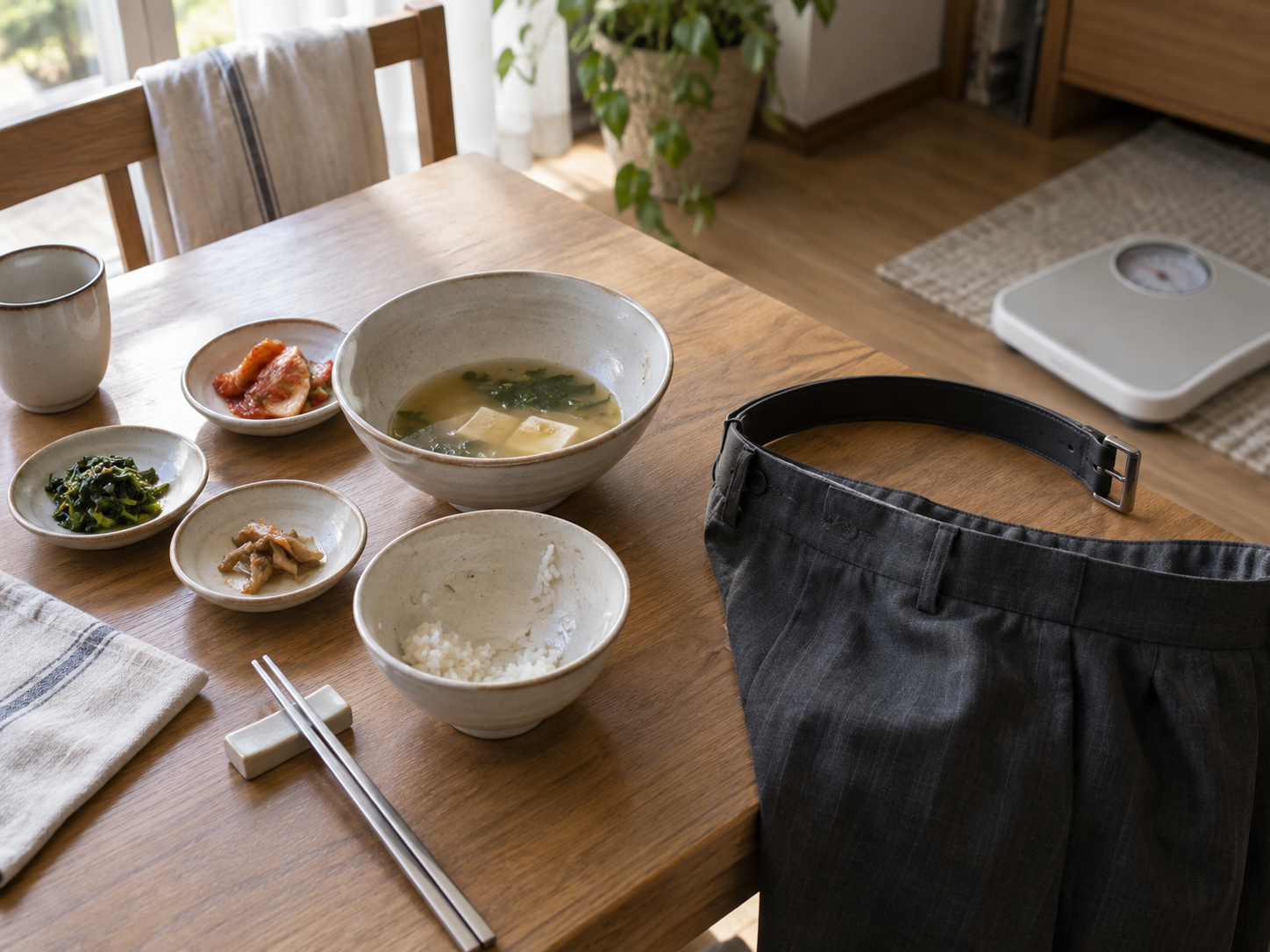
If your pants become loose and your face looks thinner without any changes to your diet or exercise, it is advisable to keep a record of your food intake and weight. If you continue to eat less naturally due to a loss of appetite, or if you notice significant weight loss over a few weeks, it is difficult to simply dismiss it as a result of aging.
When cancer develops, inflammatory responses and changes in energy consumption may occur, and gastrointestinal symptoms may reduce food intake, leading to weight loss. In a study published in the *British Journal of Cancer*, 182 out of 220 patients with gastric or esophageal cancer—or 831 TP3T—experienced weight loss, with an average reduction of approximately 71 TP3T from their original weight.
These study results represent figures from the specific patient group and do not mean that they appear to the same extent in all gastric cancer patients. Nevertheless. When unexplained weight loss and loss of appetite persist togetherYou must receive medical attention for accompanying symptoms such as indigestion, epigastric pain, and vomiting.
The sensation of food getting stuck in the throat or chest
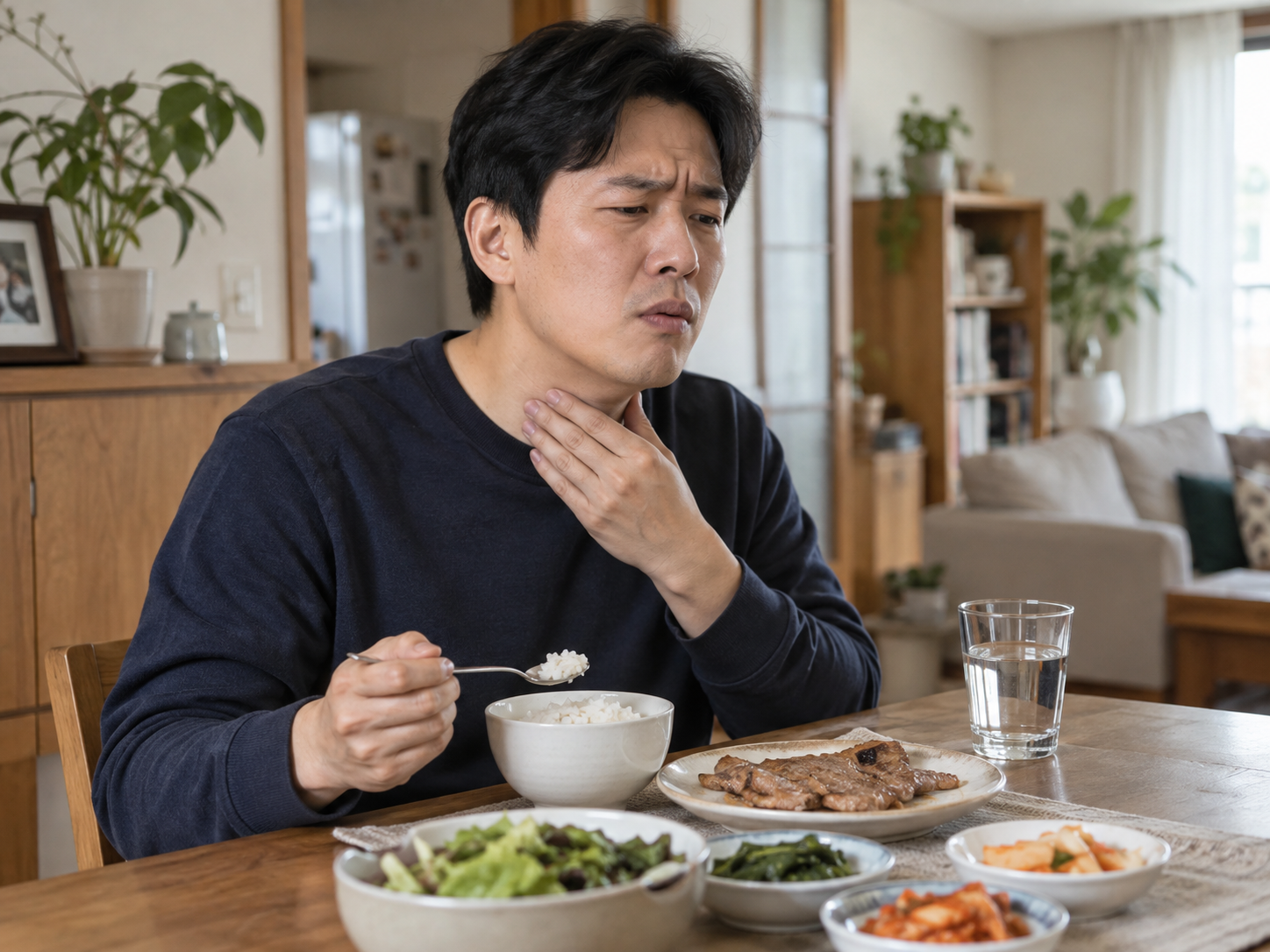
If you repeatedly experience a sensation of food getting stuck below your throat or inside your chest when swallowing rice or meat, requiring you to drink water to get it down, it can be considered dysphagia. Since symptoms often begin with hard foods and become more frequent, you should monitor changes along with your eating speed and the types of food consumed.
If a lesion develops in the upper stomach, particularly at the entrance where the stomach and esophagus connect, the passage for food to enter the stomach narrows, which can lead to these symptoms. In a study analyzing 568 gastric cancer patients, difficulty swallowing was observed in 49.21% of patients with lesions at the entrance of the stomach.
Conversely, heartburn, acid reflux, and a feeling of a foreign object in the throat can also be caused by gastroesophageal reflux. Even so, If the sensation of food actually getting stuck recurs or gets progressively worseIt is safe not to conclude that it is merely a simple reflux symptom.
If you experience a decrease in food intake, unexplained weight loss, or a recurring sensation of food getting stuck, you should consider seeking medical attention first rather than dismissing it as indigestion.
How to distinguish it from common indigestion

Heartburn or bloating commonly occurs due to overeating, late-night eating, stress, and reduced gastrointestinal motility. Since symptoms such as bloating, belching, and reflux can also occur in people in their 30s and 40s, indigestion itself does not indicate stomach cancer.
When distinguishing, rather than the intensity of symptoms Repetitiveness and progression patternsYou need to monitor this. If your food intake continues to decrease, you lose weight, and this is accompanied by early satiety or difficulty swallowing, or if indigestion, heartburn, epigastric pain, or vomiting persists for more than two weeks, you should consider consulting a medical professional and undergoing tests.
Spicy and salty foods, frequent drinking and smoking, and irregular eating habits are cited as lifestyle factors that harm stomach health. Since Helicobacter pylori infection is associated with chronic gastritis and can affect the risk of stomach cancer, eradication treatment is received based on the medical team's judgment if detected.
Testing and lifestyle management that do not delay symptoms

Regular gastroscopy is important because gastric cancer can occur even in the early stages when symptoms are not distinct. Research suggests that adults aged 40 and older undergo a gastroscopy every two years, even without symptoms, and explains that individuals with risk factors such as a family history or smoking require more intensive monitoring.
Along with the examination, it is also helpful to reduce the intake of salty and spicy foods, include vegetables and fruits in your meals, and practice smoking cessation and moderation in drinking. You should also reduce eating habits that burden the stomach, such as frequently consuming large amounts of stew broth or fermented seafood, as well as eating late-night snacks after company dinners.
The number of new male stomach cancer patients was 19,295 as of 2023, which was not insignificant. However, since stomach cancer cannot be diagnosed based solely on early satiety or heartburn, Repeated dietary changes and simultaneous weight and appetite loss, difficulty swallowingThe key is not to miss the timing for treatment based on this.