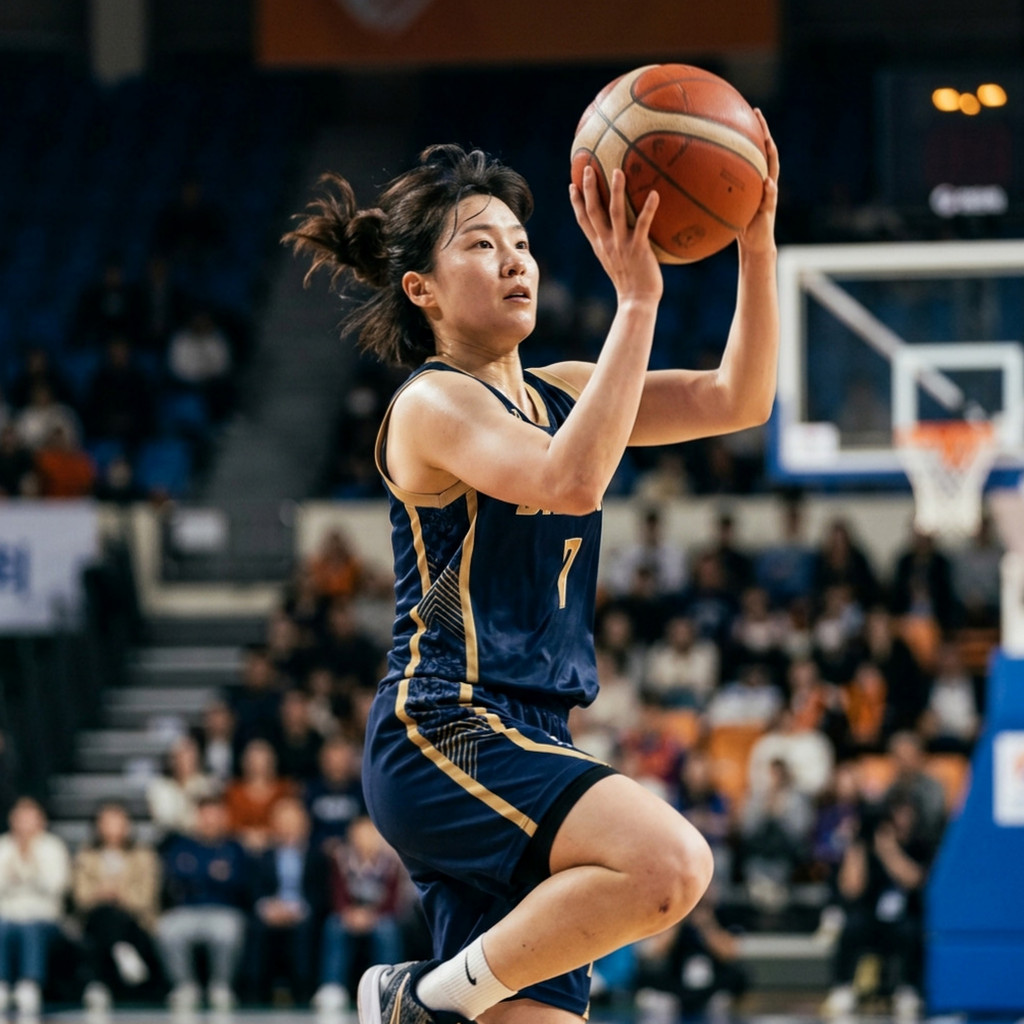
In the women's basketball final held at the Nagoya International Arena on September 26, 2026, Korea defeated Japan 75-70 to claim the gold medal. This marks the reclaiming of the top spot after 12 years since the 2014 Incheon Asian Games. In the same tournament, the women's volleyball team finished in fourth place after losing both the semifinals and the bronze medal match. We will examine the background, focusing on the facts, to understand why the performance of these two sports diverged so sharply despite both facing the same challenge of generational change during the same period.
Why did women's basketball reclaim the gold medal after 12 years?
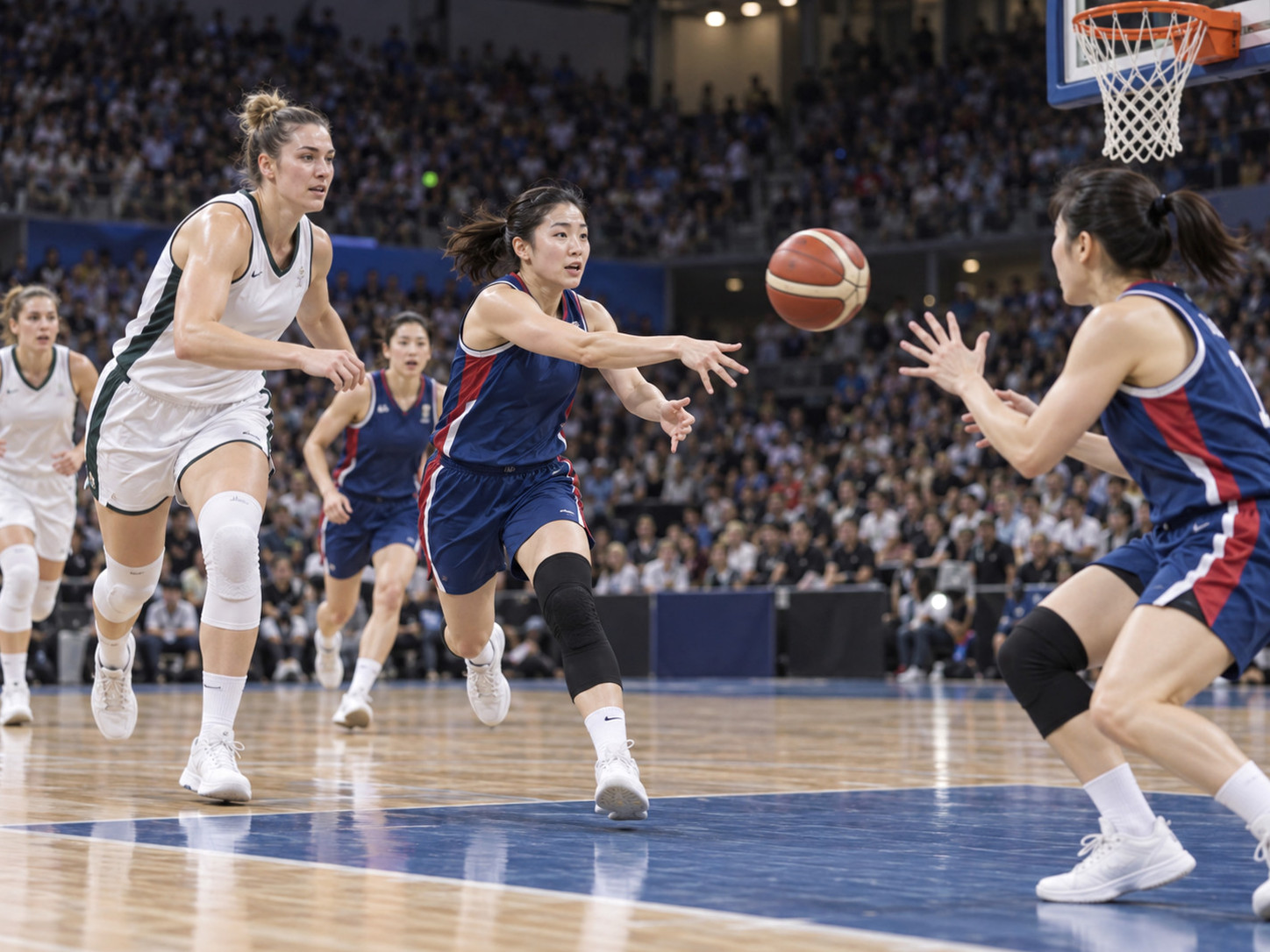
The result makes it clear. Korea seized the initiative by dominating the first half of the final 42-23, and secured the championship by fending off Japan's pursuit in the second half with a 75-70 victory.
A key point to consider when evaluating this victory is that it was achieved despite the absence of key players. Center Park Ji-su was sidelined due to an ankle injury, and Park Ji-hyun was unable to join the national team due to her WNBA schedule. Both players were considered core assets of the national team, so the fact that the team advanced to the finals without wavering, even without them, is a noteworthy point.
The match against China in the semifinals is also a game worth watching. They achieved a near-upset victory against China, led by 226cm tall center Zhang Ziyu, which can be interpreted as compensating for their height disadvantage with teamwork and speed.
What are the criteria that determine the success of a generational shift?
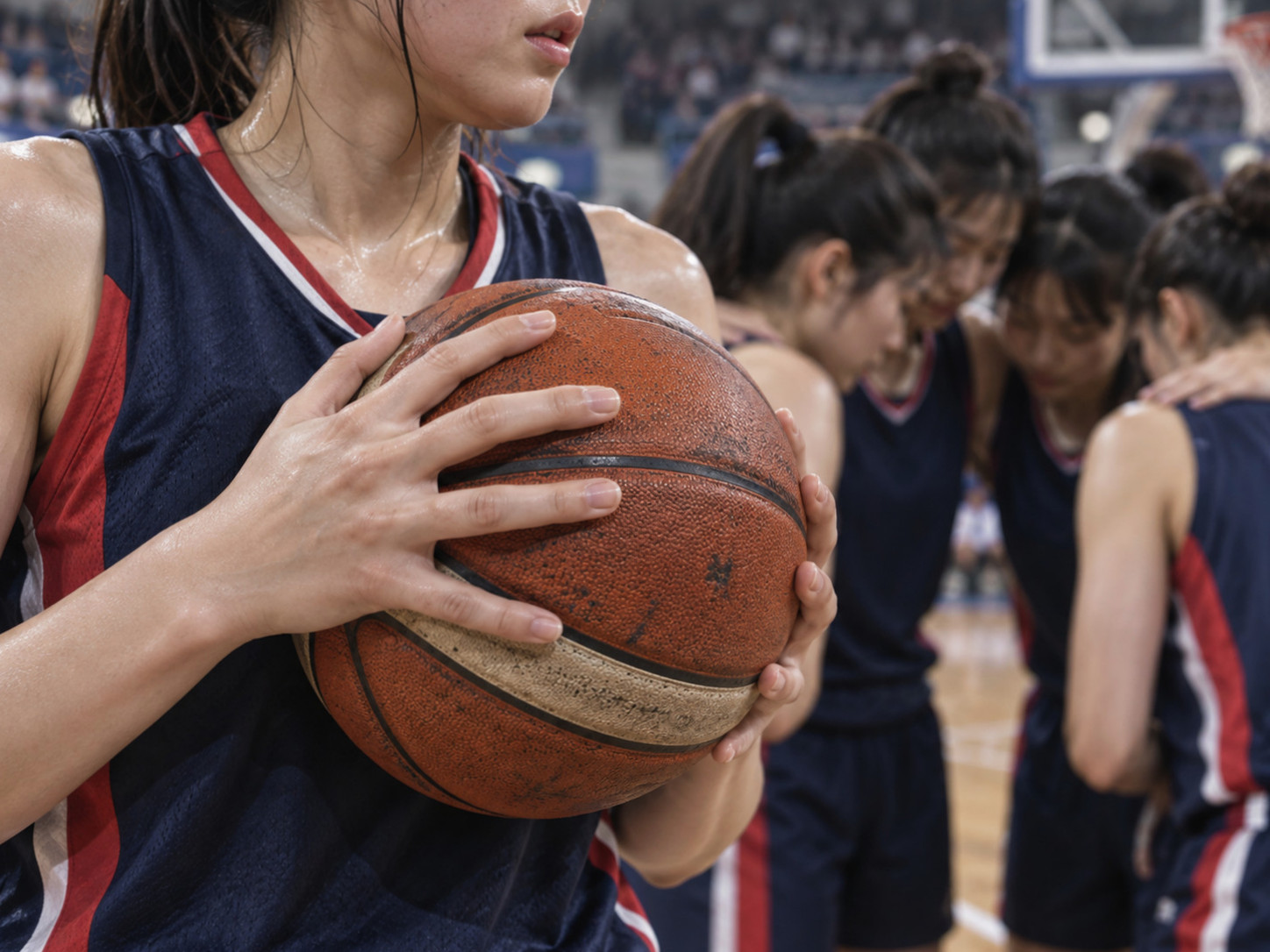
Women's basketball has not had a smooth journey to get to where it is today, either. After winning the championship in 2014, it went through a slump for a considerable period as veteran players retired one after another.
The criterion for judging the momentum that led to this victory is the international competitiveness of the young players. Young players such as Heo Ye-eun and Lee Hae-ran improved their skills by gaining experience on the international stage, and the experience of players like Kang Yi-seul and Park Ji-hyun who challenged themselves to advance overseas appears to have influenced the overall level of the national team.
However, in an exhibition match held in Tokyo in August, they suffered a narrow 77-78 defeat against a key Japanese team with a similar lineup. This confirms that this victory is not a sudden turnaround, but the result of a process of steadily narrowing the gap.
What is the reason women's volleyball missed out on medals in two consecutive tournaments?
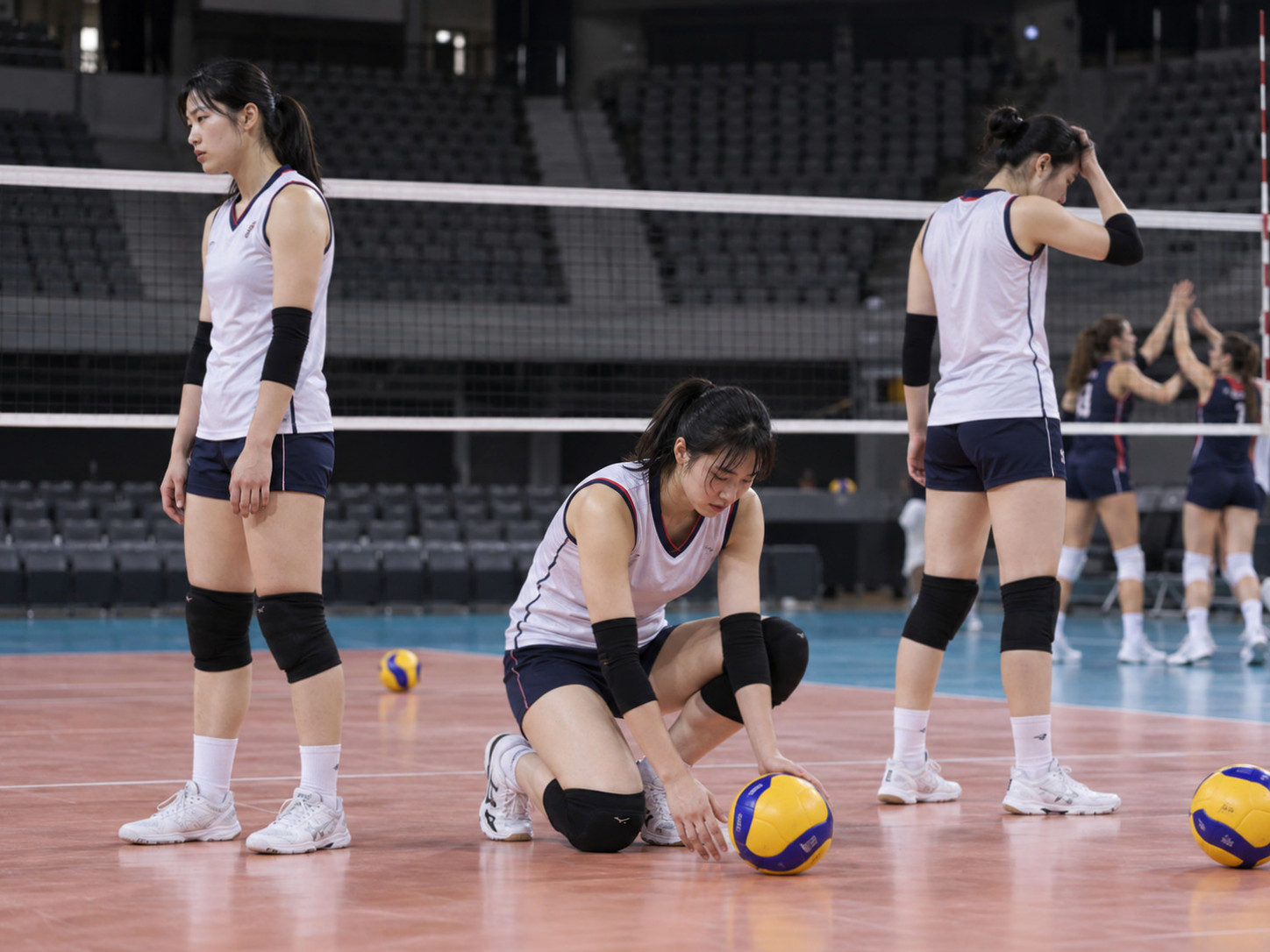
This is not the first time the women's volleyball team has suffered a slump. Following their failure to reach the semifinals at the 2023 Hangzhou Games, they also lost to Japan in the semifinals and even lost to Thailand in the bronze medal match at this Nagoya Games, finishing the tournament in fourth place.
When assessing the background of the slump, the criterion to examine is the trend since the 2020 Tokyo Olympics. It is pointed out that the national team, which reached the semifinals centered around Kim Yeon-koung, Yang Hyo-jin, and Kim Hee-jin at the time, has failed to maintain that momentum during the subsequent generational shift.
While there are instances of players like Lee Da-hyun challenging themselves in overseas leagues, there are ongoing calls for domestic players in general to gain more overseas experience and improve their fundamental skills. Considering that Japan, the semifinal opponent, played without their main striker Mayu Ishikawa, it is regrettable that they failed to produce a result despite a relatively favorable draw.
Variables that must not be overlooked when comparing the results of two events
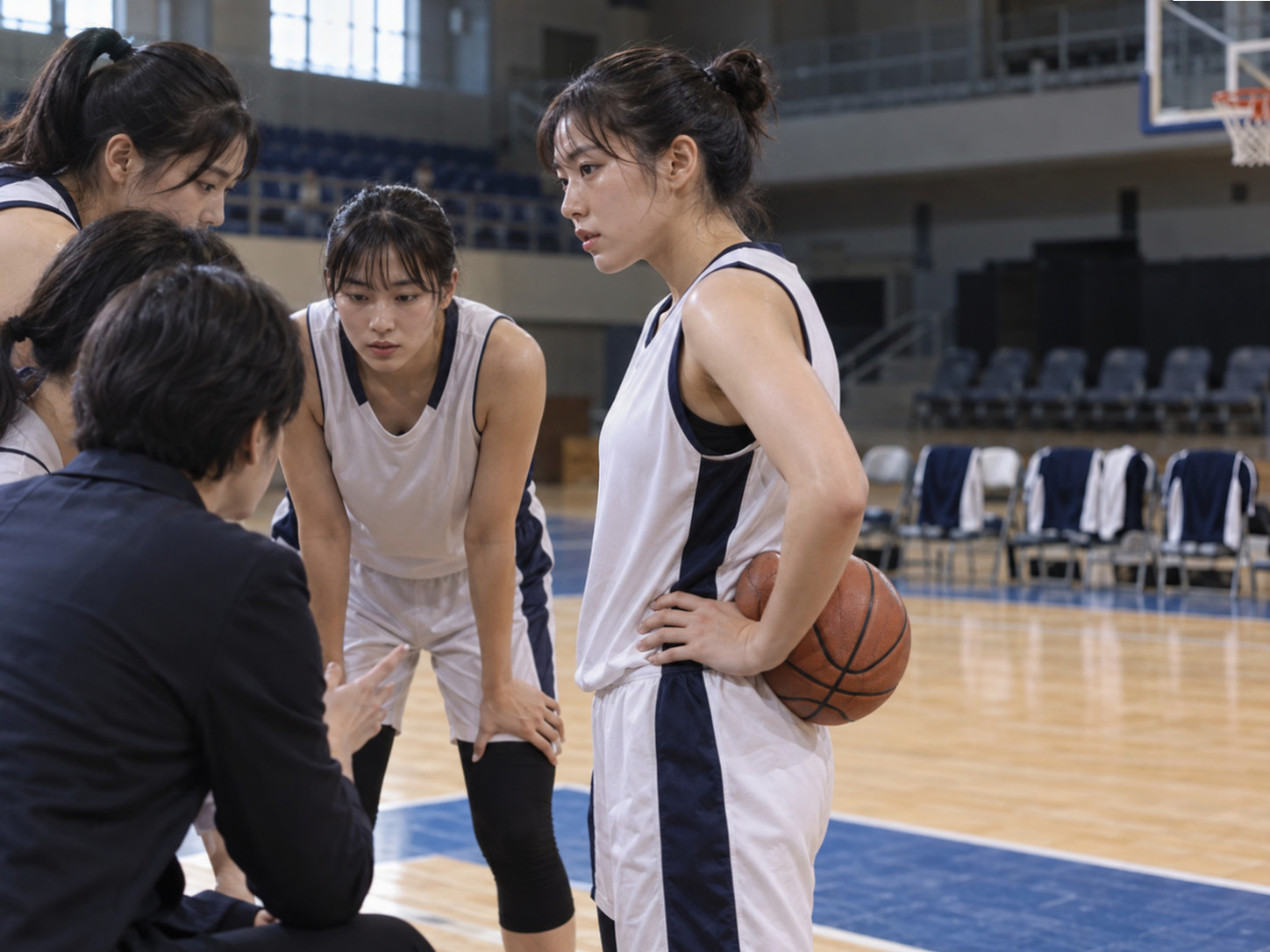
A simple comparison can lead to misunderstandings. We must also take into account the fact that the Japanese national basketball team entered this tournament with a split squad, not at full strength.
At the same time, the fact that Korea was missing two key players, Park Ji-su and Park Ji-hyun, can be seen as a factor that somewhat offsets this condition. In other words, since neither side was at full strength, it is more reasonable to view this result as an indicator of the teamwork and progress of generational change currently possessed by both national teams, rather than concluding it is a perfect comparison of overall strength.
For reference, while some media headlines covering this tournament used sensational language mentioning player salaries, specific amounts or the basis for the players involved have not been confirmed. It is safer to make judgments based on performance and records rather than accepting these figures as fact.
How will the popularity landscape of the two sports unfold during the winter season?
Sports popularity ultimately moves according to results and stories. The achievement of winning a gold medal for the first time in 12 years has the potential to serve as a catalyst to boost interest in the domestic women's basketball league.
On the other hand, women's volleyball is now in a situation where it must re-evaluate its direction of generational change following a failure to win a medal in two consecutive tournaments. For both sports, the key point to watch will likely be which players will form the core of the teams over the next few seasons, using this tournament as a turning point.
Q&A
Q1. How many years has it been since the women's basketball team won a gold medal at the Asian Games?
It has been 12 years since the 2014 Incheon Asian Games. We won the championship by defeating Japan 75-70 in the final of the 2026 Nagoya Games.
Q2. What were the score and flow of the final match like?
They took control of the game with a commanding 42-23 lead in the first half, and held off Japan's pursuit in the second half to finish 75-70.
Q3. What results did the women's volleyball team achieve in this tournament?
They lost to Japan in the semifinals and also lost to Thailand in the bronze medal match, finishing the tournament in 4th place. They failed to win a medal for two consecutive tournaments, following the 2023 Hangzhou Games.
Q4. Can the women's basketball championship be considered a victory based on full strength?
It is difficult to view it that way. Japan was not at full strength as they had split their national team, and Korea was also missing key players Park Ji-su and Park Ji-hyun.
Q5. Is the expression 'annual salary of 800 million won' in the title true?
Specific evidence regarding the figures or the players in question could not be found in the data related to this tournament. It is reasonable to make judgments based on match results and records rather than taking them as sensational language.