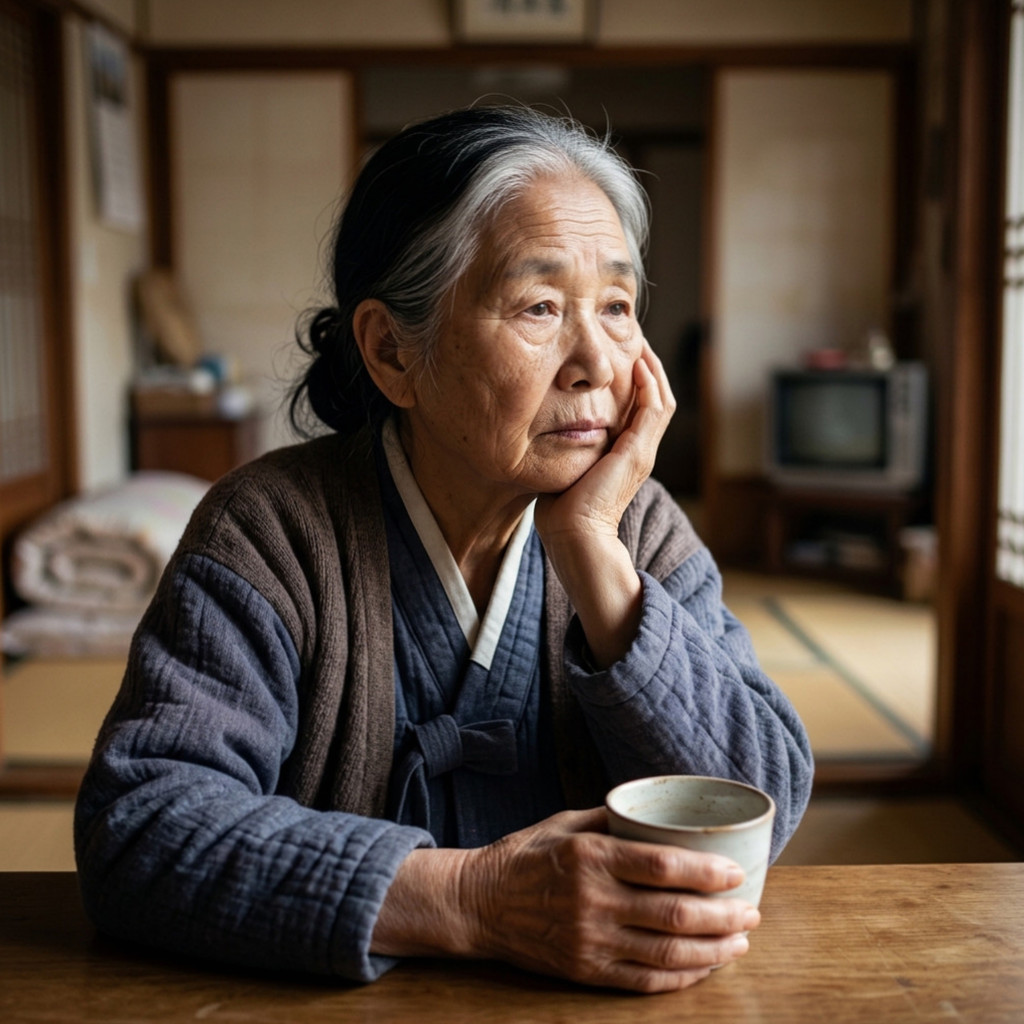
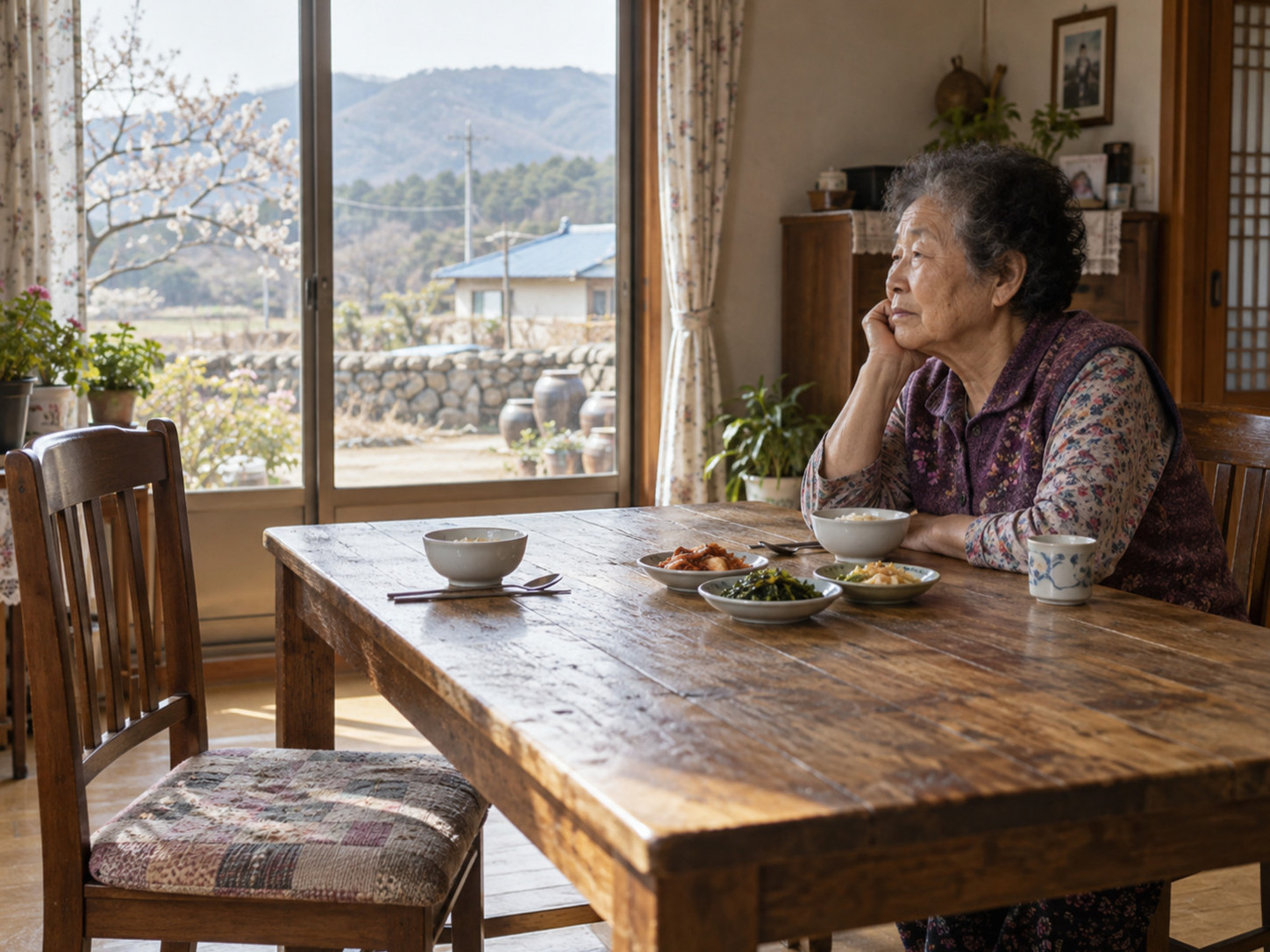
Thinking of parents living alone in their hometowns naturally brings a heavy heart along with concerns about their health. Recent research shows that beyond mere emotional issues, loneliness and social isolation can actually erode healthy life expectancy. In this article, I will summarize relevant research findings along with points that children should consider.
What is the relationship between loneliness and healthy life expectancy?
It has been found that experiencing both loneliness and social isolation simultaneously significantly reduces the period of healthy life free from major chronic diseases. Researchers at Tulane University in the U.S. analyzed 277,489 participants from the UK Biobank and confirmed a tendency for healthy life expectancy to shorten by an average of 3.0 years for women and 2.2 years for men. This is a noteworthy result, as it is based on an analysis of a large sample rather than mere coincidence.
How was the research conducted?
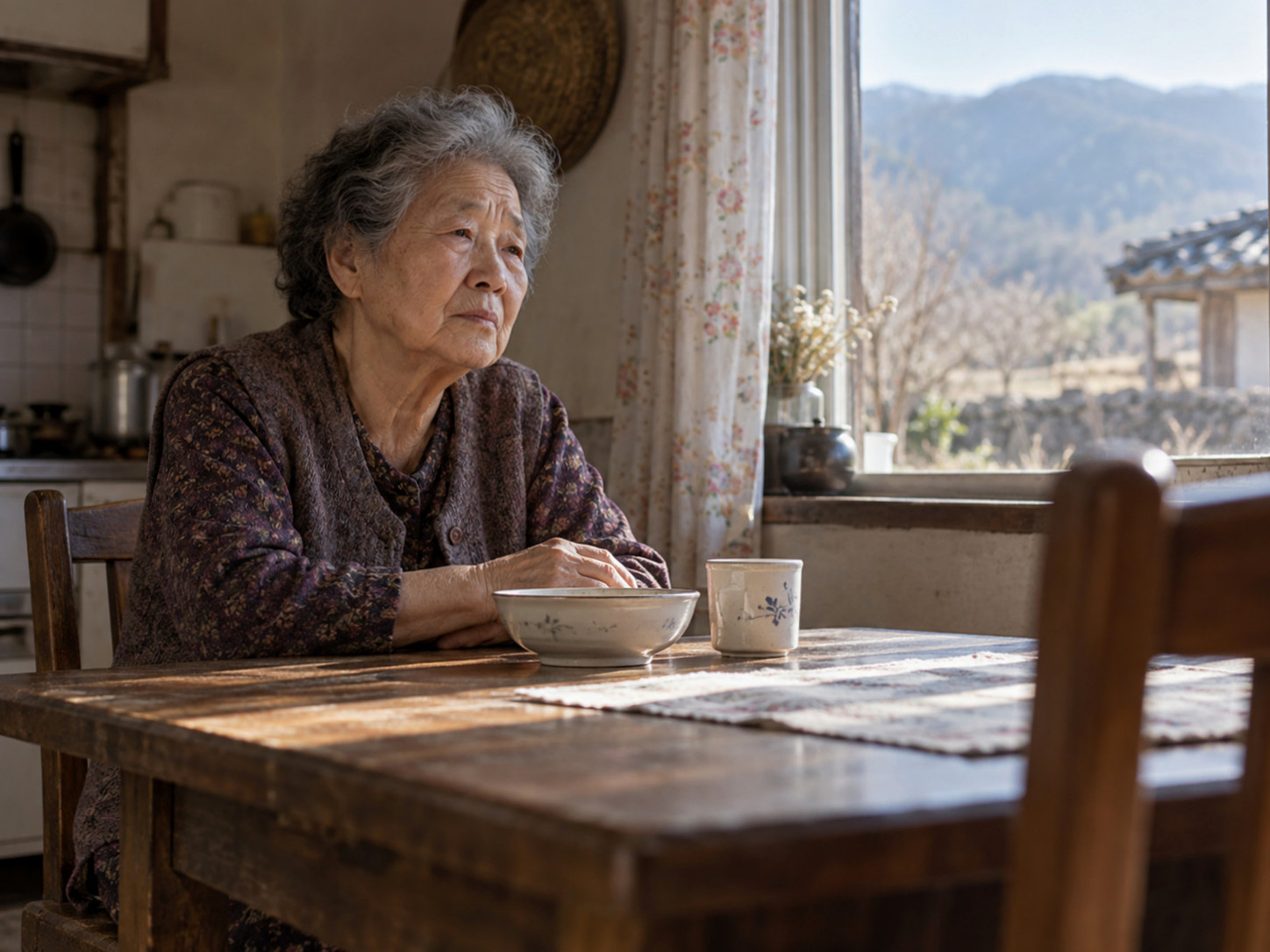
This study was conducted on adults aged 40 to 69, and only those without seven major diseases—type 2 diabetes, cardiovascular disease, chronic respiratory disease, neurodegenerative disease, cancer, depression, and anxiety disorders—at the start of the analysis were included. Subsequently, participants were followed up for a median of approximately 13 years, and differences in healthy life expectancy were compared based on age 50. Thanks to this strict limitation of the subjects, we were able to examine the relationship between loneliness and isolation and the occurrence of disease relatively clearly.
The gap is larger in mental illness than in physical illness.
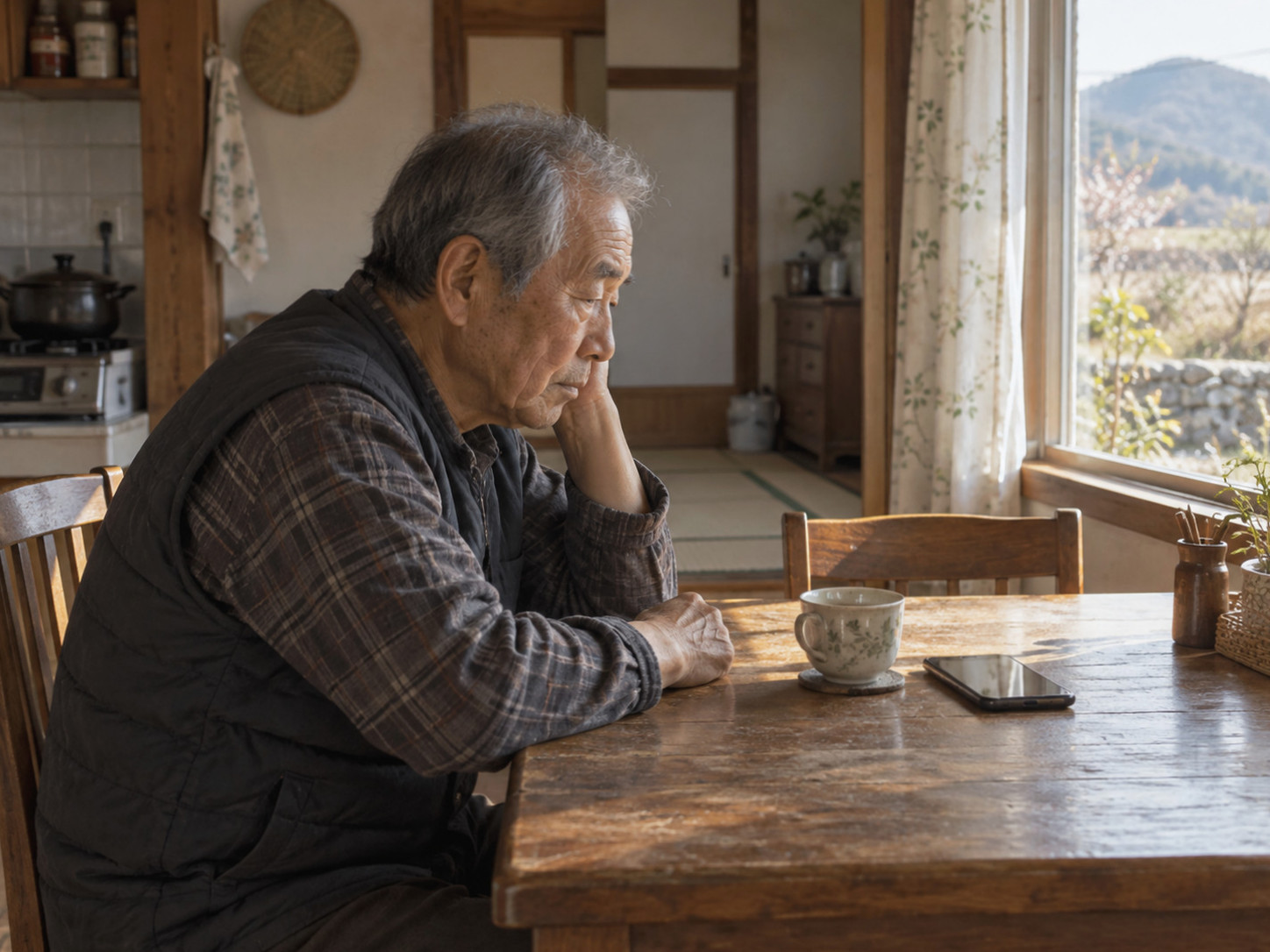
The results become even clearer when examining physical and mental illnesses separately. The duration free from five physical illnesses—cardiovascular disease, type 2 diabetes, chronic respiratory disease, neurodegenerative disease, and cancer—shortened by 2.4 years for women and 1.7 years for men. Conversely, the duration free from mental illnesses, such as depression and anxiety disorders, shortened by 3.7 years for women and a staggering 5.8 years for men, showing the largest gap among all categories.
Notably, the disparity regarding mental illness among men was found to be significantly larger than that among women. While it is difficult to pinpoint the exact cause based solely on the study results, it suggests that loneliness and social isolation are more closely linked to mental health than to physical health. This study was published in the international journal *Nature Communications*.
Points to note when interpreting research results
Since this is an observational study, it is difficult to conclude that loneliness and social isolation directly reduce healthy life expectancy. It is more accurate to interpret the results as correlations indicating an interrelationship, rather than a cause-and-effect relationship. Furthermore, there are limitations, such as the fact that participants in the UK Biobank cannot be considered representative of the entire UK population, and that loneliness, social isolation, and lifestyle habits were assessed using self-report methods like surveys.
Even considering these limitations, the general consensus that loneliness and isolation are not unrelated to health is valuable information worth considering. In particular, the parent generation, who spend a lot of time alone, need to take these results as a signal and try to manage them in their daily lives.
How to look after the loneliness of parents living alone
It is not easy to notice your parents' loneliness when living far away. When you call or visit, it is helpful to naturally ask who they have recently met or what gatherings they are attending, in addition to asking about their daily well-being. If conversations have decreased and their range of activities has narrowed, this could be a clue that social isolation is progressing.
Combining consistent health management with social interaction
Maintaining regular exercise and health management is fundamental to reducing the effects of loneliness. In addition, it is worth considering providing opportunities for socializing with peers, such as at senior centers or community gatherings. When consistent contact with people is maintained, emotional stability and physical activity often occur naturally together.
Switch to other activities when your emotions are greatly shaken
When experiencing extreme loneliness, shifting your attention to physical activities like outdoor exercise rather than dwelling on the emotion is considered one of the simple yet effective coping mechanisms. It is also a good idea to suggest starting with activities that are easy to begin with, such as taking a walk or gardening. If even small habits are maintained consistently, they can also help in observing emotional changes.
Points to remember from a child's perspective
Parents' loneliness often does not manifest outwardly, requiring careful attention. As seen in the research results discussed earlier, loneliness and social isolation have been shown to be more strongly linked to mental illness than to physical illness. Therefore, it is important to pay attention to changes in their emotional state and interpersonal relationships just as much as to their physical health.
However, since this study only demonstrates a correlation and does not prove a causal relationship, it is important to consider that each individual's circumstances and health conditions are different. If your parents' emotional changes are concerning, consulting a nearby medical institution or a mental health professional can be a helpful approach.
Q&A
Q1. Are loneliness and social isolation the same thing?
The study discussed in this text examined cases where individuals experienced both loneliness and social isolation, revealing that differences in healthy life expectancy were more pronounced when the two factors overlapped. The key point is that rather than strictly distinguishing between the two concepts, the presence of both can have a greater impact on health.
Q2. Does this mean that loneliness actually reduces healthy life expectancy?
Since this is an observational study, it cannot be concluded that loneliness directly reduces healthy life expectancy. It is more accurate to understand the results as demonstrating a correlation in which loneliness and isolation coexist with a decrease in healthy life expectancy.
Q3. Why did the gap related to mental illness appear larger in men?
According to the study, the period without mental illness was 5.8 years shorter for men, a larger gap than the 3.7 years for women. However, the study did not identify the specific causes, so the exact reason has not been confirmed.
Q4. What are some ways to help alleviate your parents' loneliness?
Maintaining consistent health and physical fitness while socializing with neighbors at places like senior centers can be helpful. When experiencing extreme loneliness, diverting your attention to other activities, such as outdoor exercise, is also mentioned as a simple and effective coping mechanism.
Q5. To what extent can the results of this study be trusted?
Although these results are based on a large sample and long-term tracking, there are limitations, such as the sample not being representative of the general population and the reliance on self-reporting for the assessments of loneliness and lifestyle habits. Therefore, while this should be accepted as a reference, it is advisable to verify individual differences through consultation with a professional.