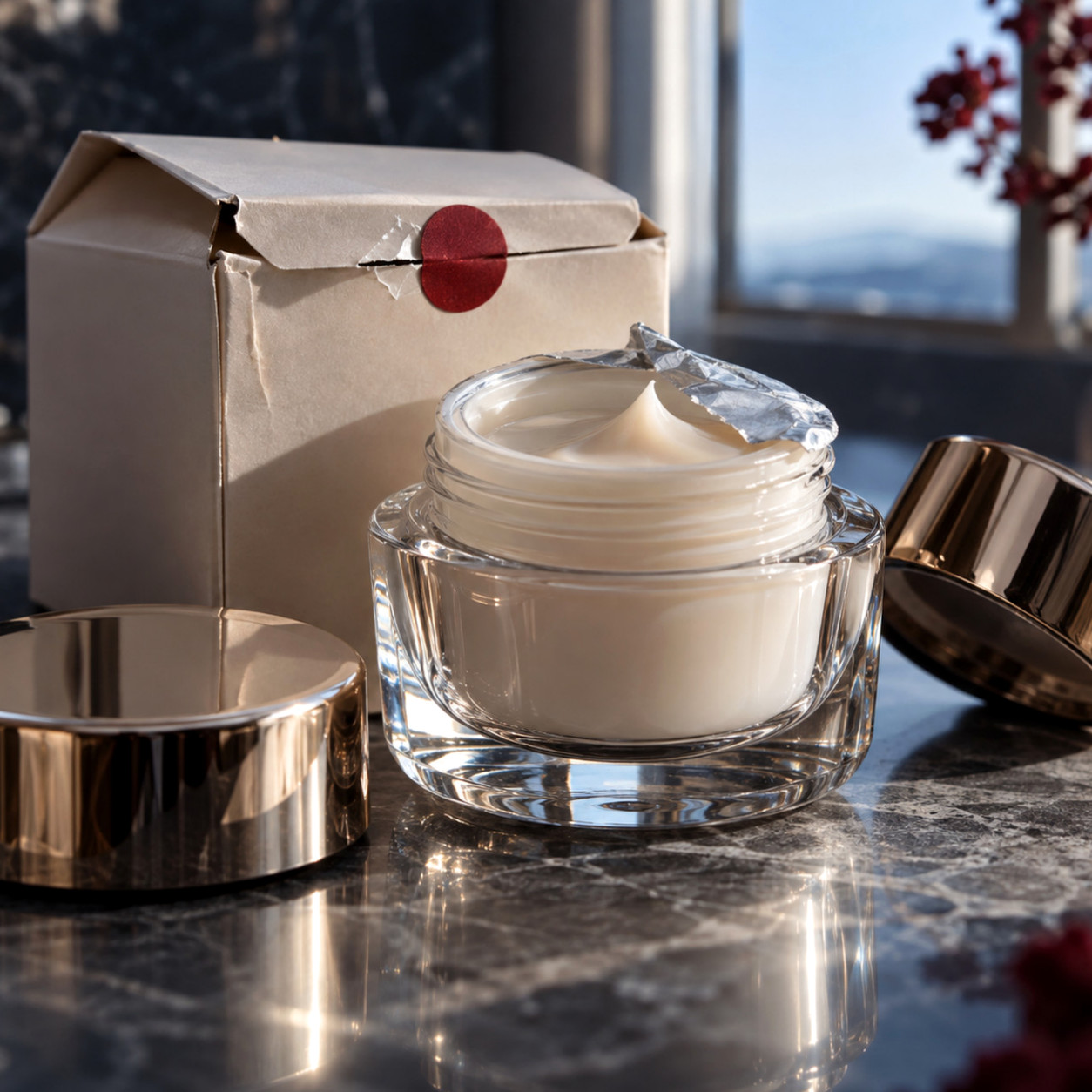
It was found that a total of 100,984 counterfeit products entered the country from China; among them, 82,860 were distributed and 18,124 were seized. This incident, in which cosmetics and health supplements were sold online as genuine products, demonstrates that it is difficult to determine authenticity based solely on appearance and price.
Counterfeit cosmetics resemble genuine products in packaging and trademarks, and recently, they are not necessarily sold at very low prices. In this article, we examine the seller information, product description, packaging, and certification marks to check before purchasing online, and summarize how to report suspicious products if discovered.
In particular, since cosmetics are used directly on the skin and health functional foods are ingested, verifying the source and quality control status is crucial. It is safer not to rush into using or consuming unverified products, even if they look similar to genuine ones.
I verify genuine cosmetics through sales channels and certifications rather than price.
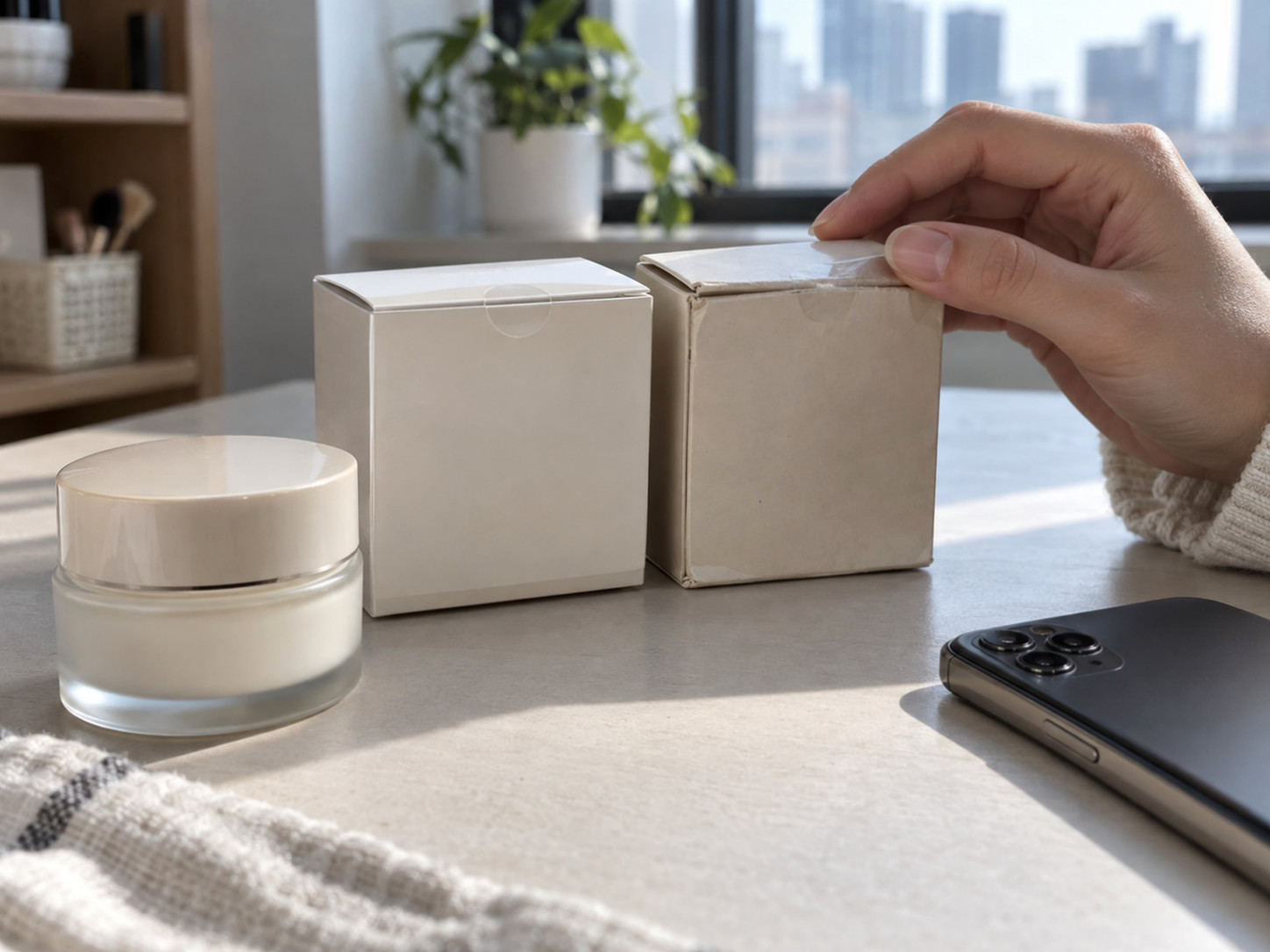
It is difficult to determine authenticity based solely on the low price. You should first check if it is an official brand store or a legitimate distribution channel, and then compare the seller information, product description, packaging condition, materials, and certification marks.
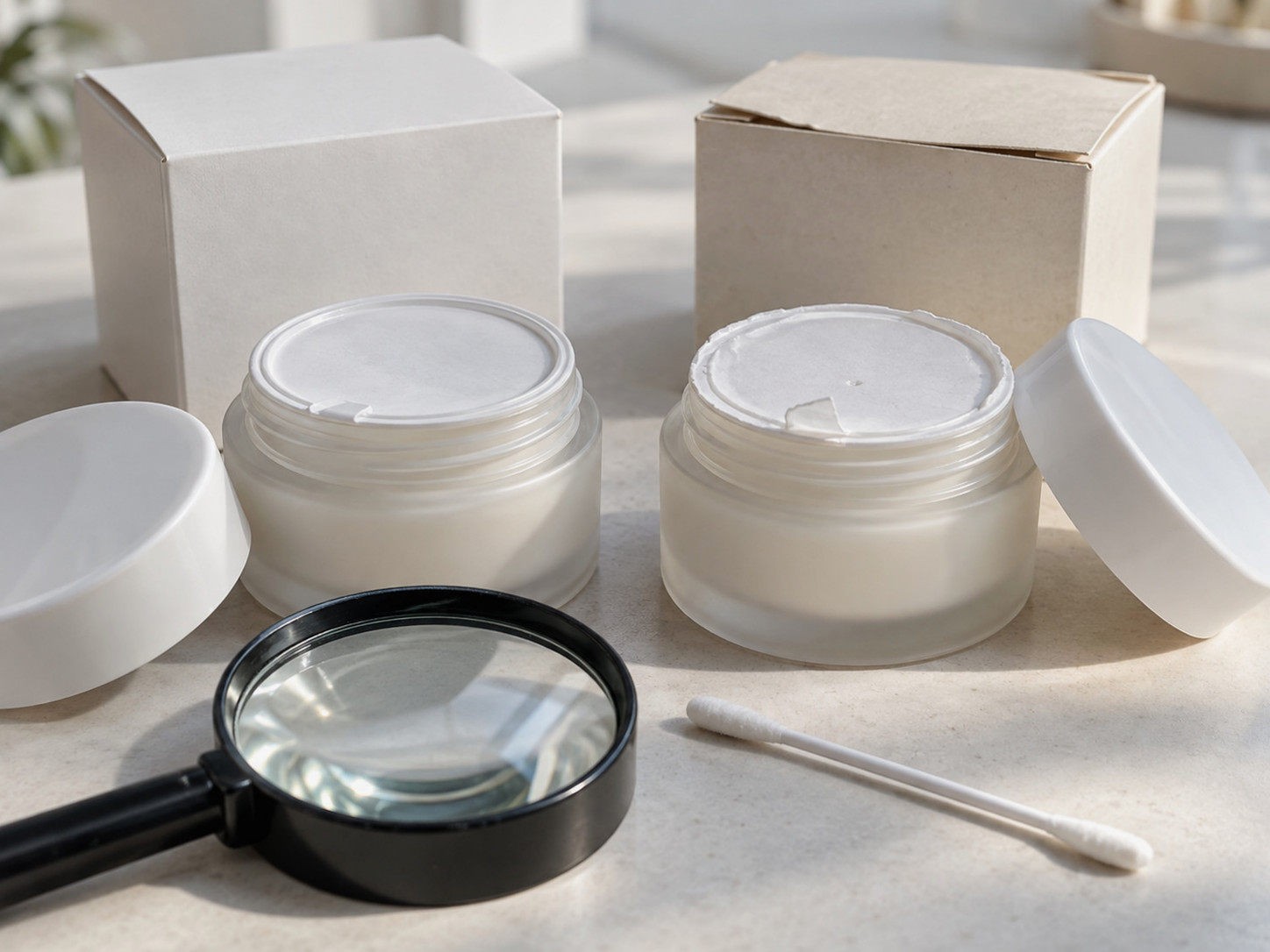
Counterfeit products can be nearly identical in design to genuine products, and subtle differences in color or finish may also be present. Therefore, you should not determine whether an item is genuine or fake based solely on a single photo or the selling price.
Items to check before purchasing
- Check if the seller is connected to the brand's official store or an official distribution channel.
- Check if the product source and seller are clearly stated in the product description.
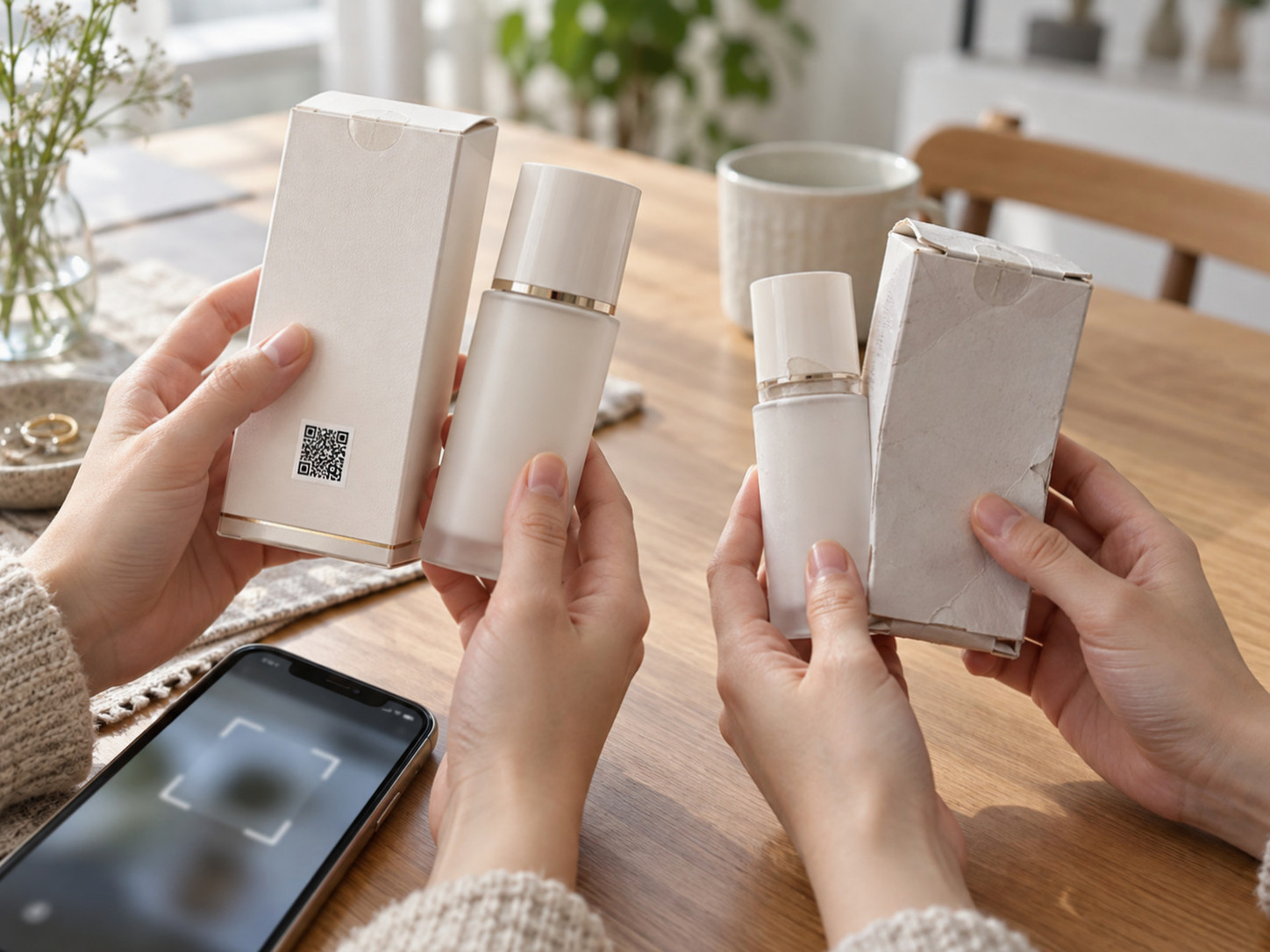
- Compare the printing quality, material, and certification marks of the packaging to see if they differ from the genuine product information you usually check.
- If the brand provides a separate method to verify authenticity, follow that procedure.
There are instances where products include instructions to verify authenticity via a QR code. However, since not all brands use the same verification method, you should base your judgment on the brand's official guidelines rather than assuming all products are counterfeit simply because they lack a specific certification mark.
Distribution scale and items confirmed in this counterfeiting case
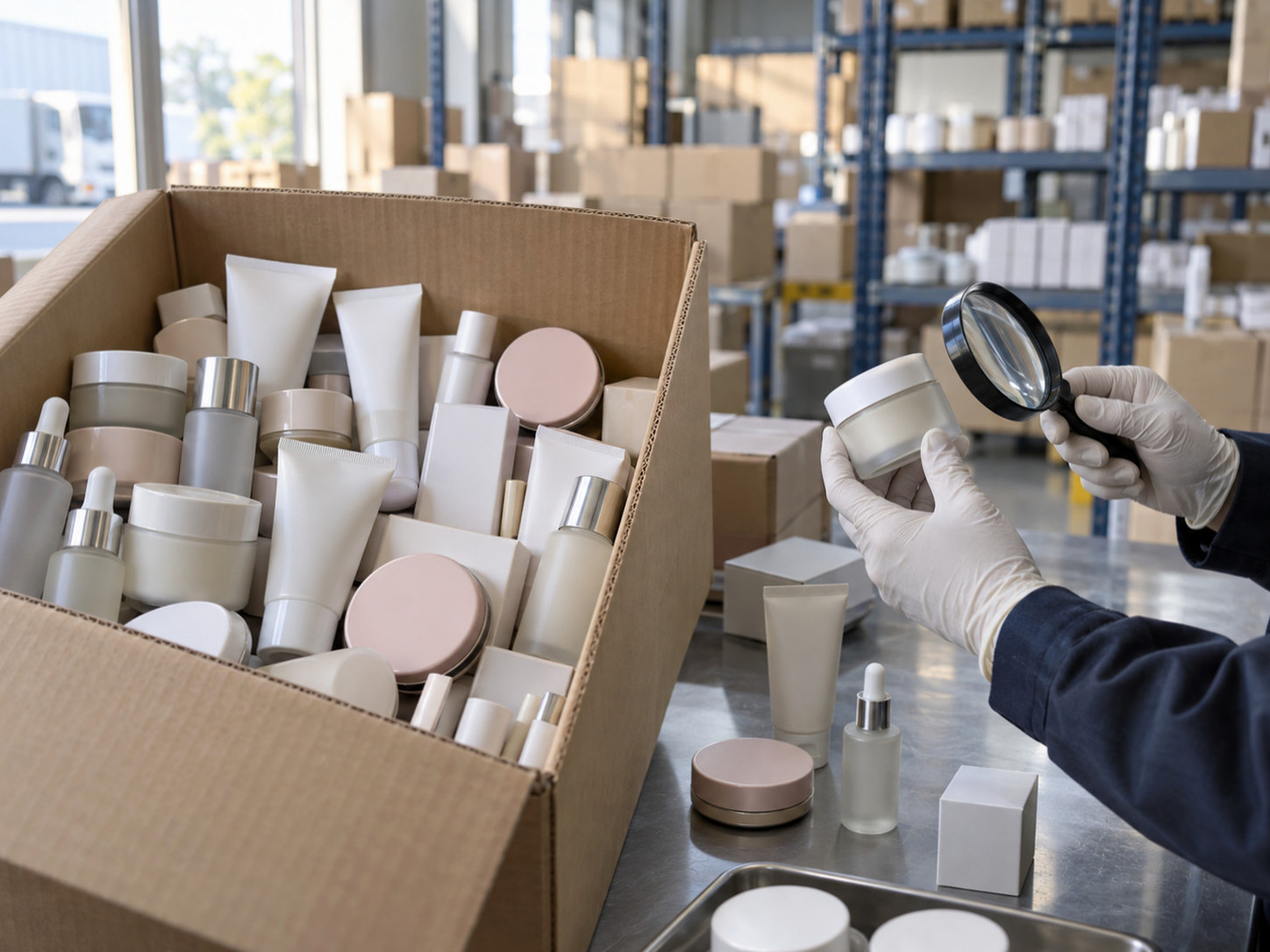
According to the investigation, the broker is suspected of selling 61 types of counterfeit goods over a period of about one year, from October 2024 to November 2025. The scale of sales is reported to be approximately 4.5 billion won, and it was found that 87 types of counterfeit products, worth about 1.3 billion won, were stored in a logistics warehouse in Cheongju, North Chungcheong Province.
It has been determined that the counterfeit goods were imported into the country from China and sold as genuine products through various online distribution channels, including open markets. A notable feature of this incident is the wide range of items involved, including not only cosmetics and health supplements but also water purifier filters, shoes, and golf equipment.
Verified brands and test results
It was found that 28 famous cosmetic brands, including Celladix, Gahi, Joseonminyeo, Estée Lauder, and Lancôme, were included in the counterfeiting targets. In the health functional food sector, Koryo Eundan and Denps products were mentioned.
As a result of testing the seized cosmetics and health functional foods, no functional ingredients or indicator substances were detected. However, it cannot be concluded that all brands mentioned in the article were counterfeited in the same manner or on the same scale, and the distribution volume and production methods for each brand have not been fully disclosed.
It is difficult to verify whether general cosmetics contain ingredients different from the genuine product or whether their quality was maintained during storage. Since functional ingredients and quality control are even more critical for health functional foods, it is necessary to exercise caution and avoid consuming products with unclear origins.
Reasons why you should use the official distribution network
It is difficult to verify that counterfeit cosmetics have undergone the same manufacturing and quality control procedures as genuine products. Since the raw materials and ingredients are unknown and the possibility of spoilage during storage cannot be ruled out, there is a concern regarding safety issues such as skin problems.
Brands recommend using official online stores and authorized retailers. Some brands monitor online retailers to block suspicious sales and take legal action, while also providing informational materials that compare genuine products with counterfeits.
You must also verify the seller information and source of products sold on overseas online platforms or social media services. While the mere fact that a product is sold abroad does not automatically make it a counterfeit, you should exercise caution with sellers whose official distribution status is difficult to verify.
How to report suspected counterfeit products
You can report cosmetics or health supplements suspected of being counterfeit online through the Korea Intellectual Property Protection Agency's Fake K-Brand Reporting Center. Cases found in overseas stores, online trading sites, or social media services may also be reported, and you can submit photos of the products taken with a mobile phone.
When filing a report, it is helpful to keep verifiable materials such as sales screenshots, seller information, product descriptions, prices, the time of purchase, and product photos. If the product has been opened or used, do not discard the remaining packaging and contents arbitrarily; instead, it is best to follow the verification requirements mandated during the reporting process.
Submitted reports undergo expert review, and if deemed significant, they may be forwarded to the relevant brand rights holder. Since follow-up support, such as legal assistance or trademark invalidation, may be provided as needed, it is advisable to utilize the official reporting procedure rather than making a judgment on your own and spreading suspicions.
Final check before purchase and use
The key to verifying authenticity lies not in the price, but in examining the seller, distribution channel, product description, packaging, and certification marks together. Even if the appearance is similar or the price difference from the genuine product is not significant, you must stop the purchase and check the official information if the source is unclear.
If you have doubts about the packaging or certification information of a product you have already purchased, please discontinue use and consumption and keep a record of the sale. If skin abnormalities or uncomfortable symptoms occur, it is safer to stop using the product and seek necessary consultation.
Frequently Asked Questions
Are counterfeit cosmetics always cheaper than genuine products?
That is not the case. Recently, there have been instances where products are sold at prices similar to genuine ones, making it difficult to determine authenticity based solely on price.
If the packaging and appearance are the same as the genuine product, is it real?
No. Counterfeit products may resemble genuine products in design and trademark, and any differences in packaging, materials, or certification marks may be subtle. You must verify the official seller and product information together.
Were functional ingredients confirmed in this case?
No functional ingredients or indicator substances were detected in the tests of the seized cosmetics and health functional foods. However, it cannot be concluded that all brand products were manufactured in the same manner.
Where do I report products suspected of being counterfeit?
You can submit a report online through the Korea Intellectual Property Protection Agency's Fake K-Brand Reporting Center. You can submit verifiable materials, such as product photos and sales screenshots.