
When a choreographer is mentioned as having appeared on a dance competition program, many people often assume they are from a specific show. In the recent reported sexual assault case involving a famous dancer and choreographer, speculation that the person was from "Dancing Nine" spread rapidly. However, it is important to distinguish between whether this speculation is actually true and what exactly was confirmed in this ruling.
This case, involving charges of quasi-rape that occurred in Seodaemun-gu, Seoul in March 2024, is drawing renewed attention as the first-instance verdict is scheduled to be handed down on October 23, 2026. Below, we will examine the details of the judgment, the grounds for the court's decision, and the actual facts surrounding the speculation regarding the identity, in that order.
The rumor that they are former contestants of Dancing Nine has not been confirmed as fact.

Rumors are circulating online that the defendant is a former contestant on the dance competition program Dancing Nine. However, major news reports have not disclosed the defendant's real name or the specific program name.
The only confirmed facts are experience appearing on a dance competition program on a music-specialized channel and participating in choreography work for a famous boy group. It has not been specified which program or which group was responsible for the choreography.
Therefore, the expression “former Dancing Nine” remains at the stage of speculation raised online. We must carefully avoid definitively identifying a specific individual as the party involved in the incident.
The sequence of events began in March 2024 at a motel in Seodaemun-gu.
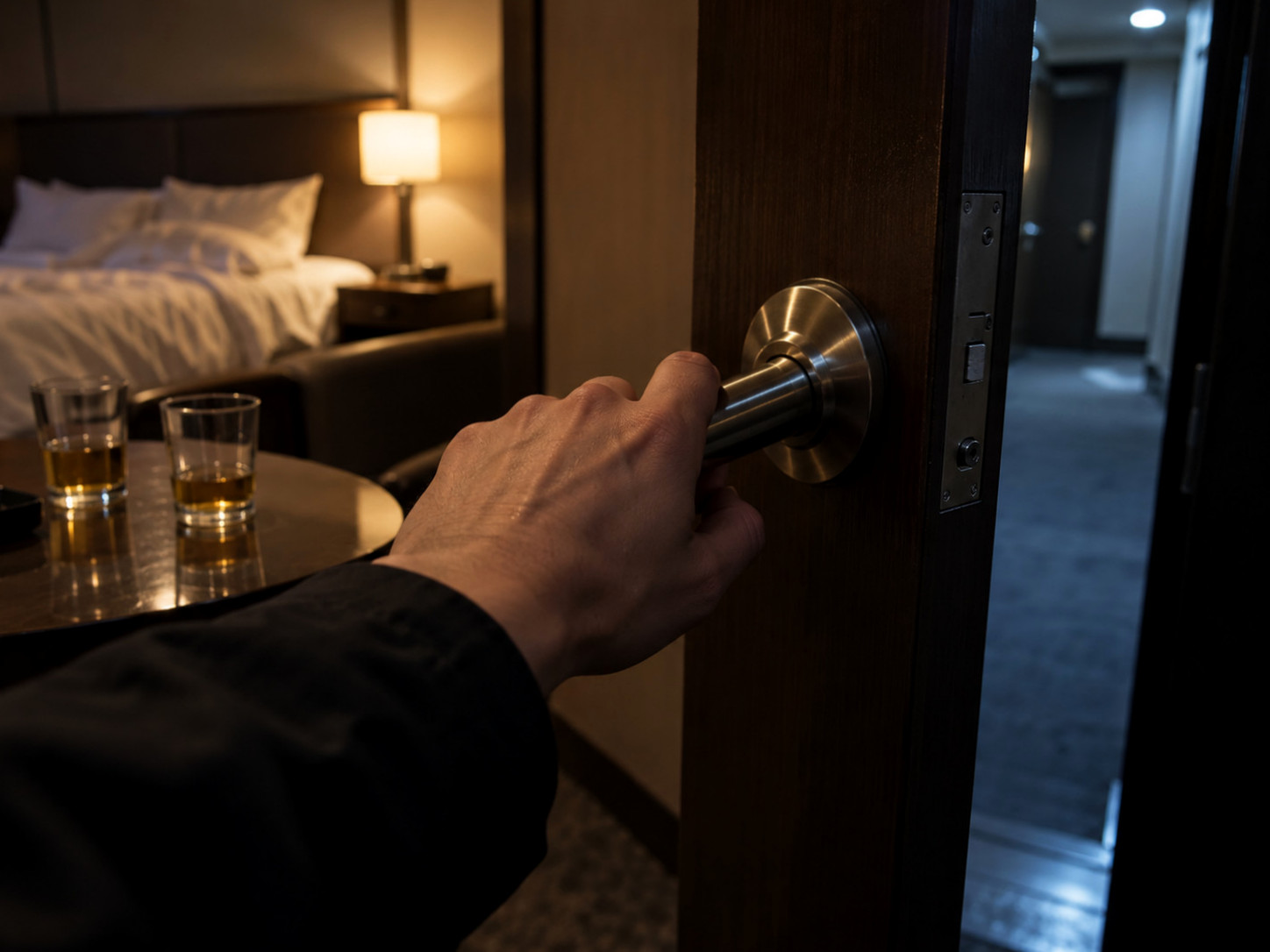
Defendant A went to a motel with a woman he had known for a long time after having drinks together. The fact that A repeatedly offered alcohol to the other person during this process was reflected in the sentencing.
The prosecution indicted Mr. A on charges of quasi-rape, believing that he sexually assaulted the victim while she was intoxicated and unable to resist. Subsequently, during the investigation and trial, the significant discrepancies between the defendant's and the victim's statements became a key issue.
The first-instance verdict was three years in prison and immediate detention.
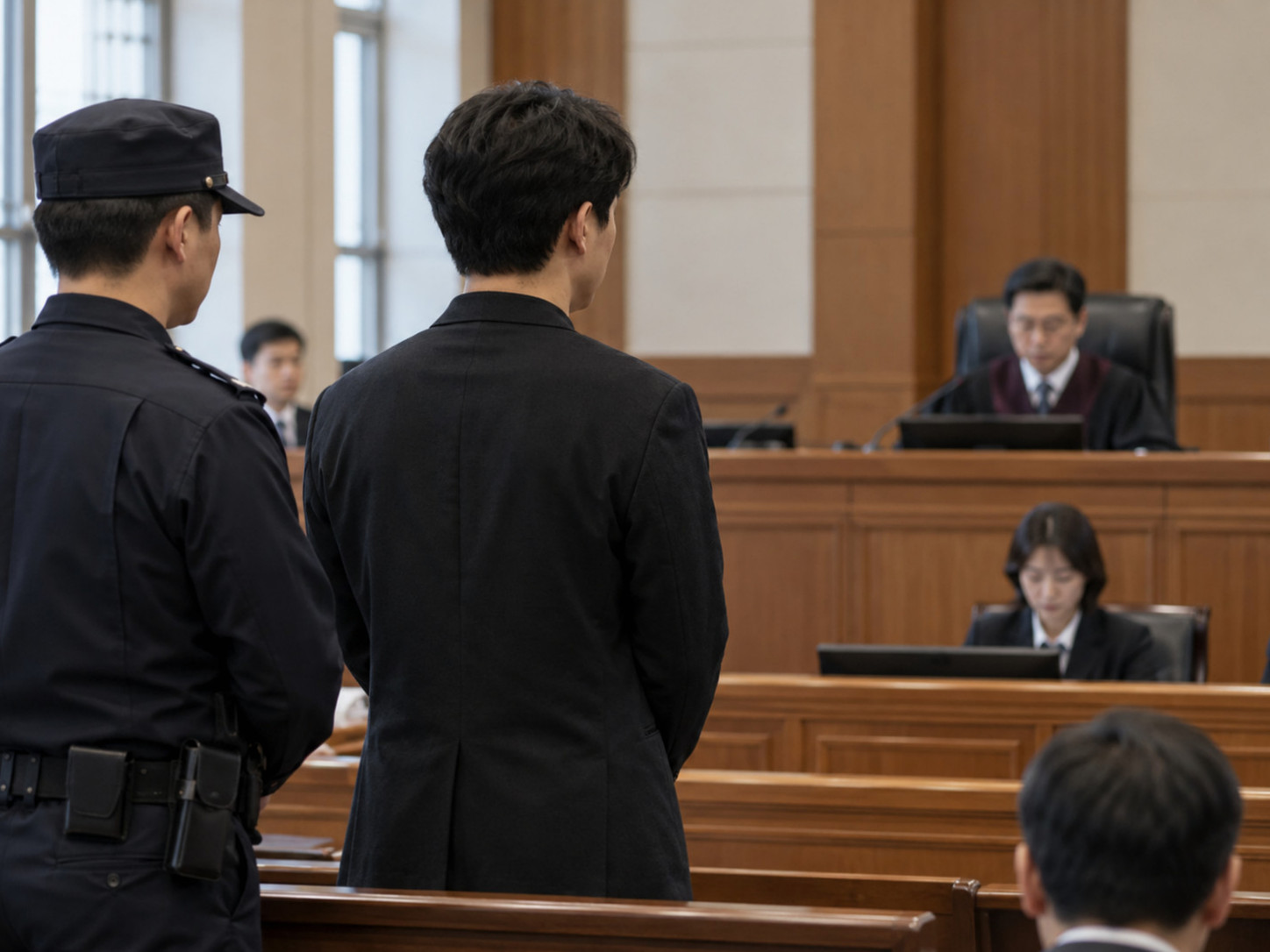
On October 23, 2026, the 11th Criminal Division of the Seoul Western District Court sentenced Mr. A to three years in prison on charges of quasi-rape and ordered his immediate arrest in court. Along with this, an order was also issued to complete 80 hours of a sexual violence treatment program.
As an additional order, a five-year employment restriction was imposed on institutions related to children and adolescents, and a five-year employment restriction was imposed on institutions related to persons with disabilities. However, this employment restriction does not uniformly prohibit all choreography and performance activities, but is limited to employment at institutions within the specified scope.
What is the reason the court did not believe the defendant's statement?

The court considered the fact that the defendant's statements changed multiple times during the initial stages of the investigation and subsequent questioning to be of the utmost importance. The explanations regarding whether computer games were played at the motel, the order in which sexual intercourse occurred, and the timing of the victim's vomiting changed with each investigation.
In contrast, the victim's statement was consistent in its main points and aligned with objective evidence. Based on this difference, the court assessed the credibility of the victim's statement as higher than that of the defendant's claims.
Why wasn't the defendant's claim of a consensual relationship accepted?
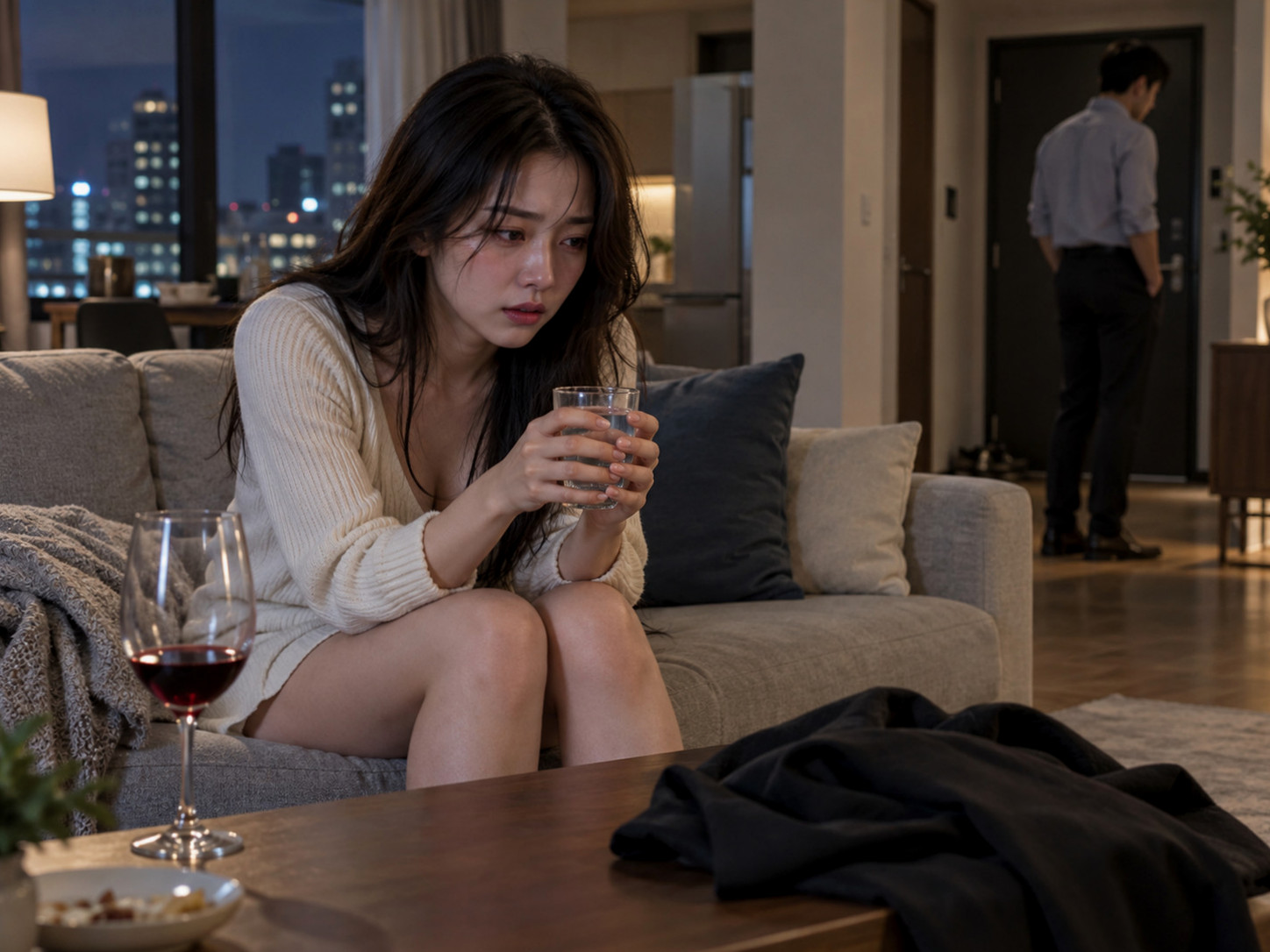
Mr. A admitted to the sexual intercourse itself but argued that the victim was not in a state where she was unable to express her will or resist, and that the relationship was consensual. However, the court ruled that the victim was intoxicated at the time and was in a state of helplessness.
Mr. A's side presented the lie detector results and the victim's behavior after the incident as grounds for their claim of innocence. The court did not accept these materials as evidence to overturn the credibility of the victim's testimony.
The court also viewed that A's denial of the crime and shifting the blame to the victim caused additional mental distress to the victim. This was also cited as a reason that was unfavorably reflected in the sentencing.
Whether an appeal will proceed is not yet a final judgment.
This three-year prison sentence is the result of the first trial, and Mr. A has filed an appeal against it. Therefore, there remains a possibility that the sentence or judgment may change in the appellate trial.
In the appellate trial, it is highly likely that the points where the defendant retracted their statements and the assessment of the credibility of the victim's testimony will once again become key issues. It is necessary to maintain an attitude of not accepting the outcome definitively until a final judgment is issued.
Readers following this case are advised to check for the outcome of the appeal ruling as well as whether speculative information regarding the identity is officially confirmed. It is also important to refrain from sharing unverified speculation as if it were fact.
Key Points Summarized in Q&A
Q1. What are the charges in this case and the sentence handed down in the first trial?
He was indicted on charges of quasi-rape, and the Seoul Western District Court sentenced him to three years in prison on October 23, 2026, and took him into custody in court.
Q2. Were a sexual violence treatment program and an employment restriction order also issued?
Yes, along with an order to complete 80 hours of a sexual violence treatment program, a five-year employment restriction order was imposed at institutions related to children and adolescents and institutions related to the disabled, respectively.
Q3. Why did the court not accept the defendant's claims?
This is because the defendant's statements regarding his whereabouts and sequence within the motel varied with each investigation, whereas the victim's statements were consistent and aligned with objective evidence.
Q4. Is it a confirmed fact that the defendant is a “former contestant of Dancing Nine”?
No. Only experience appearing on a dance competition program on a music channel and participating in choreography for a famous boy group have been confirmed; however, since specific program names or real names have not been disclosed, the matter remains at the stage of online speculation.
Q5. Has the case been completely closed with this ruling?
No. The defendant has filed an appeal, and this is a first-instance judgment; the sentence or ruling may change depending on the outcome of the appeal.