
You may have wondered why the cycle of going from one hospital to another in search of an emergency room repeats itself, and what the recent amendment to the Emergency Medical Services Act changes. The key point is not that hospitals are being forced to accept patients unconditionally, but rather, Specifying in the law the reasons why acceptance is difficult and expanding the entities authorized to designate transfer hospitals.is in.
On September 17, 2026, the National Assembly Health and Welfare Committee passed the relevant amendment. However, as of September 20, 2026, the procedures for approval by the plenary session and the promulgation and enforcement of the law remain, so it should not be understood as a system already in effect.

The core of what this amendment changes immediately

To summarize the answer first, emergency medical institutions notify the Central Emergency Medical Situation Room when they are unable to accept a patient, and hospitals for transporting severe emergency patients can be designated not only by the Central Emergency Medical Situation Room but also by the 119 Emergency Situation Management Center.
At the same time, emergency medical institutions may refuse or delay admission Justifiable grounds must be specifically stated in the lawIt differs from an approach that simply counts the number of empty beds, as it addresses both the obligation to admit patients and the hospital's actual treatment capacity.
The direction of this amendment is closer to a system that “quickly determines a hospital capable of treatment and shares reasons why admission is difficult,” rather than “transferring patients to just any hospital.”.

Criteria for hospitals to refuse admission
| division | Key roles | Information used for judgment |
|---|---|---|
| Central Emergency Medical Situation Room | Hospital coordination for the transfer of critically ill patients and inter-agency coordination | Medical institution capacity and treatment functions |
| 119 Emergency Medical Services Management Center | Designation of transfer hospitals linked to the emergency scene | Information on patient status and available medical institutions |
| Regional Emergency Medical Situation Room | Support for regional transfer and medical institution coordination | Metropolitan Emergency Medical Resources and Hospital Functions |
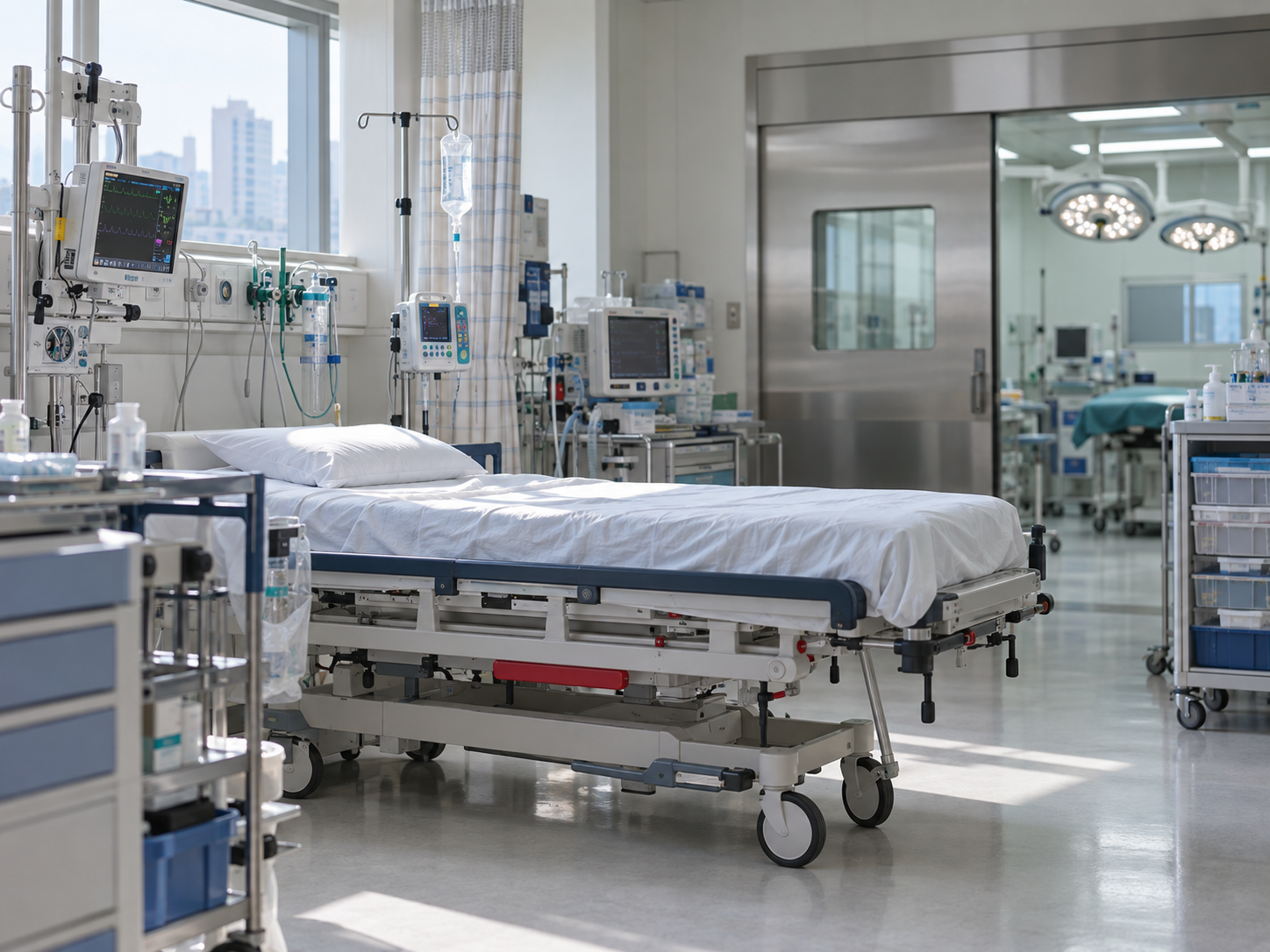
The criterion is resources. Cases where emergency medical resources, such as facilities, equipment, and personnel, are fully operational and it is difficult to provide appropriate treatment to additional patients were presented as a legitimate reason for difficulty in acceptance.
Surgery schedules are also included. If it is difficult to provide final treatment without delay to a newly admitted critical emergency patient due to ongoing surgeries or scheduling conflicts, the hospital follows a procedure to notify the Emergency Medical Situation Room of this reason.
The important point here is The mere fact that there are empty beds in the emergency room does not mean that treatment is possible.This is because critically ill patients may require not only emergency medicine specialists but also operating rooms, anesthesia personnel, and intensive care units simultaneously.
Therefore, a distinction is made between legitimate grounds and simple patient avoidance. While acknowledging the reality where hospitals find it difficult to accommodate patients, the amendment focuses on ensuring that decisions are not confined to the internal hospital by requiring the central and regional emergency medical situation rooms to report the situation and share it within the transport system.

Who decides the hospital for critically ill patients?

The channels for designating transfer hospitals are being expanded. In addition to the existing coordination system centered on the Central Emergency Medical Situation Room, the amendment includes provisions allowing the 119 Emergency Medical Services Management Center to also designate transfer hospitals for critically ill emergency patients.
The two institutions, through the emergency medical information and communication network, each medical institution's Check patient capacity and medical functions in real timeIt takes on the role of [doing so]. Rather than the method where the ambulance crew loads the patient and contacts multiple hospitals in turn, it is a structure that reflects both the severity of the patient's condition and the hospital's available treatment areas.
A legal basis is also established for the Minister of Health and Welfare to designate a Central Emergency Medical Situation Room. The law incorporates a system in which the Head of the Central Emergency Medical Situation Room establishes and operates a Regional Emergency Medical Situation Room, thereby incorporating a process for connecting patients whose needs cannot be met within the region to other medical institutions.
The Role of Emergency Medical Institutions and On-Call System
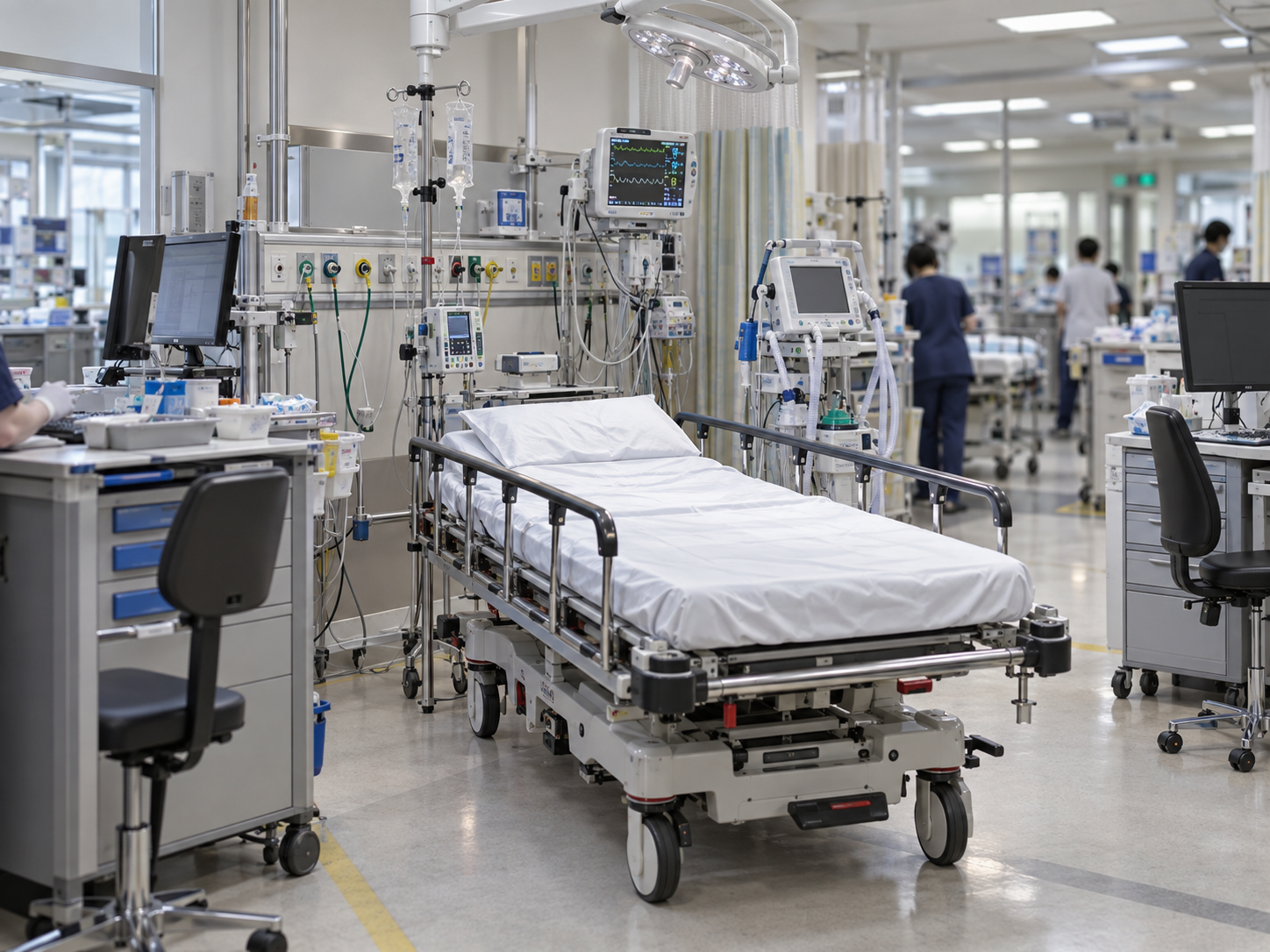
The name of the institution will also change. The existing Regional Emergency Medical Centers in the amendment Severe Emergency Medical CenterThe plan includes changing the name. The purpose is to more clearly reveal the role of the institution responsible for the final treatment of critically ill patients through the name change.
Emergency medical institutions are described as having their functions divided according to the severity of the patient's condition. This system involves Severe Emergency Medical Centers focusing on severe patients, Regional Emergency Medical Centers on moderate patients, and Regional Emergency Medical Institutions on mild patients.
Staffing operations are also being revamped. At the Severe Emergency Medical Center, dedicated emergency room on-call specialists, etc. 24-hour work in teams of at least twoThe law includes provisions specifying such a system. It is a mechanism designed to prevent medical judgment and treatment from being concentrated on a single person when a severely ill patient arrives.
However, simply changing hospital names or on-call staff will not immediately resolve the issue of patient transfers. The recruitment rate for emergency medicine residents dropped from 101.81 TP3T in 2021 to 79.61 TP3T in 2024, and in a situation where medical personnel themselves are insufficient, both legal obligations and on-site operations must be supplemented.
Protection of medical staff and the remaining procedures of the bill

Provisions protecting medical personnel are also being changed. The amendment strengthens existing discretionary language to allow for the reduction of criminal penalties if certain conditions are met, in cases where a patient dies or is injured despite the provision of appropriate emergency medical care.
In addition, a new provision is being established to exempt employees of emergency medical institutions designated to accept critically ill emergency patients for whom a transfer hospital has not been determined from criminal punishment. It is not a clause that exempts liability for all medical accidents., It is a mechanism that protects medical staff who accept and treat emergency patients within established requirements.
Although the bill was passed at the plenary session of the Health and Welfare Committee on September 17, 2026, it is not a law that has been enacted on its own. It will be applied in practice only after an effective date is set following approval by the National Assembly plenary session and promulgation by the government.
Ultimately, the key to reducing the endless rotation of patients in emergency rooms lies in three things: announcing capacity based on the actual resources a hospital can provide for treatment, having the Central Emergency Medical Situation Room and the 119 Emergency Medical Service Management Center designate appropriate hospitals, and establishing staffing and on-call systems at severe emergency medical centers.
A more important criterion than the availability of beds is whether the specialists, operating rooms, anesthesia personnel, and intensive care units necessary for the patient are actually functioning together.