Should caregivers now refuse the suctioning they have been performing, or should they have no choice but to continue doing it because there is no one else available by the patient's side? This question, which has grown in nursing hospital wards following the Supreme Court ruling, has become not just an individual caregiver's issue, but a workforce management challenge involving patient safety, nursing staff, and caregiving costs all at once.
The key does not lie in simply memorizing that “all suctioning by caregivers is illegal.” The issues become much clearer if you examine, in order, which actions were judged as unlicensed medical practice in Supreme Court cases, why the hands of caregivers are still needed in the field, and what management system is required going forward.
If you start by distinguishing the scope of the suction, the core of the judgment becomes visible.

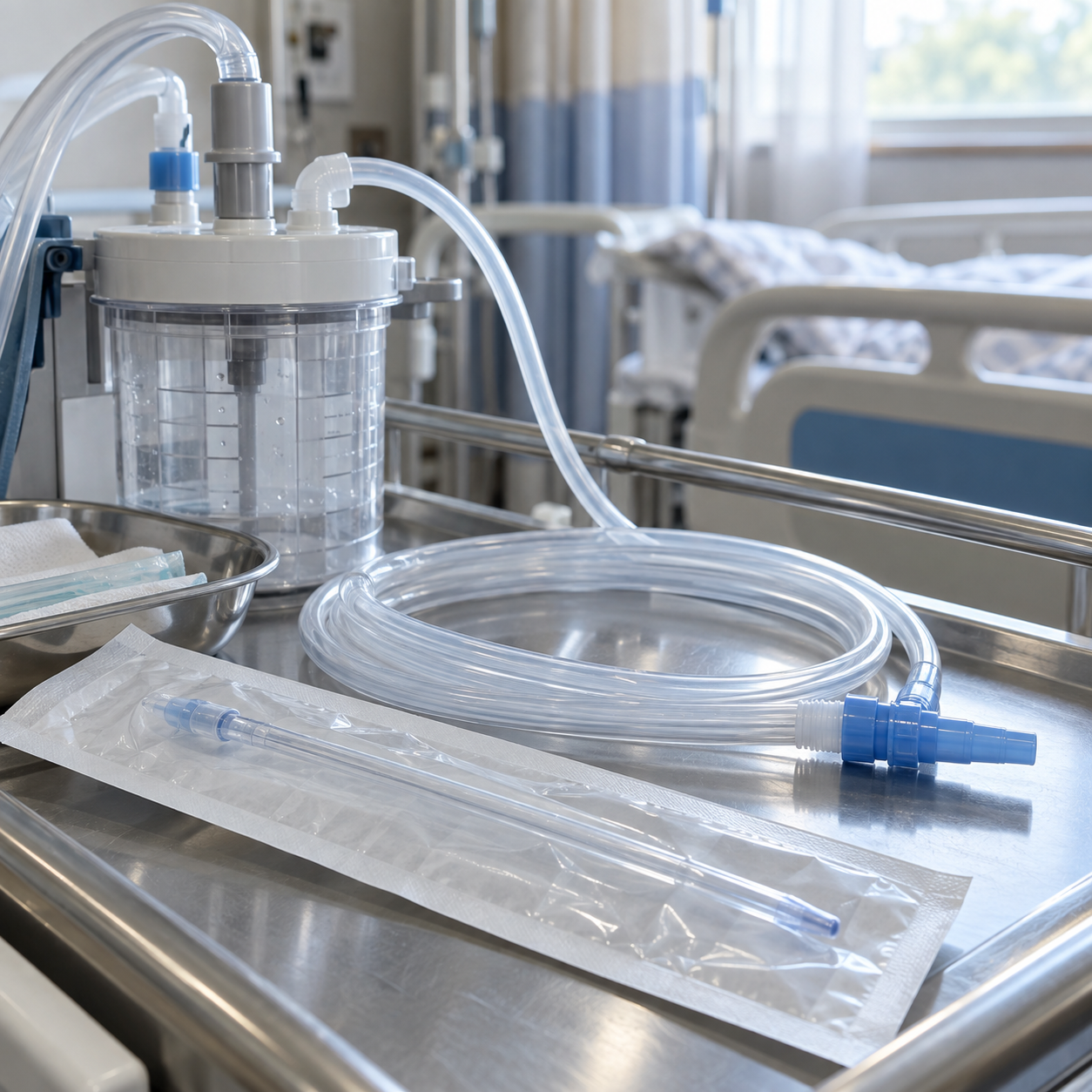
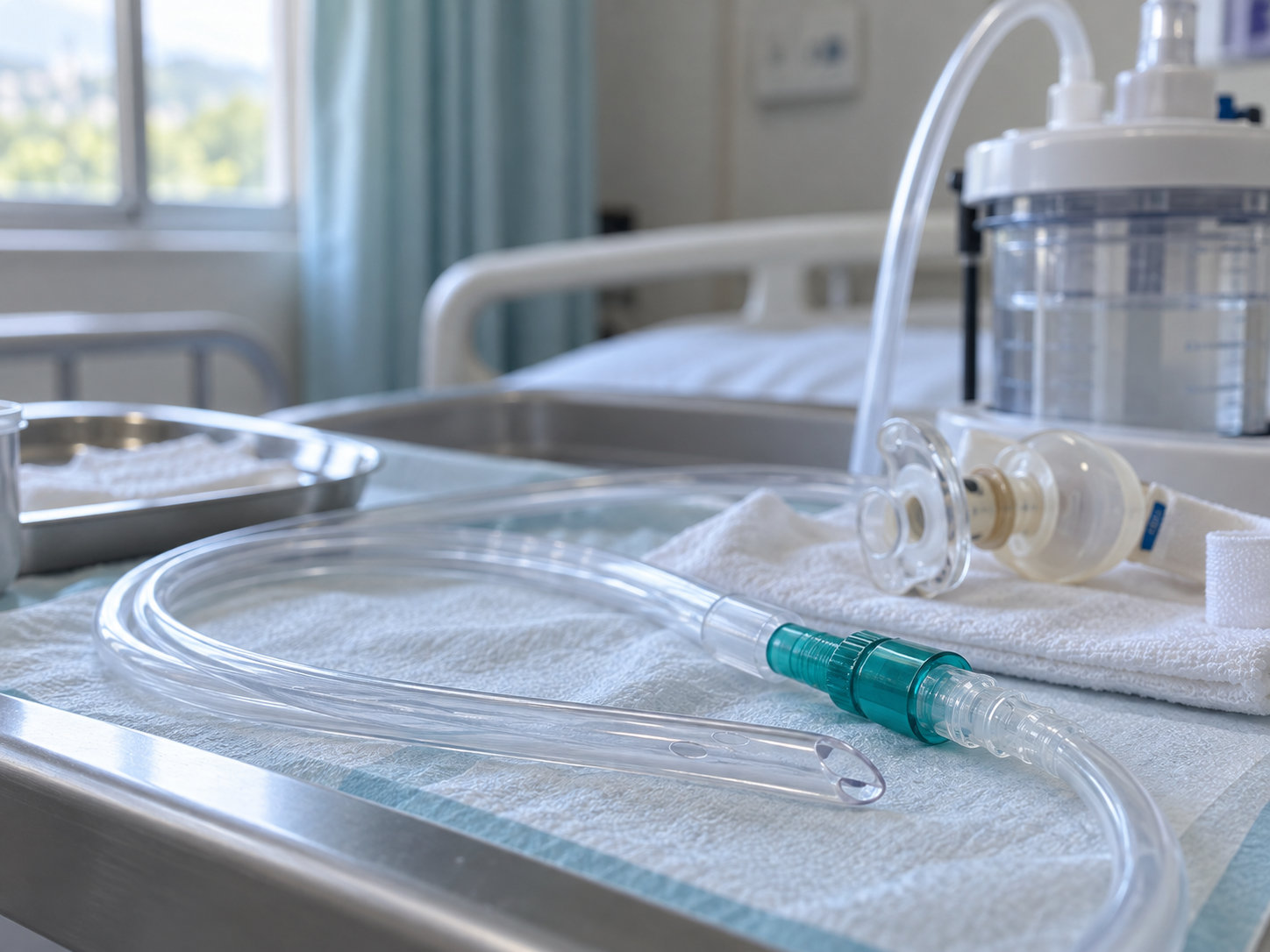
Suction is a procedure that removes phlegm from the respiratory tract of a tracheostomy patient using a suction device and a suction catheter. Because it involves inserting a catheter through the tracheostomy tube, it differs in nature from care that simply involves tidying the bedside or changing the patient's position.
In a Supreme Court case, a caregiver inserted a suction catheter into a patient who had undergone a tracheostomy, and the patient died after the caregiver fell asleep with the catheter still inserted. The court [held] the caregiver Violation of the Medical Service Act and Liability for Professional Negligent HomicideIt acknowledged this, and also acknowledged the liability of the attending physician for conspiracy to perform unlicensed medical practice for training and having the caregiver perform suction.
Therefore, this ruling cannot be viewed by separating the specific actions of the case from the outcome of the patient's death. Given that Article 27 of the Medical Service Act serves as grounds for restricting medical acts by non-medical professionals, nursing hospitals are now in a situation where they must re-examine the practice of allocating suctioning tasks as if they were general caregiving duties.
The substantive message of this ruling is that treating suction as a mere care task and shifting responsibility is no longer safe.
| Operating method | Expected points | The burden that will arise on-site |
|---|---|---|
| Medical professionals dedicated to | The responsible party and legal responsibility have become clear. | Increase in nursing staff and labor costs, concentration of ward duties |
| Customary delegation to caregivers | Patient response is easy with current staffing. | Issues regarding unlicensed medical practice and accident liability arise |
| Restrictions are permitted on the condition of education, qualifications, and supervision. | Room to manage staffing realities and patient safety together | Need to establish educational standards, scope of performance, and record-keeping and supervision systems |
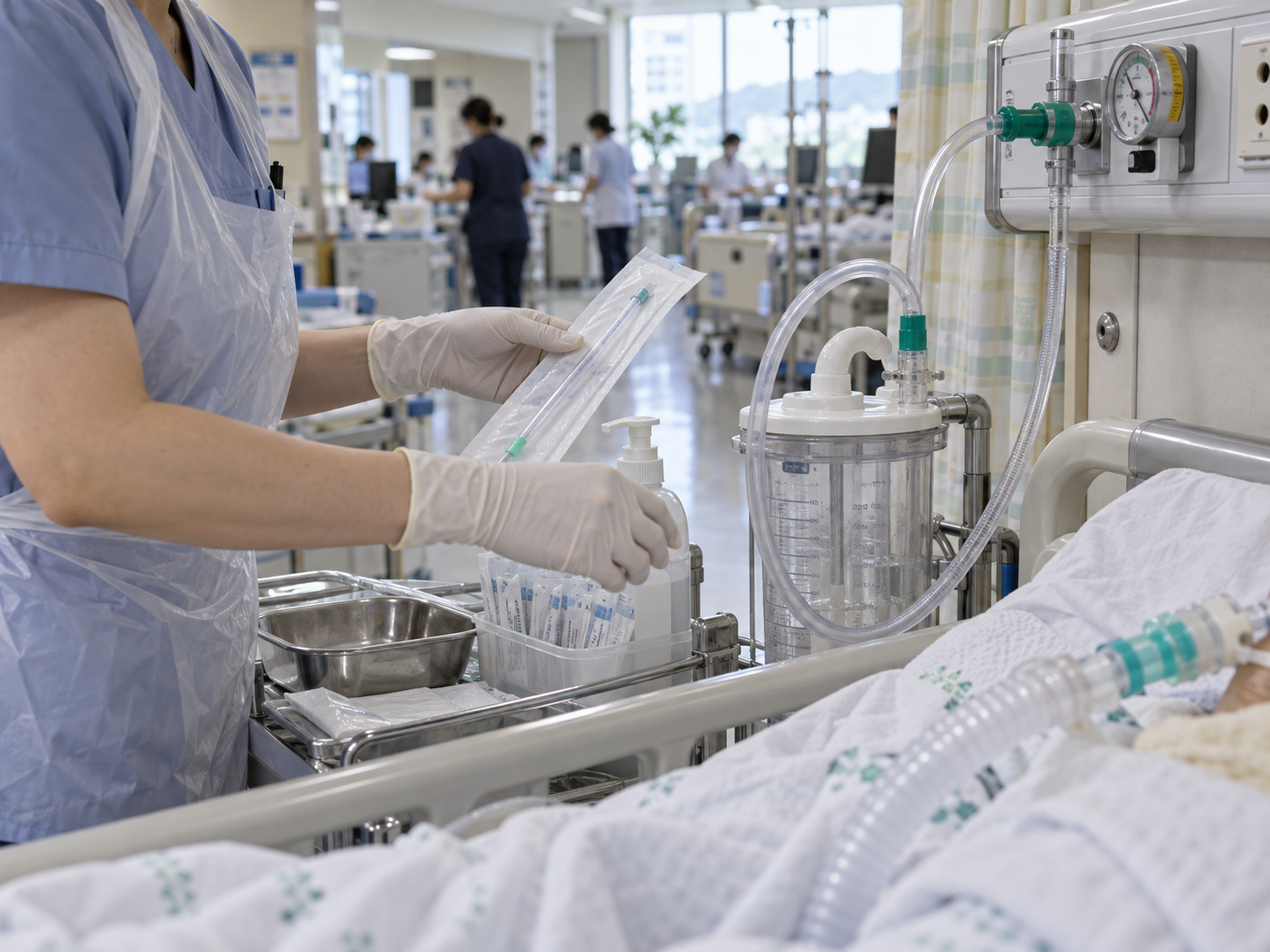
We need to look at the reasons why caregiver suctioning is difficult to eliminate from wards.
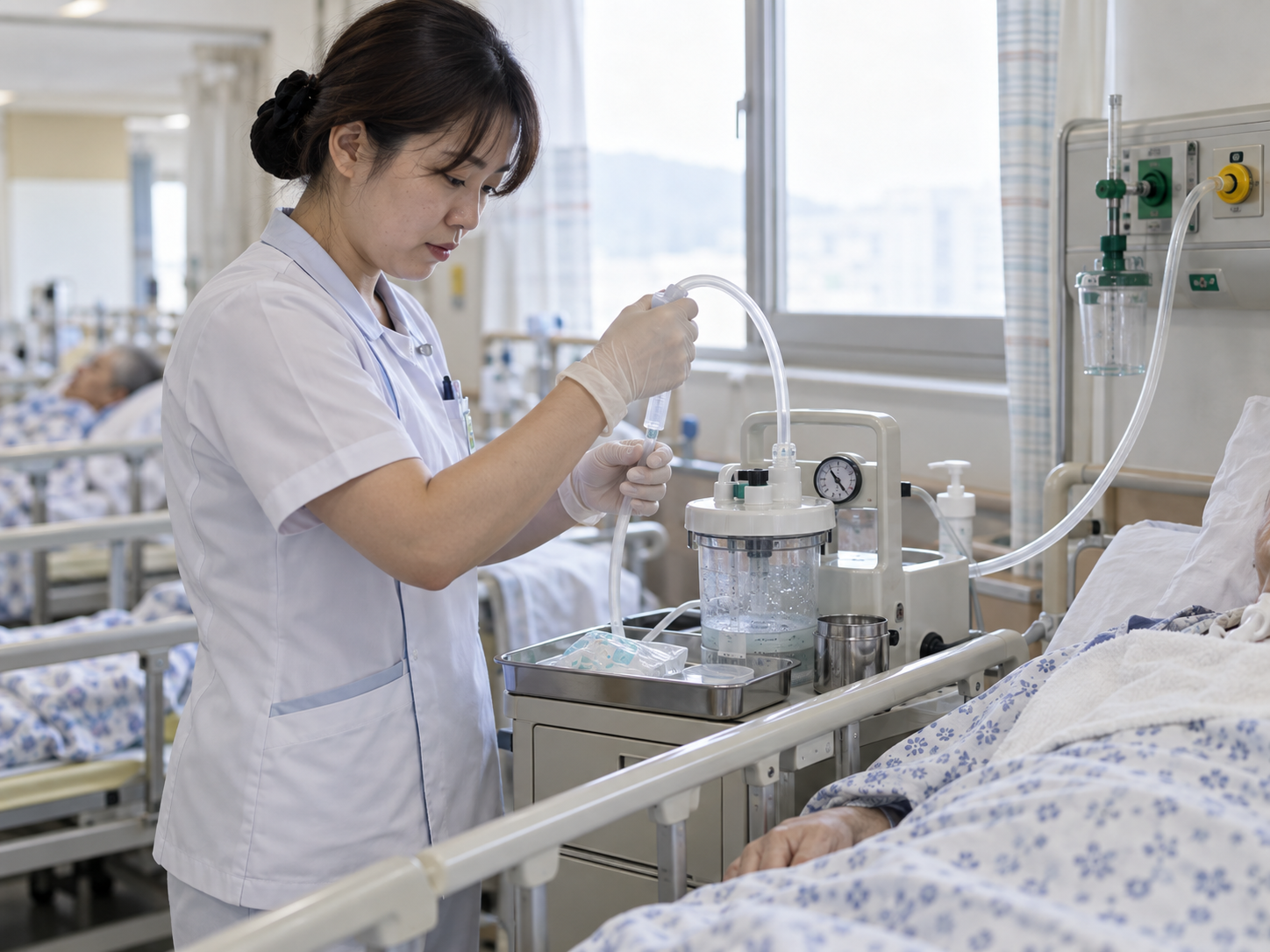
Even after a legal ruling, patients requiring suctioning continue to be admitted to the hospital. Bedridden patients with tracheostomy tubes require airway management when phlegm builds up, and for medical personnel to respond immediately each time, the ward's shift staffing and workload must be taken into account.
An official from the Korea Nursing Hospital Association presented feedback from the field stating that at least five additional nurses would need to be assigned to each ward to ensure medical professionals handle all suctioning tasks. While this figure is an estimate reflecting the reality of ward operations, it clearly demonstrates that the burden of manpower and costs would be significant if suctioning personnel were to be replaced exclusively with nurses.
Nurses are already responsible for medication administration, treatments, observation, record-keeping, and emergency response. This is why there are concerns that taking on suctioning duties could lead to a shortage of nursing staff or restrictions on the admission of patients requiring suctioning.
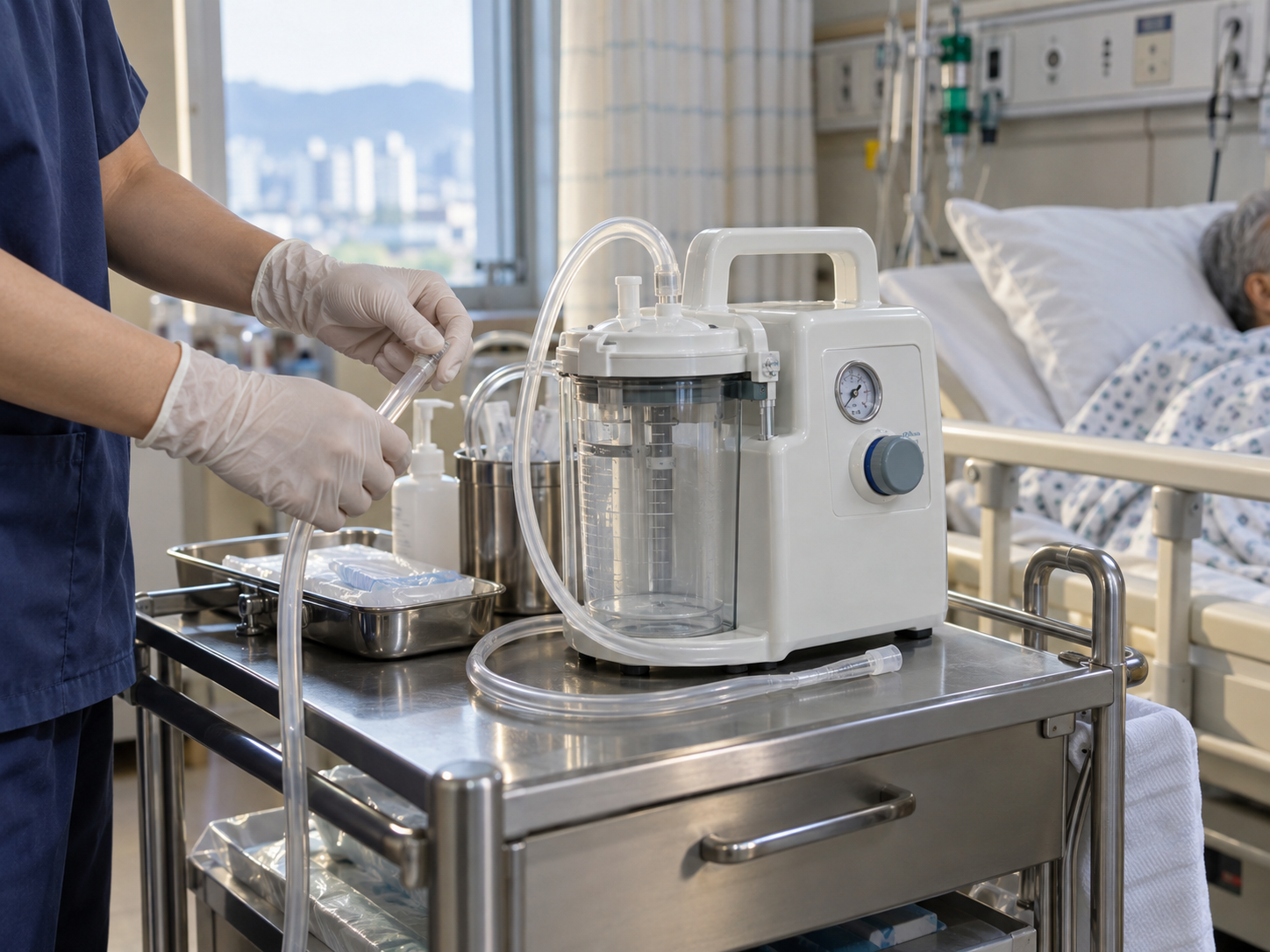
Criteria to weigh between a total ban and limited permission
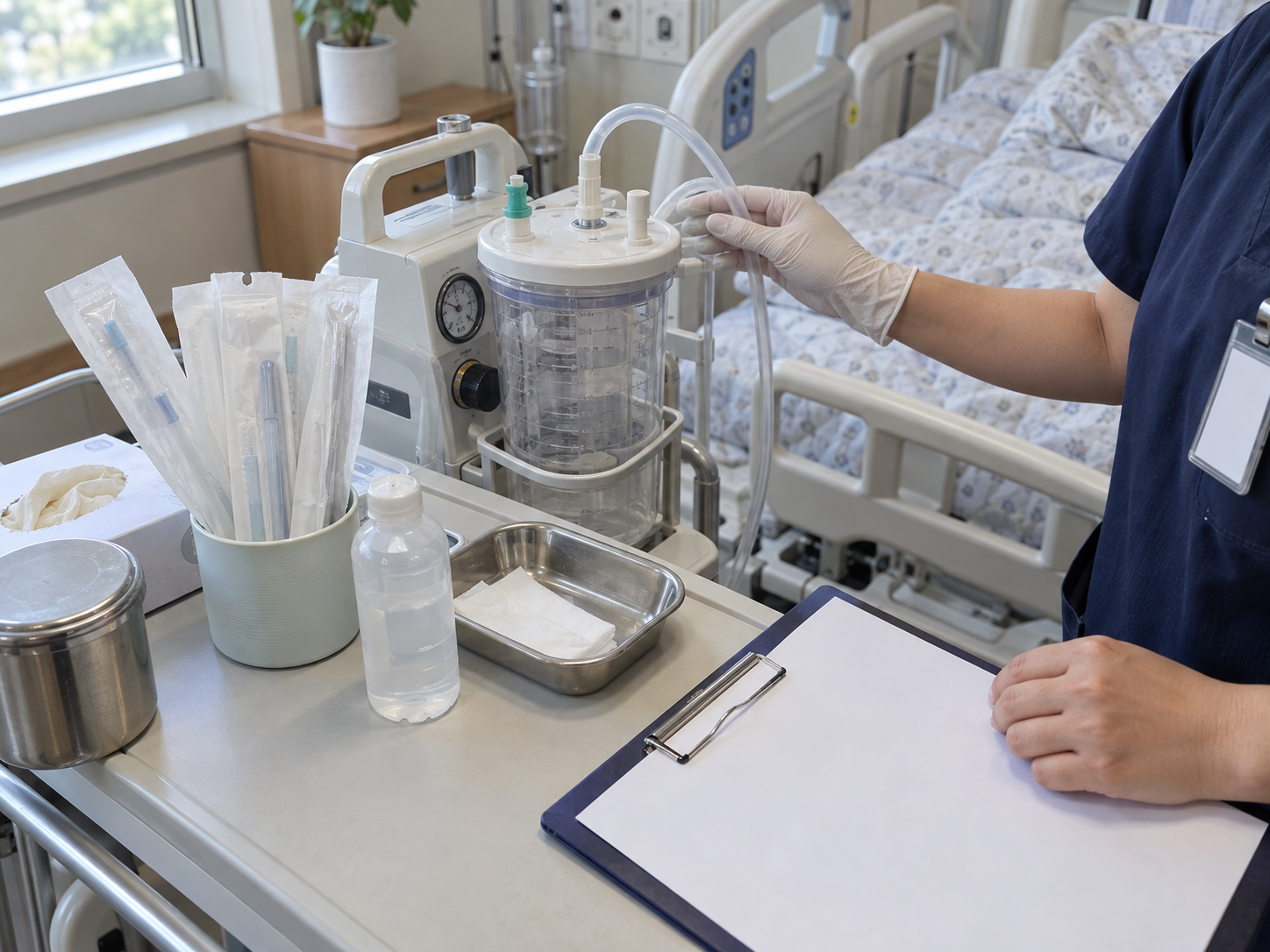
A complete ban has the advantage of clarifying legal responsibilities, but it requires both an expansion of medical personnel and increased costs. Conversely, continuing to rely on caregivers can make patient safety dependent on individual proficiency, given that education levels and supervision vary widely.
The alternative proposed by field officials does not mean allowing caregivers to perform suctioning without limit. It suggests that only those who have completed specific training and undergone regular competency evaluations should perform the procedure within a defined scope, while also establishing a system for the instruction and supervision of medical staff and reporting of abnormal situations. Competency management methodsIt is close to.
Nursing care costs and hospitalization conditions may vary for patients and their families.
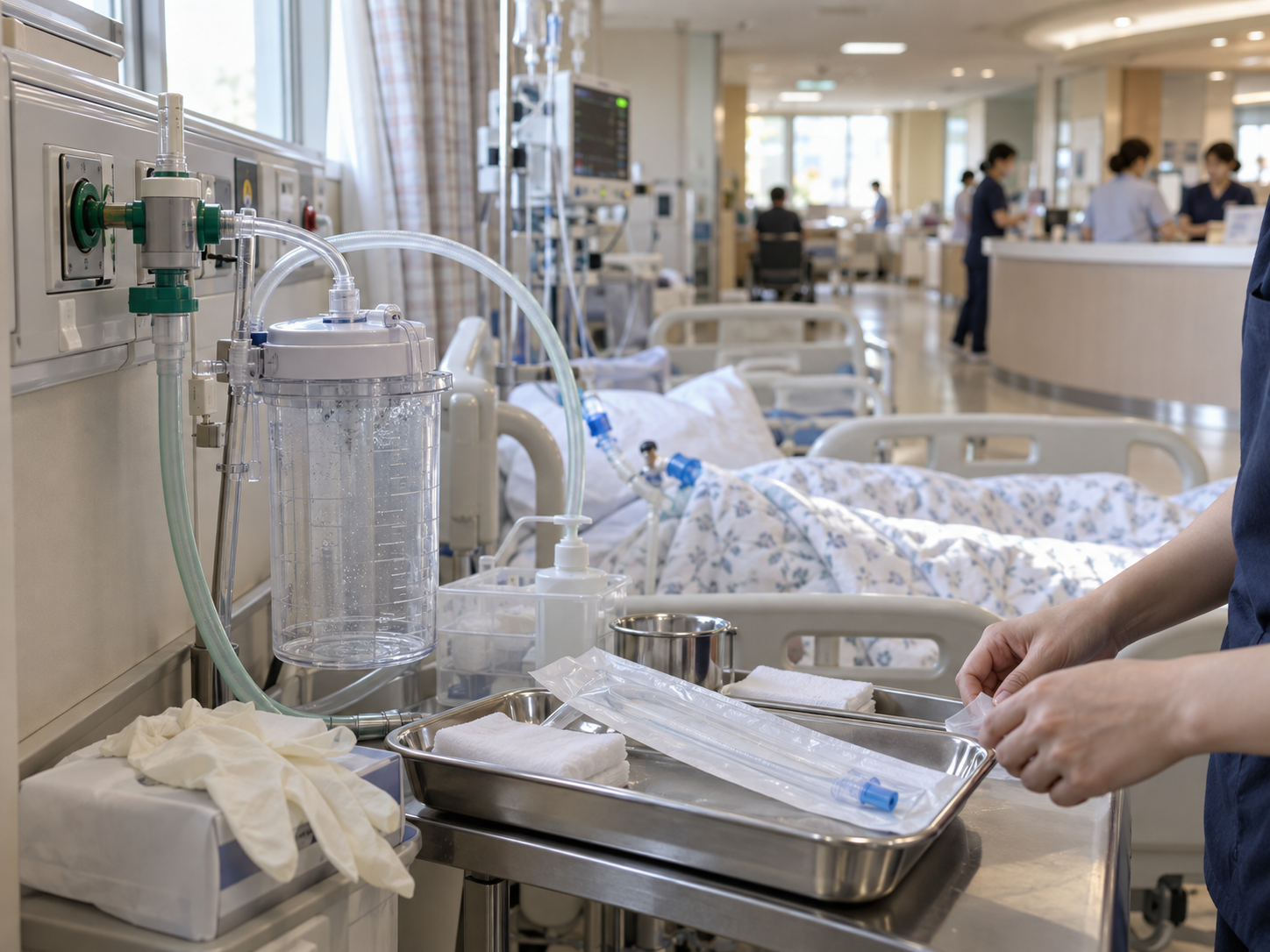
Following the ruling, a sentiment is forming in wards that caregivers now have stronger legal and practical grounds to refuse suctioning. If the scope of duties differs between caregivers who perform suctioning and those who do not, the possibility of caregiving fee increases conditional on performing suctioning also rises.
From a family's perspective, simply asking "Is suctioning possible?" when hiring a caregiver is insufficient. Before admission, you must examine whether the caregiver has experience caring for patients who have undergone a tracheostomy, how the hospital assigns suctioning duties, and who responds immediately in the event of any abnormal symptoms to determine the boundaries of costs and liability.
Hospitals, too, are not merely deciding whether or not to admit a patient. They must collectively manage the patient's condition, suction frequency, night response, nursing staffing, and caregiver training; furthermore, the practice of assigning tasks to caregivers only verbally can complicate liability in the event of an accident.
We must establish a domestic accountability structure before following the Japanese example.
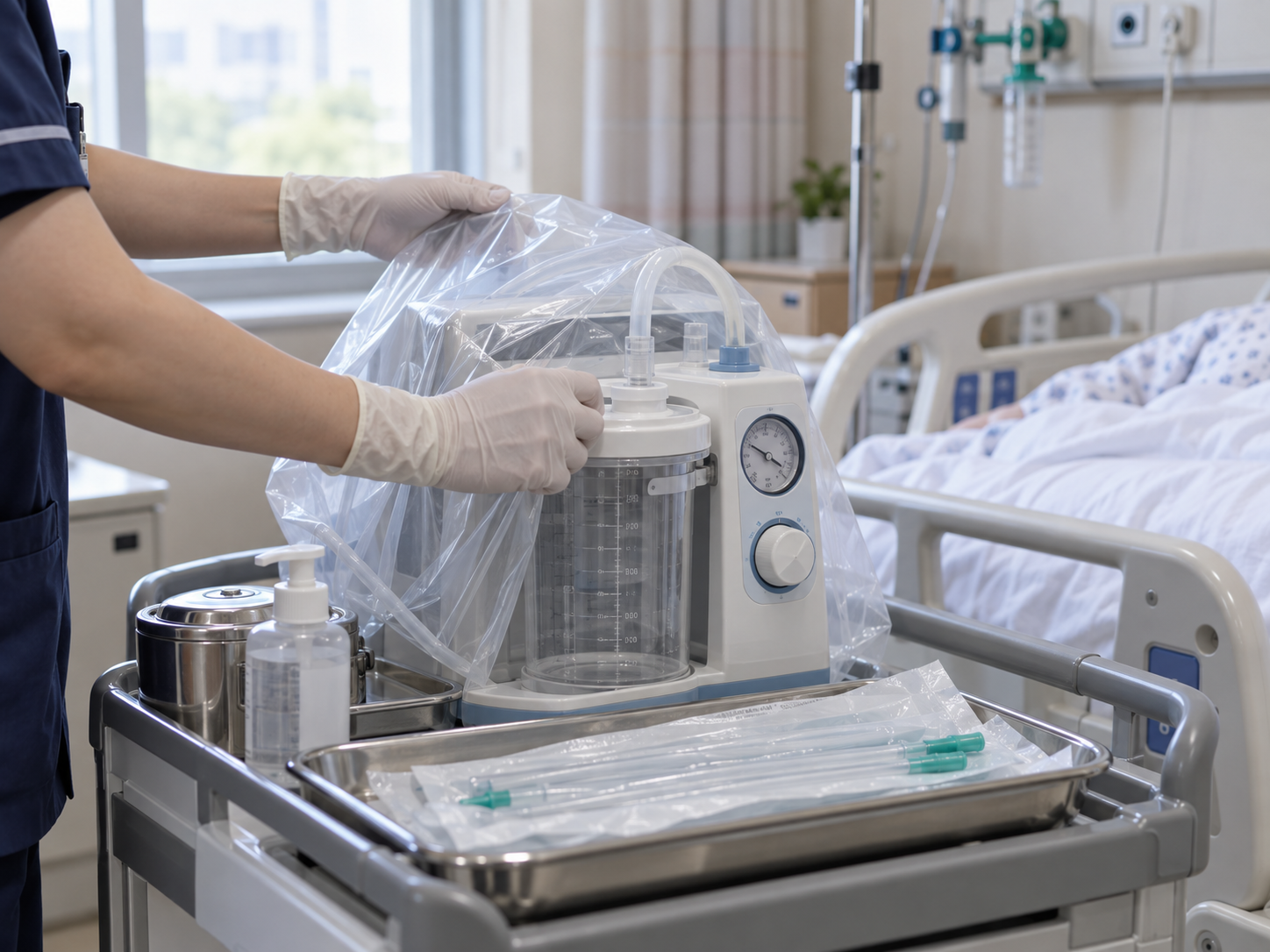
In Japan, a care system has been introduced in which care personnel who have received specific training perform suctioning. Cases are also mentioned where care personnel who have completed medical care courses provide enteral nutrition using a tube already inserted by a doctor.
However, Japan's care staffing system cannot be transferred to Korean wards as is. The curriculum, qualification recognition, physician instructions, the scope of eligible patients, and record-keeping and supervision conditions must be integrated into a single system; to establish the same framework in Korea, healthcare laws and on-site operational standards must be revised together.
In 2016, the Central Administrative Appeals Commission also ruled that suctioning performed by a nursing assistant at a long-term care facility for the elderly constituted an unlicensed medical act exceeding their scope of practice. As legal liability does not disappear merely due to long-standing on-site practices, what is needed now is not a method that shifts the risk onto individual caregivers. Formal personnel system including education, qualification, supervision, and emergency responseno see.
The solution to the suctioning problem in nursing hospitals does not end with a binary choice of "caregivers or nurses." While prioritizing patient safety, a design must be made that incorporates staffing and costs manageable by each ward, and until such standards are established, suctioning should not be distributed like general daily living support tasks.