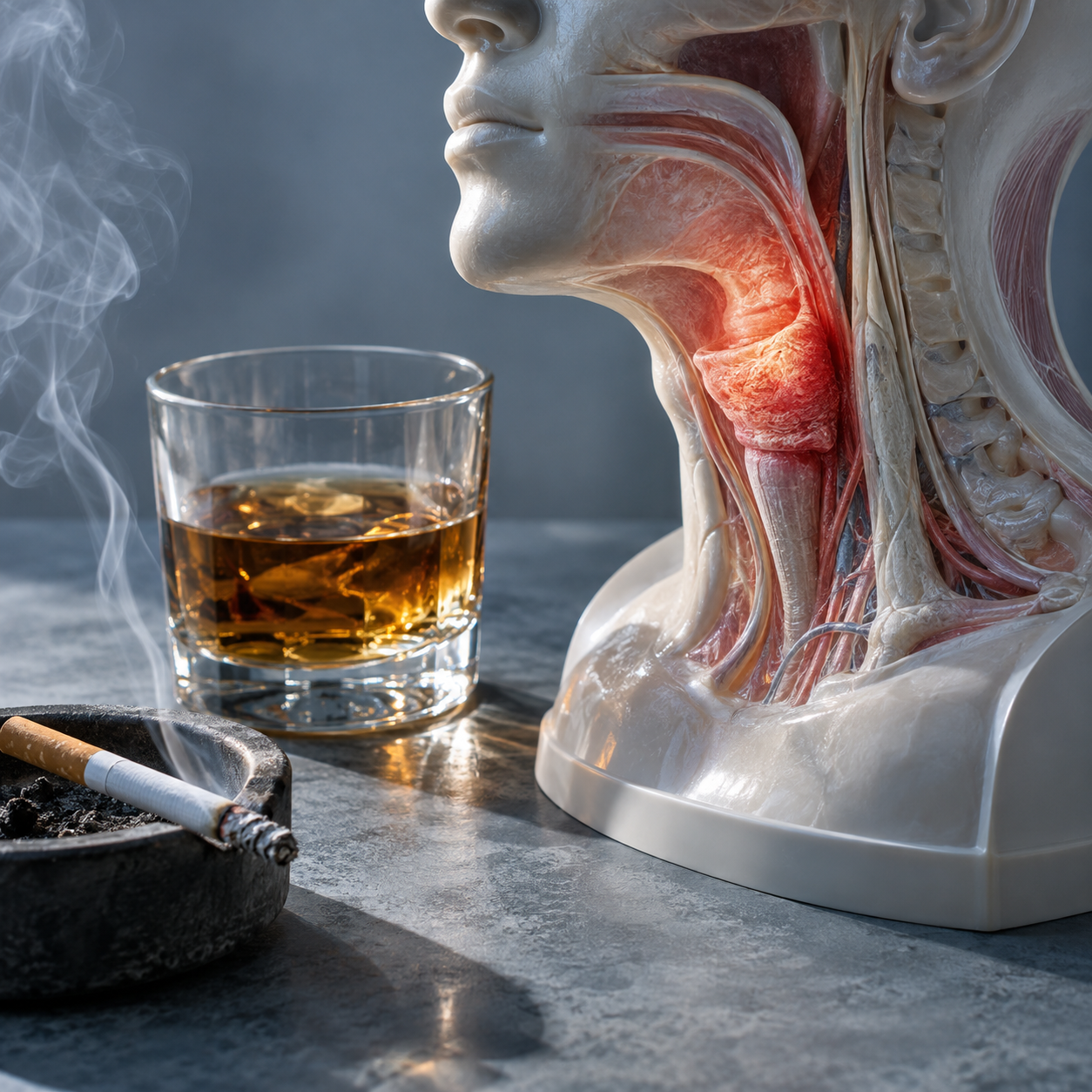
Smoking alone increases the risk of oral cancer by about six times compared to non-smokers, and if combined with drinking, the risk can rise to 15 to 20 times. Since drinking and smoking affect not only the risk of developing head and neck cancer but also its recurrence after treatment, it is not a problem that can be dismissed with the thought, "I've been treated for cancer, so everything is fine now.".
Head and neck cancer occurs in areas involved in breathing, eating, and speaking, such as the nose, mouth, tongue, oral cavity, pharynx, and larynx. In this article, I will explain, in order, why drinking and smoking increase the risk, what symptoms you should not miss, and what to look for in treatment and prevention of recurrence.

Why the risk increases when drinking and smoking are combined

The key is repeated damage to the mucous membranes. Carcinogens contained in cigarettes irritate the mucous membranes of the mouth, pharynx, and larynx, and can cause DNA mutations in cells and chronic inflammation.
Alcohol is not a safe stimulant either. Metabolites produced when alcohol is broken down in the body irritate mucous membranes and cause inflammation, and when drinking is added to tissues damaged by smoking, a carcinogenic environment is created.
Smokers have about six times the risk of oral cancer The risk of developing oral cancer is high, and if alcohol consumption and smoking are combined, the risk increases by up to 15 to 20 times. Among head and neck cancers, oral cancer is the most common in Korea, followed by laryngeal and pharyngeal cancers.
Alcohol consumption and smoking are risk factors for head and neck cancer, as well as lifestyle factors that increase the risk of recurrence after treatment.
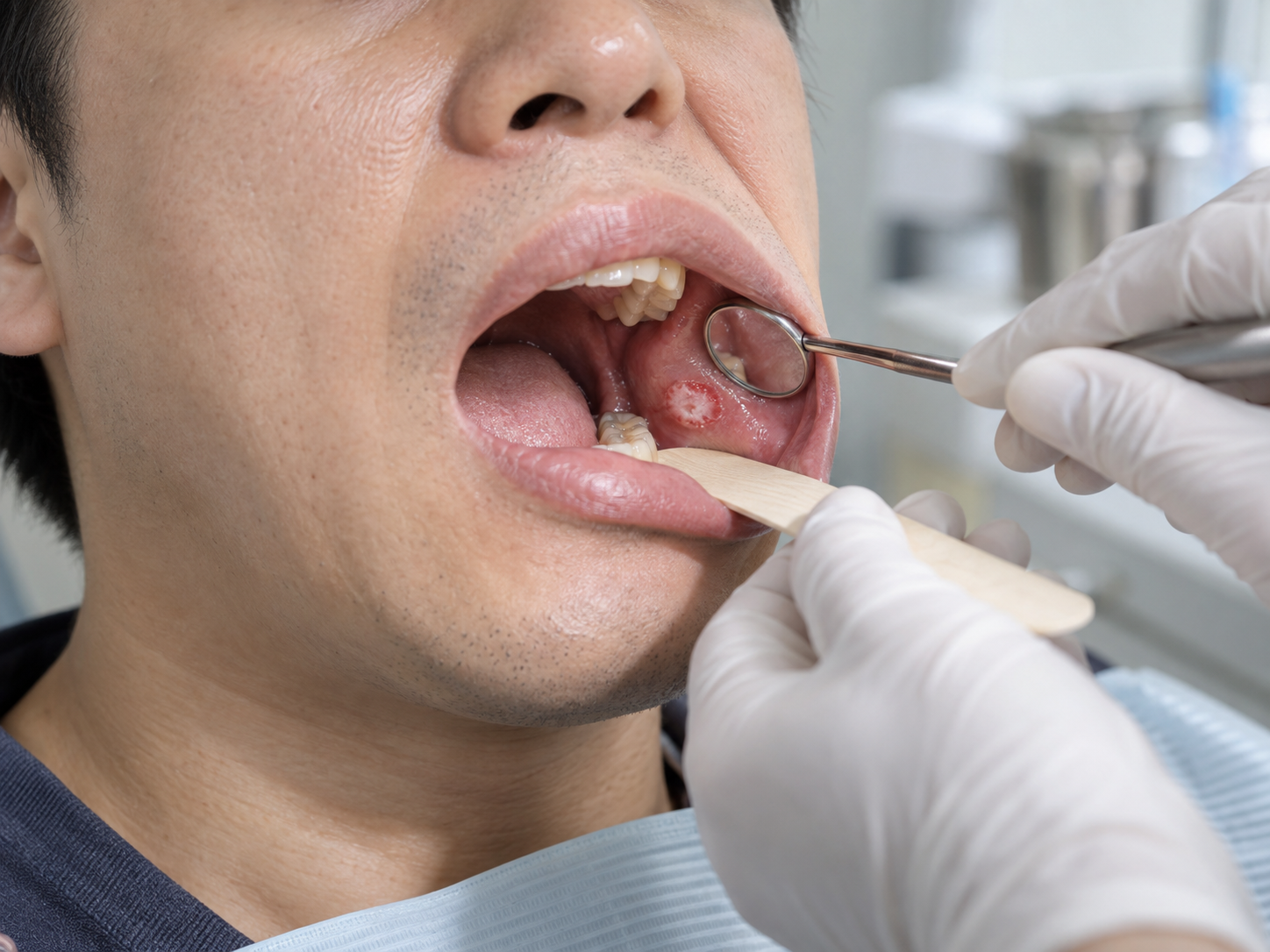
Head and neck cancer varies depending on the location where symptoms occur.
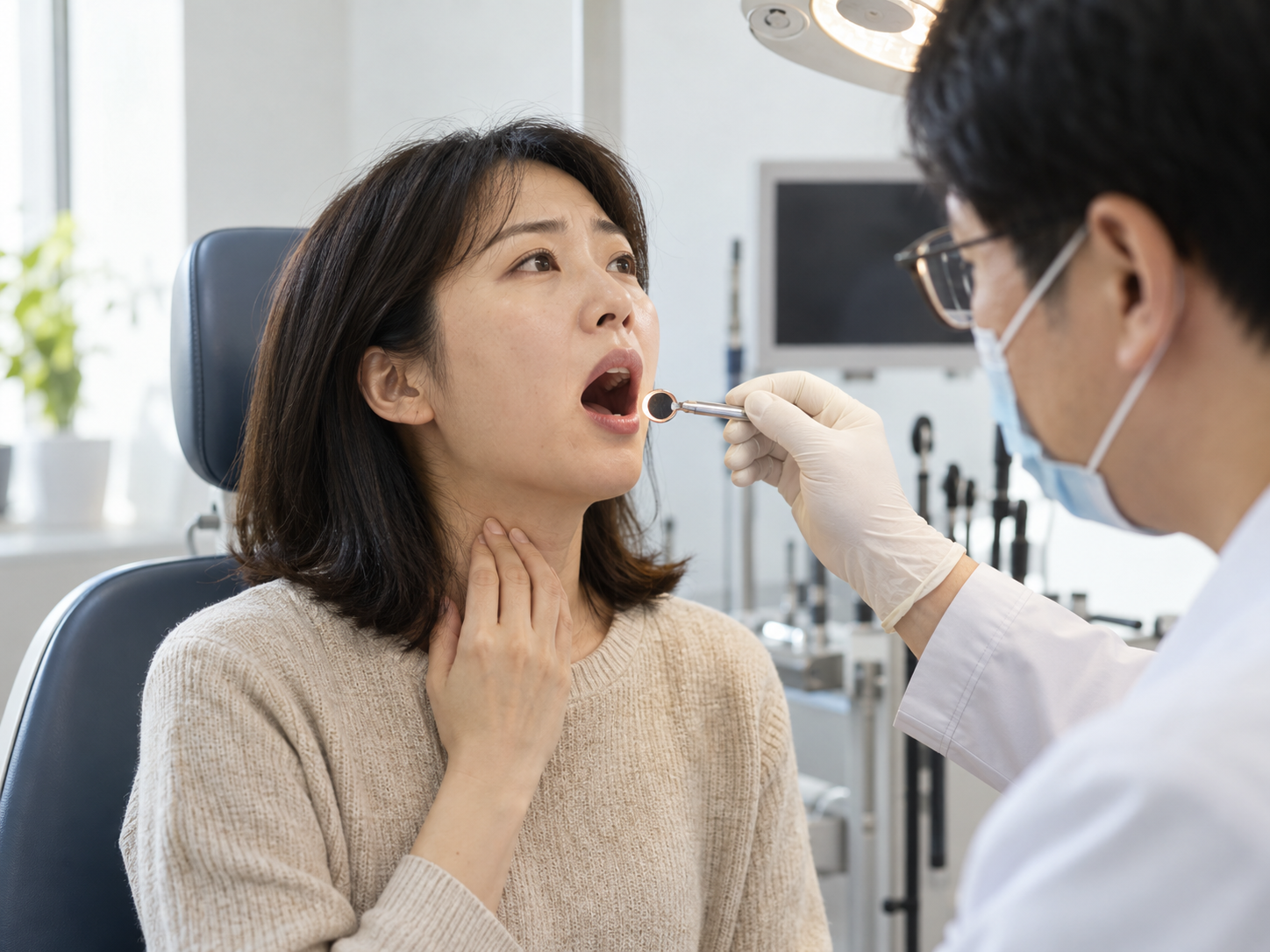
Head and neck cancer does not manifest with a single symptom. If a lesion develops around the nose, nosebleeds or persistent nasal congestion may occur without specific irritation, and as the lesion grows, a sensation of pressure around the eyes may accompany it.
In the mouth, palpable lumps, wounds that do not heal well, bleeding, and pain may occur. Typical signs include a foreign body sensation around the tonsils for oropharyngeal cancer, pain when swallowing food for hypopharyngeal cancer, and changes in voice for laryngeal cancer around the vocal cords.
| site of occurrence | Symptoms to check |
|---|---|
| around the nose | Recurring nosebleeds and nasal congestion without a cause |
| Oral cavity and tongue | Lumps in the mouth, bleeding, pain, non-healing ulcers |
| oropharynx | foreign body sensation around the tonsils |
| Haindu | Pain felt when swallowing food |
| Larynx and vocal cords | Persistent hoarseness and voice changes |
If inflammation or ulcers in the mouth do not heal for more than 2 to 3 weeks, or if a lump continues to grow, You should not delay seeking medical attention. If hoarseness persists without a specific reason, you need to examine the condition of your vocal cords and larynx.

Why You Must Stop Drinking and Smoking Even After Treatment

The fact that treatment for head and neck cancer has ended does not eliminate the influence of risk factors. Alcohol consumption and smoking are cited as major factors that increase the risk of recurrence after treatment and can cause further damage and inflammation.
The risk of recurrence increases if cancer cells are identified at the margins of the resected tissue or if extracapsular lymph node invasion occurs. Furthermore, if smoking and drinking resume after treatment, managing the condition to prevent recurrence becomes more difficult.
Recurrent cancer can be more complex to remove and reconstruct than the initially discovered cancer. If the scope of re-operation expands, it places a greater burden on speech, breathing, and swallowing functions, and the likelihood of post-treatment complications also increases.
Abstaining from alcohol and smoking after treatment is not an additional lifestyle habit, but part of the treatment process that reduces the risk of recurrence.This is how it should be viewed. In particular, if you have previously combined drinking and smoking, it is important not to revert to the same habits even after treatment.
Avoiding surgery does not mean that function is better preserved.
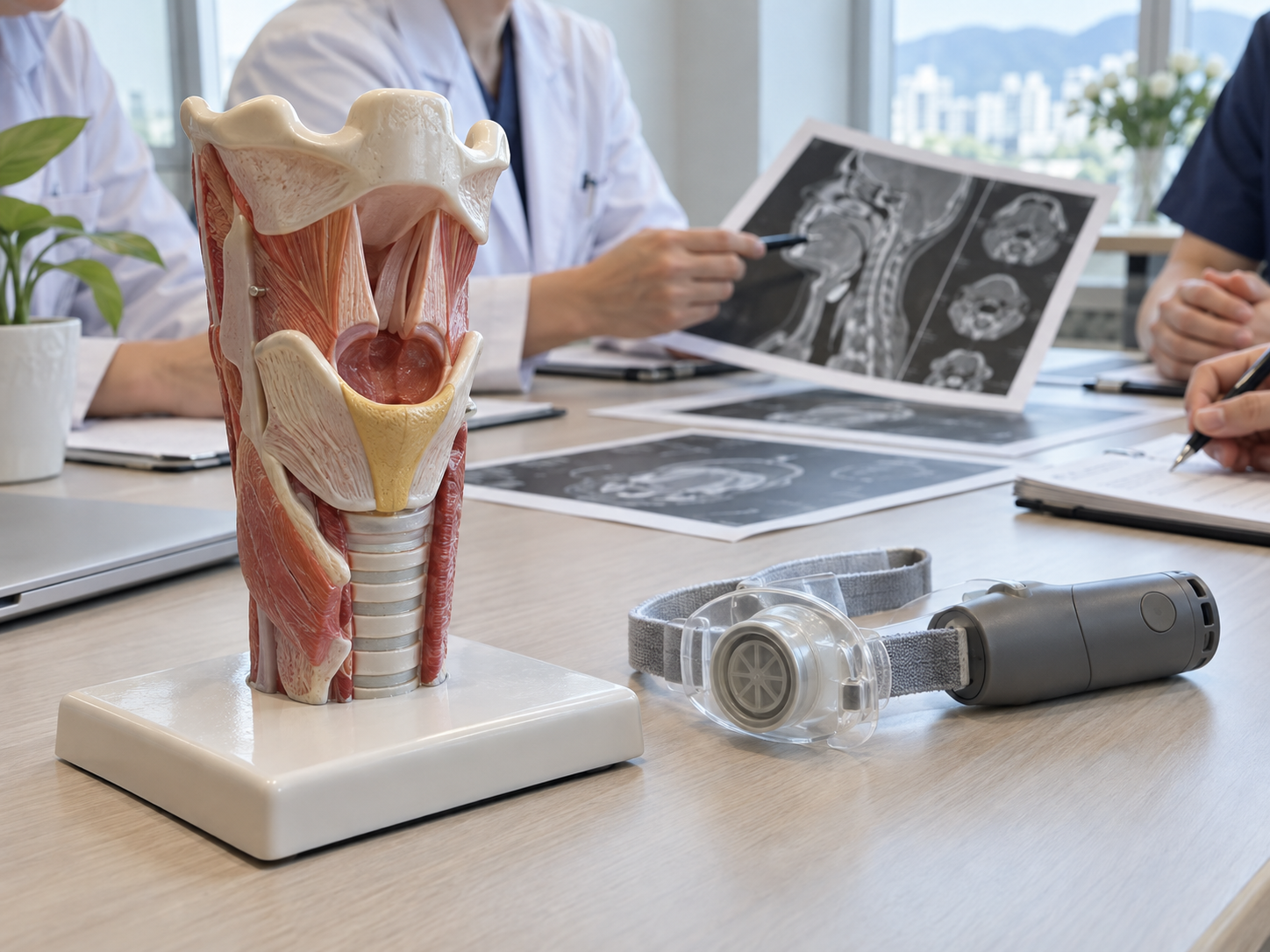
The treatment method is determined by considering the stage and size of the cancer, the presence of metastasis, and the patient's overall condition. When deciding whether to perform surgery, important criteria include not only whether the cancer can be removed but also the extent to which eating, breathing, and speech are maintained after the operation.
While chemotherapy and radiation therapy may appear to be methods that preserve organs, this does not mean that actual function is preserved. In cases where the cancer is advanced or tissue fibrosis is severe, swallowing and breathing functions may actually worsen after non-surgical treatment.
Even if you undergo surgery to remove the larynx, you can partially recover speaking and eating functions by utilizing an artificial larynx. Conversely, even if the larynx is preserved, if its function is not sufficiently maintained, daily inconvenience can increase; therefore, rather than simply preserving the organ... Preservation of actual functionYou must make a judgment based on this.
The head and neck region is densely populated with blood vessels and nerves, as well as structures necessary for breathing and vocalization. Therefore, multidisciplinary care is utilized, in which not only otolaryngology but also hematology-oncology, radiation oncology, radiology, pathology, and nuclear medicine collaborate to discuss treatment strategies.
The lower the stage of the disease, the greater the significance of early diagnosis.
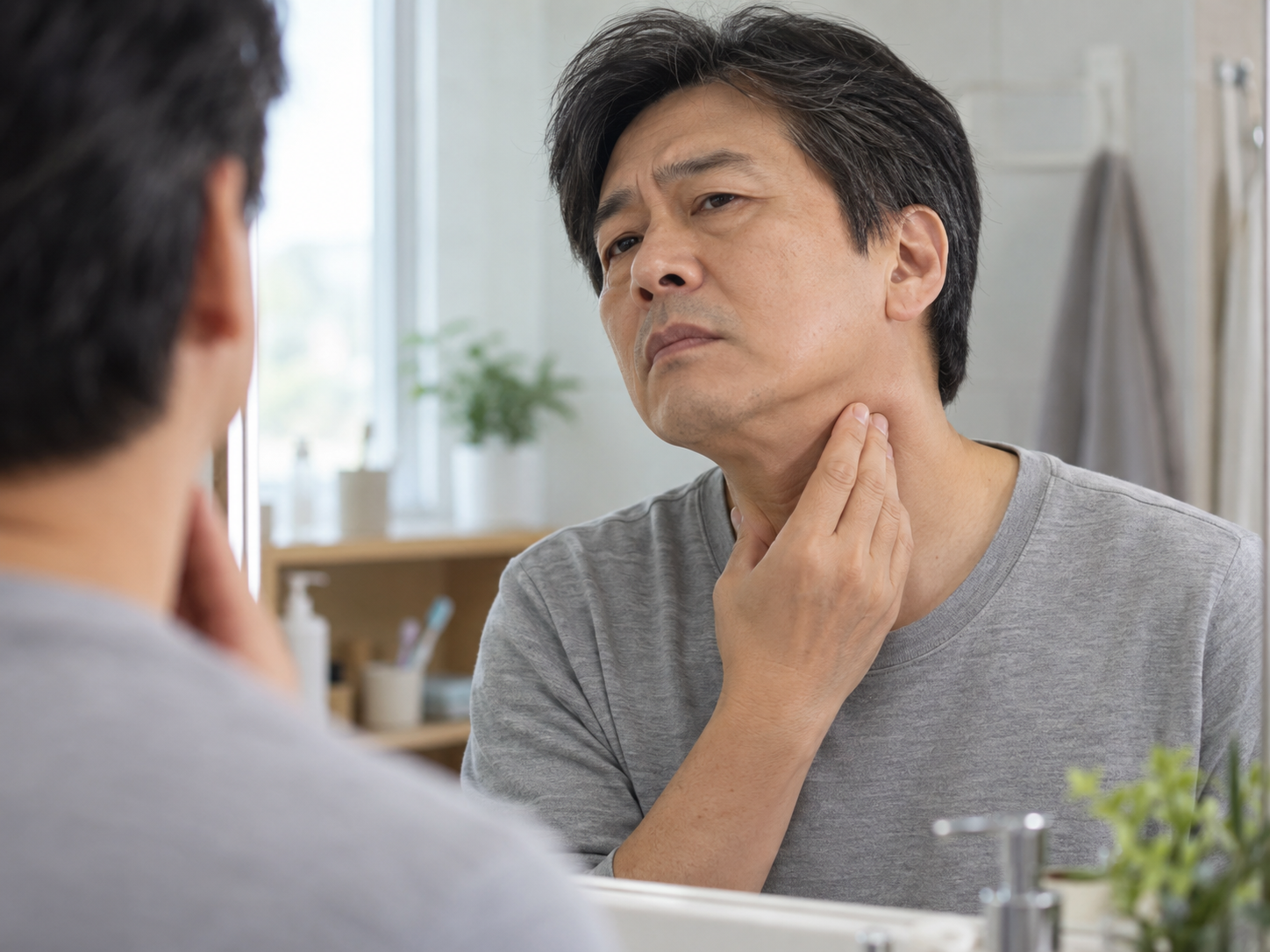
The prognosis of head and neck cancer varies depending on the location and stage of occurrence. According to figures presented in the original text, the cure rate for stage 1–2 head and neck cancer is 80–901 TP3T, and the survival rate for stage 3–4 cancer is approximately 50–601 TP3T.
Hypopharyngeal and tongue cancers are known to have relatively high recurrence rates and poor prognoses. Therefore, if persistent sores or lumps in the mouth, pain when swallowing, or voice changes are dismissed as simple inflammation or fatigue, diagnosis may be delayed.
Recently, it has been noted that the incidence of oropharyngeal cancer, a type of pharyngeal cancer, is on the rise due to the influence of human papillomavirus (HPV) infection. However, since this is not a cancer with a single determined cause, the location and duration of symptoms, as well as test results, must be examined together.
Treatment for head and neck cancer does not end with eliminating the tumor. The key is to preserve the functions of eating, breathing, speaking, and maintaining a social life.
Treatment of the face and neck affects changes in appearance and mental health. Reconstructive surgery is evolving beyond merely restoring the shape of the skin and jawbone to recovering functions such as breathing and swallowing, and research on jawbone reconstruction using 3D printing, immunotherapy, and tissue regeneration is also ongoing.
Going beyond simply reducing alcohol consumption and smoking to stopping them, seeking medical attention when abnormal symptoms persist, and continuing regular follow-up care after treatment are fundamental to lowering the risk of head and neck cancer occurrence and recurrence. The earlier it is detected, the greater the potential to design a treatment plan that combines cancer treatment with function preservation.