
The reason the yen weakened despite the Bank of Japan raising the base interest rate is that expectations for further hikes and caution regarding foreign exchange market intervention were reflected more quickly than the rate hike itself. Immediately after the rate hike, the dollar-yen exchange rate actually rose, but then fell sharply after news of the rate check was reported.
This movement is difficult to explain solely by the formula that "the yen strengthens when interest rates rise." Policy signals from the Bank of Japan, opposition from policy committee members, concerns over the unwinding of the yen carry trade, and caution regarding market intervention ahead of Silver Week all influenced the exchange rate at once.
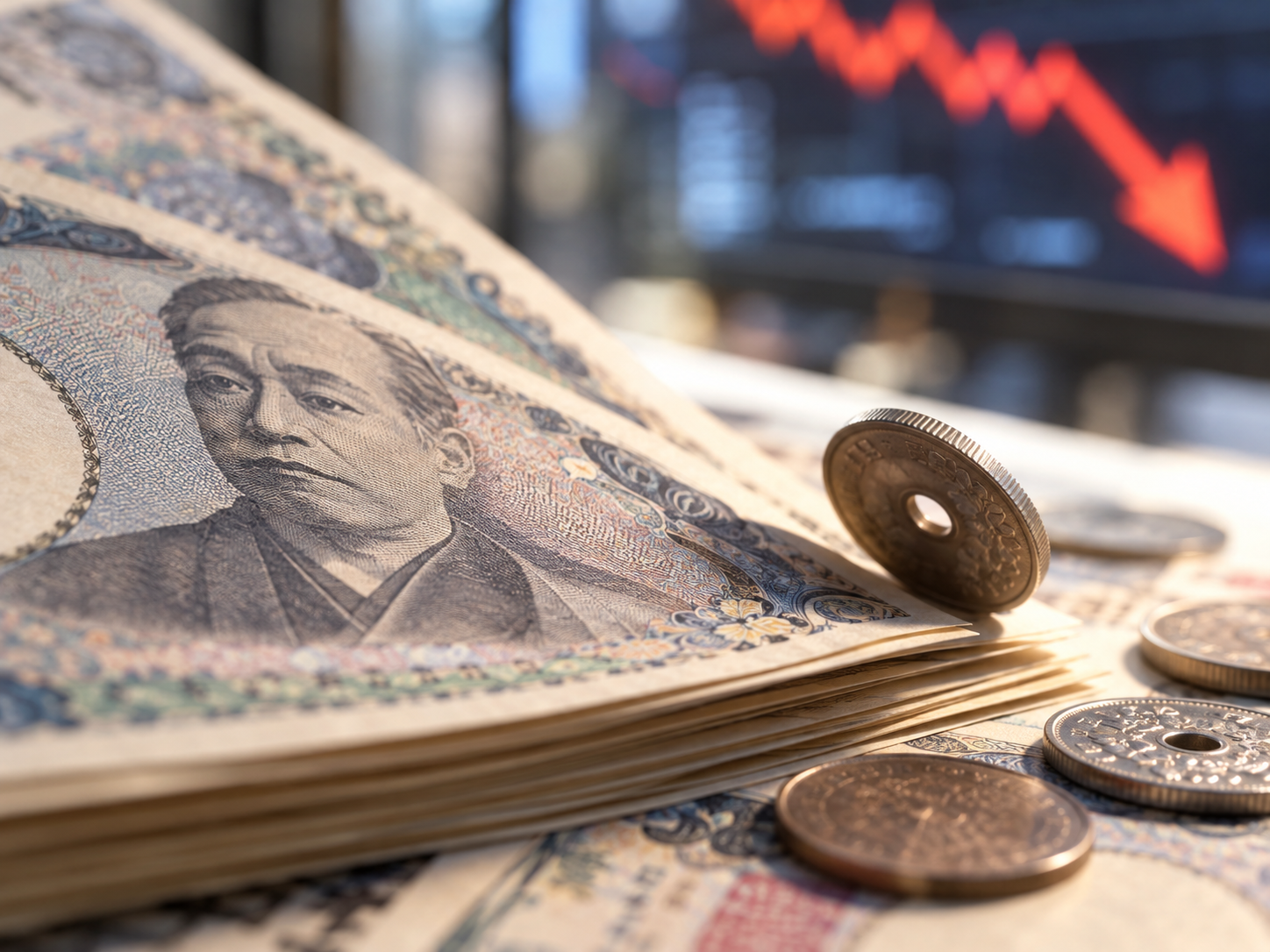
The reason the yen weakened immediately after the interest rate hike
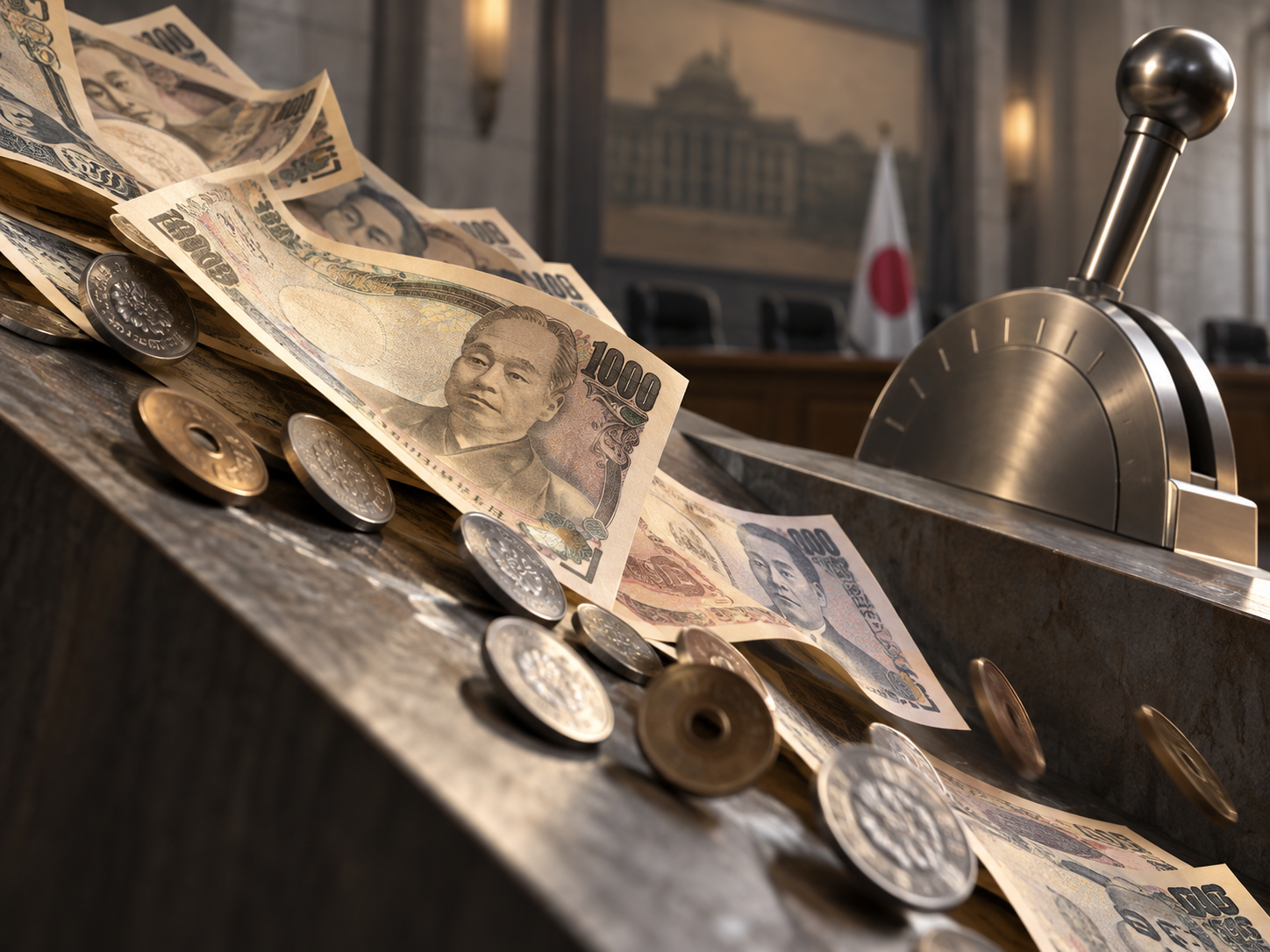
The Bank of Japan's base interest rate Increase from around 1% to around 1.25%Generally, while buying pressure on the yen may strengthen as returns on Japanese assets rise, the foreign exchange market placed more importance on the future pace of interest rate hikes than on the outcome of such hikes.
News that two policy committee members opposed an interest rate hike was interpreted as a signal that further hikes might not follow quickly. As this outlook spread, analysis emerged that buying pressure on the yen weakened despite the rate hike, while selling pressure on the yen actually intensified.
The actual exchange rate rose from the 156 yen range to the 158 yen range per dollar, based on Japan time. Since a rise in the dollar-yen exchange rate means that more yen is needed to buy one dollar, the value of the yen has effectively fallen in this range.

The exchange rate went down again from the 156 yen range to the 158 yen range.

A notable aspect of this case is that the direction of the exchange rate did not end immediately following the interest rate decision. First, the dollar-yen exchange rate rose from the 156 yen range to the 158 yen range, indicating a weakening of the yen, and subsequently, as the value of the yen rebounded sharply, the exchange rate fell by more than 1 yen.
Therefore, the statement “the yen weakened despite the interest rate hike” describes the earlier part of the exchange rate trend, while the statement “the yen rebounded sharply” refers to the later part. Even on the same day, the direction changed as the key factor the market focused on shifted from interest rates to the possibility of a response from the foreign exchange authorities.
While interest rate hikes were a factor for the yen's strength, disappointment over the pace of further increases and caution regarding intervention pushed the exchange rate in different directions.

How does a rate check differ from market intervention?

Rate checkThis refers to the act of foreign exchange authorities inquiring with major banks and others regarding transaction status and exchange rate movements. It is a process in which authorities identify what transactions are taking place in the market and is sometimes interpreted as a step in preparing for foreign exchange market intervention.
However, a rate check does not immediately imply actual intervention. It is not that there has been an announcement that the Japanese government or the Bank of Japan actually bought yen and sold dollars, but rather that reports and observations regarding a rate check have been conveyed to the market.
Market participants will find it difficult to overlook this signal. As it can be interpreted as authorities being wary of specific exchange rate levels or sudden movements, investors selling the yen may reduce or reverse their positions.
The reason the signal was more sensitive before Silver Week

| panel | Dollar-Yen exchange rate movements | Market Interpretation |
|---|---|---|
| Immediately after the interest rate hike | Rise from the 156 yen range to the 158 yen range | Outlook of delayed additional interest rate hikes and yen selling |
| Following the Late Check report | Falling by more than 1 yen | Caution advised against intervention involving buying yen and selling dollars. |
| After the rebound | Back to the 156 yen range. | Continued vigilance regarding the possibility of authorities responding to the market |
The timing of the report on the late check coincided with Japan's Silver Week. The 2026 Silver Week is a long holiday period running from September 19 to 23, during which foreign exchange market trading volume decreases and exchange rate volatility may increase in some segments.
During periods of low trading activity, exchange rates can fluctuate significantly even with relatively small orders. Under these circumstances, the prevailing view was that if selling pressure on the yen became concentrated in one direction, authorities might take market instability more seriously; consequently, the rate check just before the holidays was interpreted as a signal to curb speculative selling of the yen.
Rising Japanese government bond yields and concerns over the unwinding of yen carry trades were also cited as factors heightening market tension. While rising interest rates serve as a signal of tightening within Japan, for global investors, it could lead to capital withdrawal issues as they must buy back the yen they borrowed at low rates.
Judgment criteria to look at in this move

The figures confirmed in this exchange rate fluctuation are an increase in the base interest rate from around 11 TP3T to around 1.251 TP3T, a rise in the dollar-yen exchange rate from the 156 yen range to the 158 yen range, and a subsequent decline back to the 156 yen range. The sequence of the interest rate decision and the exchange rate movement was clearly evident.
On the other hand, the specific purpose of a rate check and whether actual intervention in the foreign exchange market takes place are not established facts in the same way. A rate check is an act of gauging market trends and can be interpreted as a signal of readiness for intervention; the recent rebound in the yen reflects the response of investors who are conscious of this possibility.
When looking at future Yen trends, do not look solely at whether interest rates will be raised. We must closely monitor the pace of further hikes, the interest rate differential between Japan and the U.S., the direction of the dollar-yen exchange rate, and the authorities' vigilance regarding rate checks and intervention. There were too many market variables to conclude that the yen's strength would continue based solely on the fact that interest rates have risen.