
Samsung Electronics announced record-breaking semiconductor earnings for the third quarter of 2026. News emerged that High Bandwidth Memory (HBM) revenue more than tripled compared to the previous quarter, and that the company had signed long-term supply contracts with 10 major clients. In this article, we will summarize the structure behind these results and the changes they foreshadow for the entire memory industry.
While the numbers alone may suggest a boom, fortunes varied significantly across business divisions within the same company. Some divisions posted record-high returns, while others recorded losses for two consecutive quarters. Understanding this contrast is essential to seeing the true picture of these earnings results.
What the Semiconductor Sector's Operating Profit Margin of 72% Means
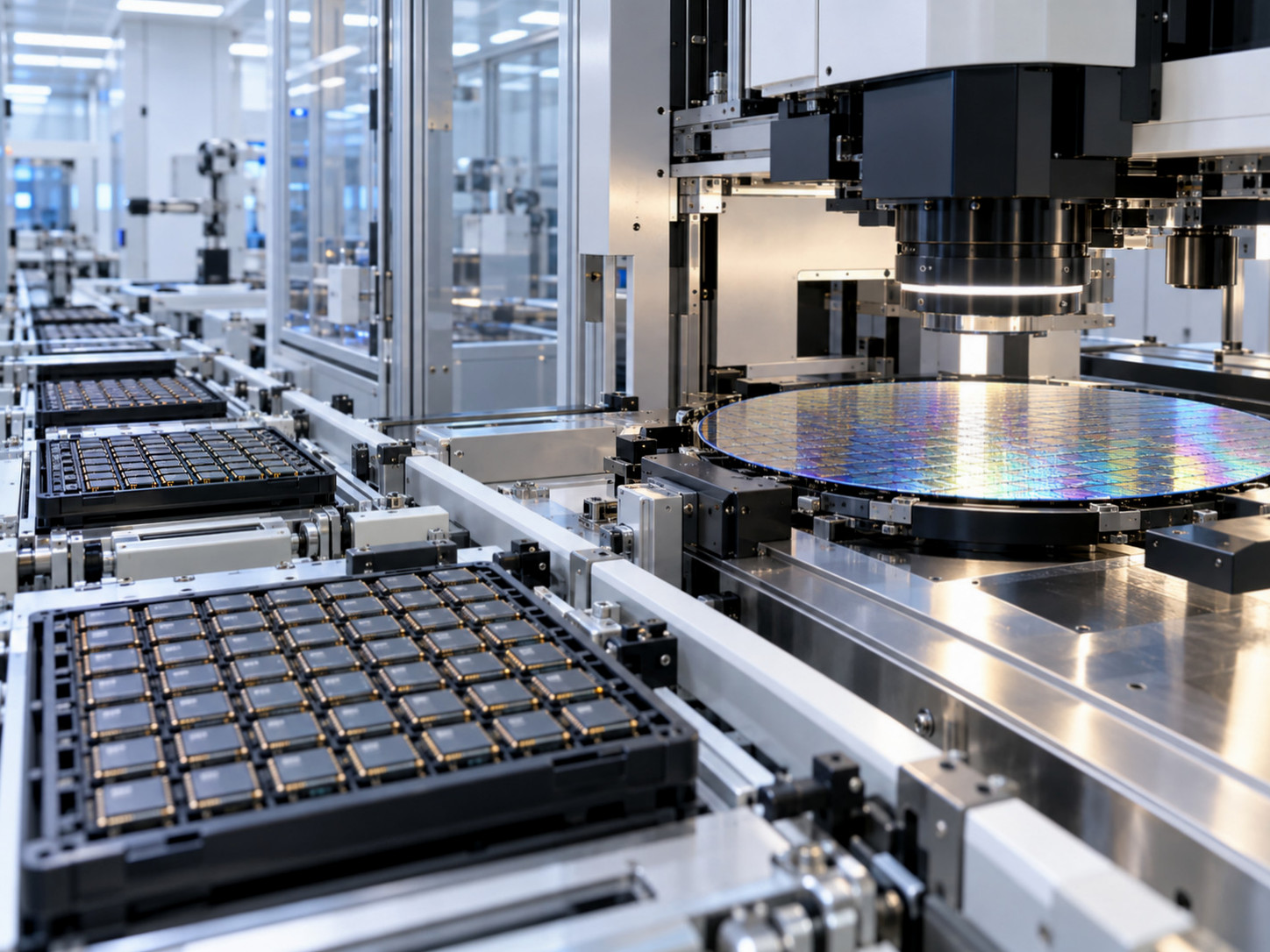
Samsung Electronics' Semiconductor (DS) division recorded sales of 147.1 trillion won and an operating profit of 106.5 trillion won this quarter. Converted into an operating profit margin of 721 TP3T, this means that the profit-to-sales ratio is this high, indicating that the increase in selling prices was much greater than the rise in costs.
For example, it is easy to understand if you consider the perspective of a data center operator purchasing server memory in bulk. As investment in AI servers increased and the demand for high-performance memory outpaced supply, Samsung Electronics, the supplier, gained an advantageous position in price negotiations. The result is reflected in this quarter's profitability figures.
Background of HBM sales tripling compared to the previous quarter
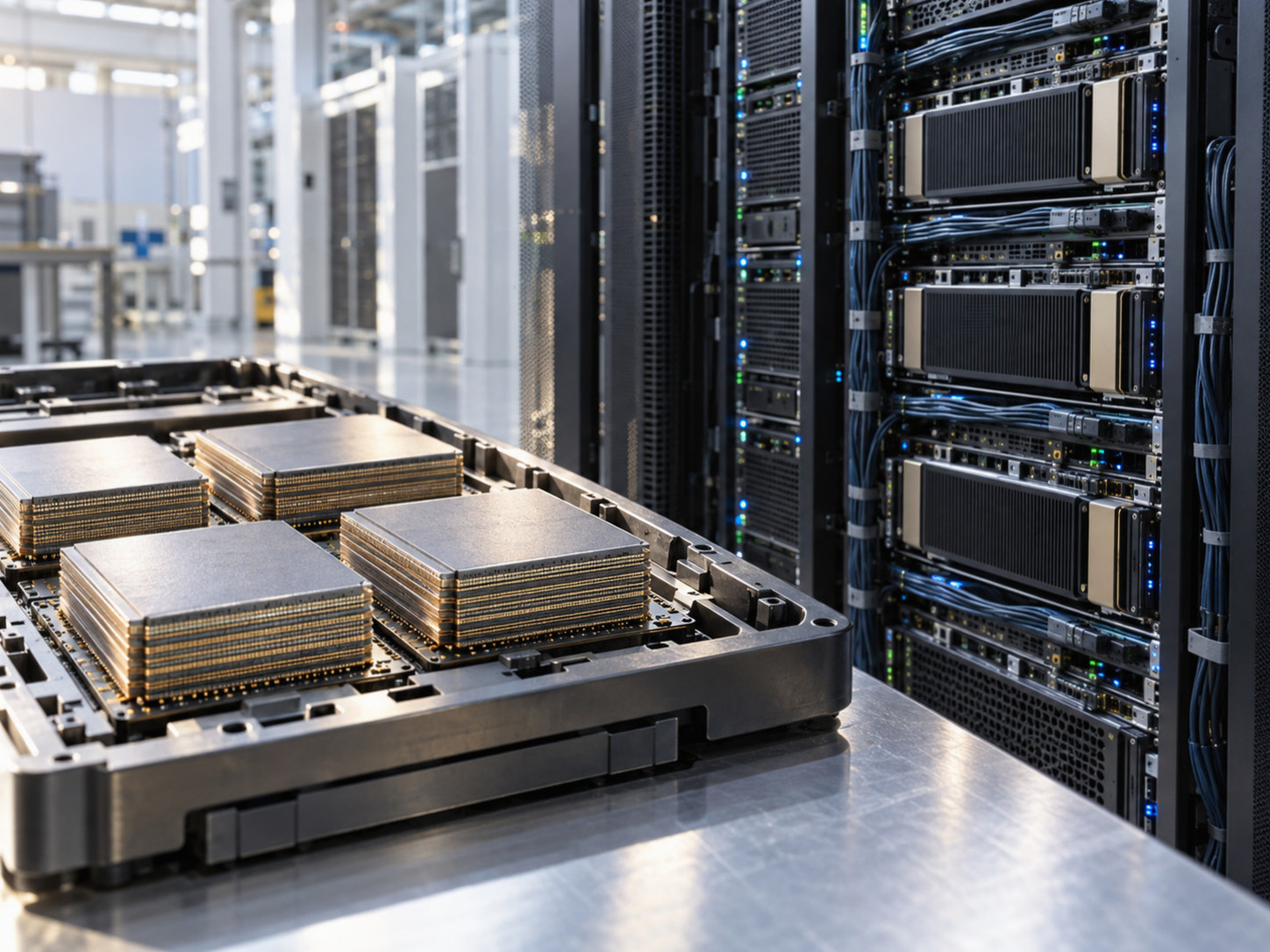
The most notable aspect of this earnings announcement is that sales of HBM4 (6th generation HBM) increased by more than three times compared to the previous quarter. Samsung Electronics‘ Memory Business Division directly mentioned this figure during the conference call and assessed that it had already achieved its goal for the second half of the year—to raise HBM market share to the level of total DRAM market share—in the third quarter.
Behind this surge lies the expanding demand for AI semiconductors. Since HBM, which is integrated with high-performance GPUs, requires a large quantity per AI server, customer server expansion plans directly lead to an increase in HBM orders. However, it is important to distinguish that this figure represents an increase compared to the previous quarter, not the same period last year.
External assessments have also emerged regarding HBM market share. A U.S. investment bank reportedly mentioned the possibility that Samsung Electronics' third-quarter HBM sales surpassed those of its competitors, based on export statistics. However, it should be kept in mind that this is a mix of the company's internal assessment and external estimates, and therefore, quarterly market share figures from official aggregation agencies have not yet been separately confirmed.
Why are long-term supply contracts with 10 major clients spreading now?

Samsung Electronics announced that it has already signed Long-Term Agreements (LTAs) with 10 major customers this quarter and is currently negotiating with an additional 10. It is important to note that these two figures should not be combined to mean "contracts completed with 20 companies." There is a clear distinction between those with finalized agreements and those currently in negotiations.
The reason long-term supply contracts are becoming widespread is that the trading methods of the memory industry are changing. In the past, it was common practice to trade in the spot market by determining prices on a case-by-case basis. However, as it is known that 60 to 701 TP3T of server DDR5 volume is already being secured through long-term contracts, both suppliers and buyers are moving toward prioritizing securing stable volumes to reduce the risk of price fluctuations.
Competitor SK Hynix also announced around the same time that it had signed long-term supply contracts with 14 major customers, securing more than half of its production capacity for 2027–2028 in advance. While the specific contract terms and number of customers differ between the two companies, a common trend is observed: the entire industry is shifting its focus from spot trading to contract-based trading.
Will 2nm be a turning point for the foundry sector's recovery?
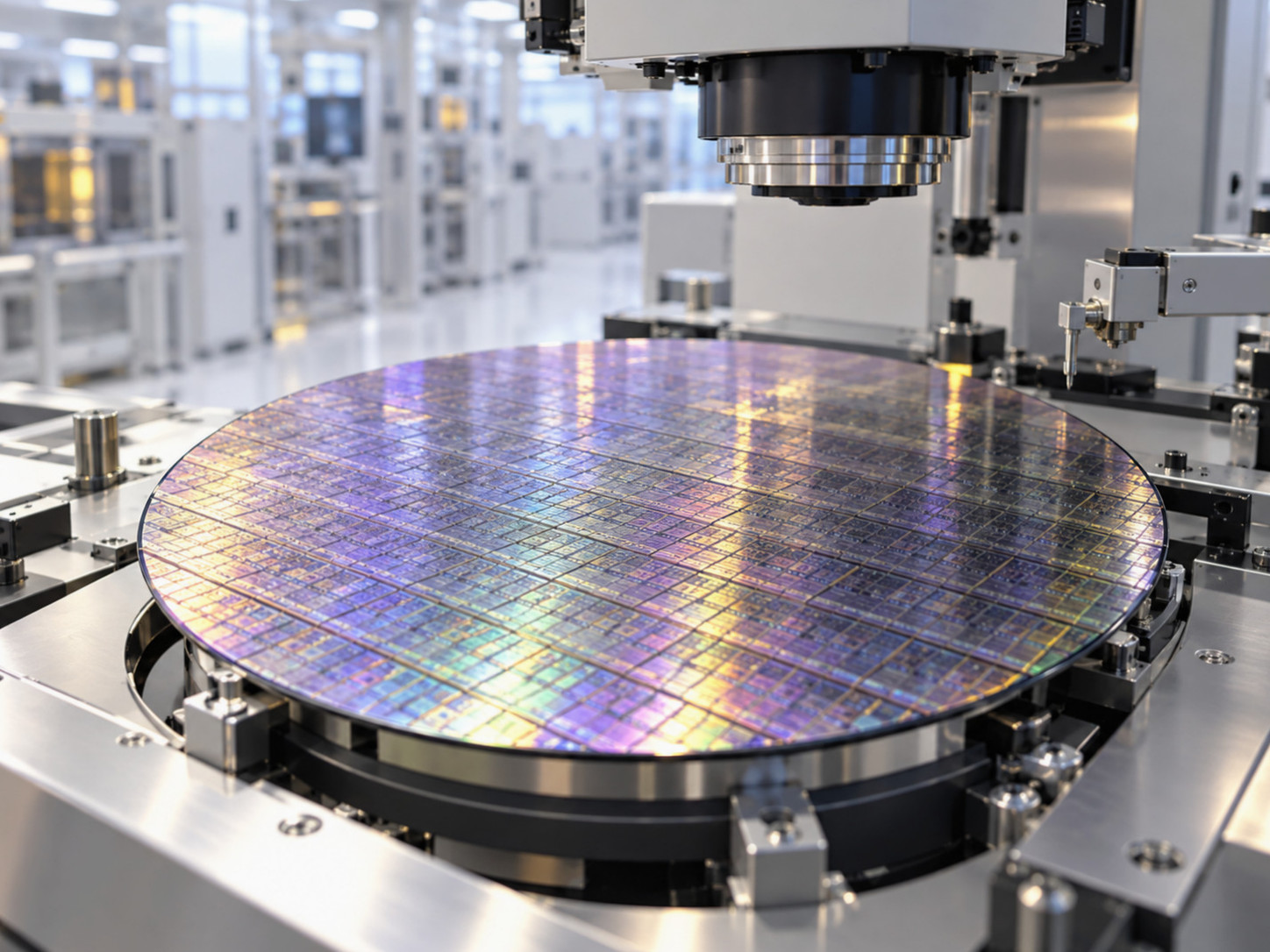
The foundry business also showed an improving trend this quarter. Performance improved as sales of base dies for HBM and advanced processes increased, and the number of orders for the 2nm process this year is expected to more than double compared to last year.
The company projected that demand across 8nm and smaller processes will exceed production capacity next year, pushing utilization rates above 1,001 TP3T. In particular, it forecasted that once mass production of new products by major clients begins in the 2nm process in the second half of next year, utilization rates for advanced processes will rise further, and the share of revenue from High Performance Computing (HPC) will surpass 501 TP3T. This effectively establishes AI-related demand as a growth engine not only in memory but also in the foundry business.
Why did the smartphone and home appliance sectors perform poorly in the opposite way?
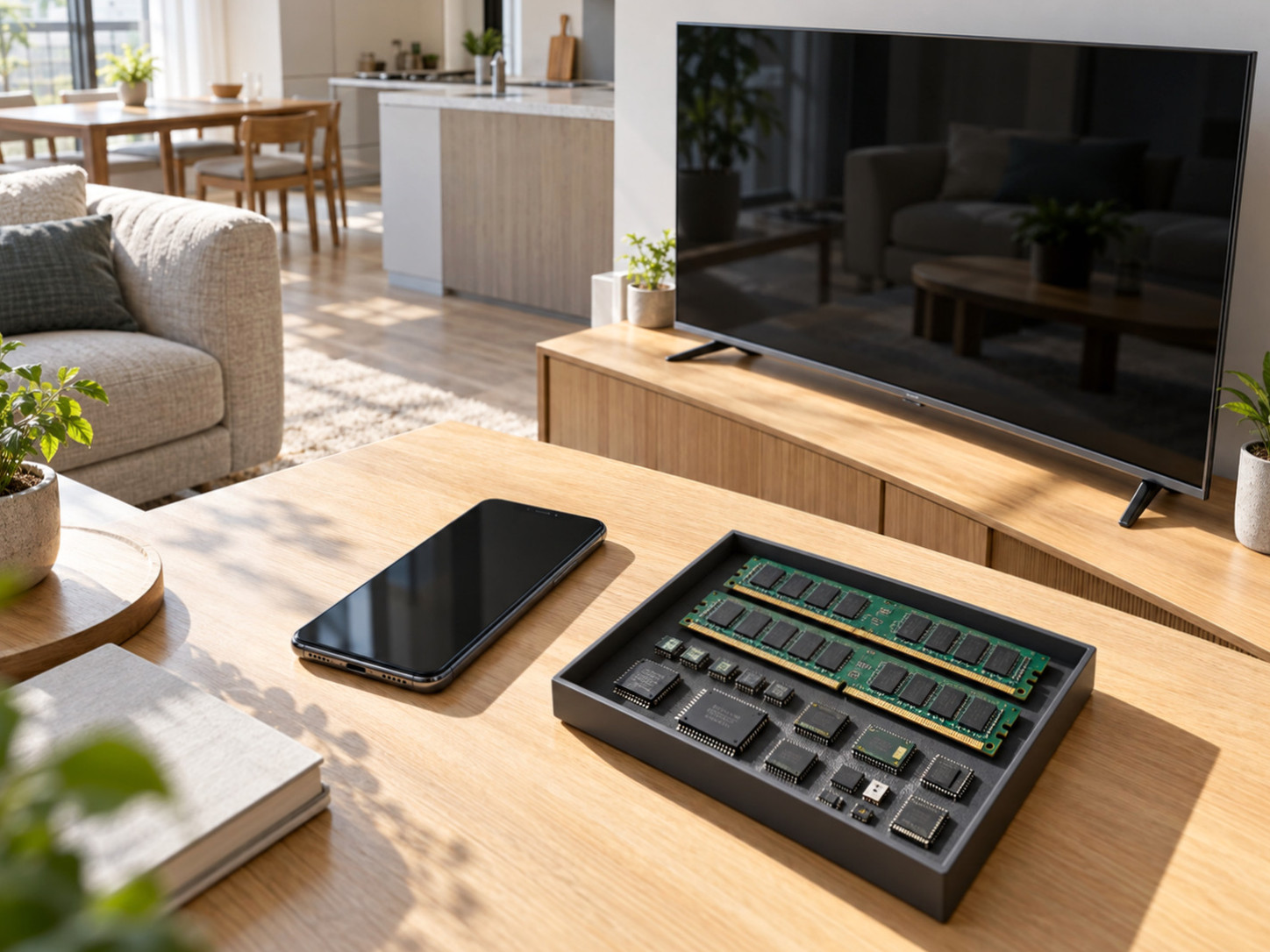
The paradoxical aspect lies in the finished products (DX) division. While rising memory prices were a boon for the semiconductor division, they acted as a cost burden for the smartphone and home appliance divisions, which use the same memory as components. This division recorded a deficit for two consecutive quarters.
The smartphone and network business recorded sales of 37.7 trillion won and an operating loss of 600 billion won. The deficit narrowed compared to the 700 billion won loss in the previous quarter, which is attributed to the partial reflection of the effects of new model launches. The TV and home appliance business recorded an operating loss of 200 billion won, which is explained by the combined impact of slowing TV demand following the end of global sporting events and rising raw material and logistics costs. On the other hand, the display business posted an operating profit of 1.1 trillion won by supplying new panel products to clients on time, while Harman, the automotive electronics and audio subsidiary, also recorded an operating profit of 600 billion won, maintaining a relatively stable trend.
Why did the stock price fall despite record-breaking earnings?
On the day of the earnings announcement, Samsung Electronics' stock price closed at 232,000 won, down 4.131 points from the previous trading day. It appears that the reason the stock price fell, despite the semiconductor division posting record-high profits, was the gap between expectations for shareholder returns and the actual announcement.
The company finalized a cash dividend of 30.03 trillion won (4,601 won per share) for the third quarter, which remained unchanged from the level announced last August. The specific method for distributing the remaining 55 to 75 trillion won in shareholder return funds will be announced separately at the end of January next year. Regarding this, a semiconductor industry expert suggested, "It must be recognized that Samsung Electronics is executing shareholder returns within the framework of the 110 trillion won fund it has already promised," adding that "current market expectations are somewhat excessive.".
The third-quarter results demonstrated a dual nature: while the AI-driven memory boom boosted the profitability of Samsung Electronics' semiconductor division, it also acted as a cost burden for the group's finished product business. Moving forward, it is necessary to closely monitor the next quarter's earnings announcement to see what changes the battle for HBM market share and the expansion of long-term supply contracts will bring to memory prices and supply structures.
Frequently Asked Questions
Q. Why did Samsung Electronics' HBM sales increase so significantly in the third quarter?
This is because demand for HBM, a high-performance memory, has surged due to increased investment in AI servers. HBM4 sales increased more than threefold compared to the previous quarter, and the company assessed that it had already achieved its market share target for the second half of the year in the third quarter.
Q. How many places have you signed Long-term Supply Agreements (LTAs) exactly?
We have already finalized agreements with 10 major clients, and negotiations are underway with an additional 10. It is inaccurate to combine these two figures to view the total as 20 completed contracts; you must distinguish between completed agreements and those currently under negotiation.
Q. The semiconductor sector is booming, so why is the smartphone business operating at a loss?
This is because while rising memory prices are good news for semiconductor sellers, they act as a cost burden for smartphone and home appliance businesses that purchase and use memory as components. As a result, the finished products (DX) division recorded a loss for two consecutive quarters.
Q. Is it a confirmed fact that Samsung Electronics has overtaken its competitors in the HBM market?
It is still too early to draw conclusions. The figures cited are based on the company's own internal assessment and estimates derived from export statistics by foreign investment banks, and have not been confirmed as quarterly market share figures from official aggregation agencies.
Q. Why did the stock price fall despite good performance?
It appears there was a gap between shareholder return expectations and the actual announcement. Analysis suggests that this quarter's dividend remained at the previously announced level, while the specific allocation plan for the remaining funds was postponed to the end of January next year, falling short of market expectations.