
The day after the 6th episode of the SBS drama 'Doctor X: Age of the White Mafia' recorded its highest viewership rating of 19.51 TP3T nationwide according to Nielsen Korea, a national petition demanding the suspension of the drama's airing was submitted to the National Assembly. This is an unusual situation where rising viewership ratings and demands for a broadcast halt are occurring simultaneously, and many people are curious about exactly which scene caused the problem and what stage the petition currently stands at. Below, we have summarized the specific details of the controversy surrounding Episode 6, the progress of the petition, and the commonalities with controversies that occurred in other works around the same time, categorized by criteria.
First, check the air date and viewership ratings for episode 6.
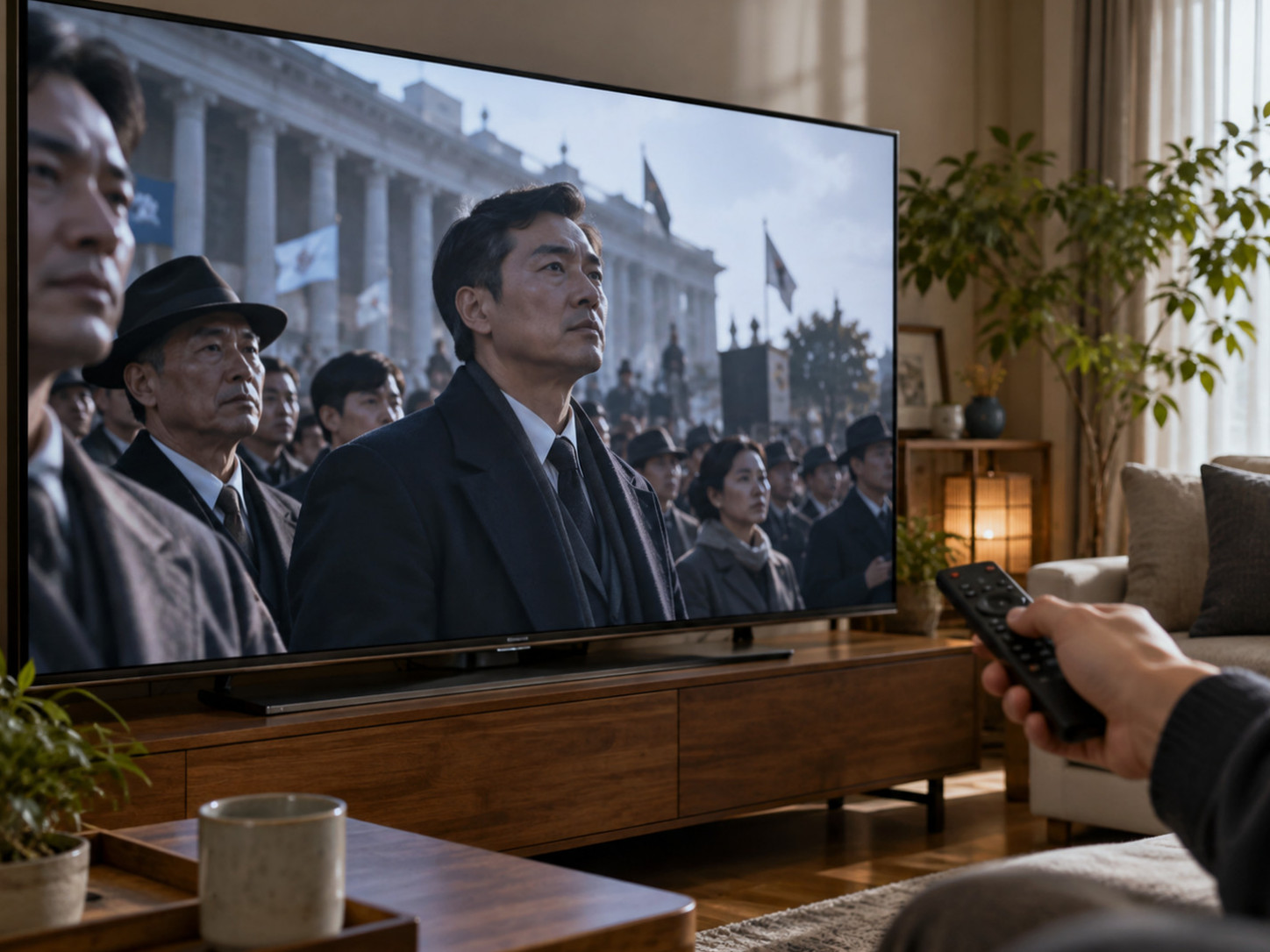
Episode 6 aired on October 24, 2026.
According to Nielsen Korea, the nationwide viewership rating was 19.51 TP3T, which is the drama's highest record to date. Given that the controversial episode actually broke the viewership record, it means that both buzz and critical public opinion have grown simultaneously.
What specifically is the scene that caused the problem?
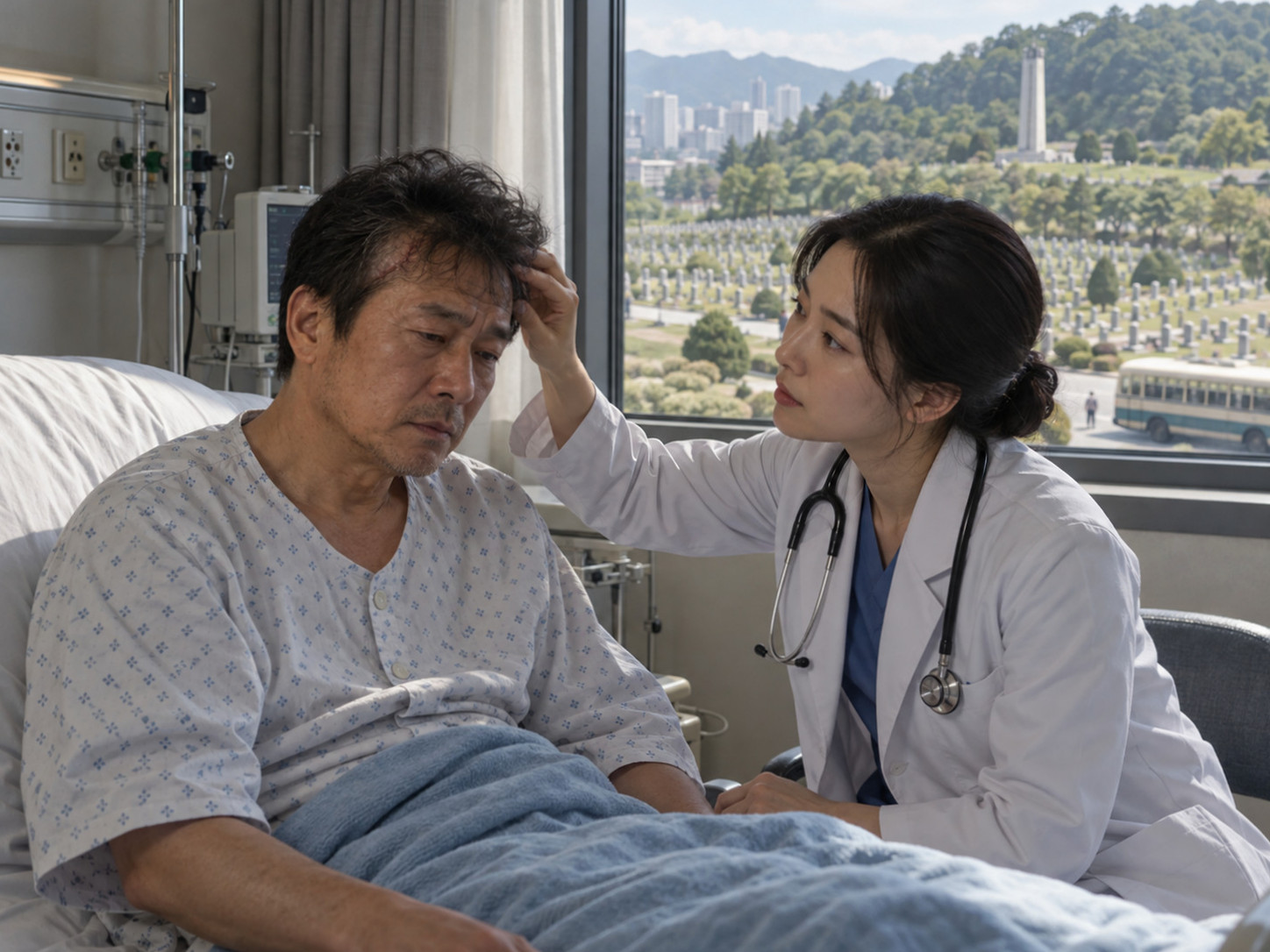
The core of the controversy surrounding Episode 6 is the composition of the episode, which is based on the May 18 Democratization Movement. As a patient named Oh Sang-beom (played by actor Ha Sung-kwang) appears in the episode as a character suffering from aftereffects following a gunshot wound to the head in 1980, scenes of the military using tear gas and gunfire at the time were reenacted.
There was also dialogue suggesting that the bullet fragments in Oh Sang-bum's head were evidence of helicopter gunfire by the military regime. Scenes were aired showing the protagonist, Gye Su-jeong (Kim Ji-won), taking bus number 518 to the May 18 Democratic Cemetery, as well as a scene where the fictional former president, 'Ji Du-seok,' is emergency transported in an unconscious state and encounters Oh Sang-bum. 'Ji Du-seok' is a fictional character created for the drama, not a real-life former president.
This drama is a Korean adaptation of a Japanese original, but the content related to May 18 is not in the original and was newly added during the production of the Korean version. The petitioners raised an issue by interpreting this very point—that is, the inclusion of content unique to the Korean version that was not in the original—as an intention to reveal a specific political stance.
Where Does the Petition to Stop Broadcasting Stand Now?

A petition demanding the suspension of this drama's broadcast and the appearance of the production team as witnesses before the National Assembly has been posted on the National Assembly's electronic petition platform, Citizen Consent Petition. Having met the requirement of 100 signatures for public disclosure, the petition is currently at the stage where its release is being reviewed, including referral to the relevant committee.
The contents of the petition have not yet been fully disclosed to the public, nor has the actual review process entered. The figure of 100 supporters prior to disclosure merely meets the requirements for public release; as of October 26, the actual cumulative number of signatories and the subsequent review schedule have not been confirmed in news reports. Additional procedures and time are required before the petition is actually processed.
How did the reactions of the production team and the actors differ?

Lee Ok-kyu, the executive producer at Studio S who oversaw the production, posted "no fear" on his social media on the day the sixth episode aired, sparking various interpretations. Conversely, the social media of lead actress Kim Ji-won was flooded with critical comments, and the controversy escalated into attacks directed at the actress personally.
This represents a trend where criticism is directed at individual actors rather than the production team responsible for directing and screenwriting, and the same pattern appeared in other examples of works discussed below.
‘When compared to the 'assassin(ies)' controversy, similarities are visible.
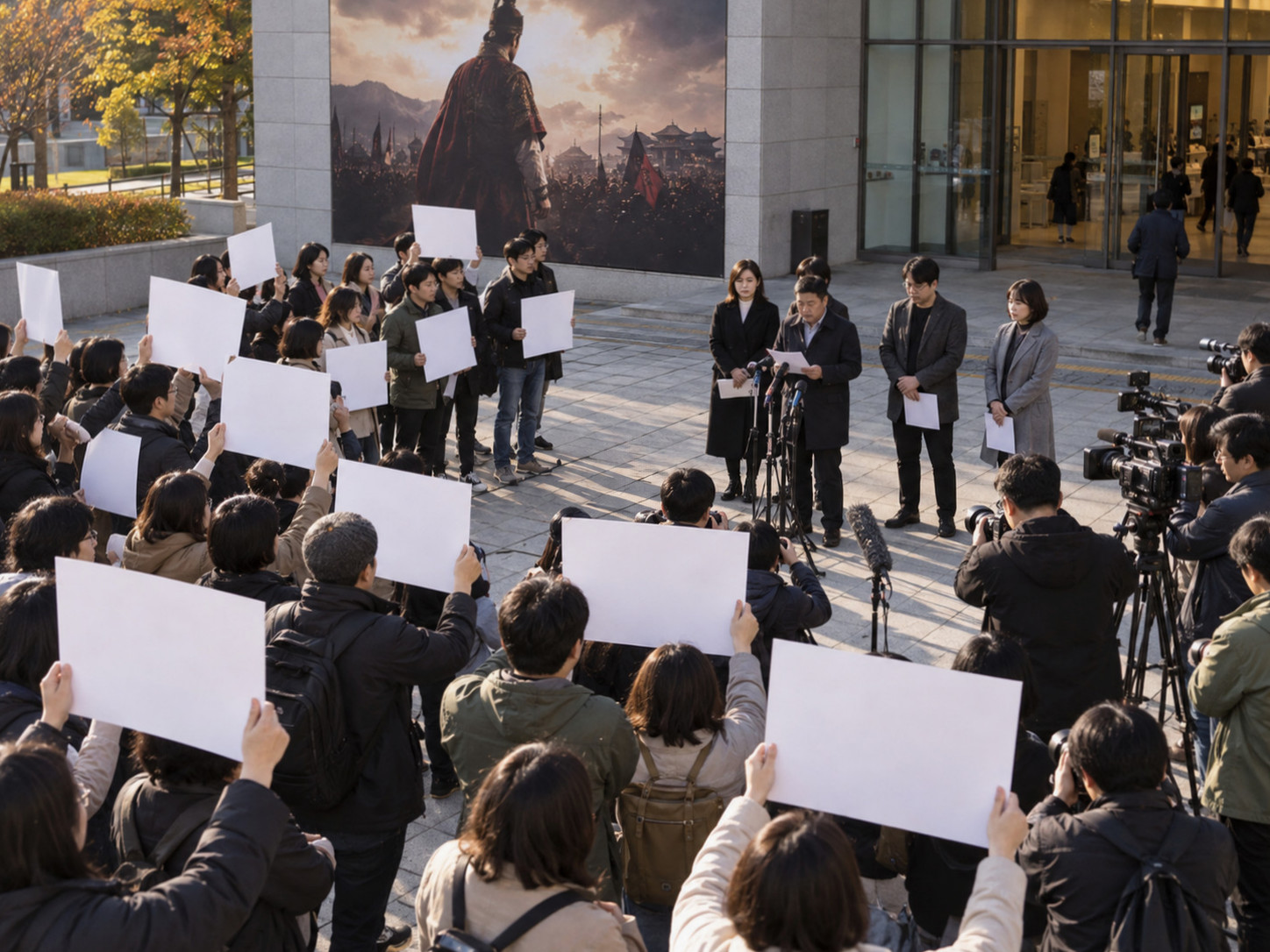
Around the same time, the movie *Assassination(s)* (starring Yoo Hae-jin), based on the assassination of First Lady Yuk Young-soo, also became embroiled in a controversy over historical distortion. Amidst a tense standoff between praise for its quality and criticism regarding historical inaccuracies, the controversy escalated into rating terrorism and boycotts.
Yoo Hae-jin even went so far as to request personal protection due to protests taking place in front of his home. As of October 11, 2026, the film was on track to surpass 3 million cumulative viewers, and on the 14th of the same month, a press conference condemning historical distortion was held in front of the Park Chung-hee Presidential Memorial Hall in Mapo-gu, Seoul.
Both cases share a commonality in that works based on modern history escalated beyond simple criticism to include attacks on individual actors, boycotts, and regulatory pressure. However, they differ in that the controversy surrounding 'Doctor X' manifested through legislative procedures, specifically a petition to the National Assembly, whereas for 'Assassination(ies)', it was expressed through street methods such as protests and press conferences.
How do experts view this controversy?
Pop culture critic Jeong Deok-hyeon pointed out that this controversy is merely the claim of those attempting a political interpretation, and cannot be viewed as the majority opinion. He also diagnosed that ideologically motivated attacks targeting an individual actor are akin to McCarthyism, stating that a mature attitude is needed to view culture for what it is and to acknowledge different perspectives.
Pop culture critic Kim Heon-sik took the position that while it is a viewer's right to express opinions on direction or narrative completeness, regulatory approaches such as demanding parliamentary verification or suspending broadcasts are undesirable. His stance is that the matter should be left to the autonomous judgment of the market and viewers.
Lee Seong-min, a professor in the Department of Media and Visual Arts at Korea National Open University, assessed that Korea is a market where storytelling linked to social issues is commercially viable. However, he also raised concerns that repeated attempts to curtail freedom of expression could undermine the fundamental competitiveness and foundation of K-content.
An official from the broadcasting industry pointed out that while opinions may differ regarding the inclusion of sensitive modern history subject matter, it is excessive to place the responsibility for the direction and script solely on the entire broadcasting company or individual actors. The remarks made by these experts are their personal views and cannot be regarded as the official stance of the entire industry.
What points should we keep an eye on going forward?
The key factors are whether the public consent petition is made public and the subsequent progress of the review by the relevant committee. The course of events may vary depending on whether the petition is formally made public and becomes subject to review, or whether it is not processed due to insufficient requirements or procedural reasons.
It is also important to examine the viewership trends of the drama itself and its performance during the simultaneous release on Netflix. Given that the series broke its own record for three consecutive episodes prior to the controversy, the direction in which ratings shift after episode 6 can serve as an indicator of the public's actual reaction to the work. Further information regarding related news reports and the public disclosure of the petition can be found on the National Assembly Electronic Petition website.
Frequently Asked Questions
Q. What is the reason for the controversy surrounding Episode 6 of 'Doctor X'?
A. In episode 6, the story of a patient who suffered a gunshot wound during the May 18 Democratization Movement was featured, along with dialogue and scenes that alluded to helicopter gunfire by the military regime. Since this content was not present in the original Japanese version and was added only to the Korean version, questions were raised about whether there was a specific political intention behind it.
Q. Is 'Ji Doo-seok' a real person?
A. No. It is a fictional former president character appearing in the drama, and is not a reference to a real person.
Q. Is the petition to stop the broadcast being processed now?
A. The petition in question, which was posted on the National Consent Petition website, has met the requirement of 100 signatures for public disclosure and is currently at the stage where its disclosure status is being reviewed, such as by referring it to the relevant committee; it has not yet entered the actual review stage.
Q. How is this related to the 'Assassin(s)' controversy?
A. Both works share a commonality in that they used modern history as their subject matter, became embroiled in controversies over historical distortion, and even escalated into attacks on the actors personally. However, the methods of expression differ, with one involving a petition to the National Assembly and the other street protests.
Q. What were the viewership ratings like after the 6th episode aired?
A. Episode 6 recorded its highest viewership rating to date at 19.51 TP3T according to Nielsen Korea's nationwide figures. This means the upward trend in ratings continued despite the controversy.