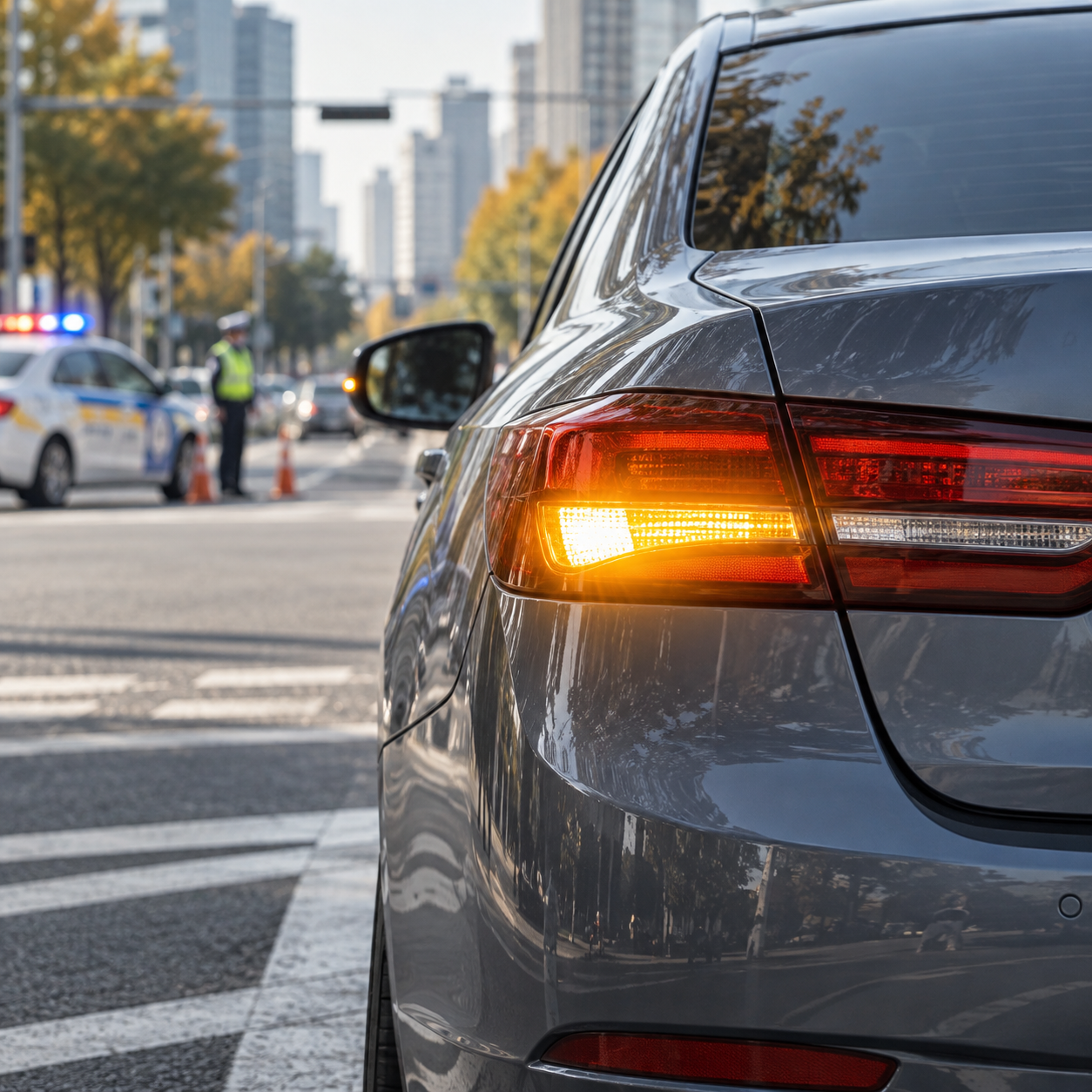
You know you need to turn on your turn signal when turning right, but you've probably been confused about when to turn it on and which direction to press, right? With intensive traffic safety enforcement, including the use of turn signals, taking place from October 2026 until the end of the year, you need to re-examine your familiar driving habits.
The key point is simple. Turning right is Right turn signalYou must turn it on and operate it in advance before turning the steering wheel. In addition, you must separately check the traffic signal ahead, the stop line, and the crosswalk after turning right to reduce the chances of making mistakes that could lead to a fine.
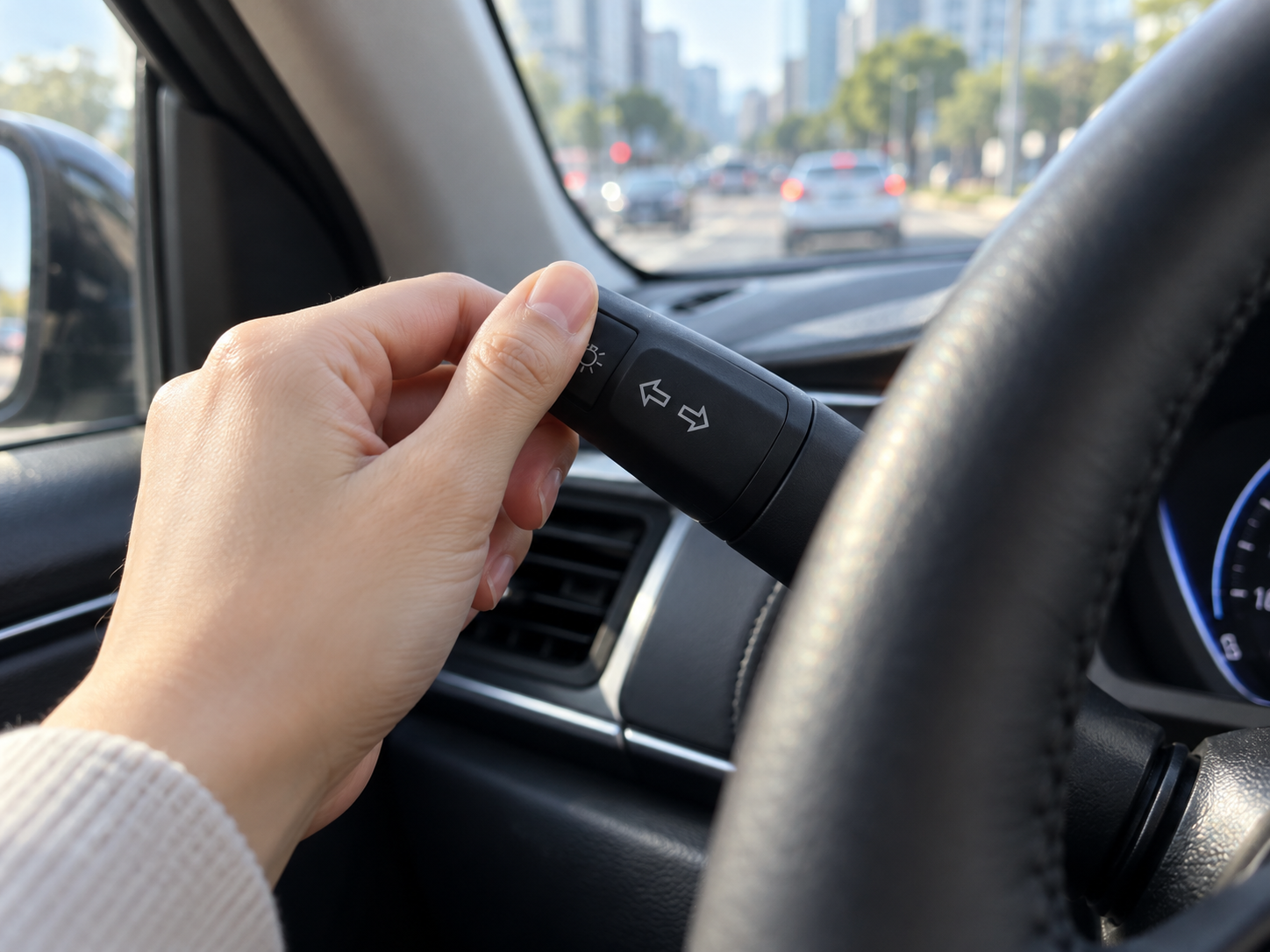
October Intensive Crackdown: We Are Not Just Looking at Right Turns
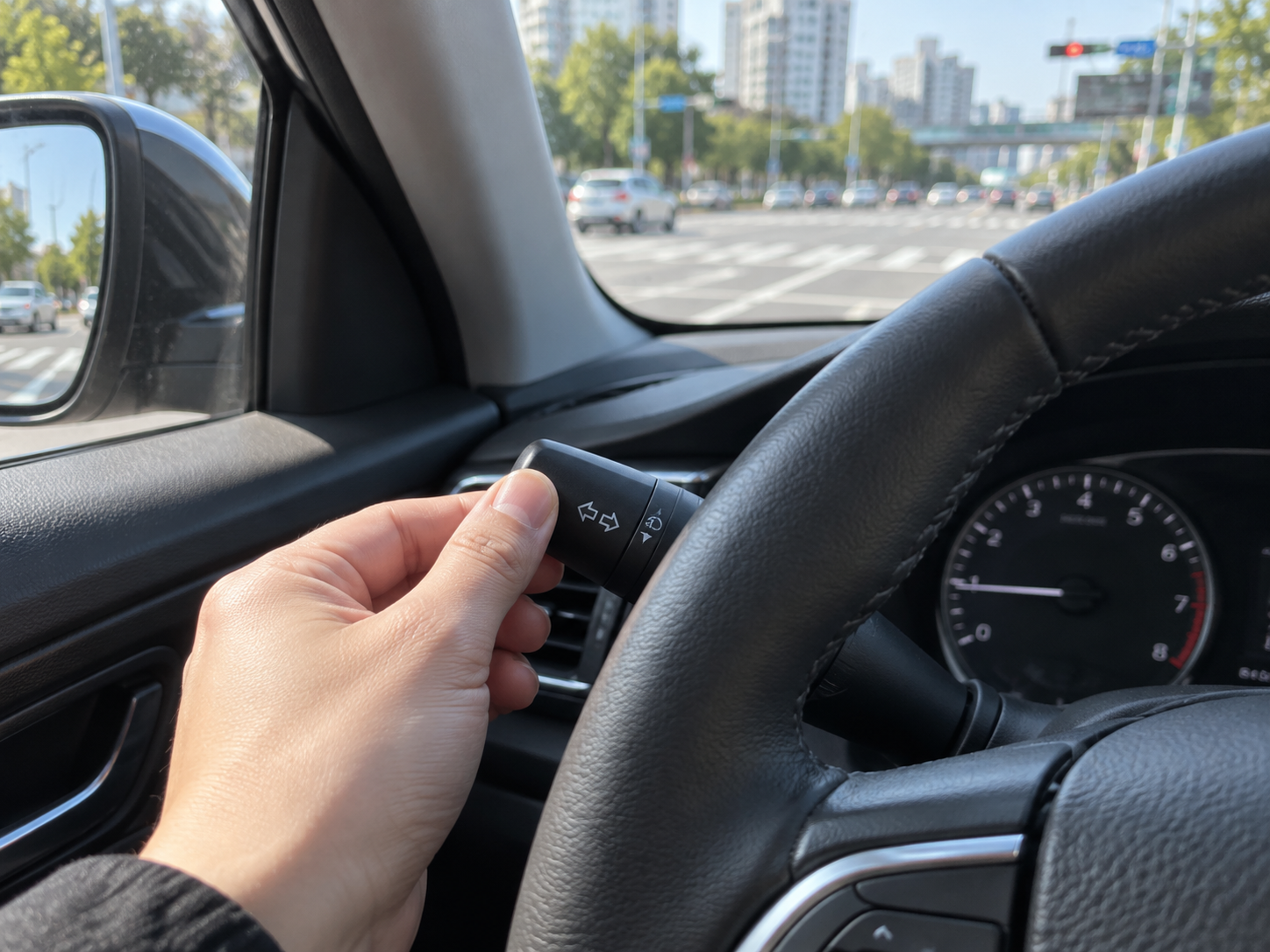
The focus of this crackdown is not the right turn itself. The act of not turning on the turn signal even though it should be usedThis applies not only to right turns but also to all situations where the vehicle's direction of travel changes, such as lane changes, changes of direction, and left turns.
The fine for failing to use turn signals on passenger cars is announced to be 30,000 won. The enforcement period is set for approximately three months, from October 1, 2026, to the end of December, and the use of seat belts in the driver and passenger seats, as well as helmet use by users of personal mobility devices, are also included in the scope of management.
You should not only turn on your turn signal when turning right, but also signal your direction in advance at every moment the vehicle's movement changes.
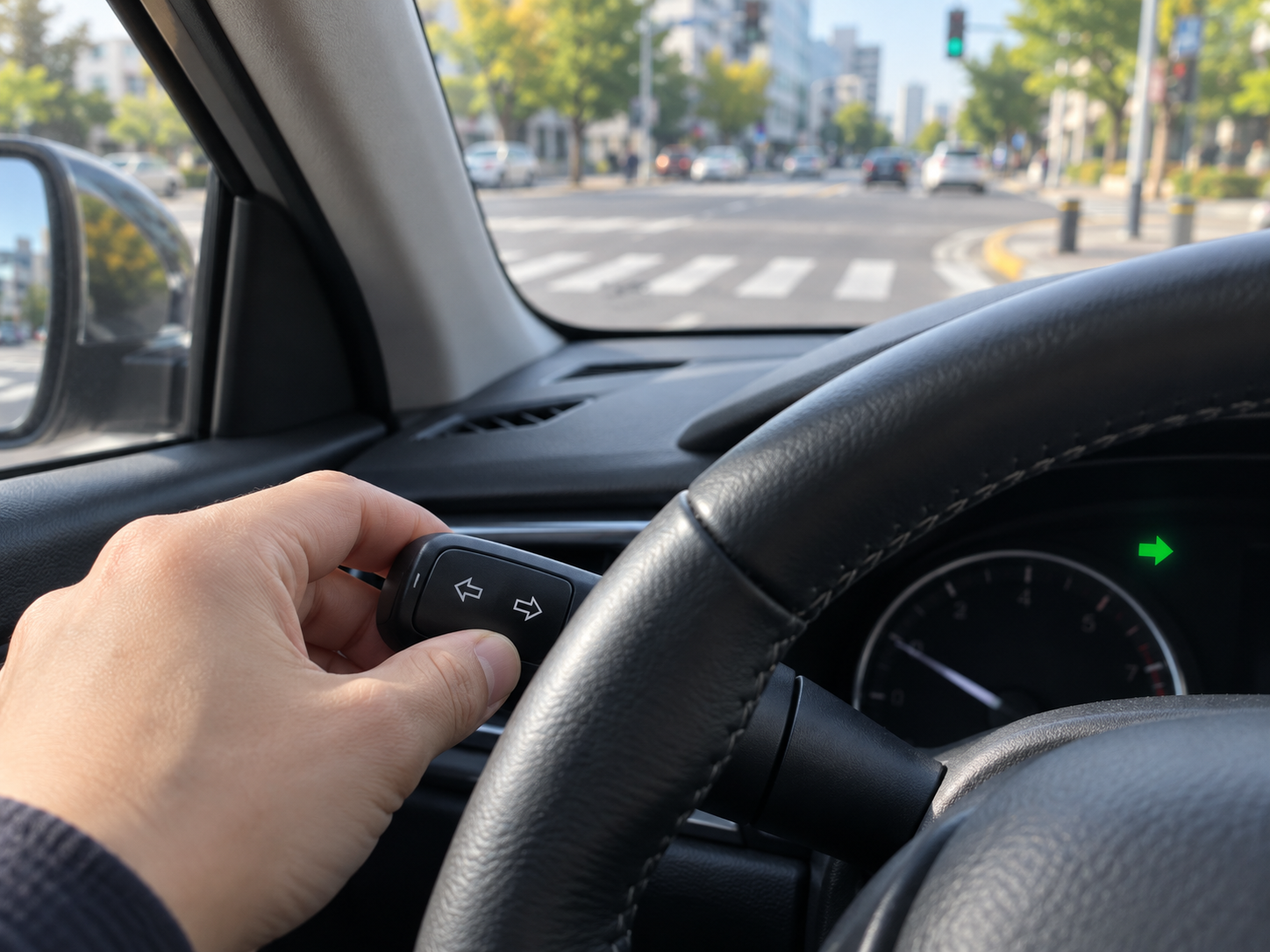
Which turn signal should I use when turning right?
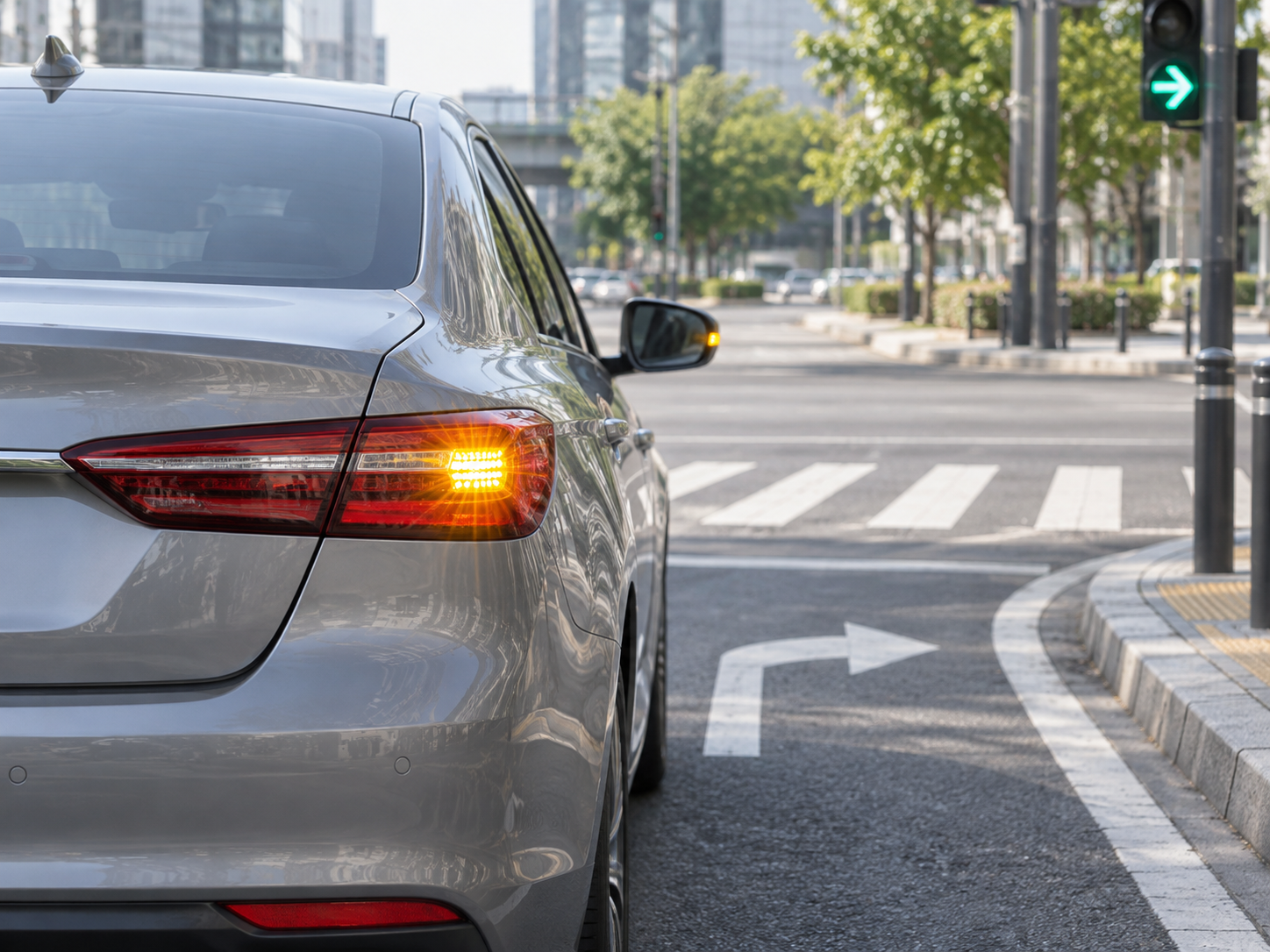
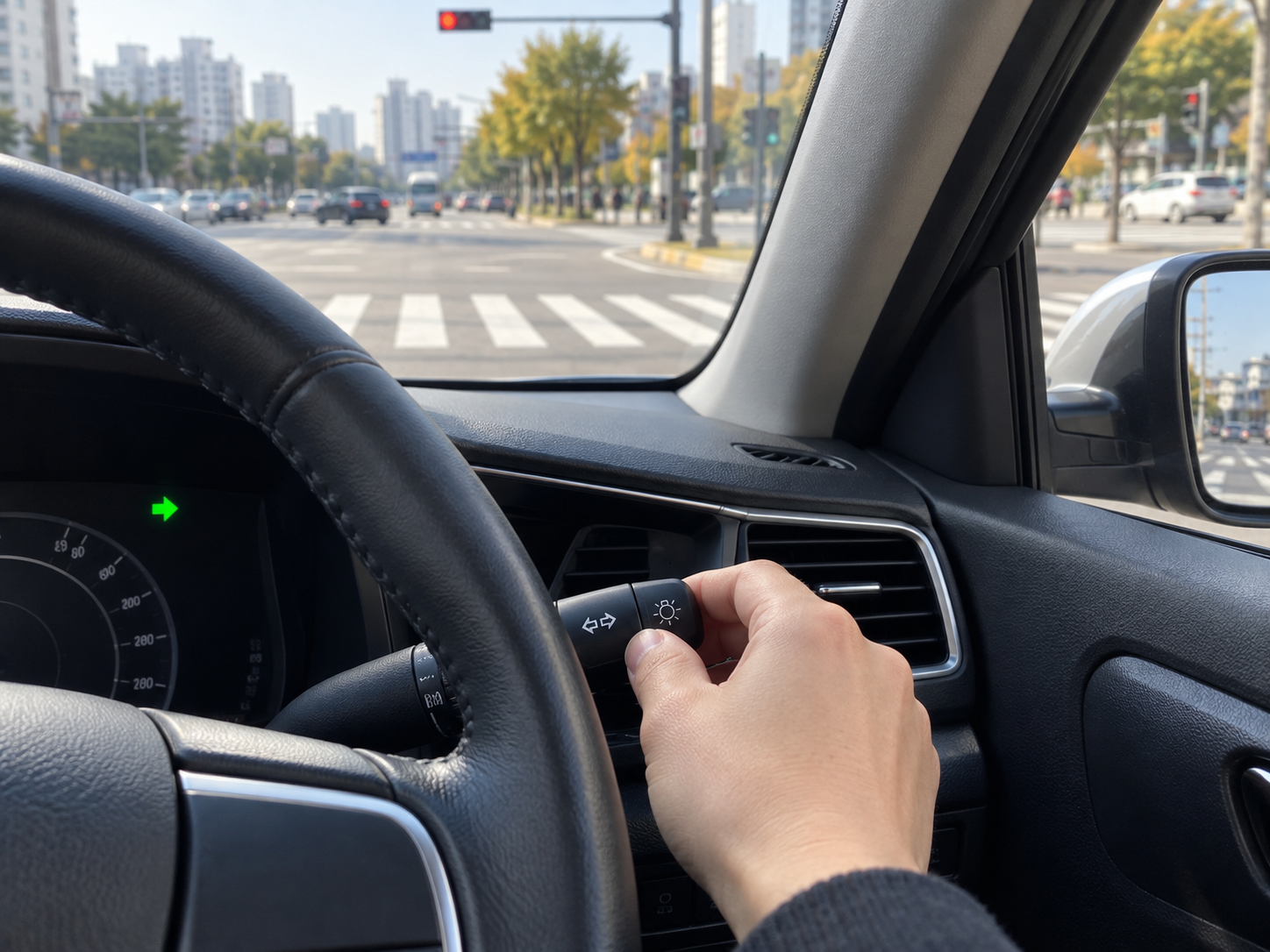
When turning right, align with the direction the vehicle intends to move. Right turn signalTurn it on. Turning on the left turn signal to check for vehicles coming from the left is not the correct way to signal an intention to turn right.
The turn signal is not a device you press the moment you turn the steering wheel. It is to give surrounding vehicles and pedestrians time to notice your movement. Before changing my career pathIt needs to work.
Guidelines suggest turning on the power at least 30 meters before changing direction or lanes on general roads, and at least 100 meters before on expressways and motorways. Even when making a right turn at an urban intersection, it is necessary to develop the habit of activating the power well in advance rather than pressing it abruptly right before the stop line.
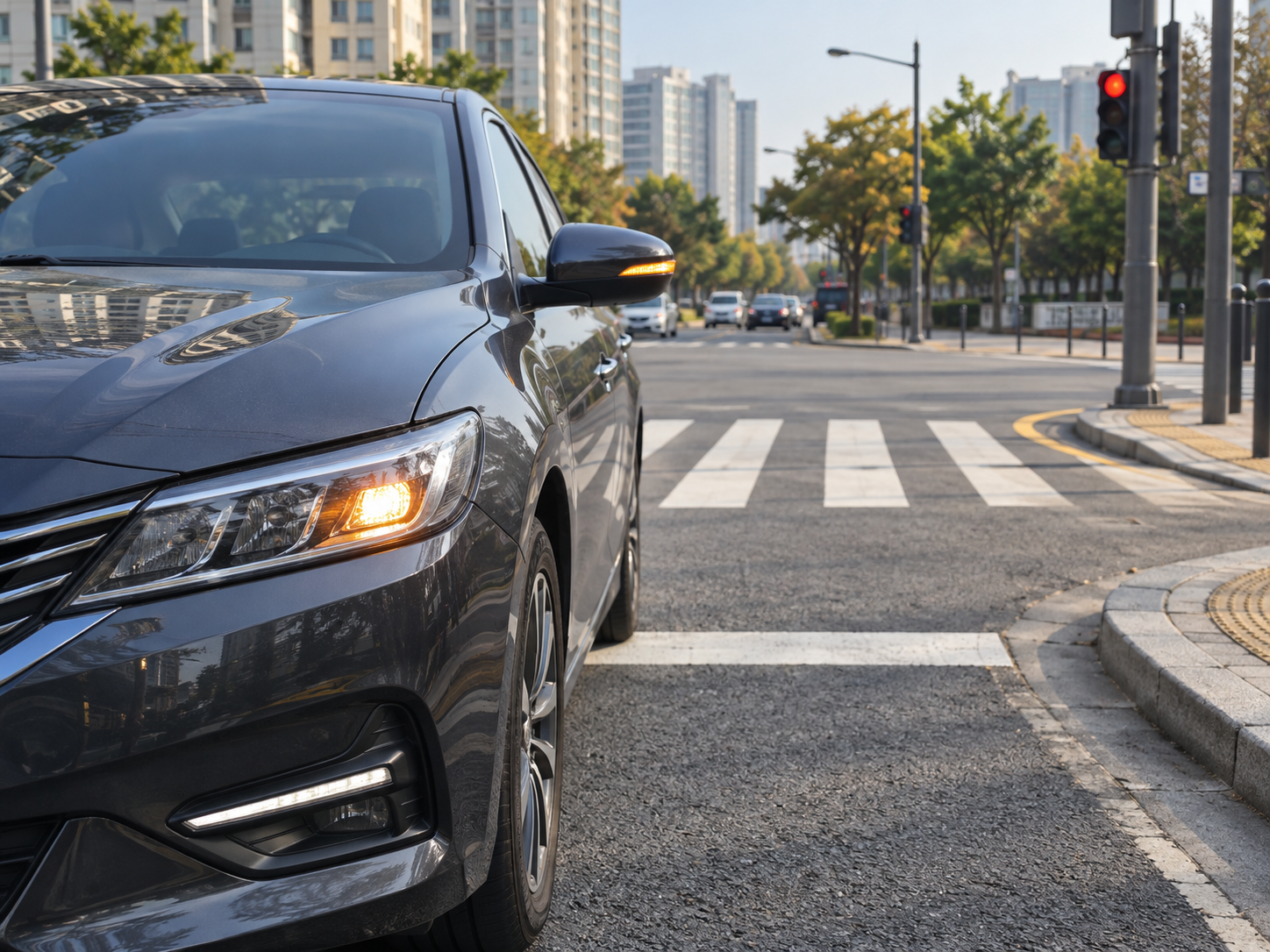
The actual order you must follow when turning right
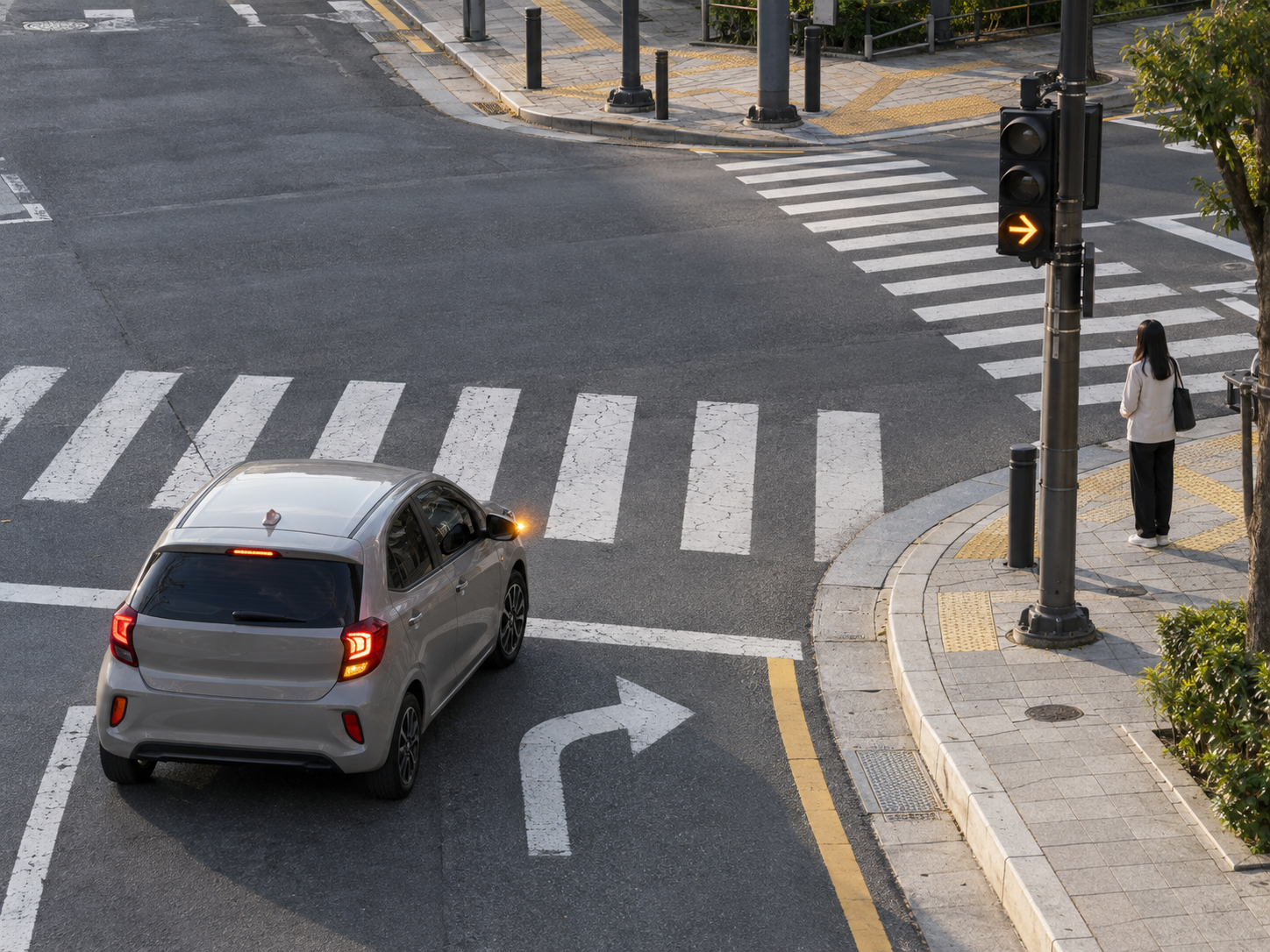
First, look at the signal ahead and the stop line. If the signal ahead is red, you must stop at the stop line, crosswalk, or just before the intersection, look around, and then proceed.
Next, check the crosswalk you encounter after turning right. You must look for pedestrians crossing the crosswalk as well as those waiting to cross, and if there are pedestrians, stop your vehicle to ensure they have passage first.
The turn signals are separate from this process You must turn right before turning right. Even if you obey the signal, if you do not turn on the blinker, the issue of not using the turn signal remains, and conversely, even if you turn on the blinker, if you do not observe the stop line and the duty to protect pedestrians, it constitutes a different violation.
Failure to use turn signals and coming to a temporary stop are different violations.
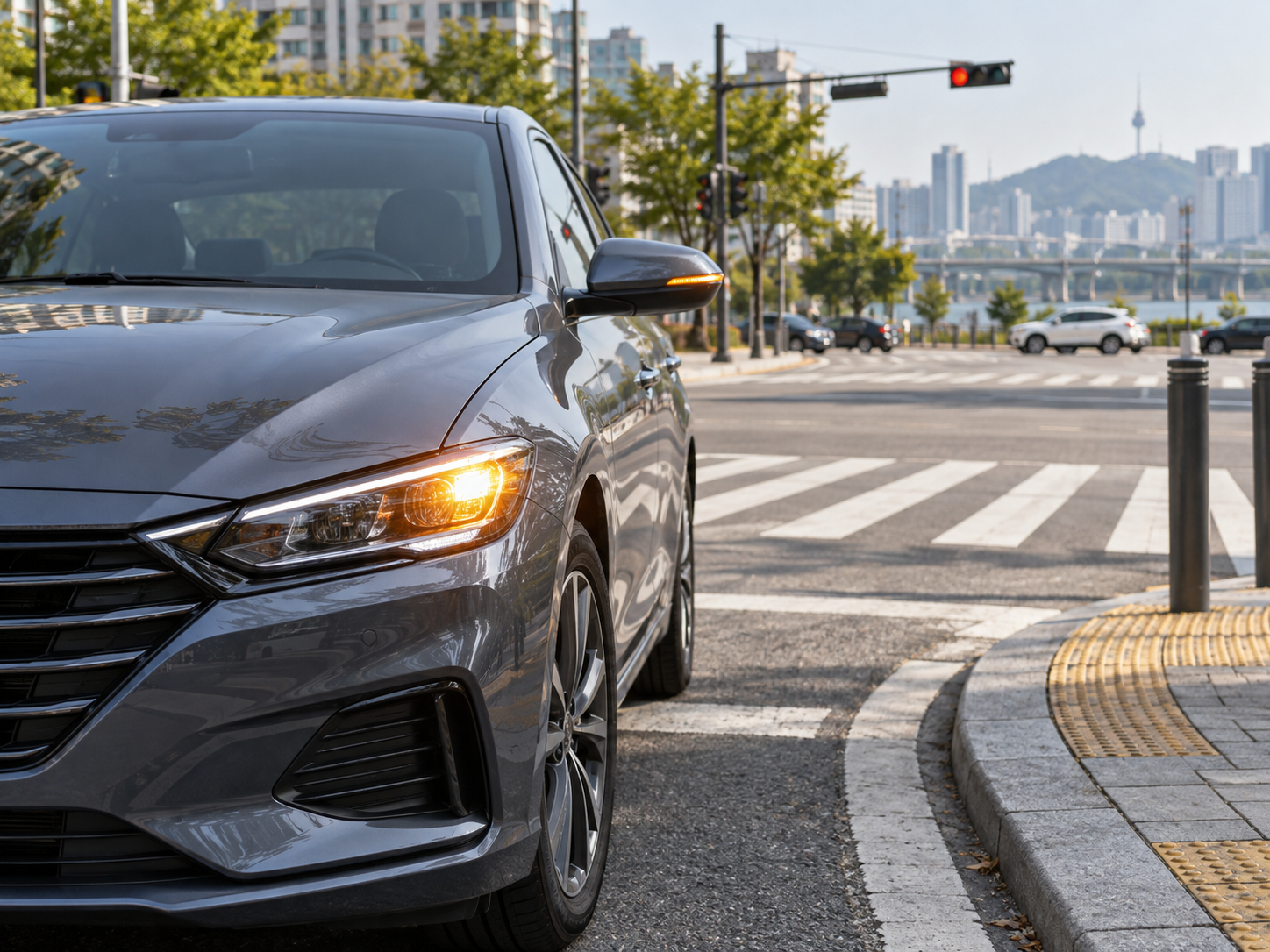
These two points are exactly what drivers turning right often get confused about. Failing to use the turn signal is a matter of not notifying other road users of the lane change, while violating the stop requirement for a right turn is a matter of failing to stop before the traffic signal, stop line, or crosswalk.
Penalties for violating the stop rule for right turns vary depending on the type of vehicle and the method of detection. Based on on-the-spot detection, the fines are 60,000 won for passenger cars, 70,000 won for vans, 40,000 won for motorcycles, and 30,000 won for bicycles; this is a different penalty from the 30,000 won fine for failing to use a turn signal.
- Learn everything from setting up Google Maps Timeline to checking and restoring history
- From the symptoms of air conditioning sickness and the difference between headaches and summer colds to prevention methods
- Summary of the grounds for the Busan sighting report alleging a romantic relationship between Lotte's Jung Cheol-won and his ex-wife amidst divorce dispute, and the positions of both sides.
Reduce mistakes with a 5-second check before departure
| division | Actions to observe | Related standards |
|---|---|---|
| turn signal | Turn on the right turn signal before turning right | 30m before general roads, 100m before expressways and motorways |
| signal ahead | If the light is red, stop at the stop line. | Proceed safely after checking the signal |
| Crosswalk after turning right | Check pedestrians and people attempting to cross | Pedestrian protection comes first |
| Change lanes | Check surroundings after activating the turn signal, then change lanes | Direction indicator before moving |
When approaching an intersection, first check the signal ahead and verify the location of the stop line and crosswalk. Once you have decided which direction to turn right, turn on your right turn signal and check for vehicles, motorcycles, and bicycles behind and to the sides.
The order is the same when changing lanes. Activate turn signal → Check surroundings → Change lane If you follow the order, you can reduce the mistake of turning on your blinker too late or encroaching on the lane.
This 'Good Driving' campaign covers not only turn signals but also the use of seat belts and helmets. Automated seat belt enforcement equipment is scheduled to be introduced by photographing the area in front of the driver and passenger seats, so it is safer for drivers to make a quick check a habit before entering an intersection.
When making a right turn, turn on your right turn signal in advance and check the traffic signal, stop line, and crosswalk in sequence.What is more important than a 30,000 won fine is that a single directional signal can change the movement of pedestrians and surrounding vehicles.